
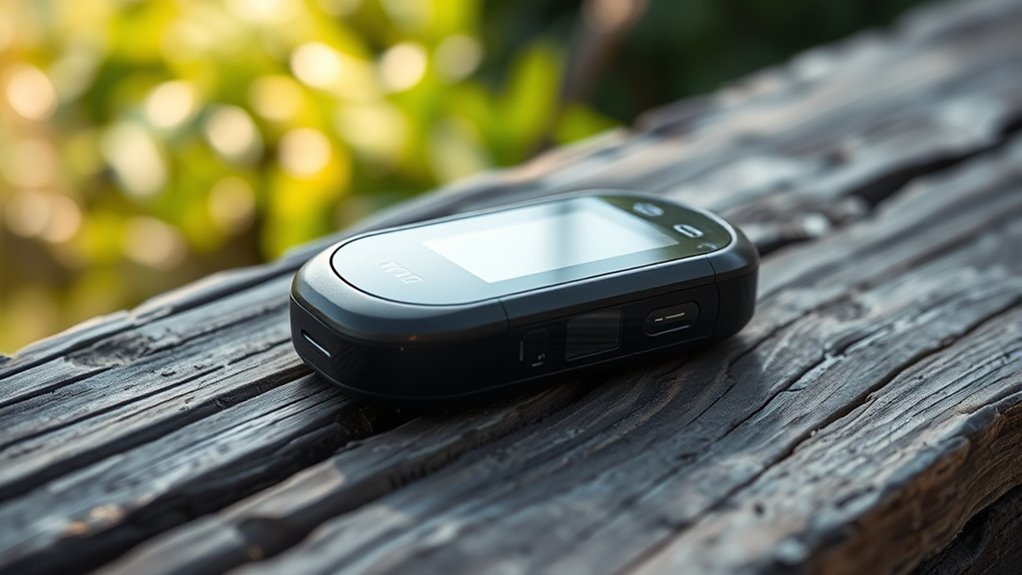

An ankle monitor is an electronic device worn around your ankle that tracks your location, ensuring compliance with legal conditions while letting you remain in the community. It uses GPS technology to provide real-time data to monitoring agencies. Ankle monitors serve as alternatives to incarceration, promoting rehabilitation and accountability. However, they come with challenges related to privacy, mobility, and potential stigmatization. To understand the implications and different types of ankle monitors, consider exploring further.
Definition and Purpose of Ankle Monitors
Ankle monitors, often referred to as electronic monitoring devices, serve a critical role in the criminal justice system. They allow individuals to maintain a degree of freedom while under supervision, often in lieu of incarceration. These devices track your location, ensuring compliance with court orders, which can alleviate anxiety that often accompanies legal proceedings. By participating in rehabilitation programs while monitored, you can work towards reintegration into society, addressing underlying issues that may have contributed to criminal behavior. The use of ankle monitors not only supports accountability but also fosters personal growth, allowing you to focus on your rehabilitation rather than feeling trapped in a traditional correctional facility. This balance can be essential in promoting a successful shift back into the community.
How Ankle Monitors Work
Ankle monitors utilize advanced monitoring technology to track an individual’s location and activity. They often feature GPS tracking capabilities that provide real-time data on movement. Understanding the data transmission process is essential, as it guarantees the information is sent to the monitoring agency efficiently and accurately.
Monitoring Technology Explained
Electronic monitoring devices have become an essential tool in the criminal justice system, particularly through the use of ankle monitors. These devices utilize wearable technology to track an individual’s location and compliance with court-ordered restrictions. Ankle monitors typically consist of a lightweight band that fits around your ankle, equipped with a transmitter that communicates data to a remote monitoring system. This system allows authorities to oversee your movements in real-time, ensuring you’re adhering to the terms of your release. By employing remote monitoring, the justice system can maintain oversight without the need for physical incarceration. While this technology offers a level of freedom, it also raises important questions about privacy and control in the pursuit of public safety.
GPS Tracking Features
While you might not think about it, the GPS tracking features in ankle monitors play a crucial role in how these devices function. These monitors utilize real-time tracking technology to guarantee precise monitoring of an individual’s movements. This capability allows authorities to verify compliance with restrictions, such as curfews or designated zones. The location accuracy of GPS systems means that even minor deviations from assigned areas can trigger alerts. This level of oversight is designed to maintain public safety while allowing some degree of freedom for the monitored individual. Understanding how these features work can help you appreciate the balance between personal liberty and accountability that ankle monitors endeavor to achieve.
Data Transmission Process
Understanding GPS tracking features provides a foundation for comprehending the data transmission process in ankle monitors. These devices utilize a sophisticated system to guarantee accurate data transfer, maintaining signal integrity throughout their operation. Here’s how it works:
- Real-time monitoring: Ankle monitors continuously send location data to a central server.
- GPS signals: They rely on satellite signals for precise location tracking.
- Cellular networks: Data is transmitted via cellular technology, guaranteeing coverage in urban and rural areas.
- Alerts and notifications: If a monitored individual breaches designated zones, immediate alerts are sent to authorities.
Types of Ankle Monitors
When it comes to ankle monitors, there are a few distinct types you’ll encounter. GPS tracking monitors provide real-time location data, while radiofrequency monitors create virtual boundaries to guarantee compliance. Additionally, alcohol monitoring devices can track your blood alcohol levels, offering an extensive approach to monitoring.
GPS Tracking Monitors
GPS tracking monitors are an essential component of modern ankle monitoring systems, designed to enhance surveillance and guarantee compliance with legal restrictions. These devices provide real-time location data, but they come with both benefits and limitations.
Here are some key aspects to take into account:
- GPS Accuracy: They offer precise tracking, allowing authorities to monitor movements closely.
- Tracking Limitations: Signals may be obstructed in urban canyons or indoors, leading to potential inaccuracies.
- User Flexibility: Monitors can often allow individuals to maintain a degree of freedom within designated areas.
- Data Security: Information collected is typically encrypted to protect user privacy.
Understanding these factors can help you navigate the complex landscape of ankle monitoring while aiming for your freedom.
Radiofrequency Monitors
Radiofrequency monitors are another common type of ankle monitoring device, providing an alternative to GPS systems. These devices use radiofrequency technology to track your location within a specific area, often defined by a set perimeter. Unlike GPS, which relies on satellite signals, radiofrequency monitors provide a consistent and reliable connection, enhancing monitoring accuracy. They’re particularly useful in situations where constant tracking is necessary, like home confinement or probation. While you may appreciate the freedom of limited movement, it’s important to understand that these devices can still impose restrictions. If you’re considering options for monitoring, it’s essential to weigh the benefits and limitations of radiofrequency technology against your personal circumstances and desired level of freedom.
Alcohol Monitoring Devices
Several types of alcohol monitoring devices are available today, each designed to guarantee compliance with sobriety requirements. These devices enable effective alcohol detection and sobriety monitoring, allowing individuals to maintain their freedom while ensuring accountability.
Here are some common alcohol monitoring devices:
- Transdermal monitors: These detect alcohol through skin perspiration.
- Breath analyzers: These measure blood alcohol content through breath samples.
- Continuous alcohol monitoring (CAM): These devices provide real-time data on alcohol consumption.
- Portable breath testers: These allow for on-the-spot sobriety checks.
Understanding these options can help you navigate the complexities of sobriety monitoring, ensuring that you stay on the right path toward a healthier lifestyle while still enjoying your freedom.
Benefits of Using Ankle Monitors
As technology continues to evolve, the benefits of using ankle monitors in the criminal justice system become increasingly evident. These devices enhance offender supervision, allowing individuals to maintain their freedom while serving their sentences. By providing real-time location tracking, ankle monitors enable courts to monitor compliance with rehabilitation programs, ensuring that offenders engage in constructive activities rather than reverting to crime. Additionally, they help reduce overcrowding in prisons, offering a cost-effective alternative to incarceration. This approach not only supports public safety but also promotes reintegration into society, empowering individuals to rebuild their lives. Ultimately, ankle monitors can serve as an essential tool for fostering accountability while respecting personal freedoms, aligning with the goals of a more humane justice system.
Challenges and Limitations
While ankle monitors offer various advantages in the criminal justice system, they also present several challenges and limitations that warrant careful consideration. You might find that these devices can complicate the reentry process for individuals. Here are some key challenges:
- Reentry challenges: Those on ankle monitors often struggle to secure employment or housing due to stigma.
- Technology limitations: The devices can malfunction, leading to false alerts or missed signals.
- Limited mobility: You may feel restricted, affecting your daily activities and social interactions.
- Privacy concerns: Constant tracking may lead to a feeling of surveillance, impacting personal freedom.
Understanding these issues helps to evaluate the effectiveness and implications of ankle monitors in the broader context of criminal justice reform.
Legal and Privacy Concerns
Although ankle monitors serve as tools for monitoring individuals under supervision, they raise significant legal and privacy concerns that can impact both users and society. The use of these devices often leads to questions about privacy rights and legal implications. For instance, how much surveillance is too much?
| Concern | Description | Legal Implications |
|---|---|---|
| Privacy Rights | Intrusive tracking of movements | Potential violations of rights |
| Data Security | Risk of sensitive data leaks | Legal liability for breaches |
| Misuse of Information | Data used beyond intended purpose | Ethical and legal ramifications |
| Public Perception | Stigmatization of monitored individuals | Impact on reintegration efforts |
As you can see, understanding these concerns is essential for fostering a balance between safety and personal freedom.
Ankle Monitors in Different Countries
Ankle monitors are increasingly utilized around the globe, each country adopting different approaches based on its legal framework and societal norms. The effectiveness and acceptance of these devices often hinge on international regulations and cultural attitudes. Here’s a glimpse into how various nations implement ankle monitoring:
- United States: Primarily used for parolees and those awaiting trial.
- United Kingdom: Emphasizes rehabilitation, often used for low-risk offenders.
- Brazil: Focuses on reducing prison overcrowding while maintaining public safety.
- Australia: Utilizes monitors for both judicial and preventive measures.
Understanding these differences sheds light on how cultural attitudes shape the use of ankle monitors, reflecting each society’s balance between freedom and security.
Future of Ankle Monitoring Technology
As ankle monitoring continues to evolve across various countries, the future of this technology looks promising, with advancements in both hardware and software expected to enhance its effectiveness. Future advancements might include more accurate GPS tracking, allowing for real-time monitoring without infringing on individual freedoms. Technology integration with smartphones and wearables could empower users, providing them with direct access to their monitoring data and ensuring transparency. Furthermore, artificial intelligence could improve compliance tracking and reduce false alarms, leading to more reliable systems. As these innovations emerge, it’s essential that the balance between public safety and personal liberty remains intact, ensuring that ankle monitoring becomes a tool for rehabilitation rather than a means of oppression.
Frequently Asked Questions
Can Ankle Monitors Be Removed by the Wearer?
You can’t easily remove ankle monitors due to their security features. While some may try various removal methods, these devices are designed to alert authorities if tampered with, making it a risky endeavor for anyone seeking freedom.
How Long Can Someone Be Required to Wear an Ankle Monitor?
You’re typically required to wear an ankle monitor for a few weeks to several months, depending on monitoring conditions and duration limits set by the court. It’s like carrying a fashionable accessory with strict rules!
What Happens if an Ankle Monitor Is Tampered With?
If you tamper with an ankle monitor, you’ll face serious consequences. Tampering can lead to monitoring penalties, including extended wear time, additional legal charges, or even incarceration, jeopardizing your freedom and future opportunities.
Are Ankle Monitors Waterproof or Water-Resistant?
Ever wondered about the durability of ankle monitors? Most aren’t fully waterproof but often feature water-resistant materials. You should be cautious, as exposure to water can still affect their functionality and tracking accuracy.
Do Ankle Monitors Track Real-Time Location Continuously?
Yes, ankle monitors provide real-time tracking, ensuring location accuracy. They continuously transmit your whereabouts, allowing authorities to monitor movements closely. This technology can affect your sense of freedom, as it restricts your mobility and privacy.
