
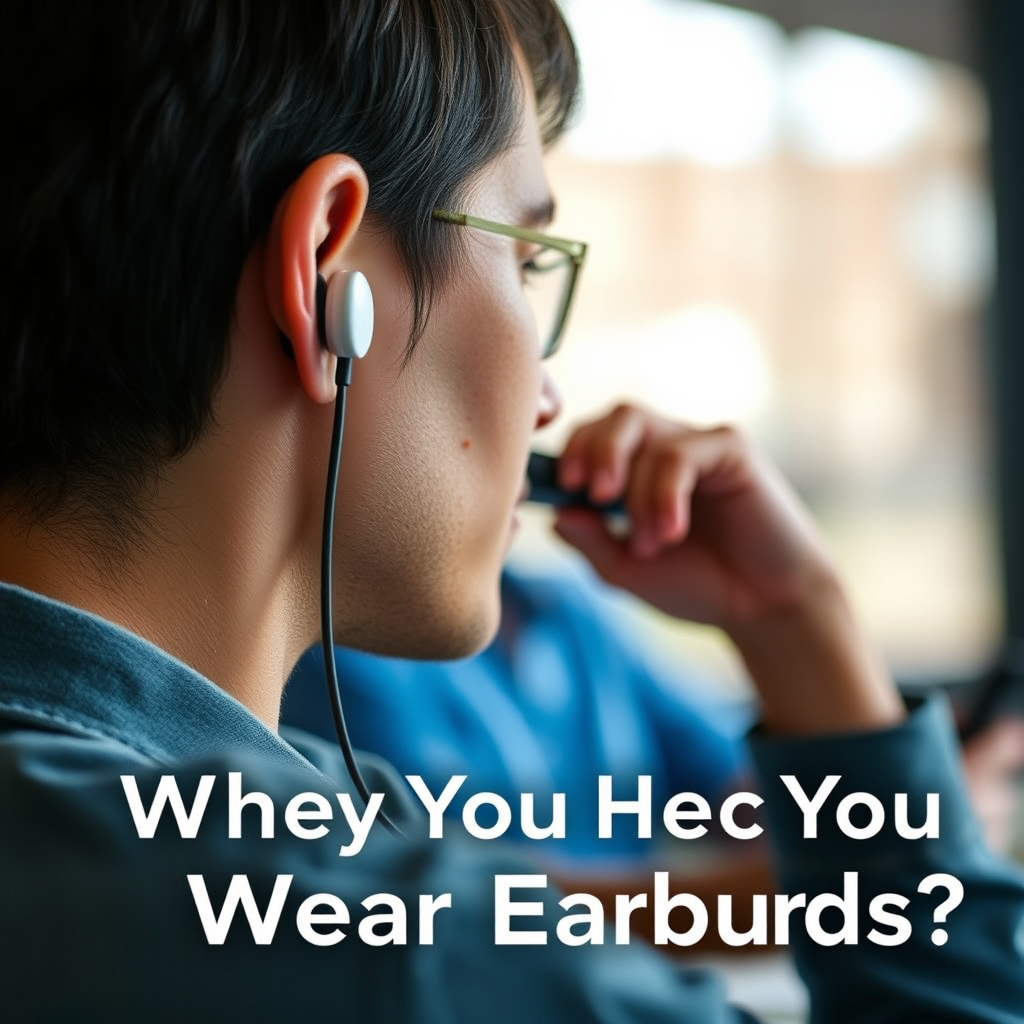

Wearing earbuds can lead to ear pain due to improper fit, prolonged use, and underlying ear conditions. Understanding these factors is essential for maintaining ear health and enjoying a comfortable listening experience. In this article, we will delve into the various reasons behind ear discomfort when using earbuds and present practical solutions to alleviate the pain.
Understanding Ear Anatomy
The human ear is a complex structure divided into three primary parts: the outer ear, middle ear, and inner ear. Each section plays a crucial role in hearing and can be affected by the use of earbuds.
– Outer Ear: This includes the pinna (the visible part of the ear) and the ear canal, which leads to the eardrum. The outer ear is sensitive and can experience pain from pressure or irritation caused by earbuds.
– Middle Ear: This area contains the eardrum and three small bones (ossicles) that transmit sound. Any pressure changes or infections in this region can lead to pain, especially when earbuds create a seal that alters normal airflow.
– Inner Ear: This section houses the cochlea and vestibular system, responsible for hearing and balance. While less commonly affected directly by earbuds, issues like ear infections can arise from improper ear hygiene when using them.
Pain can result from pressure on sensitive areas within the ear, leading to discomfort or even inflammation if the earbuds irritate the skin or inner structures.
Common Causes of Ear Pain with Earbuds
Several factors can contribute to ear pain during or after using earbuds:
– Improper Fit: Earbuds come in various shapes and sizes, and those that do not fit well can create pressure points. A snug fit is essential, but if the earbuds are too tight or do not match your ear canal shape, they can cause pain and discomfort.
– Prolonged Use: Wearing earbuds for extended periods can lead to fatigue in ear tissues. The constant pressure and friction from earbuds can irritate the ear canal and surrounding skin, resulting in soreness. Additionally, prolonged exposure to sound can lead to auditory fatigue, exacerbating the perception of pain.
– Hygiene Issues: Using earbuds without proper cleaning can lead to the buildup of bacteria and earwax, which can cause infections or exacerbate existing ear conditions.
– Underlying Conditions: If you have a history of ear infections, earwax buildup, or other ear conditions, wearing earbuds might exacerbate these issues, leading to pain.
Types of Earbuds and Their Impact
The type of earbuds you choose can significantly impact your comfort level:
– In-Ear vs. Over-Ear: In-ear earbuds typically create a tighter seal within the ear canal. While this can enhance sound quality by blocking external noise, it can also lead to discomfort for some users, particularly if they are worn for long durations. Over-ear headphones, on the other hand, distribute pressure more evenly across the ear and can be more comfortable for extended listening sessions.
– Material Composition: The materials used in earbuds can also affect comfort. Soft silicone tips generally provide a more comfortable fit compared to hard plastic or rubber, which can irritate sensitive ear skin. Additionally, some users may have allergies to certain materials, leading to further discomfort.
Top Earbud Brands and Their Features (2024)
| # | Brand | Type | Material | Comfort Rating |
|---|---|---|---|---|
| 1 | Apple AirPods Pro | In-Ear | Silicone | ★★★★☆ |
| 2 | Sony WF-1000XM4 | In-Ear | Foam | ★★★★★ |
| 3 | Bose QuietComfort Earbuds | In-Ear | Silicone | ★★★★★ |
| 4 | Samsung Galaxy Buds Pro | In-Ear | Silicone | ★★★★☆ |
| 5 | Jabra Elite 75t | In-Ear | Plastic | ★★★★☆ |
| 6 | Anker Soundcore Life P3 | In-Ear | Plastic | ★★★★☆ |
| 7 | OnePlus Buds Pro | In-Ear | Silicone | ★★★★☆ |
Signs of Potential Ear Problems
It is crucial to differentiate between normal discomfort and signs of potential ear problems. Here are some indicators that warrant medical attention:
– Persistent Pain: If you experience ongoing pain or discomfort after making adjustments to your earbuds, it could be a sign of an underlying issue such as an ear infection or inflammation.
– Additional Symptoms: Look for other symptoms such as hearing loss, drainage, or a feeling of fullness in the ear. These could indicate conditions like ear infections, eustachian tube dysfunction, or excessive earwax buildup.
– Changes in Hearing: If your hearing ability diminishes or you experience ringing in the ears (tinnitus), it is essential to consult a healthcare professional promptly.
Tips for Preventing Ear Pain
Preventing ear pain associated with earbuds involves a combination of proper selection and usage practices:
– Choose the Right Size: Select earbuds that come with various size tips to ensure a comfortable fit. Many brands provide multiple options to accommodate different ear shapes and sizes, allowing you to find the perfect match.
– Take Breaks: Limit continuous use of earbuds by taking regular breaks. Ideally, remove earbuds every hour for at least five minutes to allow your ears to rest and recover from any pressure or irritation.
– Maintain Hygiene: Regularly clean your earbuds and ensure your ears are free from excessive wax or debris to prevent infections. This can be achieved by using alcohol wipes or a damp cloth to clean the outer surfaces of the earbuds.
– Use Noise-Canceling Features: If your earbuds have noise-canceling features, use them to reduce the need for high volume levels, which can contribute to ear fatigue.
When to Seek Medical Help
Consulting a healthcare professional is vital if ear pain persists despite making adjustments or following preventive measures. Here are situations that warrant a visit to a doctor:
– Prolonged Discomfort: If you continue to experience pain after adjusting the fit or taking breaks, it could indicate a more severe issue that requires medical attention.
– Signs of Infection: If you notice symptoms such as fever, fluid drainage from the ear, or swelling, seek medical assistance immediately.
– Hearing Changes: Any noticeable changes in hearing, such as muffled sounds or sudden hearing loss, should prompt a visit to an ear specialist.
Taking these steps can help ensure optimal ear health and prevent complications related to ear discomfort from earbuds.
Listening to your body is crucial when it comes to ear health. If you find that your earbuds are causing pain, consider trying different types or brands that may offer a better fit and comfort level. Don’t let discomfort ruin your listening experience. Take action to protect your ears, and consult a professional if necessary. Prioritizing your ear health will lead to a more enjoyable and pain-free audio experience.
Frequently Asked Questions
Why do my ears hurt when I wear earbuds?
Ear pain from wearing earbuds can occur due to several reasons, including improper fit, prolonged use, or earwax buildup. If the earbuds are too large or too small, they may create pressure in the ear canal, leading to discomfort. Additionally, wearing them for extended periods can irritate the ears, while excessive earwax can trap moisture and bacteria, causing pain.
How can I prevent ear pain when using earbuds?
To prevent ear pain when using earbuds, ensure you choose the right size and type of earbuds for your ears. Opt for models with adjustable tips, take regular breaks during use to avoid prolonged pressure, and keep your ears clean to prevent wax buildup. Using over-ear headphones can also be a comfortable alternative.
What are the best earbuds for sensitive ears?
The best earbuds for sensitive ears typically feature soft silicone or foam tips that provide a comfortable fit without causing irritation. Brands like Bose, Apple AirPods Pro, and Sony offer models designed with comfort in mind, which are ideal for those prone to ear pain. Always look for reviews that highlight comfort features before making a purchase.
Why do my ears hurt after wearing earbuds for a short time?
If your ears hurt after wearing earbuds for only a short time, it could be due to an allergic reaction to the materials used in the earbuds or an improper fit that causes pressure in the ear canal. Additionally, if you have pre-existing conditions like TMJ or ear infections, they may exacerbate discomfort when using earbuds.
Which earbud styles are least likely to cause ear pain?
In-ear earbuds with a custom or anatomical design, such as those with memory foam tips, are least likely to cause ear pain as they conform to the shape of your ear. Additionally, over-ear headphones distribute pressure more evenly and are generally more comfortable for extended use. Choosing well-reviewed models that emphasize comfort and ergonomics can also help minimize pain.
References
- https://www.mayoclinic.org/diseases-conditions/ear-infections/symptoms-causes/syc-20342522
https://www.mayoclinic.org/diseases-conditions/ear-infections/symptoms-causes/syc-20342522 - https://www.ncbi.nlm.nih.gov/pmc/articles/PMC4820786/
https://www.ncbi.nlm.nih.gov/pmc/articles/PMC4820786/ - https://www.ncbi.nlm.nih.gov/pmc/articles/PMC6973744/
https://www.ncbi.nlm.nih.gov/pmc/articles/PMC6973744/ - https://www.cdc.gov/nceh/hearing_loss/what_to_do/ear_infections.html
https://www.cdc.gov/nceh/hearing_loss/what_to_do/ear_infections.html - Deafness and hearing loss
https://www.who.int/news-room/fact-sheets/detail/deafness-and-hearing-loss - https://www.healthline.com/health/ear-pain-from-earbuds
https://www.healthline.com/health/ear-pain-from-earbuds - Human ear | Structure, Function, & Parts | Britannica
https://www.britannica.com/science/ear - https://www.sciencedirect.com/science/article/pii/S0196070919300854
https://www.sciencedirect.com/science/article/pii/S0196070919300854 - Google Scholar Google Scholar
https://scholar.google.com/scholar?q=ear+pain+from+earbuds - Google Scholar Google Scholar
https://scholar.google.com/scholar?q=earbuds+ear+discomfort+causes
