
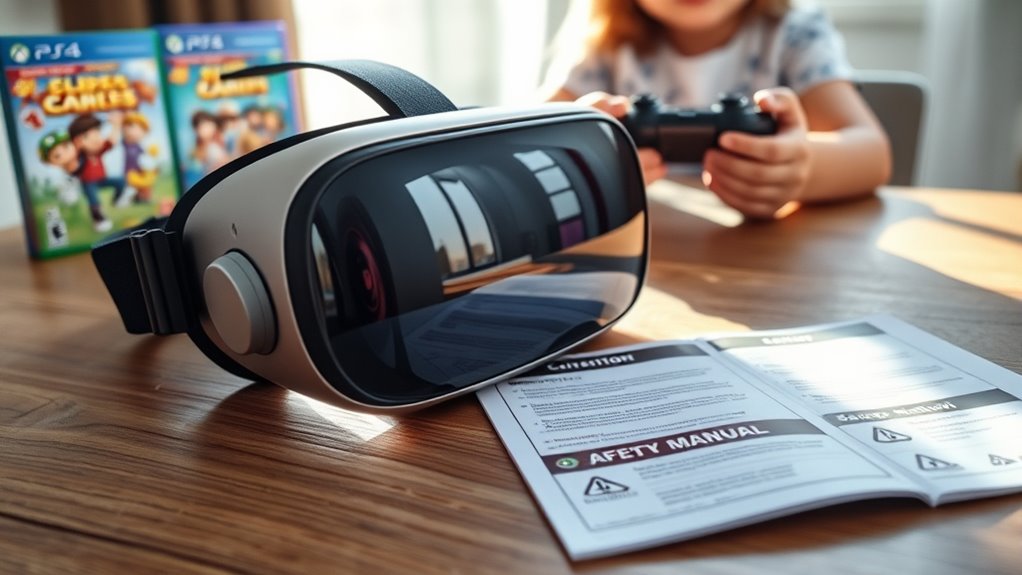

To determine if VR headsets are safe for your 8-year-old, check age guidelines from manufacturers, which often recommend a minimum age of 12. Evaluate the content for appropriateness, weighing ratings and family values. Be aware of physical risks like eye strain and discomfort, and monitor their reactions during use. Set time limits and encourage breaks to promote a healthy balance. There’s more to evaluate for a safe VR experience for kids.
Understanding the Age Guidelines for VR Use
How do you know if VR is suitable for your 8-year-old? First, consider the age recommendations from manufacturers and experts. Most VR headsets suggest a minimum age of 12, primarily due to concerns about physical development. At 8, your child’s vision and coordination are still maturing, and prolonged VR use could strain their eyes or lead to disorientation. It’s vital to monitor how they react to virtual environments and guarantee they take regular breaks. Also, think about their ability to understand and follow safety guidelines while using VR. Keeping these factors in mind can help you make an informed decision about whether VR is a suitable choice for your child, balancing their freedom to explore with their developmental needs.
Evaluating Content Appropriateness
When contemplating VR for your 8-year-old, what kind of content will they be engaging with? It’s essential to evaluate the appropriateness of the content, as not all VR experiences are suitable for younger audiences. Check content ratings to verify they align with your family’s values and your child’s maturity level. Utilizing parental controls can help you filter out unsuitable content, giving you peace of mind.
Here are some types of content to reflect on:
- Educational games that promote learning
- Adventure experiences that encourage creativity
- Interactive storytelling that’s age-appropriate
- Non-violent simulations or activities
- Family-friendly entertainment options
Assessing Physical Health Risks
While evaluating content appropriateness is essential, it’s equally important to contemplate the physical health risks associated with VR for your child. VR headsets can lead to physical discomfort, especially if worn for extended periods. Kids might experience headaches, nausea, or eye strain due to the immersive nature of the technology.
Here’s a quick overview of potential physical health risks:
| Health Concern | Description |
|---|---|
| Physical Discomfort | Headaches or nausea from prolonged use |
| Vision Concerns | Eye strain and blurry vision |
Be certain to monitor your child’s reactions while using VR. If they show signs of discomfort or vision concerns, consider limiting usage or taking breaks. Prioritizing their health will guarantee a safer VR experience.
Monitoring Screen Time and Usage Limits
As kids immerse themselves in virtual reality, it’s essential to keep an eye on their screen time and establish usage limits to guarantee a balanced experience. Setting boundaries is vital for their health and well-being; following health recommendations can help you manage their VR time effectively. Here are some tips to contemplate:
- Create a daily VR time limit (e.g., 30 minutes)
- Schedule regular breaks to prevent fatigue
- Encourage outdoor play to balance screen time
- Monitor the content they’re engaging with
- Discuss their experiences to foster communication
Choosing Age-Appropriate VR Headsets and Experiences
How can you guarantee that the VR headset your child is using is suitable for their age? Start by checking the manufacturer’s age recommendations. Some headsets are specifically designed for younger users, offering features that prioritize safety and comfort. Look for immersive experiences that are both engaging and educational, fostering interactive learning without overwhelming your child.
Explore content that promotes creativity and critical thinking, ensuring it aligns with your child’s interests and developmental stage. Always read reviews and consult resources to find age-appropriate games and applications. By selecting the right headset and experiences, you can empower your child to explore new worlds safely while enjoying the freedom that VR technology offers.
Frequently Asked Questions
Can VR Cause Long-Term Vision Problems in Children?
VR can lead to eye strain and potential developmental concerns in children. While research is ongoing, it’s essential to monitor usage, guarantee breaks, and consult eye care professionals if you notice any issues with their vision.
Are There Any Specific VR Brands Recommended for Kids?
When diving into the world of VR, consider kid-friendly brands like Oculus Quest and PlayStation VR. They offer age-appropriate content, ensuring your child’s immersive adventures are both safe and enjoyable.
How Can VR Affect a Child’s Emotional Well-Being?
VR can impact your child’s emotional development by enhancing social interaction, but it might also lead to isolation or mixed feelings. Balancing VR use with real-world connections is essential for healthy emotional growth.
What Should I Do if My Child Feels Dizzy After Using VR?
If your child feels dizzy after using VR, encourage them to take a break, hydrate, and rest. Consider dizziness remedies like ginger tea. Also, practice gaming moderation to prevent future discomfort during VR sessions.
Is Parental Supervision Necessary During VR Usage?
Think of VR as an ocean; parental supervision is your lifeguard. It guarantees safety, helping to follow parental guidelines and maximize supervision benefits. You’ll feel more secure knowing your child’s exploring responsibly and healthily.
