


It’s generally not advisable to put your TV in the dumpster due to environmental concerns and local regulations. Instead, you can explore several responsible disposal methods that ensure safe recycling or donation. Many municipalities have specific guidelines for electronic waste, aiming to reduce the environmental impact and promote recycling. In this article, we’ll delve into the reasons behind these guidelines and provide alternative options for disposing of your television.
Understanding Electronic Waste Regulations
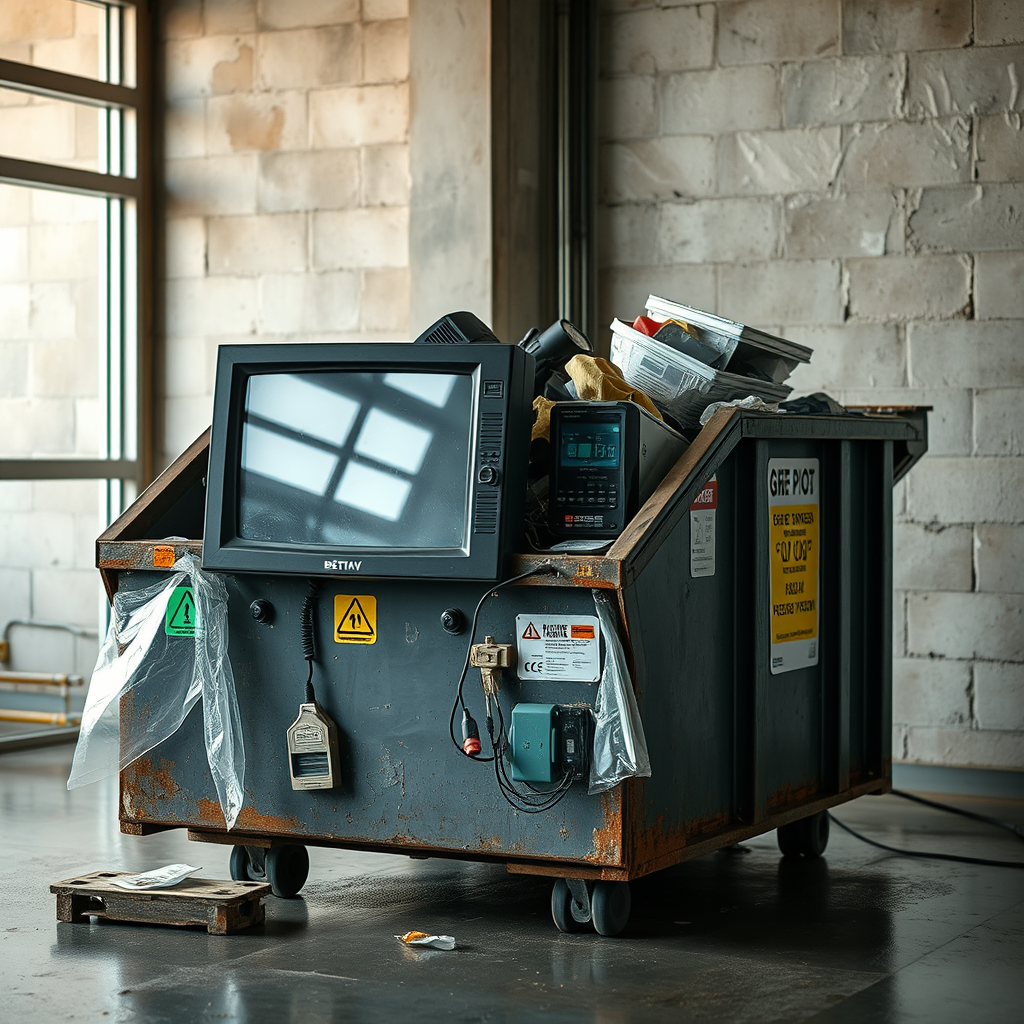
Many municipalities have laws prohibiting the disposal of electronics in regular dumpsters. This is primarily due to the hazardous components found in televisions, which can pose serious risks to the environment if not disposed of properly. For instance, older CRT (cathode ray tube) televisions contain lead, phosphors, and other toxic substances that can leach into the soil and water supply if they end up in a landfill. Additionally, improper disposal can lead to hefty fines for residents who do not comply with local regulations.
In many areas, electronic waste or e-waste collection events are organized to help residents dispose of their electronics safely. Understanding these regulations not only helps to protect the environment but also assists in staying within the legal frameworks set by local authorities. It is crucial to stay informed about your area’s specific regulations regarding e-waste disposal.
Recycling Your Old TV
Recycling is one of the most responsible ways to dispose of your old television. Look for local e-waste recycling centers that accept televisions. Many of these centers are equipped to deconstruct and recycle the various components of the TV, ensuring that materials such as metals, glass, and plastics are reused rather than discarded.
Some retailers also offer take-back programs when you purchase a new TV. Major electronics retailers like Best Buy and Target often have designated drop-off areas where customers can leave their old electronics for recycling. This not only provides a convenient solution for disposal but also promotes a cycle of sustainability, allowing the materials to be repurposed for new products.
Donating Your TV
Another responsible option for disposing of your television is to donate it. Many local charities, schools, or community centers may need a working TV for educational purposes or community programs. Before donating, ensure that the TV is in working condition and meets the recipient’s needs.
Consider reaching out to local non-profit organizations or community groups that may benefit from your donation. Websites like Freecycle and Facebook Marketplace can also be effective platforms for connecting with individuals who might be in need of a television but cannot afford one. Donating not only extends the life of the television but also supports your community by providing access to technology.
Top 7 TV Donation and Recycling Programs (2024)
| # | Organization | Donation Type | Location | Accepted Items |
|---|---|---|---|---|
| 1 | Goodwill | Electronics | Nationwide | TVs, Computers, Monitors |
| 2 | The Salvation Army | Electronics | Nationwide | TVs, Appliances, Furniture |
| 3 | Habitat for Humanity | Building Supplies | Local ReStores | TVs, Appliances |
| 4 | Local Schools | Educational | Varies | Working TVs |
| 5 | Facebook Marketplace | Individual Sales | Local | Used TVs |
| 6 | Freecycle | Free Donations | Local | Working Electronics |
| 7 | Local Recycling Centers | E-Waste | Varies | All Electronics |
Alternatives to Dumping
If you are unable to donate or recycle your television, you can explore other disposal options. Some municipalities offer curbside bulk waste pickup, where allowed, making it convenient for residents to dispose of large items like TVs. This service typically has specific schedules, so check with your local waste management service for details.
Additionally, community events dedicated to electronic waste recycling may be organized periodically. These events provide a great opportunity for residents to safely dispose of their electronics while also educating the public on the importance of responsible disposal. Keep an eye on local community boards or social media channels for announcements about these events.
Preparing Your TV for Disposal
Before taking your TV to a recycling center or donation facility, it’s essential to prepare it properly. If applicable, safely remove any sensitive data or personal information, especially if your TV has smart capabilities. While most TVs don’t store personal data like computers, it’s always better to err on the side of caution.
Also, ensure that the TV is packaged correctly to avoid any damage during transport. Use blankets or bubble wrap to protect the screen, and secure it in a vehicle to prevent it from shifting during transit. Taking these precautions will help ensure a smooth disposal process.
Safety Considerations
When handling your television, safety should always be a priority. TVs, especially older models, can be heavy and bulky, making them difficult to move. Be sure to handle the TV with care to prevent injury from broken glass or sharp edges.
Wearing gloves and proper safety gear when moving heavy electronics is advisable. If the TV is particularly heavy, consider asking a friend for assistance or using a dolly to transport it safely. Taking the time to prioritize safety will help prevent accidents and injuries during the disposal process.
Finding Local Resources
Finding the right resources for TV disposal can make the process much easier. Use online tools to locate nearby recycling facilities or donation centers. Websites like Earth911 allow you to enter your zip code and find e-waste recycling options in your area.
Additionally, contacting local waste management services can provide clarity on proper disposal methods. Many municipalities have dedicated departments that can offer guidance on the best practices for disposing of electronic waste.
When it comes to disposing of your TV, it’s crucial to follow local laws and prioritize environmentally safe practices. By recycling or donating, you not only comply with regulations but also contribute to reducing electronic waste. Take the time to explore your options and choose a responsible method for your old television.
Frequently Asked Questions
Can I legally put a TV in a dumpster?
Legally, you typically cannot put a TV in a dumpster due to regulations surrounding electronic waste. Most municipalities have specific laws that require e-waste, including televisions, to be disposed of properly at designated recycling centers. Always check local regulations to avoid fines and ensure environmentally responsible disposal.
How should I dispose of an old TV if I can’t put it in a dumpster?
If you can’t put your old TV in a dumpster, consider options like taking it to a local e-waste recycling facility or participating in community e-waste collection events. Many retailers also offer take-back programs for old electronics, allowing you to dispose of your TV safely and sustainably.
Why can’t I throw my TV in the trash?
Throwing a TV in the trash is discouraged because it contains hazardous materials, such as lead and mercury, which can be harmful to the environment. Additionally, many landfills have regulations prohibiting the disposal of electronic waste to prevent pollution. Proper recycling helps ensure that these materials are handled safely.
What is the best way to recycle a broken television?
The best way to recycle a broken television is to locate a certified e-waste recycling center in your area. They will ensure that the TV is dismantled and processed in an environmentally friendly manner. Some manufacturers also provide take-back programs, which can simplify the recycling process.
Which types of TVs can I recycle and where can I take them?
Most types of TVs, including CRTs, LCDs, and plasma screens, can be recycled at specialized e-waste facilities. You can find local recycling options through your city’s waste management website or by searching for certified e-waste recyclers in your area. Always confirm what types are accepted to ensure proper disposal.
References
- Electronics Donation and Recycling | US EPA
https://www.epa.gov/recycle/electronics-donation-and-recycling - https://www.nj.gov/dep/dshw/recycling/faq.htm
https://www.nj.gov/dep/dshw/recycling/faq.htm - Home | City of Los Angeles
https://www.lacity.org/ - https://www.sccgov.org/sites/ewaste/Pages/home.aspx
https://www.sccgov.org/sites/ewaste/Pages/home.aspx - https://www.bbc.com/news/magazine-19938457
https://www.bbc.com/news/magazine-19938457 - Electronic waste (e-waste)
https://www.who.int/news-room/fact-sheets/detail/e-waste - https://www.sciencedirect.com/topics/earth-and-planetary-sciences/e-waste
https://www.sciencedirect.com/topics/earth-and-planetary-sciences/e-waste - https://www.ncbi.nlm.nih.gov/pmc/articles/PMC7827760/
https://www.ncbi.nlm.nih.gov/pmc/articles/PMC7827760/ - Google Scholar Google Scholar
https://scholar.google.com/scholar?q=can+i+put+tv+in+dumpster - Google Scholar Google Scholar
https://scholar.google.com/scholar?q=e-waste+disposal+guidelines
