
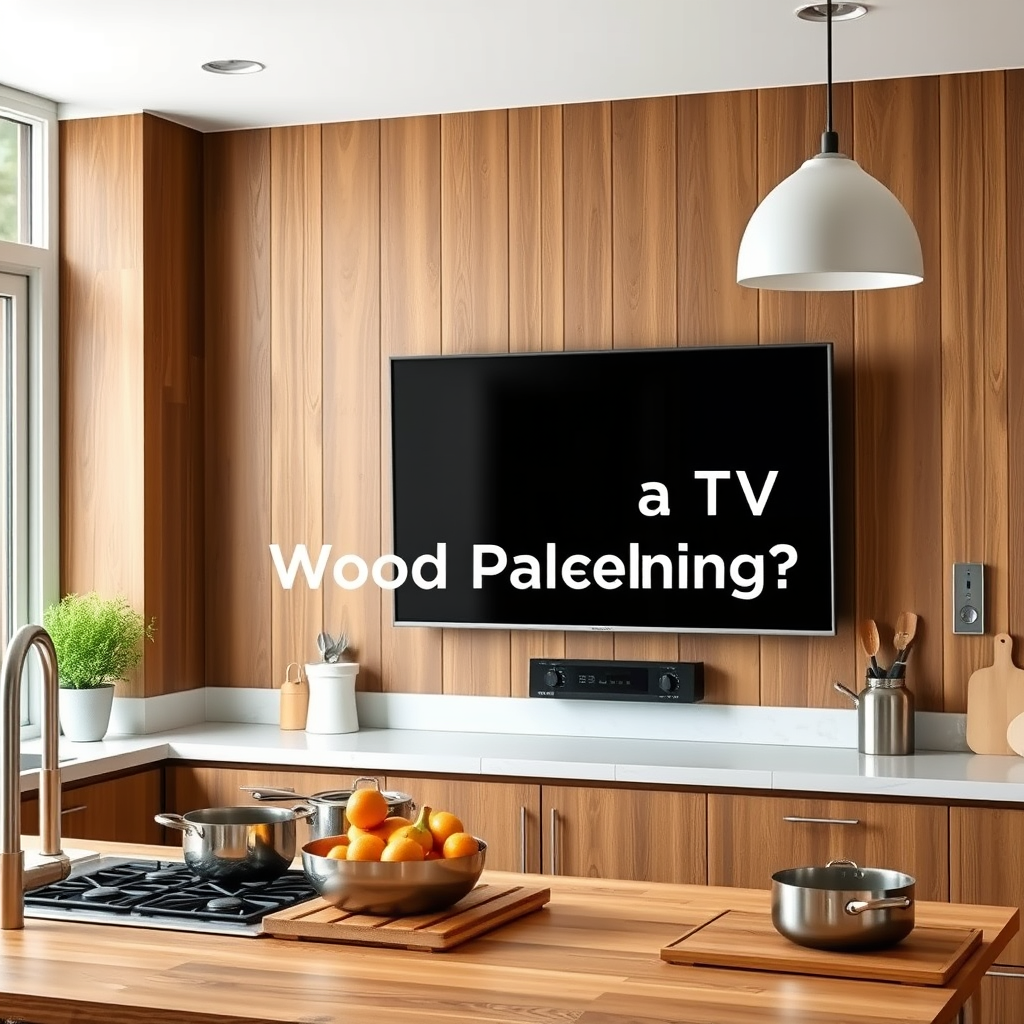

Understanding Wood Paneling
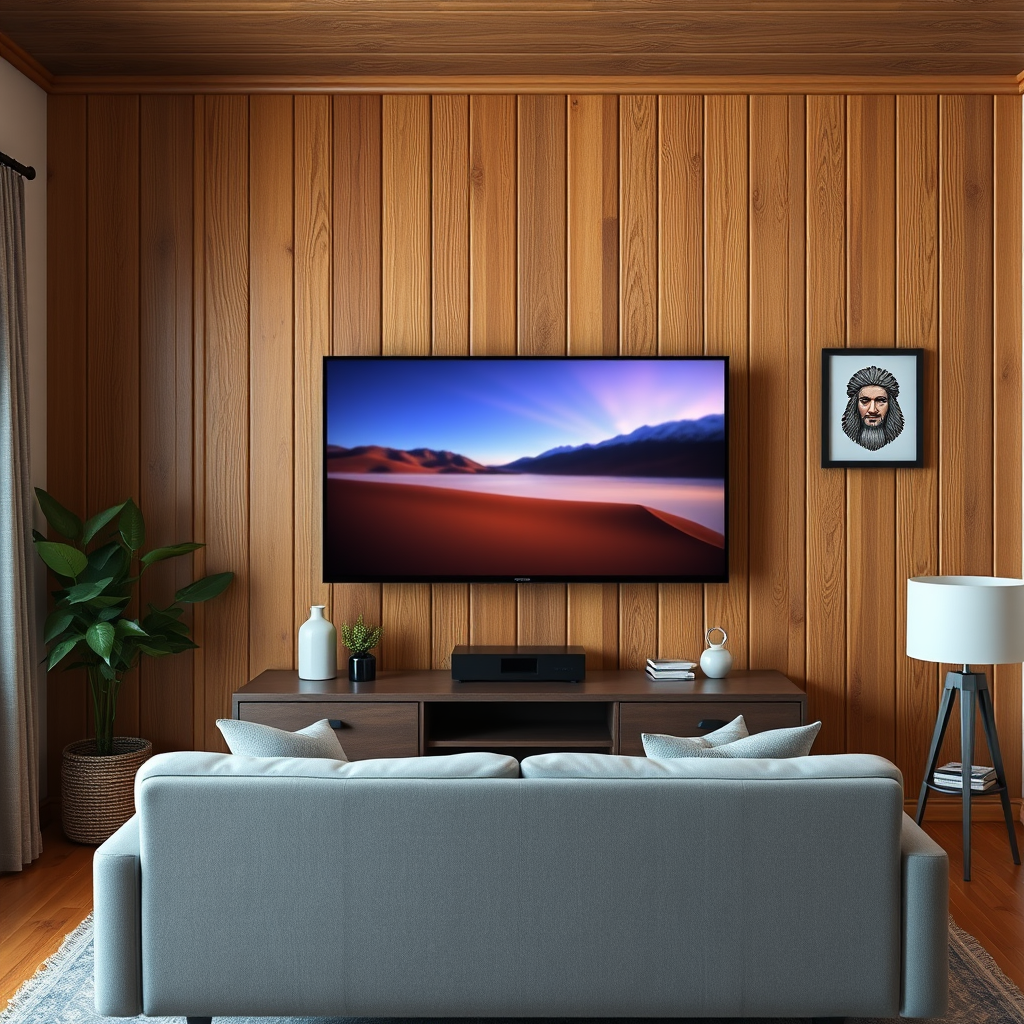
Wood paneling can vary widely in thickness, material, and construction, which will affect your mounting options. Common types of wood paneling include plywood, MDF (medium-density fiberboard), and solid wood, each presenting unique challenges and benefits. Plywood paneling, for instance, is generally sturdier and can accommodate heavier TV mounts, while MDF is lighter but may require additional support for larger TVs.
To determine the best mounting hardware, assess the thickness of the paneling and the underlying structure. A stud finder can help locate the wooden studs behind the paneling, which are crucial for securing your TV mount. If you cannot find studs or if the paneling is too thin, you may need to consider toggles or specialized anchors designed for heavier loads. Understanding these nuances will help ensure the safety and durability of your installation.
Tools and Materials Needed
Before you begin, gather the essential tools and materials for the job. Here’s a list to get you started:
– Stud Finder: Essential for locating the wooden studs behind the paneling.
– Level: To ensure your TV mount is straight during installation.
– Drill: Necessary for creating holes for your mounting hardware.
– Screwdriver: Used for securing screws and bolts.
– Wall Anchors: If you’re unable to mount directly into studs, wall anchors or toggle bolts will provide necessary support.
– TV Mount: Ensure you select a mount compatible with your TV’s size and weight specifications.
Additionally, consider purchasing a cable management system to keep wires organized and hidden from view. A clean look not only enhances aesthetics but also minimizes the risk of tripping hazards.
Finding the Right Location
Choosing the right location for your TV is crucial for an optimal viewing experience. Here are some factors to consider:
– Viewing Height: Ideally, the center of the TV screen should be at eye level when you’re seated. This typically means mounting the TV 42 to 60 inches off the ground, depending on your seating arrangement.
– Distance from Seating: The distance between your seating area and the TV should be approximately 1.5 to 2.5 times the diagonal size of the screen.
– Electrical Outlets: Ensure that there are accessible electrical outlets nearby to power the TV. Planning for these outlets can prevent unsightly extension cords running across the floor.
– Cable Management Options: Think about how you’ll route cables for the TV, including HDMI and power cables. This will influence where you place the TV and may require additional materials for hiding wires.
📋 MANDATORY DATA TABLE
Types of Wall Mounts for TVs
| # | Mount Type | Weight Capacity | Best For | Price Range |
|---|---|---|---|---|
| 1 | Fixed Mount | Up to 150 lbs | Small to Medium TVs | $30-$80 |
| 2 | Tilting Mount | Up to 120 lbs | Medium to Large TVs | $50-$150 |
| 3 | Full-Motion Mount | Up to 200 lbs | Large TVs | $75-$300 |
| 4 | Ceiling Mount | Up to 100 lbs | Unique Spaces | $100-$400 |
| 5 | Corner Mount | Up to 75 lbs | Small Rooms | $40-$100 |
| 6 | Articulating Mount | Up to 150 lbs | Flexibility in Viewing | $80-$200 |
| 7 | Universal Mount | Up to 100 lbs | Versatile Use | $30-$120 |
Mounting Process
Once you’ve identified the location and gathered your tools, it’s time to start the mounting process. Begin by using a stud finder to locate the wooden studs behind the paneling, as these will provide the most secure anchoring points for your TV mount. Mark the stud locations with a pencil to ensure accuracy.
Next, use a level to mark where the mount will go, ensuring it is perfectly horizontal. If you are mounting the TV directly into the studs, drill pilot holes using a drill bit slightly smaller than your screws to prevent splitting the wood. Secure the mount according to the manufacturer’s instructions, ensuring all screws are tightly fastened.
In cases where you cannot find studs or if the paneling is too thin, consider using toggle bolts or heavy-duty wall anchors. These will distribute the weight across a larger area, providing the necessary support for your TV. Always double-check the mount’s stability before attaching the TV.
Tips for a Secure Mount
To ensure a secure mount, follow these best practices:
– Use Quality Hardware: Invest in high-quality mounting hardware that is rated for the weight of your TV.
– Check Weight Limits: Always confirm that the mount and the paneling can support the weight of your TV. Exceeding weight limits can lead to catastrophic failures.
– Regular Inspections: Periodically check the mount and cables for signs of wear or loosening to prevent accidents.
– Avoid Heavy Impacts: Try to minimize heavy impacts near the mounted TV, as vibrations can loosen mounts over time.
By following these tips, you can significantly enhance the security of your TV mount and prolong the life of your installation.
Dealing with Cables and Accessories
Cable management can often be overlooked but is essential for a clean and organized setup. Here are some strategies to manage cables effectively:
– Cable Covers: Use adhesive cable covers that can be painted to match your wall, making them less noticeable.
– In-Wall Cabling: If you’re up for a more involved project, consider running cables behind your paneling for a completely clean look. This option may require cutting into the paneling, so proceed with caution.
– Cable Ties: Use cable ties or Velcro straps to bundle cables together, preventing them from tangling and reducing visual clutter.
Planning ahead for cable management will not only improve the aesthetics of your space but also enhance functionality by making it easier to access ports and connections.
Safety Considerations
Safety should always be a priority when mounting a TV. Here are some key considerations:
– Weight Limits: Verify the weight limit of both the mount and the paneling before installation. Exceeding these limits can lead to serious accidents.
– Secure Fastening: Ensure all screws and bolts are tightened properly. Loose hardware can result in the TV falling.
– Regular Maintenance: Periodically inspect the installation, checking for any signs of wear or loosening, and address any issues immediately.
If you’re unsure about any part of the process, don’t hesitate to consult a professional. It’s essential to ensure that your installation is not only visually pleasing but also safe and secure.
Properly mounting a TV on wood paneling can enhance your space while providing a great viewing experience. Always follow best practices for installation and ensure safety for your home. If you need assistance, consider consulting a professional for help. By taking the time to carefully plan and execute your installation, you can enjoy your TV in style and comfort for years to come.
Frequently Asked Questions
Can you mount a TV on wood paneling without damaging it?
Yes, you can mount a TV on wood paneling without causing damage by using appropriate hardware. It’s essential to find the studs behind the paneling for secure mounting, as this ensures the weight is distributed evenly. Using a stud finder can help you locate these studs, and you should opt for lag bolts for the best support.
What tools do I need to mount a TV on wood paneling?
To mount a TV on wood paneling, you’ll need a stud finder, a drill, a level, a socket or wrench for tightening bolts, and a screwdriver. Additionally, a tape measure can help you position the TV at the desired height. Having these tools on hand will make the installation process smoother and more efficient.
How do I ensure my TV is level when mounted on wood paneling?
To ensure your TV is level when mounting on wood paneling, start by using a level tool after you have attached the mounting bracket to the wall. Adjust the bracket as necessary before securing it completely. Double-check the level once the TV is attached to confirm it’s perfectly aligned.
Why is it important to use wall anchors when mounting a TV on wood paneling?
Using wall anchors when mounting a TV on wood paneling is crucial because they provide additional support and stability, especially if you’re unable to locate a stud. This is particularly important for heavier TVs, as wall anchors help distribute the weight and prevent damage to the paneling or a potential fall.
What is the best way to hide wires when mounting a TV on wood paneling?
The best way to hide wires when mounting a TV on wood paneling is to use cable management systems, such as raceways or cord covers that blend with the paneling. You can also drill a small hole behind the TV to run the cables through the wall, giving a cleaner look. This not only improves aesthetics but also reduces clutter and potential hazards.
References
- https://www.britannica.com/technology/TV
https://www.britannica.com/technology/TV - https://www.nytimes.com/2021/01/15/technology/home-theater.html
https://www.nytimes.com/2021/01/15/technology/home-theater.html - https://www.sciencedirect.com/science/article/pii/S2351978921000765
https://www.sciencedirect.com/science/article/pii/S2351978921000765 - arthur’s Ideas – an Ideabook by arthur perkins
https://www.houzz.com/magazine/how-to-mount-a-tv-on-a-wall-or-paneling-stsetivw-vs~140579130 - https://www.reuters.com/article/us-tech-mounting-televisions/how-to-mount-a-tv-on-wood-paneling-idUSKCN1VV1H6
https://www.reuters.com/article/us-tech-mounting-televisions/how-to-mount-a-tv-on-wood-paneling-idUSKCN1VV1H6 - Google Scholar Google Scholar
https://scholar.google.com/scholar?q=mount+tv+on+wood+paneling - Google Scholar Google Scholar
https://scholar.google.com/scholar?q=mount+tv+wall+paneling+installation - Google Scholar Google Scholar
https://scholar.google.com/scholar?q=mounting+tv+on+wood+panel - https://www.cdc.gov/homeandrecreationalsafety/falls/adultfalls.html
https://www.cdc.gov/homeandrecreationalsafety/falls/adultfalls.html - Google Scholar Google Scholar
https://scholar.google.com/scholar?q=can+you+mount+a+tv+on+wood+paneling

[…] object-to-container movement.” ISTA “USPS accepts most mailable parcels only within defined weight limits and requires proper packaging; exceeding limits or using improper packaging increases risk of […]
[…] a ripped anchor or a dangerous fall, including what to look for in studs, proper hardware, and safe weight limits. If you don’t hit studs or use the right rated mounting method, the drywall alone isn’t a safe […]