
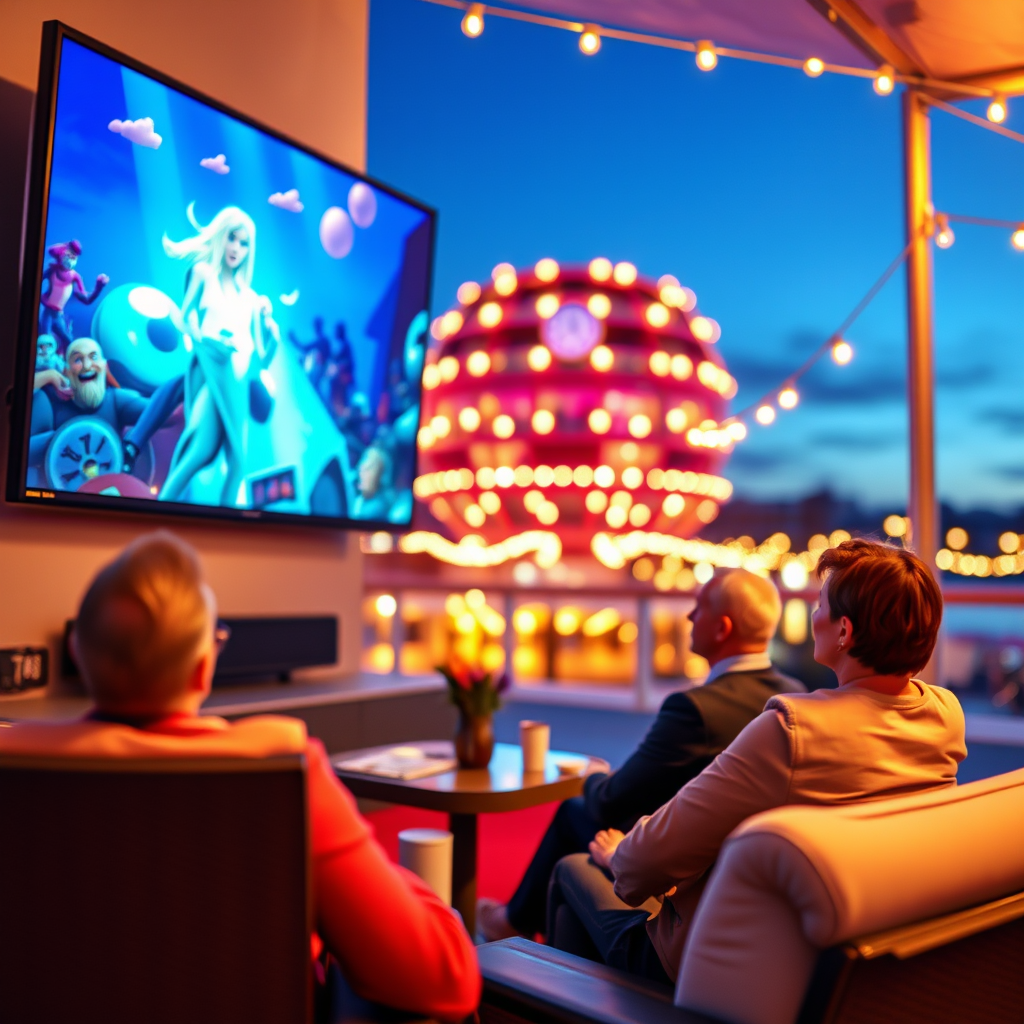

Placing a regular TV outside is generally not recommended due to the risks of weather damage, reduced visibility in sunlight, and potential safety hazards. However, if you’re considering this option, understanding the precautions and alternatives is essential. Outdoor entertainment can be enjoyable, but it’s crucial to ensure that your equipment can withstand the environmental challenges it may face. This article will explore the factors to consider, potential solutions, and tips for outdoor viewing.
Risks of Using a Regular TV Outdoors
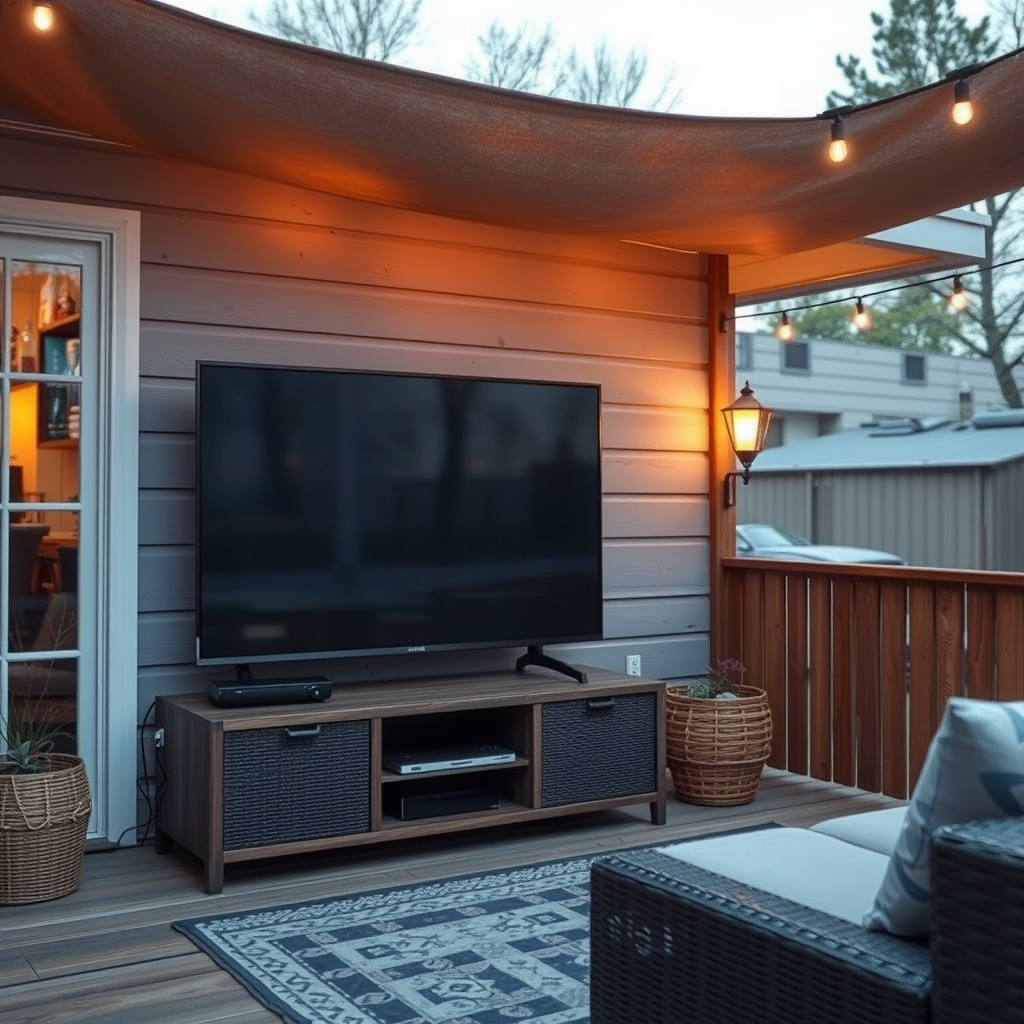
Using a regular TV outdoors poses several risks that can lead to costly repairs or replacements. First and foremost, televisions are not designed for extreme temperatures or moisture. Rain, snow, and humidity can infiltrate electronic components, resulting in malfunctions or permanent damage. Additionally, the exposure to direct sunlight can cause glare, significantly reducing screen visibility and making it difficult to watch content comfortably.
Moreover, the risk of theft or vandalism increases when a TV is left outside. Even if you secure it with locks or cables, opportunistic thieves may still find ways to steal or damage outdoor equipment. Therefore, it is crucial to assess these risks carefully before deciding to use a regular TV outdoors.
Weather Considerations
When considering placing a TV outside, weather conditions are a primary concern. Rain and snow can lead to significant damage, corroding internal components and creating electrical hazards. Humidity can also affect the performance of a TV, potentially leading to short circuits. Wind can blow debris onto the screen, causing scratches or breaks, and even knocking the TV over if it is not secured properly.
To mitigate these risks, it is essential to provide shelter for any outdoor television setup. This could be as simple as using a gazebo or awning to shield the TV from the elements, or investing in a high-quality weatherproof enclosure designed specifically for outdoor electronics. Such protective measures can greatly extend the life of your television when used in an outdoor environment.
Alternatives to Regular TVs
For those keen on outdoor viewing, several alternatives to regular TVs can provide a better experience. Outdoor televisions are specifically designed to withstand harsh weather conditions, featuring enhanced durability, improved brightness for visibility in sunlight, and protection against moisture. Brands such as SunBriteTV and Séura offer various models tailored for outdoor use.
Another viable option is to use weatherproof TV enclosures, which can protect a regular TV from the elements. These enclosures allow you to use your existing TV while safeguarding it against rain, humidity, and temperature fluctuations.
Additionally, consider using projectors as a versatile outdoor viewing solution. Modern projectors can display high-quality images on a screen or even on a blank wall, providing a cinematic experience without the need for a traditional TV. They often work well in shaded areas and can be easily stored away when not in use.
Comparison of Outdoor TV Options (2024)
| # | Option | Brightness (nits) | Weatherproof Rating | Price Range |
|---|---|---|---|---|
| 1 | SunBriteTV | 700 | IP55 | $2,000 – $5,000 |
| 2 | Séura | 800 | IP66 | $3,000 – $6,000 |
| 3 | Weatherproof Enclosure | N/A | N/A | $200 – $1,000 |
| 4 | Projector | 3000 | N/A | $500 – $2,500 |
Setting Up an Outdoor Viewing Area
Creating an outdoor viewing area involves careful planning to ensure comfort and enjoyment. First, it is essential to choose a shaded location to improve visibility and reduce glare from the sun. This could be under a large tree, a pergola, or an awning.
Next, ensure you have a stable power source for your TV or projector, and consider using extension cords rated for outdoor use. This will help prevent electrical hazards and ensure that your devices function safely.
Seating arrangements are also crucial for an enjoyable experience. Comfortable seating options, such as outdoor sofas, lounge chairs, or bean bags, can enhance the overall viewing experience. Additionally, consider sound options, such as wireless speakers or outdoor sound systems, to complement your visuals and create an immersive atmosphere.
Maintenance Tips for Outdoor TVs
Maintaining an outdoor TV requires diligence to ensure longevity and optimal performance. Regularly clean the screen to remove dust and debris, which can affect picture quality. If your TV is in a protective enclosure, additional care may be needed to clean the enclosure itself.
It is advisable to store the TV indoors during harsh weather conditions or when not in use for extended periods. This practice can significantly reduce the risk of damage from environmental factors.
Furthermore, check connections and cables frequently to ensure safety and functionality. Inspect for fraying wires or corrosion, especially if the equipment has been exposed to moisture.
Safety Considerations
Safety is paramount when setting up an outdoor viewing area. Ensure that all outdoor wiring is safe and compliant with local electrical codes. This will help prevent potential electrical hazards and ensure that your setup is safe for family and friends.
Using surge protectors is another essential step to prevent damage from electrical surges. This can be particularly important during thunderstorms or when using multiple devices outdoors.
Finally, consider securing the TV against theft or vandalism. This could include using lockable brackets or installing the TV in a location that is less visible to passersby.
In summary, while placing a regular TV outside is not advisable due to the various risks involved, understanding the alternatives and safety measures can help you create an enjoyable outdoor viewing experience. Investing in outdoor-specific televisions or protective enclosures, ensuring proper maintenance, and setting up a safe viewing area can significantly enhance your outdoor entertainment options. Assess your outdoor viewing needs and consider suitable options for the best experience.
Frequently Asked Questions
Can you put a regular TV outside?
While it’s technically possible to put a regular TV outside, it’s not advisable due to its vulnerability to weather conditions such as moisture, extreme temperatures, and sunlight. Regular TVs lack the necessary weatherproofing and durability that outdoor TVs possess, which could lead to damage and reduced lifespan.
What type of TV is best for outdoor use?
The best type of TV for outdoor use is a weatherproof or outdoor-rated TV, designed to withstand various environmental factors. Outdoor TVs feature brighter screens for better visibility in daylight and are built with protective enclosures that guard against moisture and temperature changes.
How can I protect my regular TV if I must use it outside?
If you must use a regular TV outside, protect it by placing it in a shaded area and using a weather-resistant cover when not in use. Additionally, consider elevating the TV off the ground to avoid moisture and ensure proper ventilation to prevent overheating.
Why is it important to use an outdoor-rated TV instead of a regular one?
Using an outdoor-rated TV is crucial because it is specifically designed to handle the rigors of outdoor conditions, such as UV exposure and humidity. Regular TVs can suffer from moisture damage, screen glare, and overheating, leading to costly repairs or replacements.
Which features should I look for in an outdoor TV?
When selecting an outdoor TV, look for features such as high brightness levels for clear viewing in sunlight, a weather-resistant design, and anti-glare technology. Additionally, consider options with built-in speakers or compatibility with external sound systems to enhance your viewing experience outdoors.
References
- https://www.bbc.com/future/article/20210614-how-to-watch-tv-outside
https://www.bbc.com/future/article/20210614-how-to-watch-tv-outside - https://www.nytimes.com/2020/09/08/technology/outdoor-tv.html
https://www.nytimes.com/2020/09/08/technology/outdoor-tv.html - https://www.sciencedirect.com/topics/engineering/outdoor-tv
https://www.sciencedirect.com/topics/engineering/outdoor-tv - https://www.mayoclinic.org/healthy-lifestyle/home-and-garden/in-depth/creating-an-outdoor-living-space/art-20320345
https://www.mayoclinic.org/healthy-lifestyle/home-and-garden/in-depth/creating-an-outdoor-living-space/art-20320345 - https://www.reuters.com/article/us-tech-outdoor-tvs-idUSKCN1VD0K5
https://www.reuters.com/article/us-tech-outdoor-tvs-idUSKCN1VD0K5 - Google Scholar Google Scholar
https://scholar.google.com/scholar?q=can+you+put+a+regular+tv+outside - Google Scholar Google Scholar
https://scholar.google.com/scholar?q=outdoor+television+guidelines - Google Scholar Google Scholar
https://scholar.google.com/scholar?q=weatherproof+television+usage - https://www.britannica.com/technology/television
https://www.britannica.com/technology/television - can you put a regular tv outside – Search results
https://en.wikipedia.org/wiki/Special:Search?search=can+you+put+a+regular+tv+outside
