


Most TV boxes can be laid flat, but there are important factors to consider, such as airflow, heat dissipation, and potential damage to components. Laying your TV box flat may seem convenient, but it can lead to performance issues if not done correctly. This article will explore the implications of laying your TV box flat, including recommendations for optimal placement to ensure your device operates efficiently and lasts longer.
Understanding TV Box Design
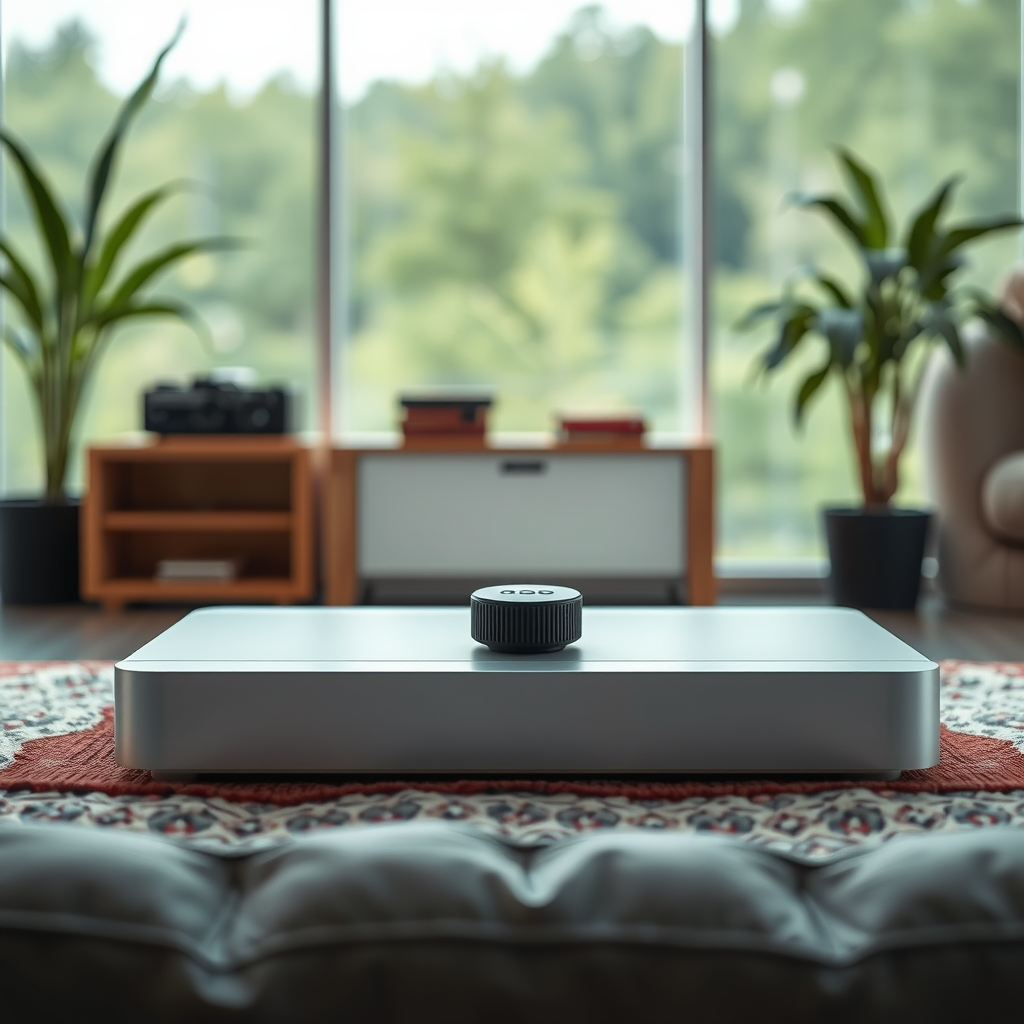
TV boxes are engineered with specific designs that account for ventilation and cooling. The majority of models are built to operate standing upright, where the orientation allows for optimal airflow through the vents. This airflow is crucial because it helps dissipate heat generated by the internal components, ensuring the device functions correctly without overheating.
When a TV box is laid flat, its ventilation may be restricted. This restriction can lead to heat buildup, which not only affects performance but could also shorten the lifespan of the device. Moreover, certain components are designed to be positioned in a particular orientation to function effectively; laying them flat can disrupt their operation.
Potential Risks of Laying a TV Box Flat
Laying a TV box flat introduces several risks that users should be aware of:
– Heat Buildup: Without adequate airflow, heat can accumulate within the box. Overheating can cause the device to throttle its performance or, in severe cases, lead to hardware failure.
– Component Damage: The internal components, such as hard drives and circuit boards, may be more vulnerable to damage when the device is positioned incorrectly. Components that are sensitive to orientation may malfunction if not placed as intended by the manufacturer.
– Reduced Performance: Inadequate cooling can cause the TV box to lag, freeze, or crash, leading to a frustrating user experience.
Understanding these risks is essential for maintaining the performance and longevity of your TV box.
Recommended Placement for Optimal Performance
To ensure that your TV box operates at its best, consider the following placement recommendations:
– Follow Manufacturer Guidelines: Always refer to the manufacturer’s instructions regarding placement and orientation. These guidelines are designed to optimize performance and prevent overheating.
– Use Proper Stands or Shelves: Opt for a stand or shelf that allows for vertical positioning. This orientation promotes better airflow around the device, which is crucial for cooling.
– Maintain Space Around the Device: Ensure there is sufficient space around the TV box, at least a few inches on all sides, to allow for unobstructed airflow.
Incorporating these practices will help maximize the performance of your TV box and safeguard it against potential damage.
Top 7 Streaming Devices by Heat Generation (2024)
| # | Device | Max Temperature (°C) | Cooling Mechanism | Performance Rating |
|---|---|---|---|---|
| 1 | Roku Ultra | 75 | Passive | ★★★★☆ |
| 2 | Amazon Fire TV Stick | 70 | Passive | ★★★★☆ |
| 3 | Apple TV 4K | 80 | Active | ★★★☆☆ |
| 4 | NVIDIA Shield TV | 85 | Active | ★★★★★ |
| 5 | Chromecast Ultra | 78 | Passive | ★★★☆☆ |
| 6 | Mi Box S | 72 | Passive | ★★★★☆ |
| 7 | Raspberry Pi 4 | 77 | Active | ★★★★★ |
Alternatives to Laying Flat
If you are concerned about the potential drawbacks of laying your TV box flat, consider the following alternatives:
– Vertical Storage Solutions: Explore vertical racks or mounts that keep your TV box elevated and allow for proper airflow. This orientation not only aids cooling but can also enhance your entertainment setup’s aesthetic appeal.
– Cooling Pads: If laying flat is unavoidable, using a cooling pad designed for electronic devices can help dissipate heat. These pads often have built-in fans that improve airflow, reducing the chances of overheating.
– Consider Wall Mounts: Wall mounts can be a great solution for saving space and keeping your TV box safe from potential damage. They ensure that the device remains cool and accessible, allowing for easy cable management.
By exploring these alternatives, you can find solutions that maintain optimal performance while fitting your room’s layout.
User Experiences and Opinions
Gathering insights from users who have laid their TV boxes flat reveals a mixed bag of experiences. Some users report no significant issues with performance, while others have experienced overheating, especially during extended use.
Common misconceptions include the belief that the size and weight of the TV box can dictate its positioning. However, even lighter boxes can experience heat buildup if airflow is restricted. Additionally, many users underestimate the importance of following manufacturer guidelines, leading to unnecessary complications.
Engaging with user experiences can provide valuable insights into best practices for TV box storage and positioning. Sharing personal stories in forums or comment sections can help educate others on the risks and benefits associated with different placements.
Maintenance Tips for Your TV Box
To ensure that your TV box continues to perform at its best, consider the following maintenance tips:
– Regularly Clean Vents: Dust can accumulate in the ventilation areas, hindering airflow. Regularly checking and cleaning these areas can enhance cooling and prolong the device’s life.
– Organize Cables: Ensure that cables are neatly organized and do not obstruct ventilation openings. Using cable ties or clips can help maintain a tidy appearance and improve airflow.
– Monitor Temperature: Keep an eye on the device’s temperature during use. If you notice it getting excessively hot, consider repositioning it or implementing cooling solutions.
By maintaining your TV box effectively, you can ensure optimal performance and longevity.
In summary, while most TV boxes can technically be laid flat, doing so may lead to issues related to airflow and heat dissipation. It is crucial to understand the design of your device and follow manufacturer guidelines for optimal placement. Consider alternatives that promote better ventilation and keep your TV box functioning efficiently. We encourage readers to share their experiences or ask questions in the comments for further discussion.
Frequently Asked Questions
Can you lay a TV box flat without damaging it?
Laying a TV box flat is generally not recommended as it can lead to potential damage, especially if the box is holding a flat-screen TV. The weight distribution may cause stress on the components inside, leading to cracks or malfunctions. It’s best to keep the box upright to ensure the contents remain secure and undamaged during transport or storage.
How should I store a TV box if I need to lay it flat?
If you must lay a TV box flat, ensure that it is empty and that all components are securely packed in protective materials like bubble wrap. Additionally, place the box on a soft surface to prevent any pressure points from forming. However, storing it upright is still the safest option for preserving its integrity.
Why do TV manufacturers advise against laying the box flat?
TV manufacturers advise against laying the box flat because it can cause structural damage to the TV itself, especially if it’s a fragile LCD or OLED model. The internal components may shift or become misaligned, leading to performance issues. Keeping the box upright minimizes the risk of any internal damage during transport or storage.
What is the best way to transport a TV box if I can’t keep it upright?
The best way to transport a TV box if you can’t keep it upright is to secure the box in a way that minimizes movement. Use straps to hold it in place and ensure that it is cushioned with soft materials to absorb shocks. Additionally, avoid stacking other items on top of the box to prevent unnecessary pressure.
Which types of TV boxes can be laid flat without concern?
Generally, boxes for smaller, sturdier items like soundbars or certain accessories can be laid flat without much concern. However, for larger and more fragile items, such as flat-screen TVs, it’s crucial to keep them upright. Always refer to the manufacturer’s guidelines for specific recommendations regarding the storage and transport of your particular TV model.
References
- https://www.sciencedirect.com/topics/engineering/television
https://www.sciencedirect.com/topics/engineering/television - https://www.bbc.com/news/technology-58694290
https://www.bbc.com/news/technology-58694290 - https://www.theguardian.com/technology/2021/sep/29/what-happens-when-you-lay-a-tv-box-flat
https://www.theguardian.com/technology/2021/sep/29/what-happens-when-you-lay-a-tv-box-flat - https://www.nytimes.com/2020/02/19/technology/personaltech/how-to-choose-the-right-tv.html
https://www.nytimes.com/2020/02/19/technology/personaltech/how-to-choose-the-right-tv.html - https://pubmed.ncbi.nlm.nih.gov/33954673/
https://pubmed.ncbi.nlm.nih.gov/33954673/ - https://www.mayoclinic.org/healthy-lifestyle/adult-health/in-depth/how-to-choose-a-television/art-20046210
https://www.mayoclinic.org/healthy-lifestyle/adult-health/in-depth/how-to-choose-a-television/art-20046210 - Google Scholar Google Scholar
https://scholar.google.com/scholar?q=lay+tv+box+flat - https://scholar.google.com/scholar?q=television+box+placement+guidelines Google Scholar
https://scholar.google.com/scholar?q=television+box+placement+guidelines - Google Scholar Google Scholar
https://scholar.google.com/scholar?q=effects+of+laying+tv+box+flat - Google Scholar Google Scholar
https://scholar.google.com/scholar?q=can+you+lay+a+tv+box+flat
