
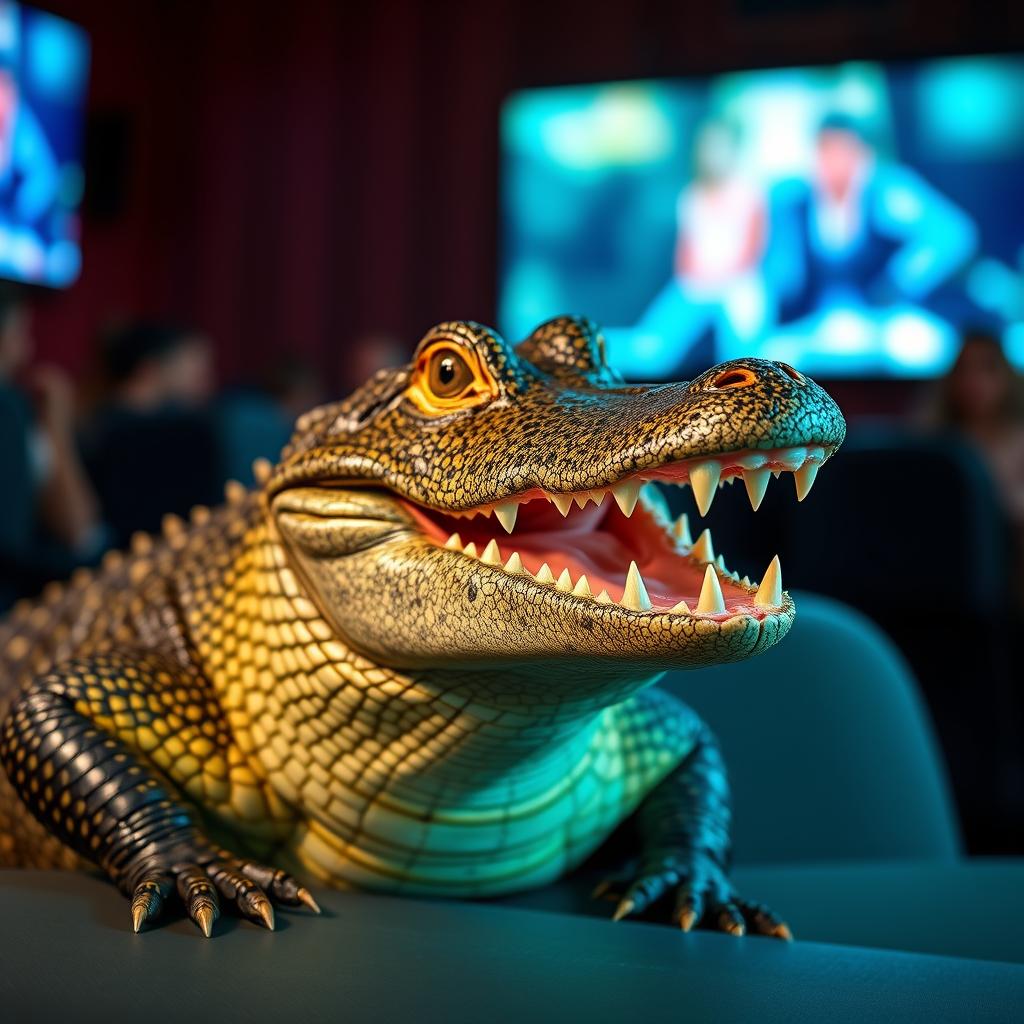

Yes, you can teach your alligator manners during TV time with the right techniques and consistent effort. While alligators are not conventional pets and come with their own set of challenges, they possess the ability to learn specific behaviors that can enhance the shared experience of watching your favorite shows. This article will provide effective strategies and insights to help you instill good manners in your alligator during viewing time, ensuring a harmonious environment for both you and your scaly companion.
Understanding Alligator Behavior
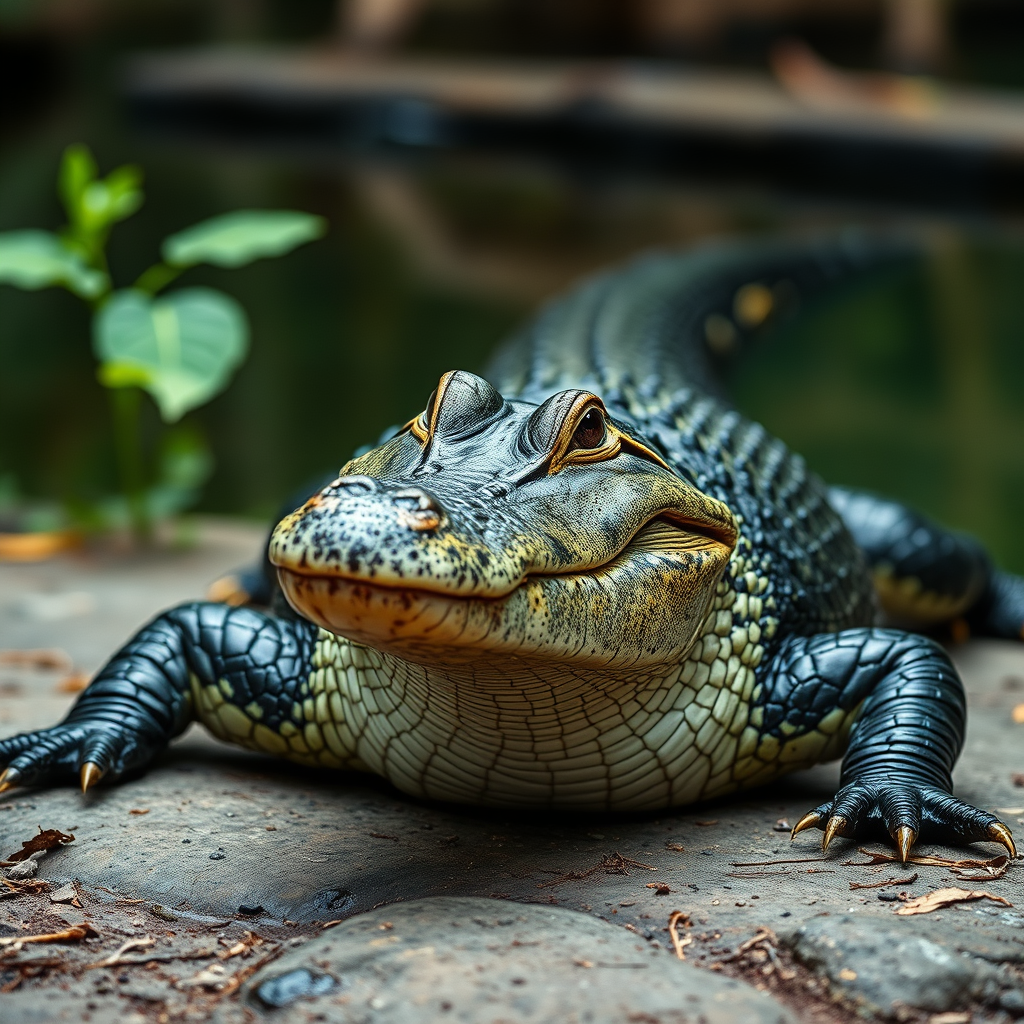
To successfully teach your alligator good manners, it is crucial to first understand their natural behaviors. Alligators are instinctual creatures, and their actions are often driven by innate survival instincts rather than learned behaviors. For example, they may exhibit territorial behavior or stress responses when they feel threatened or uncomfortable. Recognizing signs of stress, such as hissing, thrashing of the tail, or an open mouth, is essential for creating a comfortable viewing environment. By observing your alligator’s behavior, you can identify what triggers stress and take steps to mitigate these factors, ultimately leading to a more relaxed atmosphere during TV time.
Establishing a Calm Environment
Creating a conducive environment for your alligator during TV time is essential for their comfort and focus. Designate a specific viewing area that is quiet and free from distractions. Avoid loud noises, sudden movements, or other animals that could provoke anxiety. Additionally, consider utilizing calming scents, such as lavender or chamomile, which are known to have soothing effects on many animals, including reptiles. You can use a diffuser or simply place a few drops on a cotton ball near their area. This calming environment will help your alligator feel secure and more receptive to learning.
Positive Reinforcement Techniques
Positive reinforcement is a powerful tool in training any animal, including alligators. When your alligator exhibits desired behaviors during TV time—such as remaining calm, not disturbing you, or staying in their designated area—reward them with treats or verbal praise. This not only encourages the behavior but also helps build a bond of trust between you and your alligator. Consistency is key; reinforce good manners every time you engage in TV time. Over time, your alligator will associate the calm atmosphere and their good behavior with positive outcomes, making it more likely they will repeat those behaviors.
Top 7 Training Techniques for Alligators (2024)
| # | Technique | Effectiveness | Ease of Training | Recommended Frequency |
|---|---|---|---|---|
| 1 | Positive Reinforcement | High | Moderate | Daily |
| 2 | Hand Signals | Moderate | Easy | 3-4 times/week |
| 3 | Verbal Cues | High | Moderate | Daily |
| 4 | Calming Techniques | Moderate | Easy | Before each session |
| 5 | Interactive Play | High | Moderate | Daily |
| 6 | Routine Establishment | High | Easy | Daily |
| 7 | Socialization | Moderate | Challenging | Weekly |
Teaching Basic Manners
Once you have established a calm environment and are employing positive reinforcement techniques, it’s time to teach your alligator basic manners. Start with simple commands such as “sit” or “stay,” using hand signals and verbal cues. You can initiate this training by first rewarding your alligator when they respond correctly to these commands. Gradually introduce behaviors that are specific to TV time, such as remaining in their designated area and not interrupting your viewing experience. Remember, patience is vital; every alligator learns at its own pace, and consistency will help solidify these manners over time.
Managing Distractions
Distractions can significantly hinder your alligator’s ability to learn and remain calm during TV time. To manage distractions effectively, limit loud noises, sudden movements, or abrupt changes in the environment while you watch your shows. This creates a predictable atmosphere that helps your alligator feel secure. Additionally, consider introducing calming music or ambient sounds during your viewing time. Research suggests that specific frequencies of music can have a calming effect on reptiles, aiding in their relaxation and focus. Creating a serene backdrop will help keep your alligator engaged and attentive.
Incorporating Playtime
Balancing TV time with interactive play is essential to prevent boredom and maintain your alligator’s engagement. Incorporate playtime sessions that allow your alligator to exercise and explore their instincts. Use toys that stimulate their natural behaviors, such as floating items they can chase or interactive treat dispensers that encourage problem-solving. This combination of physical activity and mental stimulation will keep your alligator satisfied and less likely to exhibit disruptive behaviors during your TV time. Remember that a tired alligator is often a well-behaved one.
Monitoring Progress
Monitoring your alligator’s behavior over time is crucial for assessing progress in their manners. Keeping a log of their actions during TV time can help you identify patterns, improvements, or areas that may need additional training. If certain techniques are not yielding the desired results, be prepared to adjust your methods to better fit your alligator’s unique personality. Regular evaluation will ensure that your training remains effective and relevant, helping both you and your alligator enjoy a more pleasant viewing experience.
By implementing these strategies, you can effectively teach your alligator good manners during TV time, ensuring a pleasant experience for both of you. Remember to be patient and consistent throughout the process. Start today by creating a calm space and introducing positive reinforcement techniques, and soon enough, you’ll have a well-mannered alligator ready to enjoy your shows alongside you.
Frequently Asked Questions
What are some effective ways to teach my alligator good manners during TV time?
Teaching your alligator good manners during TV time involves establishing a calm environment and consistent rules. Start by designating a specific spot for your alligator to relax, rewarding it with treats for remaining calm. Use positive reinforcement techniques, such as praise and snacks, whenever your alligator behaves well while you watch TV.
How can I keep my alligator from being disruptive during family TV time?
To prevent your alligator from being disruptive during family TV time, create a structured routine that includes exercise and mental stimulation beforehand. Engaging your alligator in play or training sessions can help expend excess energy. Additionally, consider providing interactive toys or enrichment activities to keep it occupied during your viewing time.
Why is it important to teach my alligator manners while watching TV?
Teaching your alligator manners while watching TV is crucial for promoting a peaceful household environment and ensuring safety. Alligators are naturally curious and can become restless, potentially leading to disruptive behaviors. By instilling good manners, you can prevent unwanted attention-seeking behaviors and foster a harmonious relationship between your alligator and your family.
What are the best practices for training my alligator to behave during TV time?
The best practices for training your alligator to behave during TV time include establishing a routine, using positive reinforcement, and remaining patient. Consistency is key; ensure that everyone in the household follows the same training protocols. Gradually increase the length of time your alligator is expected to remain calm, rewarding it for successful attempts.
Which commands should I focus on when teaching my alligator TV time manners?
When teaching your alligator TV time manners, focus on commands such as “stay,” “quiet,” and “place.” These commands are essential for encouraging your alligator to remain in one spot and minimize noise during your viewing. Practicing these commands regularly will help reinforce good behavior and create a more enjoyable TV experience for everyone involved.
References
- Alligator
https://en.wikipedia.org/wiki/Alligator - https://www.ncbi.nlm.nih.gov/pmc/articles/PMC4126666/
https://www.ncbi.nlm.nih.gov/pmc/articles/PMC4126666/ - https://www.nichd.nih.gov/health/topics/behavior/conditioninfo/treatment
https://www.nichd.nih.gov/health/topics/behavior/conditioninfo/treatment - https://www.cdc.gov/healthypets/pets/alligators.html
https://www.cdc.gov/healthypets/pets/alligators.html - Zoonoses
https://www.who.int/news-room/fact-sheets/detail/zoonoses - https://www.sciencedirect.com/topics/agricultural-and-biological-sciences/alligator
https://www.sciencedirect.com/topics/agricultural-and-biological-sciences/alligator - https://www.bbc.com/news/science-environment-56532602
https://www.bbc.com/news/science-environment-56532602 - https://www.theguardian.com/environment/2020/jun/29/alligator-facts
https://www.theguardian.com/environment/2020/jun/29/alligator-facts - https://scholar.google.com/scholar?q=alligator+manners Google Scholar
https://scholar.google.com/scholar?q=alligator+manners - Google Scholar Google Scholar
https://scholar.google.com/scholar?q=teaching+animals+manners
