


Understanding Speaker Wiring Basics
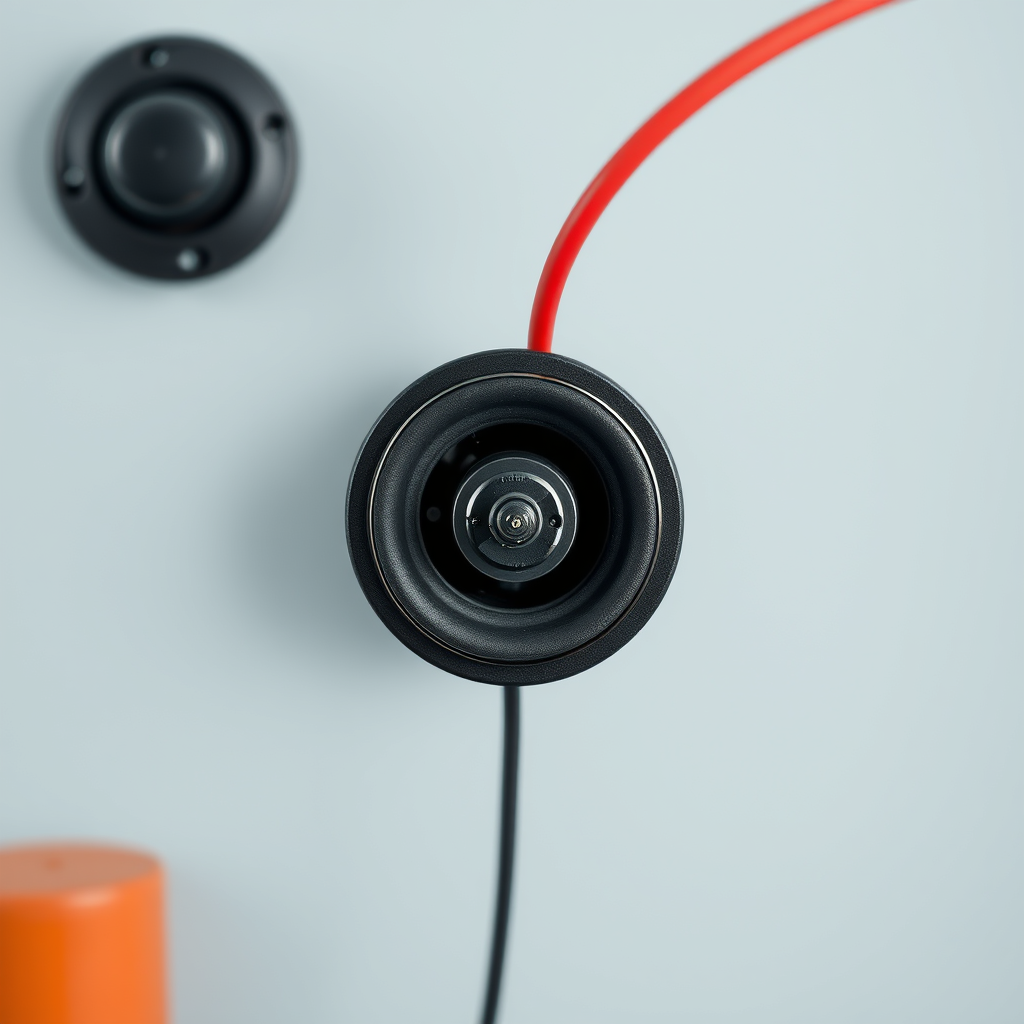
Before diving into the wiring process, it’s essential to grasp the basics of speaker wiring. Understanding the types of speaker wires, their gauges, and the concept of polarity will significantly improve your installation experience.
Speaker Wire Types and Gauge: Speaker wires generally come in two forms: stranded and solid. Stranded wire, made up of multiple small strands of copper, is more flexible and easier to work with, making it ideal for longer runs or installations that require bending. Solid wire, on the other hand, offers improved conductivity and is generally better suited for shorter distances. The gauge of the wire is also crucial; lower gauge numbers (like 12) indicate thicker wire, which can carry more current and is preferable for longer distances. For shorter runs (less than 50 feet), a 16-gauge wire is often sufficient, while thicker wires (14 or 12 gauge) are recommended for longer runs or higher-powered systems.
Identifying Polarity: Polarity refers to the positive (+) and negative (-) terminals on your speakers and receiver. It’s vital to connect the positive terminal on the receiver to the positive terminal on the speaker and the same for the negative terminals. Incorrect polarity can lead to phase issues, where sounds may cancel each other out, resulting in muddy or distorted audio.
Tools and Materials Needed
To ensure a smooth wiring process, gather the following tools and materials before you begin:
Essential Tools:
– Wire Strippers: These are essential for removing insulation from the speaker wires without damaging the copper strands.
– Screwdriver: A basic screwdriver will help you secure the wire connections to the speaker terminals and receiver.
– Multimeter: This tool can be useful for testing connectivity and ensuring that your connections are solid.
Selecting the Right Speaker Wire: Choose speaker wire based on the distance to your speakers and the power of your amplifier. For instance, if your speakers are far from your receiver and you have a high-powered system, opt for lower gauge wire (14 or 12 gauge). Make sure you measure the length required accurately, allowing for some extra length for flexibility.
Preparing to Wire Speakers
Preparation is key to a successful speaker wiring job. Here’s how to get started:
Turn Off All Equipment: Before you begin any wiring, ensure that your audio system is powered down. This not only protects your equipment but also ensures your safety while working with electrical connections.
Measure and Cut Wire: Measure the distance from your receiver to each speaker and cut the wire accordingly. It’s wise to add a bit of extra length to your measurements to allow for adjustments or unforeseen obstacles. This extra length can also provide some slack for future rearrangements.
Speaker Wire Comparison by Type and Gauge
| # | Wire Type | Gauge | Max Length (ft) | Best For |
|---|---|---|---|---|
| 1 | Stranded | 12 | 50+ | High Power |
| 2 | Stranded | 14 | 100 | Medium Power |
| 3 | Stranded | 16 | 150 | Low Power |
| 4 | Solid | 12 | 30 | Short Runs |
| 5 | Solid | 14 | 50 | Medium Runs |
| 6 | Solid | 16 | 100 | Long Runs |
| 7 | Composite | 14 | 75 | Balanced Sound |
Connecting the Speakers
Now that you’ve prepared your wires, it’s time to connect your speakers:
Strip the Wire Ends: Using your wire strippers, carefully remove about half an inch of insulation from each end of the speaker wire. Be cautious not to damage the copper strands, as this could weaken the connection.
Connect to the Receiver and Speakers: Begin by connecting one end of the wire to the receiver. Make sure to match the polarities, connecting the positive wire to the positive terminal and the negative wire to the negative terminal. Next, connect the other end of the wire to the speaker, again ensuring that you maintain the correct polarity. Secure the wires in place, ensuring a tight and solid connection to minimize signal loss.
Testing Your Setup
Once your wiring is complete, it’s time to put everything to the test:
Power On the System: After double-checking all connections, power on your audio system. Gradually increase the volume to ensure that sound is coming from each speaker without distortion or abnormal noises.
Adjust and Troubleshoot: If you notice any issues, such as no sound or poor quality, turn the system off and re-check your connections. Make sure that all wires are securely fastened and that you have not reversed any polarities. Adjust the speaker placement if necessary, as positioning can also affect sound quality.
Maintenance Tips for Your Speaker Wiring
To keep your speaker wiring in optimal condition, follow these maintenance tips:
Regularly Inspect Connections: Periodically check your connections for any signs of wear or corrosion. Loose connections can lead to sound quality issues, so ensure that everything remains tight and clean.
Keep Wires Organized: Use cable ties or clips to keep your speaker wires organized. This not only prevents tangles and damage but also creates a neat and professional appearance in your audio setup.
In conclusion, wiring speakers is a manageable task when approached methodically. By understanding the basics, preparing appropriately, and following a structured process, you can achieve a high-quality audio experience in your home. Whether you’re enhancing your home theater or setting up a sound system for your music, the right wiring is essential. If you have any questions or require assistance, do not hesitate to consult an audio professional for guidance.
Frequently Asked Questions
How do I wire speakers to a home audio system?
To wire speakers to a home audio system, first, turn off your receiver and unplug it. Connect the positive terminal of your speaker wire (usually marked red) to the positive terminal on the receiver, and the negative terminal (marked black) to the corresponding negative terminal. Ensure the connections are secure and repeat the process for each speaker, following the same color-coded system for consistency.
What type of speaker wire should I use for optimal sound quality?
For optimal sound quality, it’s recommended to use 16-gauge speaker wire for runs up to 50 feet and 14-gauge for longer distances. Higher gauge numbers indicate thinner wire, which can lead to signal loss over longer distances. Additionally, look for wire that is oxygen-free copper, as it enhances conductivity and overall sound performance.
Why do I need to match speaker impedance when wiring?
Matching speaker impedance is crucial because it ensures that your amplifier operates efficiently and safely. If the impedance is too low, it can overload the amplifier, potentially causing damage or distortion. Conversely, if the impedance is too high, you may not receive adequate power to the speakers, resulting in poor sound quality.
What is the best way to connect multiple speakers to a single receiver?
The best way to connect multiple speakers to a single receiver is by using either a parallel or series wiring method. In parallel wiring, the positive terminals of all speakers connect to the receiver’s positive terminal, while the negatives connect similarly. This method maintains the same voltage across all speakers. In series wiring, connect the positive of one speaker to the negative of the next; this method increases the total impedance but can simplify wiring in larger setups.
Which tools do I need to wire my speakers properly?
To wire your speakers properly, you’ll need a few essential tools: a wire stripper to remove insulation from the speaker wire, a screwdriver for securing connections, and possibly a multimeter to test for continuity. Additionally, having banana plugs can simplify the connection process and ensure a secure fit into your receiver’s terminals.
References
- Speaker wire
https://en.wikipedia.org/wiki/Speaker_wire - https://www.audioholics.com/education/faq/how-to-wire-speakers
https://www.audioholics.com/education/faq/how-to-wire-speakers - Google Scholar Google Scholar
https://scholar.google.com/scholar?q=how+do+i+wire+speakers - https://www.crutchfield.com/S-1n5W5kzRVpH/learn/how-to-wire-your-speakers.html
https://www.crutchfield.com/S-1n5W5kzRVpH/learn/how-to-wire-your-speakers.html - Google Scholar Google Scholar
https://scholar.google.com/scholar?q=speaker+wiring+techniques - https://www.audiogurus.com/blog/how-to-wire-your-speakers/
https://www.audiogurus.com/blog/how-to-wire-your-speakers/ - Google Scholar Google Scholar
https://scholar.google.com/scholar?q=home+theater+speaker+installation+guide - how do i wire speakers – Search results
https://en.wikipedia.org/wiki/Special:Search?search=how+do+i+wire+speakers - https://www.ncbi.nlm.nih.gov/search/research-articles/?term=how+do+i+wire+speakers
https://www.ncbi.nlm.nih.gov/search/research-articles/?term=how+do+i+wire+speakers
