


Installing car speakers can significantly enhance your audio experience, and it’s easier than you might think. In just a few simple steps, you can replace your old speakers with new ones, improving sound quality and performance. This guide will walk you through the installation process, ensuring you have all the tools and knowledge needed to get the job done efficiently.
Gather Your Tools and Materials
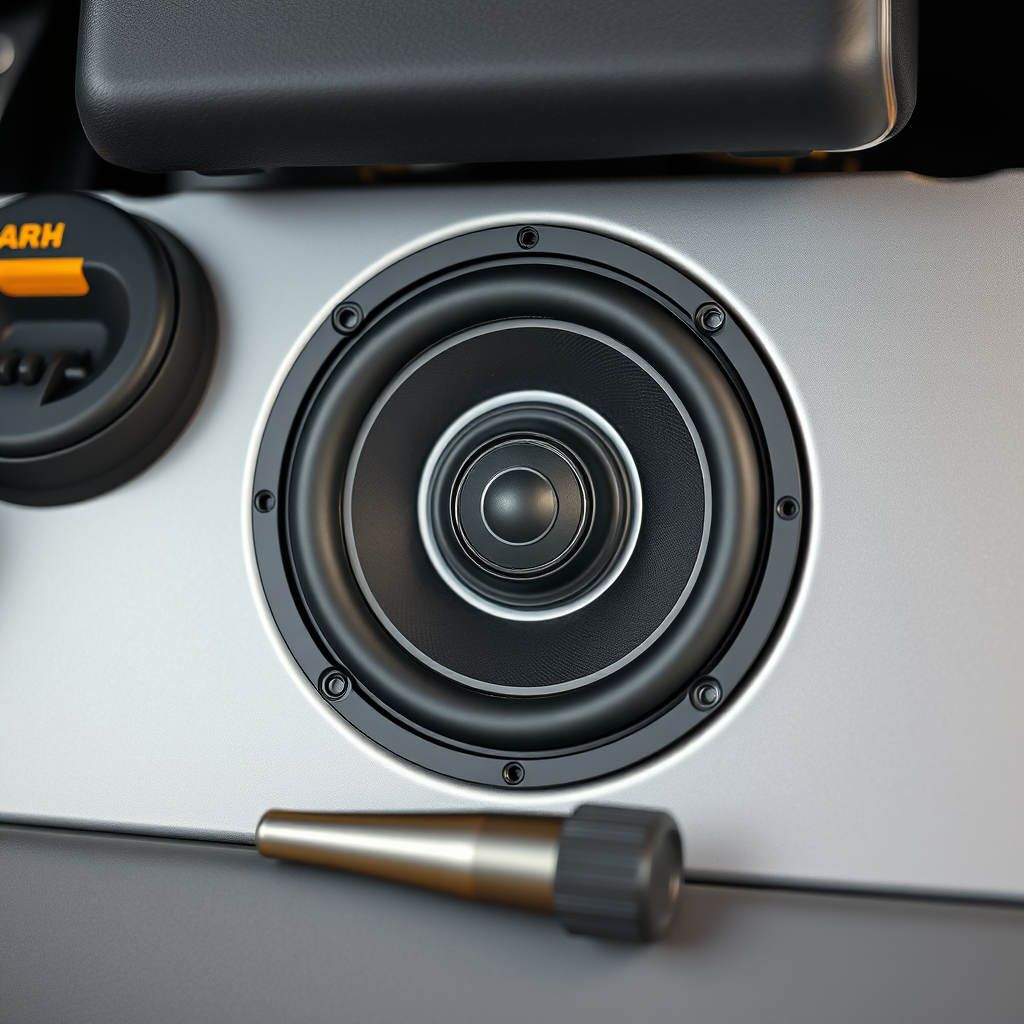
Before you start the installation process, it’s essential to gather the right tools and materials to ensure a smooth and efficient experience. The basic tools you’ll need include:
– Screwdriver: Both flathead and Phillips screwdrivers are often required for removing and installing speakers.
– Wire Strippers: These are necessary for preparing the wiring to connect your new speakers properly.
– Socket Wrench: This tool helps in loosening bolts or screws that might be securing the speakers in place.
In addition to tools, make sure you have the correct replacement speakers that fit your specific vehicle model. Check your owner’s manual or consult with an audio specialist to ensure compatibility. This preparation will save you time and prevent potential frustration during installation.
Prepare Your Vehicle
Preparation is key when it comes to installing car speakers. Start by ensuring your vehicle is parked in a safe, well-lit area. To prevent any electrical issues during the installation, you must disconnect the car battery. This step is crucial for avoiding any electrical shocks or short circuits while working on the audio system.
Once the battery is disconnected, you can proceed to remove any panels or grilles that cover the existing speakers. Use your screwdriver to carefully pry off these components. It’s advisable to keep track of all screws and clips you remove, as they will be needed for reassembly later. This step not only protects the integrity of your vehicle’s interior but also ensures you can easily access the speaker mounting locations.
Remove Old Speakers
With the vehicle prepared, it’s time to remove the old speakers. Start by unscrewing the existing speakers from their mounting locations. Depending on your vehicle, the speakers may be held in place by screws or clips. Be cautious during this process to avoid damaging any surrounding components.
Once the speakers are unscrewed, carefully disconnect the wiring harness from the old speakers. It’s beneficial to take note of the wiring layout, as you will need to replicate this when connecting the new speakers. If you’re unsure about the wiring, taking a picture can serve as a useful reference during reinstallation.
Top 7 Car Speaker Brands (2024)
| # | Brand | Type | Power Handling (W) | Sensitivity (dB) | Price ($) | User Rating |
|---|---|---|---|---|---|---|
| 1 | JBL | Coaxial | 150 | 92 | 99 | ★★★★☆ |
| 2 | Pioneer | Component | 180 | 90 | 120 | ★★★★★ |
| 3 | Kenwood | Coaxial | 160 | 88 | 85 | ★★★★☆ |
| 4 | Rockford Fosgate | Component | 160 | 90 | 150 | ★★★★☆ |
| 5 | Alpine | Coaxial | 150 | 91 | 110 | ★★★★☆ |
| 6 | Infinity | Component | 180 | 92 | 140 | ★★★★★ |
| 7 | Bose | Component | 200 | 93 | 300 | ★★★★★ |
Connect New Speakers
After removing the old speakers, it’s time to connect the new ones. Begin by matching the wiring of the new speakers to the existing harness. It’s crucial to ensure proper polarity—connect positive wires to positive terminals and negative wires to negative terminals. This step is vital for optimal sound performance and to avoid any damage to the speakers.
Once the wiring is connected correctly, securely attach the new speakers to the mounting location using screws. Make sure that the speakers are firmly in place, as any movement could lead to sound distortion or even damage during vehicle operation. Take your time to double-check all connections and mounting before proceeding to the next step.
Test the Installation
Before reassembling your vehicle, it’s essential to test the new speakers to ensure they are functioning correctly. Reconnect the car battery and turn on your audio system. Play a variety of music genres at different volume levels to assess sound quality. Listen attentively for any rattling or distortion, which may indicate incorrect installation or a loose connection.
If everything sounds good, you’re on the right track! However, if you notice any issues, it’s advisable to revisit your connections and ensure that all wiring is properly secured. An effective test not only confirms the successful installation but also enhances your overall audio experience in your vehicle.
Reassemble Your Vehicle
Once you have confirmed that the new speakers are working correctly, it’s time to reassemble your vehicle. Carefully reattach any panels, grilles, or components that were removed during the installation process. Ensure all screws and clips are securely fastened to prevent rattling noises while driving.
Take a moment to clean up your workspace by removing any tools or debris. This attention to detail not only enhances the aesthetics of your vehicle’s interior but also ensures that nothing is left behind that could interfere with the operation of your vehicle.
Maintenance Tips for Your New Speakers
To ensure your new speakers continue to deliver excellent audio quality, regular maintenance is essential. Here are some tips to keep your speakers in top condition:
– Check Connections: Periodically inspect the connections to ensure they remain tight and free from corrosion. Loose or corroded connections can lead to sound quality issues.
– Avoid Extreme Conditions: Try to avoid exposing your speakers to extreme temperatures or moisture, as these can damage the internal components and affect performance.
– Clean Regularly: Use a soft cloth to clean the speaker grilles and surrounding areas to prevent dust and debris buildup, which can affect sound quality.
By incorporating these maintenance practices, you can prolong the lifespan of your speakers and enjoy high-quality sound for years to come.
In conclusion, installing new car speakers can dramatically improve your audio experience and is a task that can be accomplished with a bit of preparation and patience. By following the outlined steps—gathering the necessary tools, carefully removing old speakers, connecting and testing new ones, and performing regular maintenance—you’ll ensure your sound system is in prime condition. Should you encounter any challenges, don’t hesitate to consult professional assistance. Enjoy the invigorating sound of your new speakers on the road!
Frequently Asked Questions
How do I choose the right car speakers for my vehicle?
To choose the right car speakers, first consider your car’s size and the type of audio system you currently have. Look for speakers that fit your vehicle’s specifications, including the diameter and mounting depth. It’s also important to match the speakers’ power handling with your car’s amplifier to ensure optimal performance and avoid damage.
What tools do I need to install car speakers?
Installing car speakers typically requires a few essential tools including a screwdriver, wire strippers, and a socket wrench. Depending on your vehicle, you might also need panel removal tools to access the speaker mounts without damaging the interior. Always check your car’s manual for specific tools that may be required for your model.
How can I install car speakers without professional help?
To install car speakers without professional help, start by disconnecting the car battery to ensure safety. Remove the door panels or speaker covers, disconnect the old speakers, and carefully connect the new ones using the provided wiring harness. Follow the manufacturer’s instructions for mounting and securing the speakers, and reassemble the panels once everything is in place.
Why are my new car speakers not working after installation?
If your new car speakers are not working after installation, first check all connections to ensure they are secure and correctly wired. Additionally, verify that the amplifier or head unit is functioning properly and not muted. If everything seems in order, you may need to troubleshoot for any blown fuses or compatibility issues with your car’s audio system.
What are the best brands of car speakers for sound quality?
Some of the best brands known for high-quality car speakers include JL Audio, Infinity, and Pioneer. These brands offer a range of speakers that provide excellent sound clarity, durability, and value for money. Researching customer reviews and professional ratings can help you select the best speakers that fit your audio preferences and budget.
References
- https://en.wikipedia.org/wiki/Speaker_(loudspeaker
https://en.wikipedia.org/wiki/Speaker_(loudspeaker - How to Install Car Speakers (with Pictures) – wikiHow
https://www.wikihow.com/Install-Car-Speakers - Google Scholar Google Scholar
https://scholar.google.com/scholar?q=how+to+install+car+speakers - https://www.edmunds.com/car-technology/how-to-install-car-speakers.html
https://www.edmunds.com/car-technology/how-to-install-car-speakers.html - https://www.crutchfield.com/learn/how-to-install-car-speakers.html
https://www.crutchfield.com/learn/how-to-install-car-speakers.html - Google Scholar Google Scholar
https://scholar.google.com/scholar?q=car+audio+installation - https://www.carsguide.com.au/car-advice/how-to-install-car-speakers-71538
https://www.carsguide.com.au/car-advice/how-to-install-car-speakers-71538 - how to install car speakers – Search results
https://en.wikipedia.org/wiki/Special:Search?search=how+to+install+car+speakers - https://www.ncbi.nlm.nih.gov/search/research-articles/?term=how+to+install+car+speakers
https://www.ncbi.nlm.nih.gov/search/research-articles/?term=how+to+install+car+speakers

[…] the lamp feels stuck, stop. Forced extraction can damage the lamp housing, wiring harness, or heat shield—problems that are harder (and more expensive) to repair than the bulb […]