
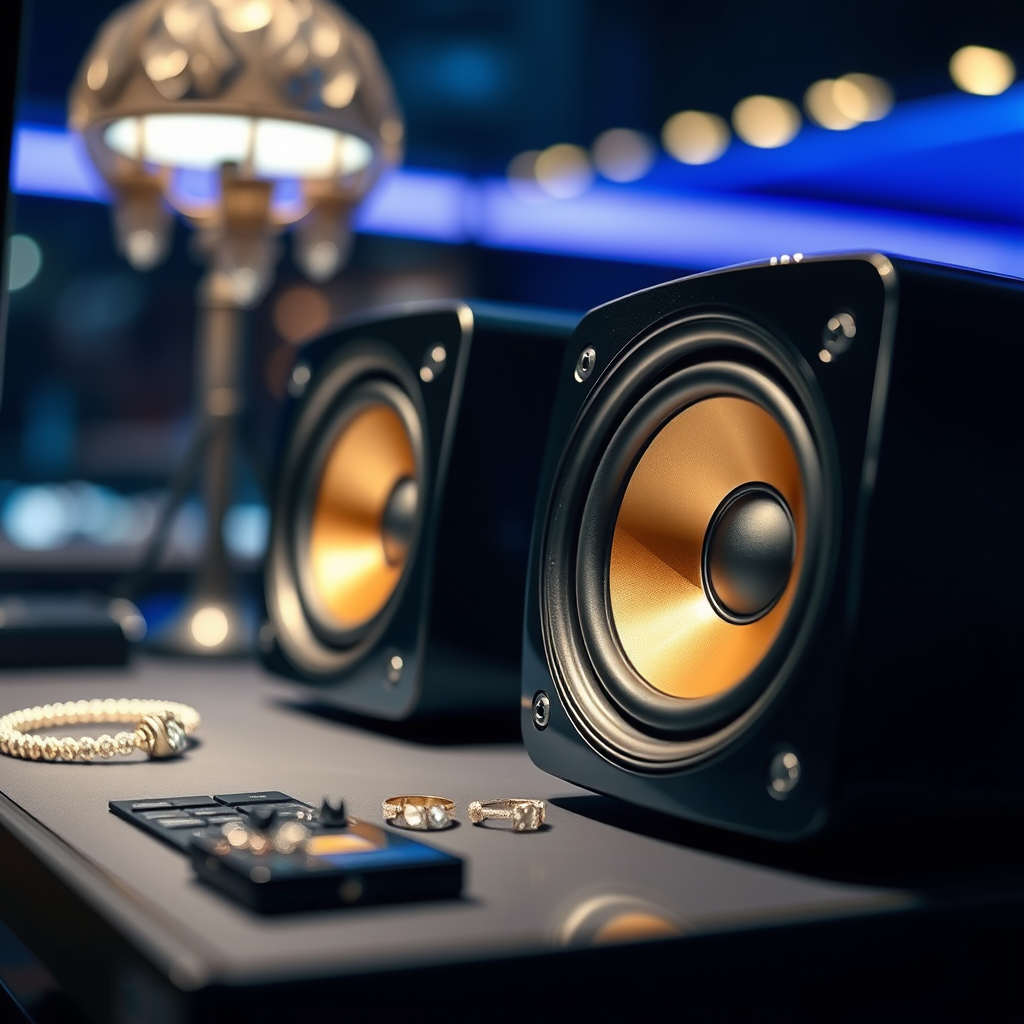

Monitor speakers are specialized audio devices designed for accurate sound reproduction, making them essential for music production, mixing, and critical listening. These speakers differ significantly from regular speakers, which are typically optimized for consumer enjoyment rather than precision. In this article, we will delve into what monitor speakers are, how they differ from standard audio equipment, and why they are a vital tool for audio professionals and enthusiasts alike.
What Are Monitor Speakers?
Monitor speakers are high-fidelity audio devices engineered to deliver a flat frequency response, allowing for precise audio playback. Unlike typical home speakers that may enhance certain frequencies to create a more enjoyable listening experience, monitor speakers aim to reproduce sound as accurately as possible. This characteristic is crucial in settings such as recording studios and professional audio environments, where every nuance of the sound is essential to the creative process.
The primary purpose of monitor speakers is to facilitate the mixing and mastering of music. They ensure that audio engineers and producers hear every detail of a track, enabling them to make informed decisions about levels, EQ, and other elements crucial to a polished final product. Whether you are an aspiring musician or a seasoned audio engineer, understanding monitor speakers is key to achieving high-quality sound in your projects.
Key Differences Between Monitor Speakers and Regular Speakers
The differences between monitor speakers and regular speakers can be categorized into several key areas:
– Frequency Response: Monitor speakers are designed to provide a neutral sound profile, meaning they do not color the audio. This allows listeners to hear the true representation of a recording. In contrast, regular speakers often enhance certain frequencies, such as the bass or treble, to create a more pleasing listening experience, which can mislead audio professionals during mixing.
– Design: Monitor speakers typically feature a more robust build quality to minimize distortion and ensure durability during professional use. They are often constructed with high-quality materials and advanced technology, such as bi-amplification and advanced driver designs, aimed at achieving a clearer and more accurate sound.
– Connectivity: Monitor speakers often provide various input options, including XLR and TRS connections, designed to accommodate professional audio equipment. Regular speakers, aimed at consumer use, may only feature RCA or Bluetooth connectivity options.
These differences underscore the importance of choosing the right type of speaker based on your audio needs, particularly in professional settings.
Types of Monitor Speakers
Monitor speakers come in various types, each suited for different applications and environments:
– Active vs. Passive:
– Active Monitors: These speakers come with built-in amplification, meaning they can be plugged directly into an audio interface or mixer without the need for an external amp. This setup simplifies the audio chain and often results in better sound quality.
– Passive Monitors: These require an external amplifier to function, giving users the flexibility to choose their amplification based on specific needs and preferences. While they can offer superior sound quality when paired with high-end amplifiers, they require more setup and investment.
– Nearfield vs. Farfield:
– Nearfield Monitors: Designed for close listening, these speakers are ideal for small studios or workspaces. They minimize the effect of room acoustics, allowing for a more accurate sound experience.
– Farfield Monitors: Suited for larger spaces, these monitors are designed to deliver sound over greater distances, making them perfect for larger studios or live sound applications.
Top 7 Monitor Speakers for 2024
| # | Model | Type | Power (W) | Frequency Response | Price (USD) |
|---|---|---|---|---|---|
| 1 | Yamaha HS8 | Active | 75 | 38Hz – 30kHz | $199 |
| 2 | KRK Rokit 5 G4 | Active | 55 | 43Hz – 40kHz | $179 |
| 3 | JBL 305P MkII | Active | 82 | 43Hz – 24kHz | $149 |
| 4 | Focal Alpha 65 Evo | Active | 70 | 40Hz – 22kHz | $299 |
| 5 | Mackie MR524 | Active | 50 | 50Hz – 20kHz | $149 |
| 6 | Adam Audio T5V | Active | 70 | 45Hz – 25kHz | $249 |
| 7 | PreSonus Eris E5 | Active | 80 | 48Hz – 20kHz | $199 |
Choosing the Right Monitor Speakers
When selecting monitor speakers, several factors come into play:
– Room Size: The dimensions of your studio or listening environment are critical in determining the type and size of monitor speakers you need. For smaller rooms, nearfield monitors are typically recommended, as they provide accurate sound reproduction without overwhelming the space. In larger studios, farfield monitors may be more appropriate to ensure that sound is evenly distributed.
– Budget: Monitor speakers can vary significantly in price, from budget-friendly options suitable for beginners to high-end models favored by professionals. It’s essential to assess your budget while also considering the long-term investment in quality audio equipment. Often, spending a little more can lead to significant improvements in sound quality and durability.
– Listening Preferences: Consider what genre of music you typically work with. Some monitors excel in bass response, while others may be better suited for classical or acoustic music. Ensuring your choice aligns with your musical focus will enhance your overall experience.
Placement and Setup Tips
The placement and setup of your monitor speakers are crucial for optimal sound quality:
– Positioning: Ideally, monitor speakers should be positioned at ear level, forming an equilateral triangle with your listening position. This setup helps ensure that you receive the most accurate representation of the audio. Avoid placing them too close to walls or corners, as this can lead to unwanted bass buildup and reflections.
– Acoustic Treatment: The acoustics of your room can greatly affect sound quality. Consider incorporating sound-absorbing materials—such as acoustic panels, bass traps, and diffusers—into your space. These elements help minimize reflections and improve audio clarity, allowing for a more accurate listening environment.
Investing time in proper placement and acoustic treatment can dramatically enhance your monitoring experience, leading to better mixes and recordings.
Maintenance and Care for Monitor Speakers
To ensure longevity and optimal performance, monitor speakers require regular maintenance:
– Cleaning: Dust and debris can accumulate on your monitor speakers, affecting sound quality. Use a soft, dry cloth to gently clean the speakers regularly, avoiding any harsh chemicals that could damage the finish.
– Calibration: Periodically checking and calibrating your monitor speakers is essential for maintaining sound accuracy. Many speakers come with built-in room correction features, but you can also use external calibration microphones and software solutions to ensure that your monitors are performing at their best.
Regular maintenance can prolong the life of your monitor speakers and ensure consistent performance over time.
Understanding monitor speakers is crucial for anyone serious about audio production and critical listening. By exploring various models and features, you can find the ideal monitors that cater to your specific needs. Consider visiting audio equipment stores or online retailers to discover the range of options available, ensuring that you make an informed choice tailored to your setup. With the right monitor speakers, you will elevate your audio projects to new heights, achieving clarity and precision that is vital in the world of sound production.
Frequently Asked Questions
What are monitor speakers and how do they differ from regular speakers?
Monitor speakers, also known as studio monitors, are specifically designed for audio production and mixing. Unlike regular speakers that enhance sound for consumer enjoyment, monitor speakers provide a flat frequency response to ensure an accurate representation of the audio. This allows sound engineers and musicians to make precise adjustments during the mixing process.
How do I choose the best monitor speakers for my home studio?
When choosing monitor speakers for your home studio, consider factors like room size, speaker type (active or passive), and frequency response. Active monitors come with built-in amplifiers, while passive monitors require separate amplification. Also, look for features such as adjustable EQ settings and acoustic tuning to optimize sound quality in your specific environment.
Why are monitor speakers important for music production?
Monitor speakers are crucial for music production because they provide a true and uncolored sound representation, allowing producers to hear the nuances of their mixes accurately. This fidelity helps in making informed decisions about levels, panning, and effects, ultimately leading to a polished final product. Without quality monitors, mixes may sound different on other playback systems, resulting in a less professional outcome.
Which are the best monitor speakers under $500?
Some of the best monitor speakers under $500 include the Yamaha HS5, KRK Rokit 5 G4, and JBL 305P MkII. Each of these models offers excellent sound quality, reliability, and features that cater to home studio setups. They provide a good balance of performance and affordability, making them suitable for both beginners and experienced audio professionals.
How should I position my monitor speakers for optimal sound?
To achieve optimal sound from your monitor speakers, position them at ear level and form an equilateral triangle with your listening position. Keeping them away from walls and corners helps reduce bass buildup and ensures a clearer sound. Additionally, angling the monitors slightly toward your ears can enhance the stereo image and overall listening experience.
References
- Studio monitor
https://en.wikipedia.org/wiki/Studio_monitor - Google Scholar Google Scholar
https://scholar.google.com/scholar?q=monitor+speakers - https://www.britannica.com/art/speaker-audio
https://www.britannica.com/art/speaker-audio - Google Scholar Google Scholar
https://scholar.google.com/scholar?q=studio+monitor+speakers - https://www.pcmag.com/how-to/what-are-studio-monitors-and-how-do-they-work
https://www.pcmag.com/how-to/what-are-studio-monitors-and-how-do-they-work - https://www.musictech.net/guides/buyers-guide/best-studio-monitors/
https://www.musictech.net/guides/buyers-guide/best-studio-monitors/ - https://www.researchgate.net/publication/331578488_Studio_Monitors
https://www.researchgate.net/publication/331578488_Studio_Monitors - Google Scholar Google Scholar
https://scholar.google.com/scholar?q=what+are+monitor+speakers - what are monitor speakers – Search results
https://en.wikipedia.org/wiki/Special:Search?search=what+are+monitor+speakers - https://www.ncbi.nlm.nih.gov/search/research-articles/?term=what+are+monitor+speakers
https://www.ncbi.nlm.nih.gov/search/research-articles/?term=what+are+monitor+speakers

[…] balanced for intelligibility, not for maximum loudness, to avoid mic spill and loop gain. Dedicated monitor speakers aimed away from the microphone position reduce direct coupling and improve feedback […]
[…] right format and glasses. The key is compatibility: confirm the projector’s specific 3D method (active vs. passive), match the required glasses/emitter, and use a 3D movie source encoded in a format your projector […]