

To achieve an optimal surround sound experience, the positioning of your speakers is crucial. Proper placement not only enhances audio quality but also immerses you in the intended soundscapes of movies, music, and games. This article will provide comprehensive guidelines on where to place your surround sound speakers for the best audio experience, ensuring that you maximize the potential of your sound system.
Understanding Speaker Types
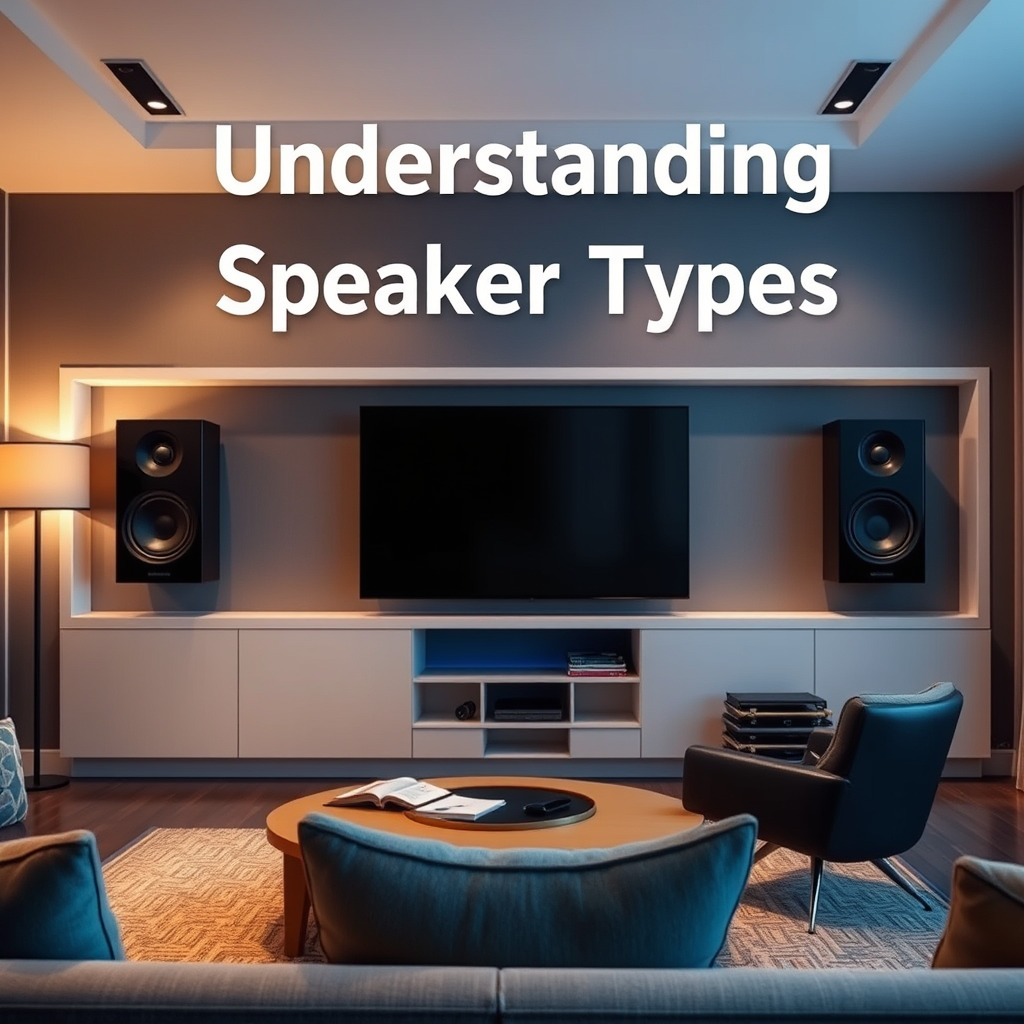
Before diving into placement strategies, it’s essential to understand the different types of surround sound speakers and their roles in creating an immersive audio environment.
– Front Speakers: These typically include the left, center, and right speakers. The front speakers are responsible for delivering dialogue, primary audio, and the majority of the soundstage. The center speaker is particularly important for clear dialogue, while the left and right speakers provide depth and create a realistic sound environment.
– Surround Speakers: These speakers create ambient sound and sound effects, enriching the overall audio experience. They are critical for achieving a three-dimensional sound environment, allowing you to hear sound from all directions, enhancing the realism of what you’re watching or listening to.
Ideal Speaker Placement
For optimal audio performance, speaker placement is key. Here are detailed recommendations for where to place your front and surround speakers:
– Front Speakers: Position the left and right speakers at ear level, forming an equilateral triangle with the primary listening position. The distance between the two front speakers should be equal to the distance from each speaker to the listening area. The center speaker should be placed directly above or below your display, also at ear level, to ensure that dialogue aligns with on-screen action.
– Surround Speakers: These should be positioned slightly above ear level (around 1-2 feet higher) and angled towards the listening position. Ideally, they should be placed at a 90-110 degree angle from the listening area. This placement helps create the enveloping sound experience that surround sound systems are designed to deliver.
Optimal Speaker Placement Recommendations
| # | Speaker Type | Recommended Height | Distance from Listening Position | Angle |
|---|---|---|---|---|
| 1 | Front Left Speaker | Ear Level | Equal Distance | 30° |
| 2 | Front Center Speaker | Ear Level | Directly in front | 0° |
| 3 | Front Right Speaker | Ear Level | Equal Distance | 30° |
| 4 | Surround Left Speaker | 1-2 Feet Above Ear Level | 90-110 Degrees | 90° |
| 5 | Surround Right Speaker | 1-2 Feet Above Ear Level | 90-110 Degrees | 90° |
| 6 | Rear Surround Speakers | Above Ear Level | Behind Listening Position | 135-150° |
| 7 | Subwoofer | Variable | Variable | N/A |
Setting Up the Subwoofer
The subwoofer plays a critical role in enhancing the low-frequency sounds that give depth to your audio experience. Here are some key considerations for subwoofer placement:
– Location Options: A subwoofer can be placed in various locations within the room. While it can be placed anywhere, corners often amplify bass response due to the reinforcement of sound waves. However, ensure that the subwoofer is not obstructed by furniture or walls, as this can muddy the audio quality.
– Experimentation: One of the best ways to find the optimal position for your subwoofer is through experimentation. Try moving it to different locations within the room and listen for the best balance of deep bass without overwhelming other frequencies. Utilize the “subwoofer crawl” technique by temporarily placing the subwoofer at the main listening position and then walking around the room to identify where the bass sounds best before finalizing its location.
Considerations for Room Layout
The layout of your room can significantly affect the sound quality and overall surround sound experience. Here are some important factors to consider:
– Room Size: Larger rooms may require additional speakers to ensure adequate audio coverage, while smaller spaces may benefit from fewer, well-placed speakers. If you have a large room, consider adding additional surround speakers to enhance the soundstage and immersion.
– Furniture Arrangement: Make sure that furniture does not obstruct sound paths. Ideally, the arrangement should allow for an unobstructed line of sight between speakers and the listening position. Open layouts generally yield better audio experiences as they allow sound waves to travel more freely, while cluttered spaces can lead to sound reflections and diminished sound quality.
Acoustic Treatments
To further enhance your surround sound experience, consider implementing acoustic treatments in your room. These treatments can significantly improve sound clarity and reduce unwanted echoes.
– Soundproofing: Utilize rugs, curtains, and wall treatments to minimize echo and improve overall sound clarity. Soft materials can absorb sound waves, preventing them from bouncing off hard surfaces and creating muddiness in audio.
– Speaker Isolation: Use isolation pads or stands for your speakers to reduce vibrations that can interfere with sound quality. Proper isolation not only enhances the clarity of sound but also helps maintain the integrity of the audio signal, allowing for a more accurate representation of music or movie soundtracks.
Common Mistakes to Avoid
While setting up surround sound speakers, it’s easy to make mistakes that can detract from your audio experience. Here are some common pitfalls to avoid:
– Misplaced Speakers: One of the most common mistakes is positioning surround speakers too high or directly behind the seating area. Placing speakers too high can lead to a disjointed sound experience, while positioning them directly behind can create an overwhelming audio effect that detracts from the intended immersion.
– Ignoring Calibration: Failing to calibrate your audio system can result in imbalanced sound, where certain frequencies overpower others. Utilize an audio calibration tool or built-in system calibration features to ensure that each speaker is balanced and adjusted according to the unique acoustics of your room.
By paying careful attention to speaker placement and room acoustics, you can significantly enhance your surround sound setup. The strategic positioning of speakers, attention to room layout, and appropriate acoustic treatments will create a rich, immersive audio experience that elevates every viewing or listening session.
Ultimately, your surround sound setup can transform your home entertainment experience. By following these detailed guidelines and being mindful of common pitfalls, you can ensure that every movie night, gaming session, or music experience is as immersive and enjoyable as possible. Don’t hesitate to experiment and adjust your setup until you find the perfect sound tailored to your space!
Frequently Asked Questions
Where should I place my surround sound speakers for optimal audio experience?
For optimal audio experience, place your surround sound speakers in a way that creates an immersive sound stage. The front left and right speakers should be positioned at ear level and angled towards the listening area, while the center speaker should be directly above or below your TV. The surround speakers should be placed 1-2 feet above ear level, ideally 90-110 degrees to the sides of the listening position, ensuring that they enhance the surround sound without overpowering the dialogue.
How far apart should surround sound speakers be from each other?
Surround sound speakers should generally be spaced apart to create a balanced sound field. Front left and right speakers should be placed at equal distances from the center speaker, typically about 5-10 feet apart for average room sizes. The surround speakers should be positioned 3-6 feet apart from each other, depending on the room layout, to maintain the immersive experience while ensuring that sound reaches the listener effectively.
Why is speaker placement important in a surround sound system?
Speaker placement is crucial in a surround sound system because it directly affects sound quality and immersion. Proper placement ensures that audio reaches the listener’s ears at the right angles and distances, creating a three-dimensional sound space that enhances movie watching or gaming experiences. Poor placement can lead to imbalanced sound, where certain frequencies dominate or where dialogue becomes difficult to hear, detracting from the overall experience.
What are the best practices for placing surround sound speakers in a small room?
In a small room, the best practice is to minimize reflections and maximize sound clarity. Position front speakers at ear level and ensure they are not too close to walls to avoid muffled sound. Use wall-mounted surround speakers if space is limited, and aim for a 5.1 setup, ensuring that the subwoofer is placed in a corner or along a wall to enhance bass response without overwhelming the space.
Which surround sound speaker layout is recommended for a 7.1 system?
For a 7.1 surround sound system, the recommended layout includes two front speakers, a center speaker, two surround speakers, and two rear speakers. Position the front left and right speakers at ear level and about 30 degrees from the center, while the center speaker should be directly aligned with your TV. Place the two surround speakers slightly above ear level on the sides, and the rear speakers should be positioned at the back of the room, ideally 135-150 degrees from the listening position, to create a fully immersive audio experience.
References
- Surround sound
https://en.wikipedia.org/wiki/Surround_sound - https://www.lifewire.com/how-to-set-up-surround-sound-2465623
https://www.lifewire.com/how-to-set-up-surround-sound-2465623 - https://www.crutchfield.com/S-Mt5d6y2g0zK/learn/surround-sound-speaker-placement.html
https://www.crutchfield.com/S-Mt5d6y2g0zK/learn/surround-sound-speaker-placement.html - https://www.audioholics.com/education/speaker-placement-guide
https://www.audioholics.com/education/speaker-placement-guide - Google Scholar Google Scholar
https://scholar.google.com/scholar?q=surround+sound+speaker+placement - Google Scholar Google Scholar
https://scholar.google.com/scholar?q=speaker+placement+surround+sound - Google Scholar Google Scholar
https://scholar.google.com/scholar?q=optimal+speaker+placement+home+theater - Google Scholar Google Scholar
https://scholar.google.com/scholar?q=where+to+place+surround+sound+speakers - where to place surround sound speakers – Search results
https://en.wikipedia.org/wiki/Special:Search?search=where+to+place+surround+sound+speakers - https://www.ncbi.nlm.nih.gov/search/research-articles/?term=where+to+place+surround+sound+speakers
https://www.ncbi.nlm.nih.gov/search/research-articles/?term=where+to+place+surround+sound+speakers

[…] Check throw distance, screen size, and room layout […]
[…] in doubt, start with the 6.5–10.5 foot guideline for a 55-inch TV, then fine-tune using your room layout, viewing angle, and whether you’re watching 4K content. Measure your distance from the center of […]
[…] that typically lands within the comfortable range. Even if you later refine using resolution and room layout, this gets you close on day […]
[…] correction is worth using when you cannot place the projector on-axis due to room layout, furniture, or mounting constraints. It’s also appropriate for quick adjustments when the image […]
[…] short throw projectors are worth it when your room layout and viewing habits prioritize a large image, low-glare placement, and simpler front-wall […]
[…] the audience and when you maintain correct projector placement. Short throw distance is helpful for room layout, but the screen and alignment determine how efficiently brightness becomes a readable […]
[…] true, minimize digital keystone, and set throw distance and aspect ratio correctly. If your room layout forces an off-center mount, use lens shift (when available), choose short-throw/UST designs when […]
[…] you measure your viewing distance and factor in resolution and room layout, choosing the right flat screen size becomes straightforward. Start with a 55–65 inch range if […]
[…] awkward for everyone. If most viewers sit closer than 8 feet, lean toward 65″ only if the room layout supports […]
[…] TV size that fits your viewing distance and room layout delivers the best experience—often without needing the “largest possible” screen. Most people […]
[…] you should get? Use a quick screen-size guide to pick the right TV size for your viewing distance, room layout, and resolution—so you know exactly what to buy. If you want the clearest “just-right” […]
[…] measure your viewing distance first, then align TV size with resolution (4K vs 1080p) and your room layout so the image looks sharp and comfortable from your main seating […]
[…] Wondering how big TV to buy for 8 feet away? Here’s the direct screen-size verdict: choose the TV size that delivers a comfortable, readable picture at that distance—around the sweet spot for most viewing. You’ll get a clear recommendation in inches, plus quick guidance for when you should size up or down depending on resolution and room layout. […]
[…] by combining a distance-to-size estimate, a quick resolution check, and a sanity pass for your room layout—so the image looks sharp, not strained, at your normal seating […]
[…] TV size is the one that matches your viewing distance first—then you fine-tune for resolution, room layout, and your typical seating. In practice, you’ll measure your wall-to-screen distance, map it to a […]
[…] kitchens and work areas often need more like 50–100 lumens per square foot. Because ceilings, room layout, and reflectivity affect perceived brightness, you may need fewer or more 1450-lumen lights than […]
[…] match between your viewing distance and the screen size—then you fine-tune using resolution, room layout, and mounting height. If you measure from where you sit to the TV’s screen (not the wall), you […]
[…] is a straightforward calculation: pick the right screen size based on your viewing distance and room layout. If you measure from your typical seating spot to the TV location, you can match the distance to […]