
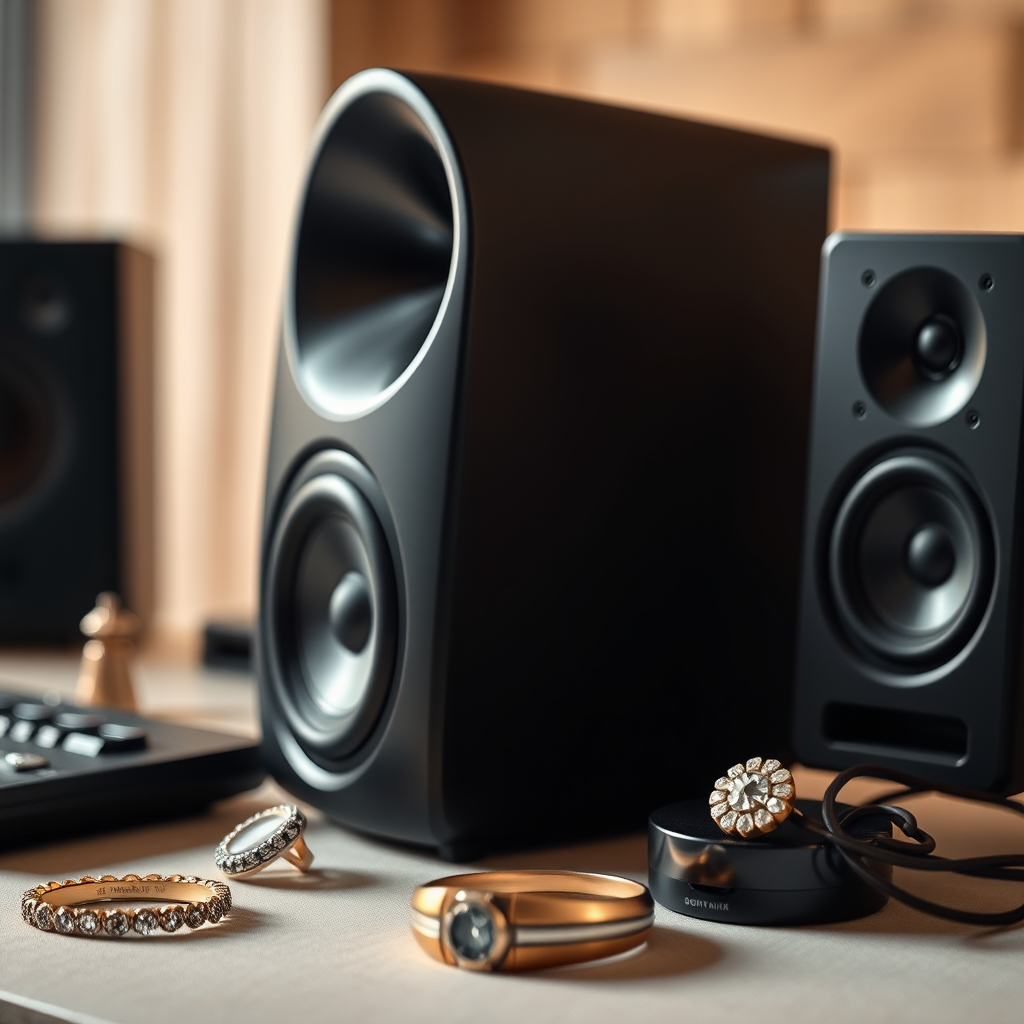

Powered speakers are self-amplified audio devices that connect directly to sound sources, eliminating the need for an external amplifier. These versatile audio solutions offer convenience and flexibility for both casual listeners and professional audio engineers. In this article, you’ll learn how powered speakers work, their advantages, and tips for selecting the right ones for your needs.
What Are Powered Speakers?
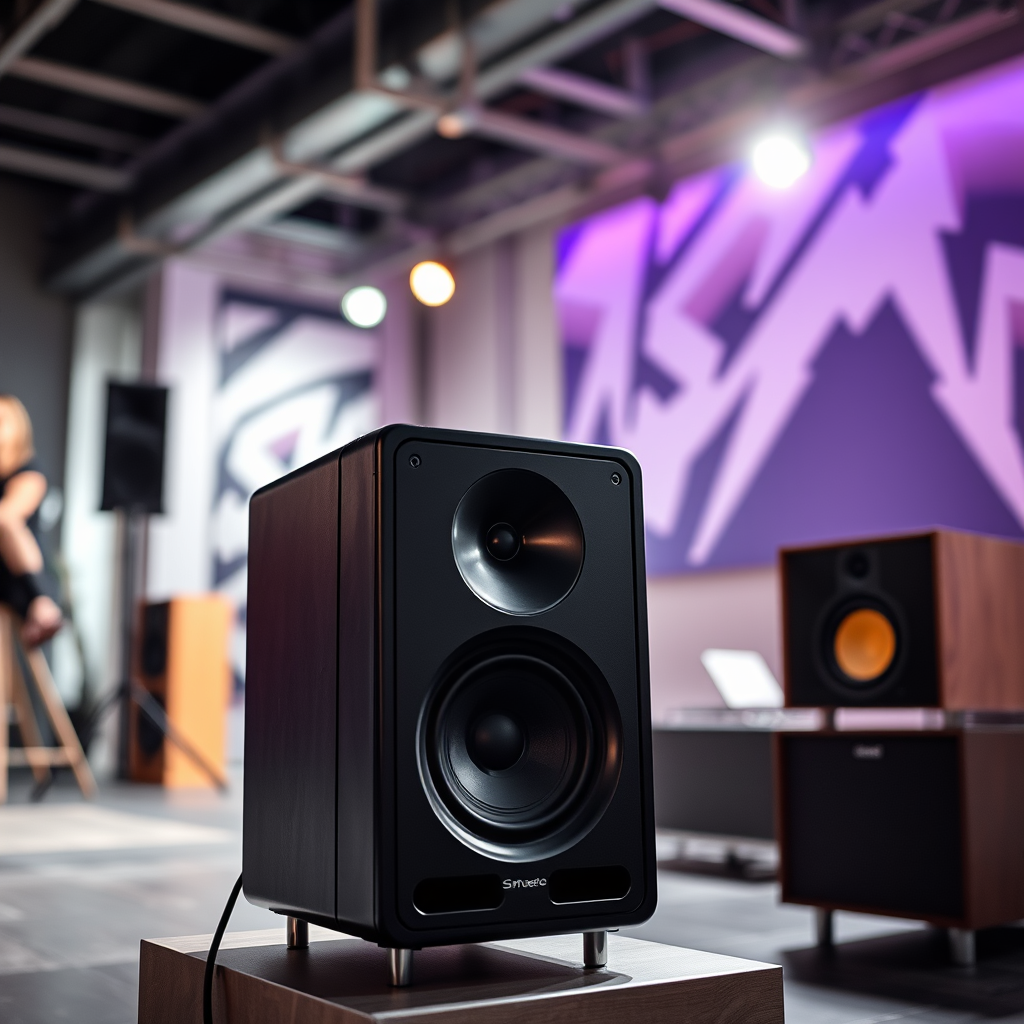
Powered speakers, also known as active speakers, are audio devices equipped with built-in amplifiers that enable them to produce sound without the need for external amplification. This self-contained design allows them to connect directly to various audio sources, including computers, mixers, and mobile devices. By integrating the amplifier within the speaker cabinet, powered speakers simplify the audio setup process, making them ideal for both home and professional environments.
The core components of powered speakers typically include a power amplifier, speaker drivers, and various input options. This combination allows them to deliver high-quality sound across a range of frequencies while minimizing the complexity and clutter associated with traditional passive speaker systems that require separate amplifiers.
How Do Powered Speakers Work?
Powered speakers operate by converting electrical signals from an audio source into audible sound. The process begins when an audio source, such as a mixer or computer, sends an electrical signal through the speaker’s input connection. This signal is then amplified by the internal amplifier, which increases its power level.
The amplified signal is sent to the speaker drivers, which are responsible for producing sound waves. Most powered speakers utilize two types of drivers: woofers for low frequencies and tweeters for high frequencies. The internal components are designed to work together efficiently, ensuring that the sound output is balanced and clear.
Many powered speakers also feature built-in controls for volume adjustment and equalization (EQ) settings. These controls allow users to customize the audio output to suit their preferences and the acoustics of their environment. Some models even offer Bluetooth connectivity, enabling wireless streaming from smartphones and tablets, adding another layer of convenience to their functionality.
Advantages of Powered Speakers
Powered speakers come with a multitude of advantages, making them a popular choice among audio enthusiasts and professionals alike.
– Convenience: The primary advantage of powered speakers is their all-in-one design, which eliminates the need for separate amplifiers, reducing setup time and complexity. Users can simply connect their audio source and start playing without worrying about additional equipment.
– Portability: Powered speakers are often designed with portability in mind. Their compact size and lightweight construction make them ideal for mobile setups, such as DJs or musicians on the go. Many models are built with durable materials that can withstand the rigors of transport.
– Versatility: These speakers can be used in a variety of settings, from home audio systems to professional sound reinforcement at events. Their ability to deliver quality sound in different environments makes them a versatile choice for many users.
– Optimized Sound Quality: Since powered speakers are engineered with specific drivers and built-in amplifiers, they can provide better sound quality than passive speakers paired with generic amplifiers. The integration of these components allows for more precise tuning and performance optimization.
Types of Powered Speakers
Powered speakers come in various types, each designed to meet specific audio needs.
– Studio Monitors: These speakers are designed for accurate sound reproduction, making them ideal for music production and audio engineering. They often feature a flat frequency response to ensure that what is heard during mixing and mastering is true to the original sound.
– PA Speakers: Public Address (PA) speakers are built to handle high volumes and are durable enough for live events. They are designed to project sound effectively over large distances, making them suitable for concerts, conferences, and other public gatherings.
– Bluetooth Speakers: These portable powered speakers allow for wireless connectivity, enabling users to stream music directly from their smartphones or tablets without the need for cables. They are perfect for casual listening and outdoor use.
– Home Theater Speakers: Powered speakers designed for home theater systems are optimized for movie and television soundtracks, providing a cinematic experience with enhanced bass and clear dialogue.
Key Features to Look For
When selecting powered speakers, there are several key features to consider:
– Wattage: The wattage rating of a powered speaker indicates its volume capability. Higher wattage typically means louder sound, which is essential for larger spaces or live performances.
– Connectivity Options: Look for speakers with multiple input options, including XLR, TRS, RCA, and Bluetooth. This versatility allows for easy integration with various audio sources.
– Built-in EQ and Controls: Some powered speakers come with built-in equalizers and other controls that let users adjust sound parameters for specific environments or personal preferences.
– Portability and Build Quality: If you plan to move the speakers frequently, consider their weight, size, and durability. Look for models that feature handles or rugged designs.
Here’s a comparison table featuring some popular powered speakers available on the market:
Top 7 Powered Speakers (2024)
| # | Model | Wattage | Weight | Bluetooth |
|---|---|---|---|---|
| 1 | Yamaha HS5 | 70W | 11.8 lbs | No |
| 2 | KRK Rokit 5 G4 | 55W | 10.5 lbs | Yes |
| 3 | JBL Professional 305P MkII | 82W | 10.6 lbs | Yes |
| 4 | Mackie CR-X Series 5 | 50W | 11.7 lbs | Yes |
| 5 | IK Multimedia iLoud Micro Monitors | 50W | 3.53 lbs | Yes |
| 6 | PreSonus Eris E5 | 80W | 11.5 lbs | Yes |
| 7 | Bose S1 Pro | 160W | 15.7 lbs | Yes |
Common Use Cases
Powered speakers are utilized in various scenarios, making them a valuable asset for both personal and professional applications.
– Home Audio: For casual listeners, powered speakers provide an excellent solution for enhancing home audio systems. They can easily connect to TVs, computers, and streaming devices, allowing users to enjoy high-quality sound while watching movies or listening to music.
– Professional Use: Musicians, DJs, and audio engineers rely on powered speakers for live performances and studio work. Their ability to deliver clear and powerful sound makes them essential for concerts, events, and recording studios.
– Educational Settings: In classrooms and lecture halls, powered speakers are often used to ensure that audio content is delivered clearly to all students. Their portability makes them easy to move from one room to another as needed.
– Podcasts and Streaming: Many content creators use powered speakers for recording and monitoring audio during podcast production or live streaming sessions. The accurate sound reproduction they provide helps ensure that the final product meets professional standards.
Maintenance and Care Tips
To ensure optimal performance and longevity of powered speakers, proper maintenance and care are essential.
– Regularly Check Connections and Cables: Loose or damaged connections can lead to poor sound quality or signal loss. Regularly inspect cables and connectors for wear and tear, and replace any faulty components promptly.
– Keep the Speakers Clean and Dust-Free: Dust and debris can accumulate on speaker grills and components, affecting sound quality. Use a soft cloth to gently wipe down the exterior and avoid using harsh chemicals that could damage the finish.
– Avoid Overdriving the Speakers: Continuously pushing powered speakers to their maximum volume can lead to distortion and potential damage. It’s important to keep volume levels within a reasonable range to maintain sound integrity and prolong speaker life.
– Store in a Safe Environment: When not in use, store powered speakers in a dry, cool place to prevent damage from humidity or extreme temperatures. If transporting speakers, use padded cases to protect them from impact.
In summary, powered speakers offer a convenient and efficient solution for various audio needs, thanks to their built-in amplification and versatility. Understanding their features, types, and maintenance requirements is key to making an informed choice. Whether you’re looking to enhance your home audio experience or need reliable equipment for professional use, exploring powered speaker options will guide you to the perfect fit for your audio requirements. Invest in quality powered speakers today to elevate your sound experience!
Frequently Asked Questions
What are powered speakers and how do they work?
Powered speakers, also known as active speakers, have built-in amplifiers that allow them to produce sound without needing an external amplifier. They typically connect directly to audio sources like computers, mixers, or phones, providing a simplified audio setup. This design makes them ideal for home studios, DJs, and casual listening, as they offer convenience and high-quality sound in one unit.
What are the advantages of using powered speakers over passive speakers?
Powered speakers offer several advantages, including built-in amplification, which eliminates the need for separate amplifiers and reduces the complexity of audio setups. They are often more compact and user-friendly, making them suitable for beginners and professionals alike. Additionally, powered speakers typically provide better sound optimization due to integrated digital signal processing (DSP) features.
How do I choose the right powered speakers for my needs?
To choose the right powered speakers, consider factors like your intended use (e.g., home audio, studio monitoring, or live performances), room size, and budget. Look for speakers with an appropriate power rating and frequency response that matches your audio preferences. Additionally, check for connectivity options to ensure compatibility with your audio sources.
Why are powered speakers preferred for home studios?
Powered speakers are preferred for home studios because they simplify the audio setup by combining the speaker and amplifier in one unit, allowing for a more streamlined workflow. They also provide accurate sound reproduction, which is crucial for mixing and mastering audio. Their built-in features often include EQ adjustments and customizable sound profiles, enhancing the overall monitoring experience.
Which brands are considered the best for powered speakers?
Some of the best brands for powered speakers include KRK, Yamaha, JBL, and Mackie, known for their reliability and sound quality. Each brand offers a range of models catering to different budgets and needs, from entry-level options to professional-grade speakers. Researching user reviews and comparing specifications can help you find the best powered speakers for your specific audio requirements.
References
- Powered speakers
https://en.wikipedia.org/wiki/Powered_speaker - https://www.britannica.com/technology/powered-speaker
https://www.britannica.com/technology/powered-speaker - https://www.sciencedirect.com/topics/engineering/powered-speaker
https://www.sciencedirect.com/topics/engineering/powered-speaker - https://www.nature.com/articles/s41598-020-73081-1
https://www.nature.com/articles/s41598-020-73081-1 - https://www.ncbi.nlm.nih.gov/pmc/articles/PMC7321280/
https://www.ncbi.nlm.nih.gov/pmc/articles/PMC7321280/ - Google Scholar Google Scholar
https://scholar.google.com/scholar?q=powered+speakers - Google Scholar Google Scholar
https://scholar.google.com/scholar?q=active+speakers+vs+powered+speakers - Google Scholar Google Scholar
https://scholar.google.com/scholar?q=speaker+design+powered+speakers - University of Washington Press
https://www.uw.edu/uwpress/academic/technology/powered-speakers/ - Google Scholar Google Scholar
https://scholar.google.com/scholar?q=what+are+powered+speakers
