


Understanding Parallel Wiring
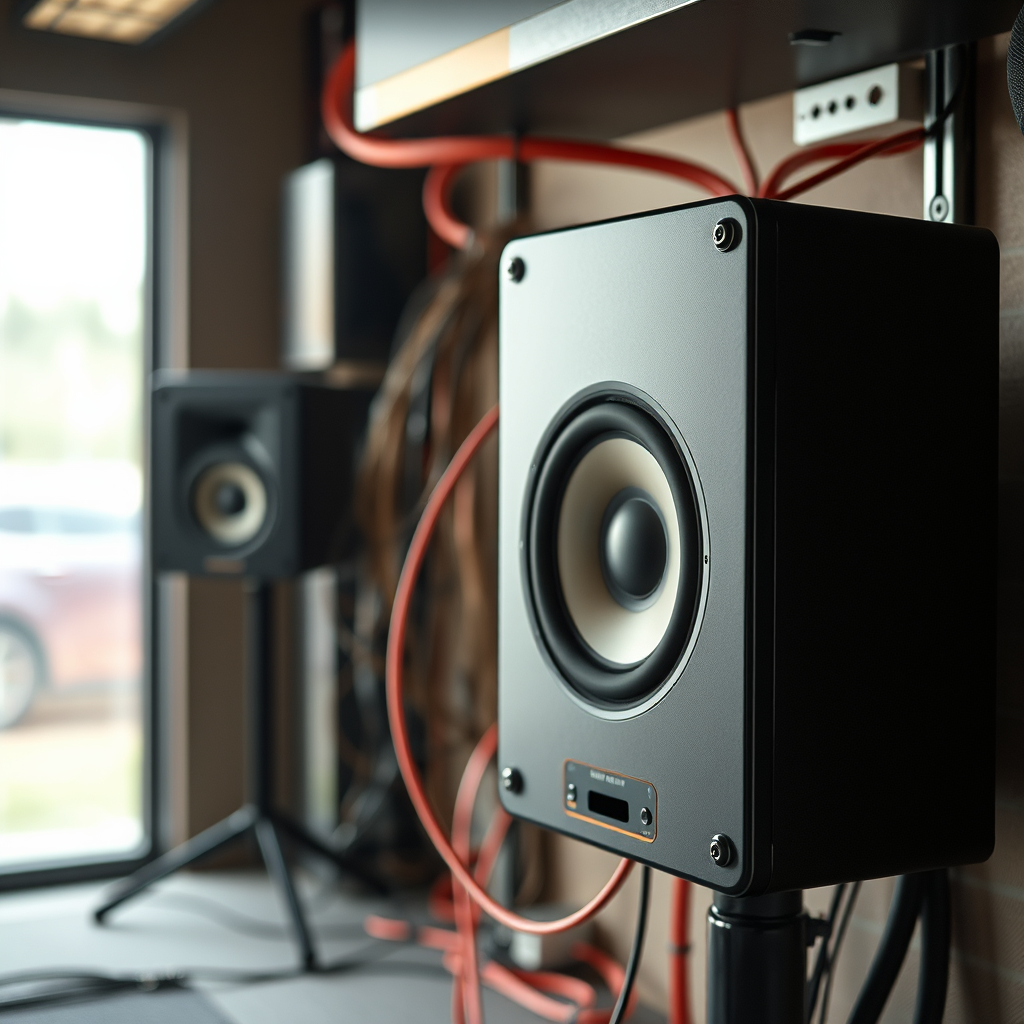
Parallel wiring involves connecting multiple speakers to a single amplifier, allowing each speaker to receive the same voltage. This method is particularly beneficial for those who want to increase their audio output without altering the impedance load presented to the amplifier. When done correctly, parallel wiring can enhance sound quality, ensuring that all speakers deliver a balanced audio experience.
Maintaining a consistent impedance level is crucial in audio setups. For instance, if you connect two 8-ohm speakers in parallel, the total impedance drops to 4 ohms, which is compatible with many amplifiers. Understanding how parallel connections affect impedance is vital for achieving optimal sound performance.
Tools and Materials Needed
Before you begin wiring your speakers in parallel, gather the following tools and materials:
– Speaker wire: Ensure you have a suitable gauge for your speakers; typically, 16-gauge wire is sufficient for most home audio systems.
– Wire strippers: You’ll need these to remove the insulation from the ends of the speaker wire.
– Soldering iron (optional): For those looking for secure connections, soldering can ensure a reliable and long-lasting bond.
– Speaker connectors: Depending on your speakers and amplifier, you may need connectors to facilitate easy disconnection and connection.
Having these tools on hand will make the wiring process smoother and more efficient.
Step-by-Step Wiring Process
Follow these steps to wire your speakers in parallel effectively:
1. Measure the speaker wire: Begin by determining the length of speaker wire needed for each connection. It’s wise to leave a little extra length to accommodate for adjustments.
2. Strip the wire ends: Using the wire strippers, remove about half an inch of insulation from both ends of each wire piece.
3. Connect to the speaker terminals: Attach one end of the wire to the positive terminal and the other end to the negative terminal of each speaker. Ensure that the positive and negative terminals are matched correctly to avoid phase issues.
4. Join the speakers in parallel: To connect multiple speakers in parallel, run additional wires from the positive terminals of all speakers to the positive terminal of the amplifier. Repeat this for the negative terminals.
5. Double-check connections: Before powering on your system, check all connections to ensure they are secure and properly configured.
Following these steps will help you achieve a successful wiring setup that enhances your audio performance.
Impedance Considerations
Understanding impedance is crucial when wiring speakers in parallel. Impedance affects how much power the amplifier delivers to each speaker. When connecting speakers in parallel, the total impedance is calculated using the formula:
\[
\text{Total Impedance (Z)} = \frac{1}{\left(\frac{1}{R_1} + \frac{1}{R_2} + … + \frac{1}{R_n}\right)}
\]
For example, if you connect two 8-ohm speakers in parallel, the calculation would be:
\[
Z = \frac{1}{(1/8 + 1/8)} = 4 \, \text{ohms}
\]
It’s essential to ensure that the total impedance does not drop below the minimum impedance rating of your amplifier, as this could potentially damage the amplifier or cause overheating.
Speaker Impedance Comparison (2024)
| # | Speaker Model | Impedance (Ohms) | Power Handling (Watts) | Efficiency (dB) |
|---|---|---|---|---|
| 1 | JBL Stage 2 | 4 | 150 | 92 |
| 2 | Pioneer TS-A1670F | 4 | 220 | 90 |
| 3 | Alpine SPS-610 | 4 | 100 | 91 |
| 4 | Kenwood KFC-1665S | 4 | 180 | 89 |
| 5 | Infinity Reference | 4 | 130 | 94 |
| 6 | Rockford Fosgate R169X2 | 4 | 150 | 87 |
| 7 | Sony XS-GS1621C | 4 | 150 | 90 |
Testing Your Setup
After completing the wiring, it’s essential to test your setup to ensure everything is functioning optimally. Follow these steps for thorough testing:
1. Power on the amplifier: Start your audio system and set the volume to a low level to avoid damaging the speakers.
2. Test each speaker individually: Play a known audio track and listen to each speaker separately. Check for clarity and absence of distortion. Adjust the balance settings on your amplifier if necessary.
3. Evaluate sound quality: Focus on the quality of sound each speaker produces. Ensure that the bass, midrange, and treble frequencies are well-balanced across all speakers.
4. Check for even volume: Make sure that the sound levels are consistent. If one speaker is significantly louder or quieter, revisit your wiring to troubleshoot potential issues.
By conducting these tests, you can confirm that your parallel wiring setup is correctly executed and delivering optimal sound.
Troubleshooting Common Issues
If you encounter issues such as sound distortion or one speaker not working, consider the following troubleshooting steps:
– Check connections: Ensure that all wire connections are secure and correctly placed on the positive and negative terminals.
– Inspect speaker wires: Look for any damage, kinks, or wear in the speaker wire that could affect signal transmission.
– Verify impedance: Confirm that the total impedance of the connected speakers does not exceed the amplifier’s capability.
– Test with another speaker: If one speaker isn’t working, try disconnecting it and testing another speaker in its place to determine if the issue lies with the speaker itself or the wiring.
These common troubleshooting steps can help you resolve most issues that arise during setup.
Maintenance Tips for Longevity
To ensure your speakers and wiring maintain optimal performance over time, consider these maintenance tips:
– Regularly check connections: Periodically inspect all connections for signs of corrosion or wear. Clean any terminals that appear oxidized.
– Keep speaker wires organized: Use cable ties or clips to keep your speaker wires organized and untangled, reducing the risk of damage.
– Avoid overdriving the system: Be mindful of the volume levels, as excessive power can lead to speaker damage or distortion.
– Store equipment properly: When not in use, store your audio equipment in a dry, cool area to prevent moisture damage.
Implementing these maintenance practices will enhance the longevity and performance of your audio setup.
In summary, parallel wiring speakers is a practical solution for enhancing your audio system when executed correctly. By understanding the wiring process, impedance considerations, and maintenance tips, you can ensure a successful installation. If you have any questions or need further assistance, don’t hesitate to reach out or consult additional resources. Happy wiring!
Frequently Asked Questions
What is the best way to parallel wire speakers for optimal sound quality?
To achieve optimal sound quality when parallel wiring speakers, first ensure that all speakers have the same impedance rating. Connect the positive terminal of the amplifier to the positive terminals of each speaker, and do the same for the negative terminals. This method maintains the correct impedance load and maximizes power distribution, resulting in balanced sound output.
How do I determine the total impedance when parallel wiring multiple speakers?
To calculate the total impedance of speakers wired in parallel, use the formula: 1 / (1/R1 + 1/R2 + 1/R3 + … + 1/Rn), where R represents the impedance of each speaker. For example, if you wire two 8-ohm speakers in parallel, the total impedance would be 4 ohms, which is crucial for matching your amplifier’s specifications and avoiding damage.
Why should I consider parallel wiring my speakers instead of series wiring?
Parallel wiring speakers allows for a lower total impedance, which can result in greater power output from your amplifier. This configuration also ensures that each speaker receives the same voltage, leading to better sound consistency and volume across all speakers, making it a popular choice for achieving a robust audio experience.
Which speaker configurations are ideal for parallel wiring in home audio systems?
Ideal speaker configurations for parallel wiring in home audio systems include matching pairs of bookshelf or floor-standing speakers, as well as multiple subwoofers. It’s important to ensure that the combined impedance does not fall below your amplifier’s minimum load rating, as this can prevent overheating and potential damage to your audio equipment.
What common mistakes should I avoid when parallel wiring speakers?
Common mistakes to avoid when parallel wiring speakers include mismatching impedance ratings, which can overload your amplifier, and failing to securely connect all terminals, leading to poor sound quality. Additionally, neglecting to check the amplifier’s power rating can result in distortion or damage, so always verify compatibility before proceeding with your wiring setup.
References
- https://en.wikipedia.org/wiki/Speaker_%28audio%29#Wiring
https://en.wikipedia.org/wiki/Speaker_%28audio%29#Wiring - https://www.audioholics.com/loudspeaker-design/parallel-vs-series-wiring
https://www.audioholics.com/loudspeaker-design/parallel-vs-series-wiring - Google Scholar Google Scholar
https://scholar.google.com/scholar?q=how+to+parallel+wire+speakers - Google Scholar Google Scholar
https://scholar.google.com/scholar?q=speaker+wiring+techniques - Google Scholar Google Scholar
https://scholar.google.com/scholar?q=parallel+and+series+speaker+connections - Position Sensor and Linear Positional Sensors
https://www.electronics-tutorials.ws/io/io_2.html - how to parallel wire speakers – Search results
https://en.wikipedia.org/wiki/Special:Search?search=how+to+parallel+wire+speakers - https://www.ncbi.nlm.nih.gov/search/research-articles/?term=how+to+parallel+wire+speakers
https://www.ncbi.nlm.nih.gov/search/research-articles/?term=how+to+parallel+wire+speakers
