
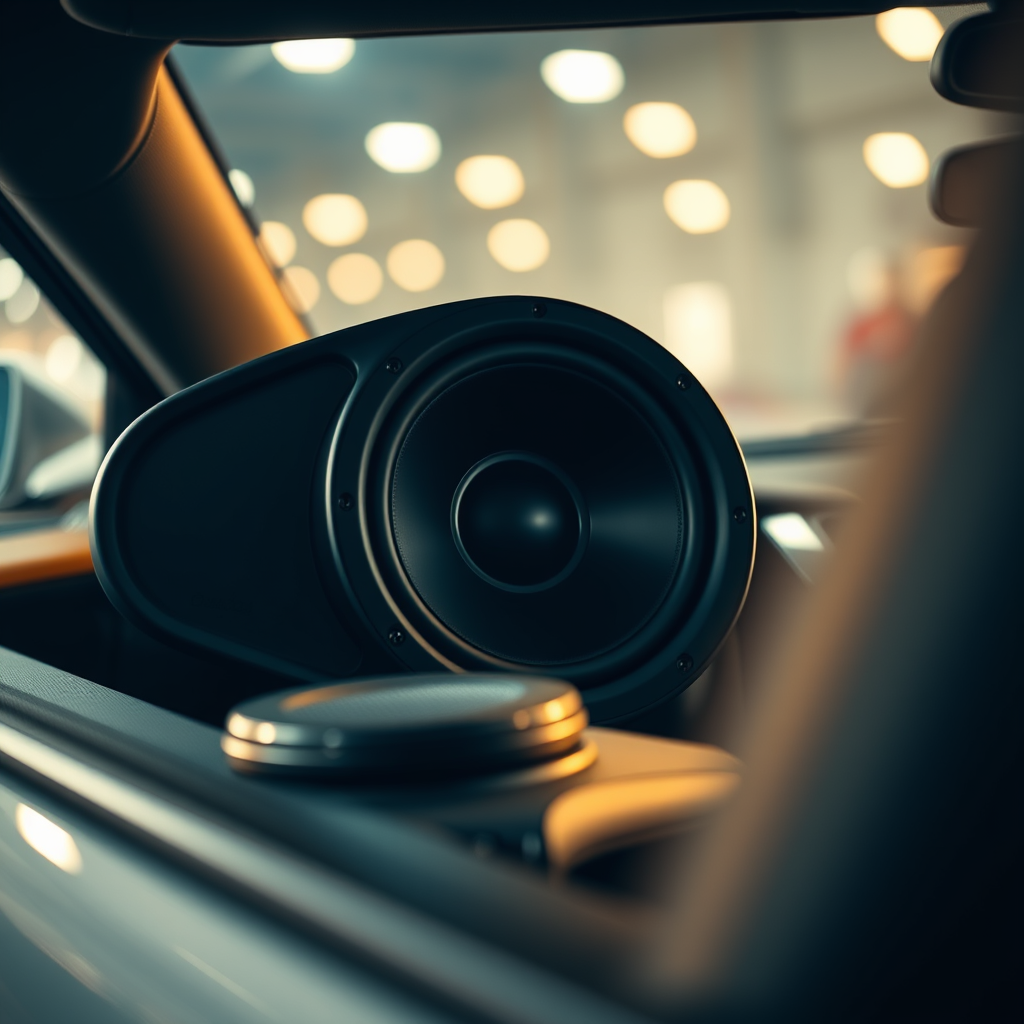

Testing your car speakers is a straightforward process that can significantly enhance your listening experience. By following this guide, you can systematically evaluate the performance and sound quality of your speakers, ensuring optimal clarity, balance, and functionality. Whether you’re troubleshooting issues or simply seeking to improve your audio system, these steps will help you make informed decisions about your car’s sound system.
Understand Your Equipment
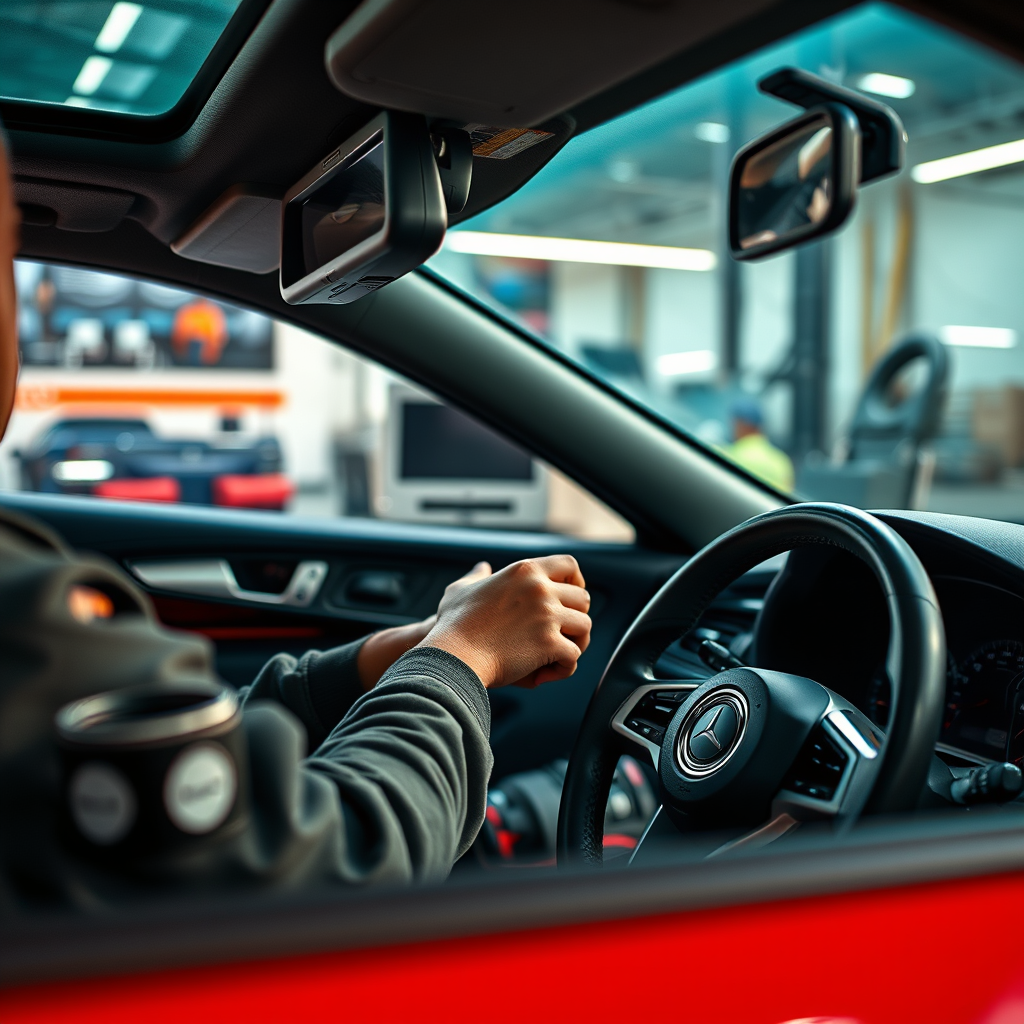
To begin, it’s essential to familiarize yourself with your car speakers’ specifications and features. Understanding the power ratings, impedance levels, and frequency response will provide a foundation for evaluating their performance. For example, a speaker with high sensitivity ratings will be more efficient at converting power into sound, which is particularly beneficial for those using factory-installed audio systems.
Next, identify the audio source you will use for testing. This could be a smartphone, a dedicated stereo system, or audio testing software. Ensure the source is compatible with your speakers and capable of delivering high-quality audio. Using lossless audio files or high-quality streaming services will yield the best results during testing.
Gather Your Testing Tools
Collect the appropriate tools needed for an effective testing session. A high-quality audio source is crucial, so opt for a device that can play various music genres. This diversity will allow you to test different aspects of your speakers, including bass response, midrange clarity, and treble sharpness.
Additionally, a multimeter can be a valuable tool. It will help you check for electrical continuity, ensuring that your speakers are receiving power as intended. This is particularly useful when troubleshooting issues such as a lack of sound or intermittent audio.
Prepare Your Vehicle
Before testing, ensure that your car is in a quiet environment. External noise can interfere with your ability to accurately assess the sound quality of your speakers. Choose a location where you can control the volume of your audio source without distractions.
When you begin the testing process, adjust the volume of your audio source to a moderate level. This prevents distortion that can occur at high volumes, allowing for a clearer evaluation of the speakers’ capabilities.
Top Car Speakers by Sound Quality (2024)
| # | Speaker Model | Frequency Response (Hz) | Power Handling (W) | Sensitivity (dB) |
|---|---|---|---|---|
| 1 | JBL GTO609C | 45 – 21,000 | 180 | 94 |
| 2 | Pioneer TS-A1686R | 36 – 24,000 | 350 | 91 |
| 3 | Rockford Fosgate R165X3 | 45 – 20,000 | 90 | 91 |
| 4 | Infinity Reference 6030cs | 45 – 30,000 | 270 | 93 |
| 5 | Kenwood KFC-1665S | 30 – 22,000 | 300 | 92 |
| 6 | Alpine SPR-60C | 60 – 28,000 | 300 | 91 |
| 7 | Focal Integration ISS 165 | 60 – 20,000 | 160 | 100 |
Conduct a Visual Inspection
Before diving into audio tests, a visual inspection of your speakers is critical. Look for any physical damage, such as tears, dents, or rust. These issues can severely affect sound quality and may require immediate attention or replacement.
Also, inspect the wiring and connections. Loose or frayed wires can lead to poor connectivity and sound distortion. Ensure that all connections are secure and that the wires are free of corrosion or damage. If you find any issues during this inspection, addressing them beforehand can save you time during the sound testing phase.
Perform a Sound Test
Now comes the most enjoyable part—performing the sound test. Start by playing a range of audio tracks that include different genres such as classical, rock, and hip-hop. This variety will help you assess clarity, bass response, and overall balance.
Pay close attention to how the speakers handle bass-heavy tracks. You should feel a rich, deep sound without distortion. Similarly, evaluate midrange and treble frequencies; these should be clear and crisp. Listen for any distortion or rattling sounds, which may indicate a problem with the speakers or their installation.
Additionally, adjust the equalizer settings on your audio source and observe how the sound changes. This can help you determine if certain frequencies are more problematic than others.
Evaluate the Results
After completing the sound test, take detailed notes on each speaker’s performance. Record any discrepancies you notice, such as a lack of bass or muddiness in the midrange. Comparing the sound quality across different frequencies is essential for identifying weak points in your audio system.
You may also want to compare your findings against the specifications of the speakers to see if they are performing as expected. If certain speakers consistently underperform, it may indicate that they need replacement or a more thorough inspection.
Troubleshoot Common Issues
If you encounter issues like poor sound quality or no sound at all, there are several steps you can take to troubleshoot. Start by checking the connections again; it’s not uncommon for wires to become loose over time.
If the problem persists, consider adjusting the equalizer settings to see if that improves the sound. In some cases, a compatibility issue between your audio source and the speakers may lead to subpar performance.
If you’ve tried these adjustments and still face issues, it may be time to consult a professional. They can provide further evaluation and recommend appropriate solutions, whether it’s a repair or an upgrade to your sound system.
Summarizing your findings will help you determine the condition of your car speakers and whether they need repair or replacement. By taking the time to test and evaluate your speakers, you can significantly enhance your in-car audio experience. If you’ve identified any significant issues, don’t hesitate to take action—whether that means making adjustments, replacing components, or consulting with an expert. Ultimately, a well-functioning sound system can transform your driving experience, making each journey more enjoyable.
Frequently Asked Questions
How can I test car speakers without professional equipment?
You can test car speakers without professional equipment by using a simple method involving your smartphone or a portable audio device. Connect your device to the car’s audio system, play a familiar song, and listen for clarity, volume, and any distortion. Additionally, try playing different types of audio, such as bass-heavy tracks and vocal-focused songs, to assess the speaker’s performance across various frequencies.
What are the signs that my car speakers are failing?
Common signs that your car speakers may be failing include distorted sound, buzzing or rattling noises, or a complete lack of sound from one or more speakers. You might also notice that the sound quality diminishes at higher volumes or that the speakers seem to be cutting in and out. If you experience these issues, it’s essential to test the speakers to confirm the problem before considering a replacement.
Why is it important to test car speakers regularly?
Regularly testing your car speakers is important to ensure that they are functioning properly and delivering optimal sound quality. Over time, wear and tear can affect speaker performance, leading to issues like distortion or decreased volume. By testing them periodically, you can catch problems early and address them, which can enhance your overall driving experience and prolong the life of your audio system.
What is the best way to test the sound quality of car speakers?
The best way to test the sound quality of car speakers is to use a variety of audio tracks that highlight different sound frequencies and dynamics. Start with bass-heavy songs to evaluate low-frequency response, then switch to tracks with clear vocals and high frequencies. Pay attention to the clarity, balance, and overall audio richness as you play each track to get a comprehensive understanding of your speakers’ performance.
Which tools can I use to troubleshoot car speaker issues?
To troubleshoot car speaker issues, you can use tools like a multimeter to check for electrical continuity and a smartphone app for sound frequency analysis. Additionally, a simple audio source like a portable speaker or your phone can help identify if the problem lies within the speakers or the car’s audio system. If you suspect wiring issues, having a set of basic tools for inspecting and reconnecting wires can also be helpful.
References
- Loudspeaker
https://en.wikipedia.org/wiki/Loudspeaker - https://www.sciencedirect.com/topics/engineering/loudspeaker
https://www.sciencedirect.com/topics/engineering/loudspeaker - Google Scholar Google Scholar
https://scholar.google.com/scholar?q=how+to+test+car+speakers - https://www.nature.com/articles/s41598-020-66393-9
https://www.nature.com/articles/s41598-020-66393-9 - https://www.bbc.com/future/article/20200924-the-science-of-sound-and-how-it-changes-your-mood
https://www.bbc.com/future/article/20200924-the-science-of-sound-and-how-it-changes-your-mood - Google Scholar Google Scholar
https://scholar.google.com/scholar?q=car+audio+testing - https://www.pubmed.ncbi.nlm.nih.gov/26062393/
https://www.pubmed.ncbi.nlm.nih.gov/26062393/ - https://www.ata.org/education/testing-and-evaluation-in-audio
https://www.ata.org/education/testing-and-evaluation-in-audio - https://www.reuters.com/article/us-sound-testing-idUSKBN1ZT2X4
https://www.reuters.com/article/us-sound-testing-idUSKBN1ZT2X4 - https://www.theguardian.com/technology/2021/may/05/sound-and-music-technology-advancements
https://www.theguardian.com/technology/2021/may/05/sound-and-music-technology-advancements
