


To effectively tune an amplifier for speakers, start by adjusting the gain and equalization settings to match the speaker’s specifications, ensuring optimal sound quality and performance. This guide will walk you through the essential steps and considerations needed to achieve the best audio experience, allowing you to enjoy your audio equipment to its fullest potential.
Properly tuning an amplifier is crucial for achieving high-quality sound. The process involves understanding the compatibility between your amplifier and speakers, setting the gain correctly, adjusting equalization settings, optimizing speaker placement, conducting thorough testing, and avoiding common mistakes. By following these steps, you can create a tailored audio experience that meets your preferences and enhances your listening environment.
Understanding Amplifier and Speaker Compatibility
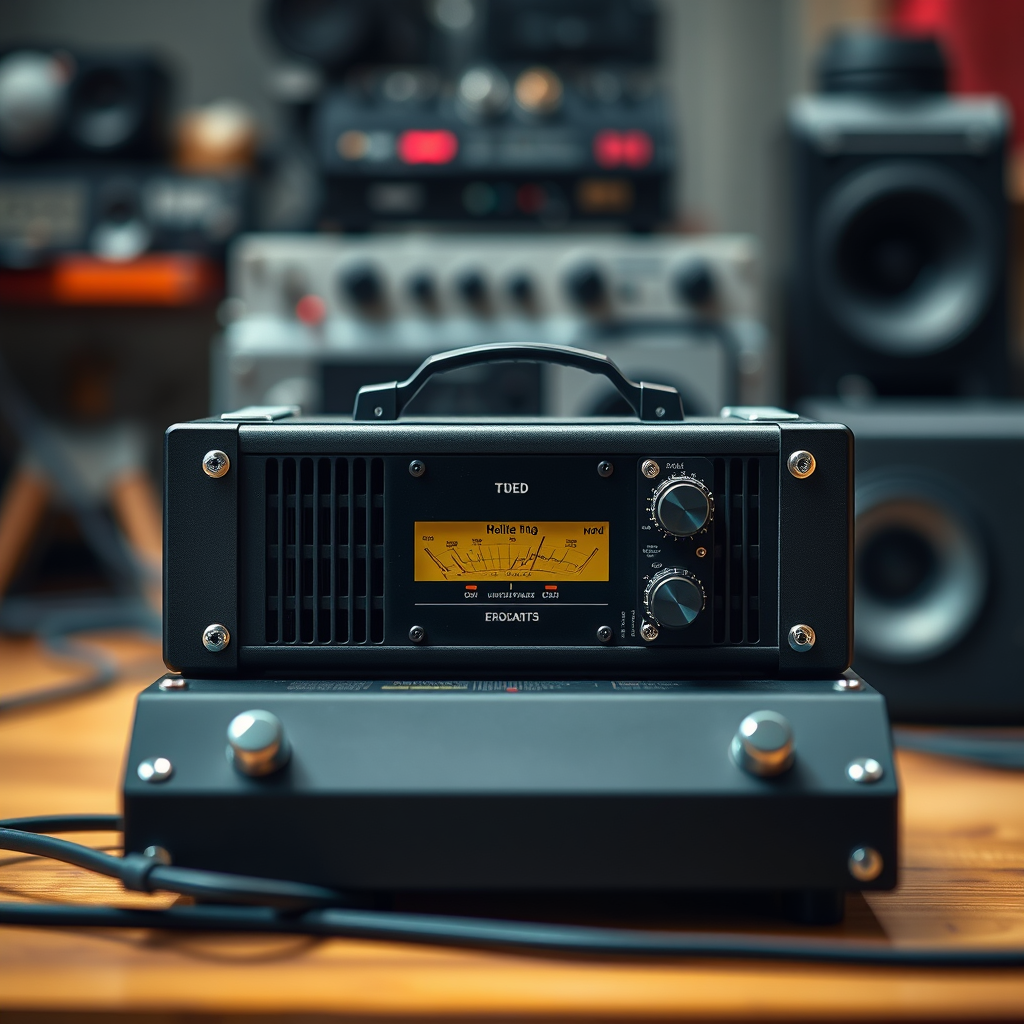
Before diving into the tuning process, it’s essential to understand the power ratings and impedance of your speakers and amplifier. Speakers have specific power handling capabilities, indicated in watts (W), which denote how much power they can handle without distortion or damage. The impedance, measured in ohms (Ω), is equally important, as it affects how the amplifier will drive the speakers.
For instance, if you have an 8-ohm speaker rated for 100 watts, ensure that your amplifier can deliver the appropriate wattage at that impedance. An amplifier rated for 50 watts at 8 ohms is suitable, but using one that outputs 200 watts could potentially damage the speaker. To avoid mismatches, always consult the specifications of both the amplifier and speakers before proceeding.
Setting the Gain for Optimal Sound
Setting the gain on your amplifier is one of the most critical steps in tuning. Begin with the gain control set to a low level. Gradually increase the gain while playing music at a moderate volume. Listen for any signs of distortion, which can indicate that the gain is too high. Distortion not only detracts from sound quality but can also damage your speakers over time.
The ideal gain setting strikes a balance where the sound is clear and powerful without clipping. A good rule of thumb is to increase the gain until you reach a comfortable listening level and then back off slightly to ensure you don’t push the amplifier beyond its limits. This sweet spot will provide the best overall sound quality.
Adjusting Equalization Settings
Equalization (EQ) allows you to tailor the sound to your preferences by adjusting various frequency bands—typically bass, midrange, and treble. Familiarize yourself with the EQ controls on your amplifier and understand how they affect sound.
Start by playing a reference track that you know well. Make small adjustments to each band, taking note of how the changes impact the overall sound. For example, boosting the bass can add warmth but may also muddy the sound if overdone. Similarly, increasing treble can enhance clarity but might lead to harshness if pushed too far. Achieving the right balance is key to a pleasant listening experience.
Top 7 Amplifiers for Speaker Tuning (2024)
| # | Model | Power Output (W) | Impedance (Ω) | Features |
|---|---|---|---|---|
| 1 | Yamaha A-S801 | 100 | 8 | Built-in DAC, Bluetooth |
| 2 | Marantz PM8006 | 70 | 8 | Phono input, High current |
| 3 | NAD C 316BEE | 40 | 8 | Compact, Budget-friendly |
| 4 | Onkyo A-9150 | 75 | 6 | USB DAC, 5 inputs |
| 5 | Cambridge Audio CXA81 | 80 | 8 | Bluetooth, Streaming |
| 6 | Denon PMA-600NE | 70 | 8 | Phono input, Bluetooth |
| 7 | Sony STR-DN1080 | 100 | 8 | 7.2 Channels, 4K HDR |
Fine-tuning Speaker Placement
The placement of your speakers significantly impacts the overall sound quality. Experimenting with the positioning of your speakers can lead to noticeable improvements in acoustics. Start by placing your speakers at ear level when seated, as this ensures that sound travels directly to your ears for optimal clarity.
Consider the distance from walls—too close can create unwanted reflections and bass buildup, while too far may lead to a lack of impact. Ideally, speakers should be positioned at least a foot away from walls. Additionally, experiment with the angle of the speakers; slight adjustments can enhance the stereo image and soundstage, providing a more immersive listening experience.
Testing and Listening for Quality
After making adjustments, it’s time to test the sound quality across various music genres. The diversity of genres allows you to assess different aspects of sound performance—clarity in vocals, punchiness in bass, and overall balance.
During playback, listen for any irregularities. Are the highs crisp without being piercing? Is the bass deep yet controlled? Do instruments feel adequately separated in the mix? Critical listening is key; don’t hesitate to make further adjustments based on your observations. This iterative process of testing and refining will lead to a sound that is tailored to your preferences.
Common Mistakes to Avoid
As you tune your amplifier, be wary of common pitfalls that can hinder sound quality. One of the most prevalent mistakes is setting the gain too high, resulting in distortion and clipping. Clipping occurs when the amplifier is pushed beyond its limits, leading to a harsh sound and potential damage to speakers.
Additionally, neglecting phase settings can adversely impact sound quality. Incorrect phase can lead to cancellation effects, especially when multiple speakers are in use, degrading sound clarity and depth. Always ensure that your phase settings are correct, and if possible, use a phase checker to confirm proper alignment.
Maintenance Tips for Long-term Performance
To maintain optimal performance over time, regularly check and clean all connections to prevent signal loss. Dust and debris can accumulate, which can lead to signal degradation. A simple cleaning routine can ensure that your connections remain secure and effective.
Furthermore, keep your amplifier in a well-ventilated area. Overheating can cause performance issues and shorten the lifespan of your equipment. Ensure that there is adequate airflow around the amplifier and avoid placing it in enclosed spaces where heat can build up.
By following these steps, you can ensure that your amplifier is finely tuned to deliver the best performance for your speakers. Remember to take your time with adjustments and listen critically to achieve the ideal sound. If you found this guide helpful, consider sharing it with others looking to enhance their audio setup!
Frequently Asked Questions
What is the proper way to set the gain on my amplifier for speakers?
To set the gain on your amplifier, start with the volume on your source device turned down to zero. Gradually increase the gain on the amplifier until you reach a desired listening level without distortion, ensuring the sound remains clear. This process helps to match the output level of your source to the input sensitivity of the amplifier, optimizing sound quality.
How do I adjust the equalization settings on my amplifier for better sound?
Adjusting the equalization (EQ) settings on your amplifier involves finding the right balance between bass, midrange, and treble frequencies. Start with a flat EQ and make incremental adjustments based on your music genre and personal preferences. Using a sound test track can help you identify the best settings for your speakers, enhancing overall audio performance.
Why is it important to tune my amplifier correctly for my speakers?
Tuning your amplifier correctly is crucial because improper settings can lead to audio distortion, speaker damage, or an unbalanced sound profile. By optimizing the gain, EQ, and crossover settings, you can ensure that your speakers perform at their best, delivering clear and powerful sound without any risk of damage from overpowering or underpowering.
What are the best practices for tuning an amplifier for home audio speakers?
The best practices for tuning an amplifier for home audio speakers include starting with a flat EQ, setting the gain appropriately, and adjusting the crossover frequencies based on your speaker specifications. Additionally, ensure that your speakers are placed correctly in your room to avoid any acoustic issues, and use high-quality cables to maintain signal integrity.
Which tools do I need to effectively tune an amplifier for my speakers?
To effectively tune an amplifier for your speakers, you’ll need a sound level meter or smartphone app for measuring sound levels, a frequency generator for testing different frequencies, and quality headphones for critical listening. These tools help you make precise adjustments and ensure that your amplifier settings achieve the best possible audio performance for your specific speaker setup.
References
- Amplifier
https://en.wikipedia.org/wiki/Amplifier - https://www.sciencedirect.com/topics/engineering/amplifier
https://www.sciencedirect.com/topics/engineering/amplifier - Amplifier | Audio, Signal Processing & Volume Control | Britannica
https://www.britannica.com/technology/amplifier - https://pubmed.ncbi.nlm.nih.gov/
https://pubmed.ncbi.nlm.nih.gov/ - https://www.nature.com/articles
https://www.nature.com/articles - Centers for Disease Control and Prevention | CDC
https://www.cdc.gov/ - World Health Organization (WHO)
https://www.who.int/ - Google Scholar Google Scholar
https://scholar.google.com/scholar?q=tuning+amplifier+for+speakers - Google Scholar Google Scholar
https://scholar.google.com/scholar?q=amplifier+speaker+matching - Google Scholar Google Scholar
https://scholar.google.com/scholar?q=how+to+tune+amplifier+for+speakers
