
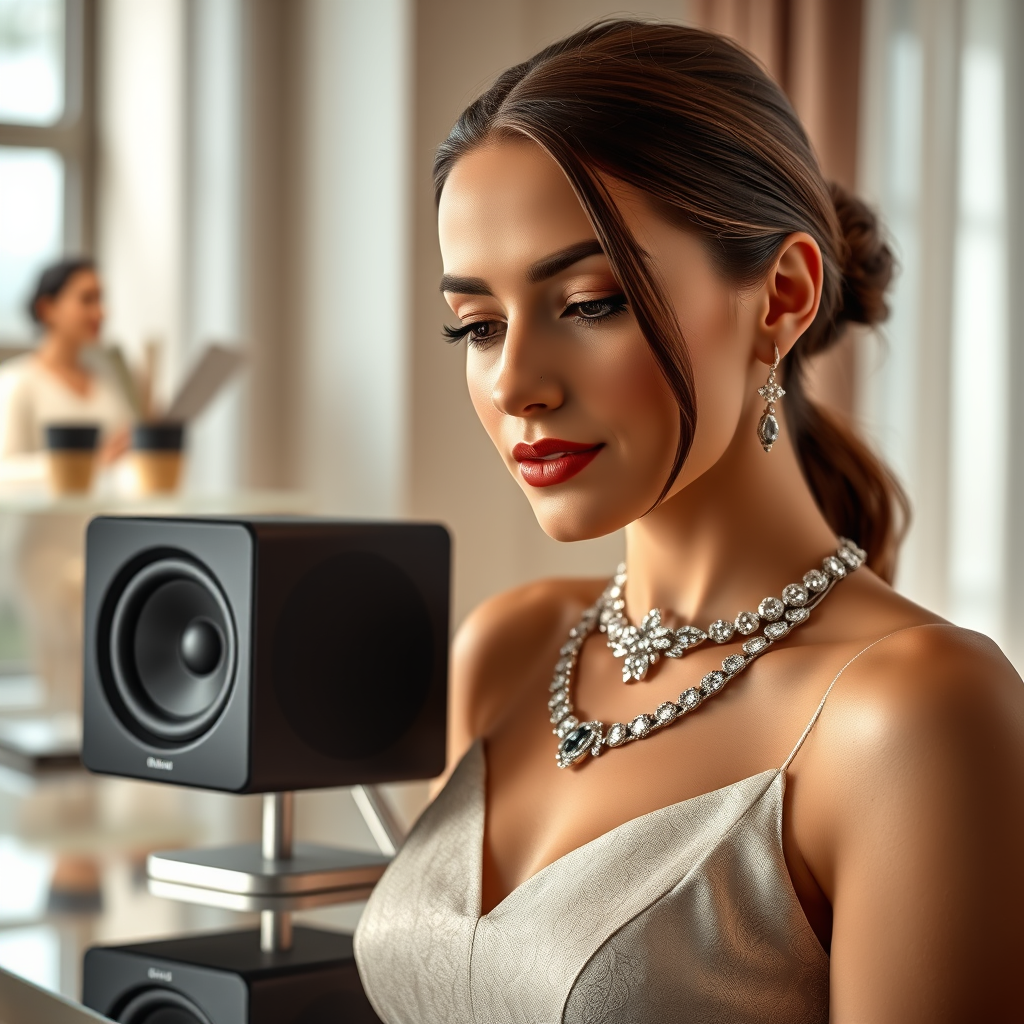

Two-way speakers are audio systems that utilize two distinct drivers—woofers for low frequencies and tweeters for high frequencies—allowing for a more balanced and immersive listening experience compared to single-driver speakers. This dual-driver design is essential for delivering rich sound quality across the audio spectrum, making two-way speakers a popular choice among music enthusiasts and home theater aficionados. In this article, we will delve deeper into the components, functionality, advantages, and applications of two-way speakers, thereby enhancing your understanding of their significance in modern audio setups.
What Are Two-Way Speakers?
Two-way speakers are designed specifically to improve sound reproduction by integrating two different types of drivers. The primary function of these speakers is to produce a wide range of audio frequencies, ensuring that both low and high tones are delivered with clarity and depth.
The two main drivers in a two-way speaker are:
– Woofer: This driver handles the lower frequency sounds, typically ranging from about 20 Hz to 2 kHz. Woofers are responsible for producing bass and mid-bass frequencies, which are crucial for music genres that rely heavily on rhythm and low-end sound, such as hip-hop and electronic music.
– Tweeter: In contrast, the tweeter is designed to reproduce higher frequencies, generally from 2 kHz to 20 kHz and beyond. Tweeters add clarity and detail to music, ensuring that vocals and high-pitched instruments, such as cymbals and violins, are crisp and clear.
By combining these two drivers, two-way speakers can achieve a well-rounded audio performance that enhances the listening experience across various genres and media.
How Do Two-Way Speakers Work?
The functionality of two-way speakers hinges on their ability to separate and reproduce different frequency ranges effectively. Each driver is optimized for its specific range, which allows for a more precise sound reproduction without distortion.
– Frequency Range: The woofer operates at lower frequencies, which means it moves larger amounts of air to create deep bass sounds. This is essential for delivering the fullness and warmth of music. On the other hand, the tweeter works at higher frequencies, employing a smaller diaphragm to produce sharp and detailed sounds.
– Sound Production: When audio signals are transmitted to a two-way speaker, they pass through a crossover network—a crucial component that divides the audio frequencies between the woofer and tweeter. The crossover ensures that only the appropriate frequencies reach each driver, enhancing the overall sound quality. The woofer handles bass, while the tweeter manages treble, allowing for a seamless and cohesive audio experience.
This division of labor between the two drivers not only reduces distortion but also enables the speaker to produce a fuller sound than single-driver systems, providing listeners with an enriched auditory experience.
Advantages of Two-Way Speakers
Two-way speakers offer several compelling advantages that make them a preferred choice for various audio applications:
– Improved Sound Quality: The separation of frequencies allows two-way speakers to deliver clear highs and rich lows. This results in a more dynamic sound profile that can capture the subtle nuances of music and dialogue.
– Versatility: These speakers are adaptable for numerous listening environments, ranging from home audio systems to professional setups. Their ability to reproduce a wide frequency range makes them suitable for any setting, whether you’re enjoying music, watching movies, or hosting events.
– Compact Design: Many two-way speaker models are designed to be space-efficient, making them ideal for smaller rooms or setups where space is a constraint. Despite their compact size, they can still deliver powerful sound.
– Cost-Effective: Compared to multi-way systems that use more than two drivers, two-way speakers can provide excellent sound quality at a more affordable price, making them accessible to a broader audience.
Common Applications of Two-Way Speakers
Two-way speakers are widely used in various applications, reflecting their versatility and effectiveness.
– Home Theater Systems: In a home theater setup, two-way speakers enhance the audio experience by delivering rich soundscapes that complement visual elements. They can effectively reproduce the sound of explosions, dialogues, and musical scores, making movies more immersive.
– Music Production and Live Sound Events: In professional audio environments, such as recording studios and concerts, two-way speakers are used to ensure accurate sound reproduction. Their ability to deliver precise audio makes them essential tools for sound engineers and musicians alike.
– Portable Speakers: Many portable and Bluetooth speaker models employ a two-way design to maximize sound quality in a compact format, appealing to users who prioritize audio performance on the go.
– Bookshelf Speakers: Two-way bookshelf speakers are popular among audiophiles for their ability to fit into various home setups without compromising on sound quality.
Top 7 Two-Way Speakers by Popularity (2024)
| # | Speaker Model | Power (Watts) | Frequency Response (Hz) | Price ($) |
|---|---|---|---|---|
| 1 | Klipsch R-41M | 50 | 68-21,000 | 149 |
| 2 | Bowers & Wilkins 607 | 100 | 52-28,000 | 599 |
| 3 | ELAC Debut 2.0 B6.2 | 130 | 46-35,000 | 349 |
| 4 | Polk Audio T15 | 100 | 60-24,000 | 99 |
| 5 | Q Acoustics 3020i | 75 | 64-30,000 | 299 |
| 6 | Yamaha NS-6490 | 100 | 45-24,000 | 169 |
| 7 | Infinity Reference R162 | 75 | 50-40,000 | 179 |
Choosing the Right Two-Way Speakers
When selecting two-way speakers, several factors should be considered to ensure you make an informed decision that aligns with your audio needs:
– Size and Design: The dimensions of the speakers should match the space where they will be placed. Larger speakers can produce more powerful sound but may not fit well in smaller areas.
– Power Rating: Understanding the power rating, measured in watts, is crucial as it determines how loud the speakers can go without distortion. Higher wattage typically means better performance in larger rooms or for high-energy listening.
– Sensitivity: Measured in decibels (dB), sensitivity indicates how efficiently a speaker converts power into sound. Higher sensitivity ratings mean the speakers will produce more sound from less power, making them ideal for low-powered amplifiers.
– Compatibility: Ensure the speakers are compatible with your audio source, including receivers or amplifiers. This includes checking impedance and the overall power handling capacity.
– Room Acoustics: The acoustics of the room where the speakers will be used can greatly affect sound quality. Treating the room with soft materials or acoustic panels can enhance the performance of two-way speakers.
Maintenance and Care for Two-Way Speakers
To maintain optimal performance and longevity of your two-way speakers, proper care is essential:
– Cleaning: Regularly dust the speaker cones and cabinet with a soft, dry cloth. Avoid using harsh chemicals that could damage the finish or drivers.
– Placement: Ensure that the speakers are placed on stable surfaces, away from direct sunlight and moisture, which can cause damage over time.
– Wiring: Check the speaker wires periodically for wear or fraying, and ensure they are securely connected to prevent sound loss or distortion.
– Troubleshooting: If you encounter issues such as distortion or a lack of sound, first check connections and settings on your audio source. If problems persist, consult the manufacturer’s guidelines or seek professional help.
Regular maintenance not only enhances performance but also extends the life of your investment in high-quality audio equipment.
In summary, understanding two-way speakers is crucial for anyone looking to enhance their audio experience, whether at home or in a professional setting. By exploring their components, functionality, advantages, and applications, you are better equipped to choose the right speakers for your needs. As you consider upgrading your audio setup, take the time to explore various two-way speaker options and evaluate how they can meet your specific audio requirements. Enjoy the journey of discovering the incredible world of sound!
Frequently Asked Questions
What are 2 way speakers and how do they work?
Two-way speakers are audio devices that use two distinct speaker drivers to produce sound: a woofer for low frequencies and a tweeter for high frequencies. This design allows for a more balanced sound reproduction, making them ideal for music and home theater systems, as they can effectively cover a wide range of sound frequencies.
Why should I choose 2 way speakers over 3 way speakers?
Choosing 2 way speakers over 3 way speakers often comes down to space, budget, and sound preferences. While 3 way speakers offer an extended frequency range with an additional midrange driver, 2 way speakers are usually more compact, cost-effective, and can deliver excellent sound quality for most casual listening environments.
How do I install 2 way speakers in my home audio setup?
To install 2 way speakers, first determine the optimal location for placement, ensuring they are at ear level when seated. Connect the speaker wires from your amplifier to the corresponding terminals on the speakers, ensuring proper polarity, and then adjust your audio settings for the best sound quality, taking advantage of any equalizer settings your system may offer.
What are the best 2 way speakers for home theater systems?
The best 2 way speakers for home theater systems typically include models known for their clarity and depth of sound. Popular options include the ELAC Debut 2.0 B6.2 and the Klipsch R-41M, both of which provide exceptional audio performance and are well-reviewed for their ability to handle dynamic movie soundtracks.
Which brands are known for producing high-quality 2 way speakers?
Brands like JBL, Bose, Pioneer, and Polk Audio are renowned for producing high-quality 2 way speakers. These companies are recognized for their innovative technology and sound engineering, ensuring that their speakers provide excellent audio clarity and durability, making them a favorite among audiophiles and casual listeners alike.
References
- Loudspeaker
https://en.wikipedia.org/wiki/Loudspeaker - Loudspeaker | Definition, Types, & Facts | Britannica
https://www.britannica.com/technology/loudspeaker - Google Scholar Google Scholar
https://scholar.google.com/scholar?q=two-way+speakers - https://pubmed.ncbi.nlm.nih.gov/
https://pubmed.ncbi.nlm.nih.gov/ - https://www.sciencedirect.com/topics/engineering/loudspeaker
https://www.sciencedirect.com/topics/engineering/loudspeaker - Google Scholar Google Scholar
https://scholar.google.com/scholar?q=speaker+design - https://www.nature.com/articles/
https://www.nature.com/articles/ - Centers for Disease Control and Prevention | CDC
https://www.cdc.gov/ - National Institutes of Health (NIH) |
https://www.nih.gov/ - World Health Organization (WHO)
https://www.who.int/

[…] with music or speech?Test both—speech quickly exposes muffling, while music helps confirm overall frequency range and volume […]
[…] If you wire out of order or swap terminals, you risk reversing polarity or sending the wrong frequency range to the wrong […]
[…] approach to audio control: you separate the signal paths so each amplifier channel works in the frequency range it’s optimized for. That matters because loudspeakers are not “one load”—a crossover splits […]
[…] The best PC speakers deliver controlled bass and clear midrange—so music sounds natural and voices don’t turn harsh. Instead of chasing loudness, prioritize audio features that affect how drivers behave across the frequency range. […]
[…] OEM sub integration) can dramatically improve low-end punch, while DSP tuning helps keep the entire frequency range coherent. If you want “best speakers” results without complex installation, choose a reputable […]