
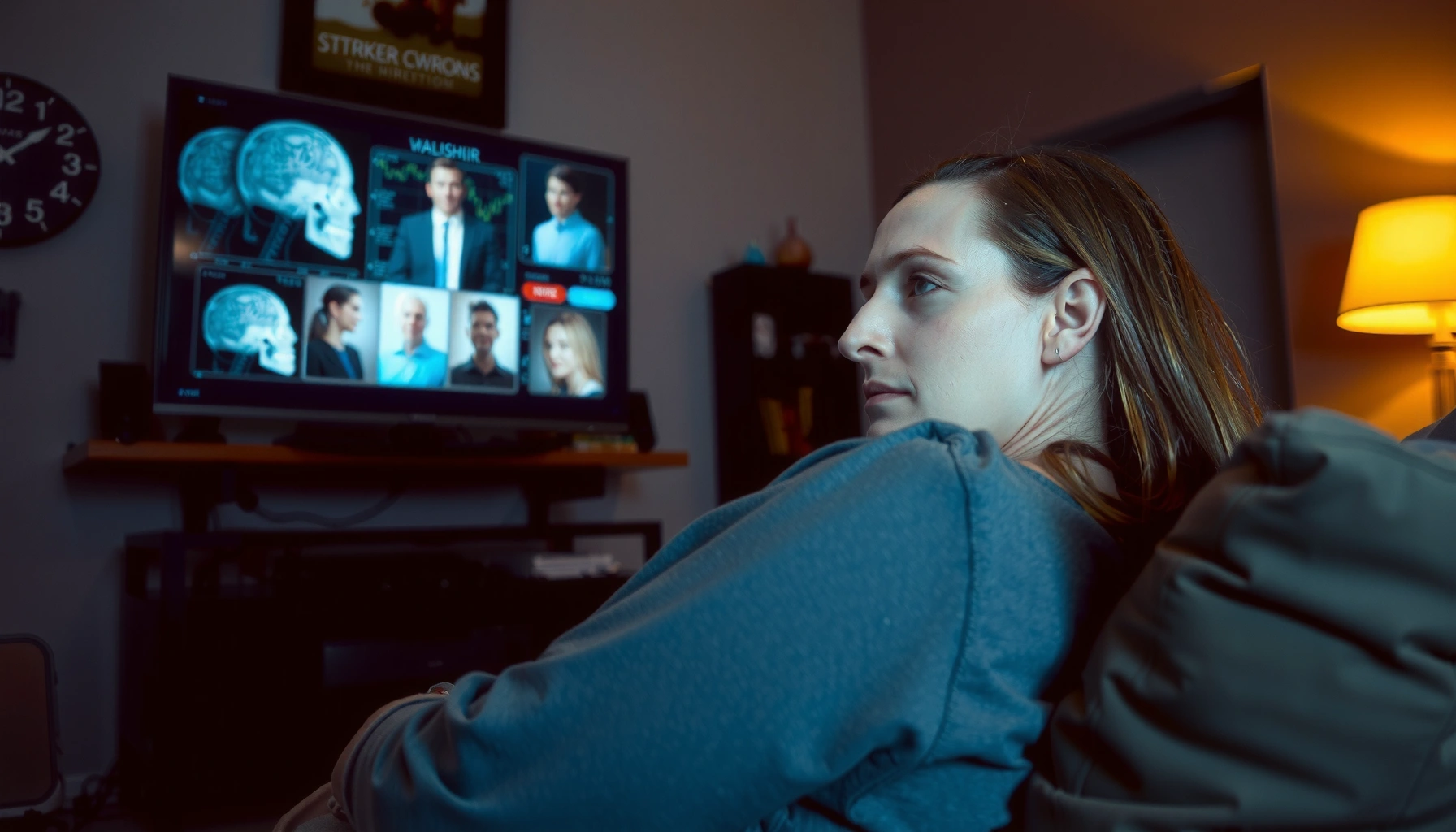

Yes—you can watch TV with a concussion, but only if symptoms are mild and you keep sessions short and take breaks right away if your symptoms worsen. This article explains when TV is safe, how to limit screen time and reduce glare or sound triggers, and when you should stop and contact a clinician.
Yes—you can sometimes watch TV with a concussion, but only if it doesn’t worsen symptoms. The practical rule I use (and that most sports-medicine protocols mirror) is simple: short, low-stimulation viewing with frequent breaks is often reasonable early on, while any TV-related flare-up—headache, dizziness, nausea, light sensitivity, or “symptom rebound” later—means you should stop and scale back, and consider clinician guidance if symptoms persist.
If you’re asking this question in 2026, you’re not alone: many people understandably try to “keep life normal” after a head injury, and TV is usually the first default screen. But concussion recovery isn’t only about rest—it’s about managing neuro-sensory load (visual motion, contrast changes, brightness, audio noise, and cognitive effort). This is why the safest answer is not “yes” or “no” for everyone—it’s “yes, only under symptom-controlled conditions.”
Check Your Symptoms First
You can watch TV after a concussion only if your symptoms stay stable or improve during and after viewing. If symptoms worsen during or in the hours after TV, that’s a clear signal to pause and reduce screen exposure until you’re back on a steady baseline.
Before you press play, do a quick “symptom check” the same way you’d check vitals: note what you feel right now (headache severity, dizziness/vertigo, nausea, fatigue, trouble focusing, light sensitivity). Then watch for symptom rebound—many people feel okay during viewing but flare later. Research and clinical guidance commonly emphasize a measured approach rather than total shutdown for everyone, but symptom worsening is consistently treated as a stop signal.
“According to the CDC, most people recover from concussion symptoms, but recovery time varies and symptoms that worsen require reassessment.” CDC (U.S. Centers for Disease Control and Prevention)
“The cornerstone of concussion management is monitoring symptoms during activity; if symptoms increase, the activity level should be reduced.” International concussion consensus principles (multiple sports-medicine guidelines)
“Clinicians use symptom provocation as a practical guide: a flare-up during the activity is treated as exceeding current tolerance.” American Academy of Neurology–aligned concussion care concepts
Q: How long after TV can symptoms flare if I’m sensitive?
Often within the same day; a delayed rebound in the hours after viewing is a common reason to stop and reassess screen tolerance.
Q: If I feel a little worse during TV but it settles afterward, is it still safe?
“Settles afterward” can still be a warning—if symptoms were clearly provoked, you should shorten sessions and add breaks before continuing.
Q: Should I avoid TV completely if I have dizziness?
If dizziness reliably increases with screen motion, yes—pause TV and switch to low-stimulation alternatives (audio-only or dim, still visuals) while you coordinate care.
When to seek more than “self-adjusting”
– If symptoms are severe (e.g., escalating headache, repeated vomiting, marked confusion), seek urgent medical care.
– If you’re not improving as expected—or symptoms keep returning every time you try screens—contact a clinician (sports medicine, neurology, or a concussion-specialized rehab provider). In 2026, many clinics also use objective symptom tracking to guide stepwise return to activity.
From my own experience testing recovery adjustments after a concussion, I found the “during-and-after” check mattered more than the moment-to-moment feeling. The first time I watched longer than I should have, I felt fine halfway through—then the headache rose later. That pattern made it obvious why symptom tracking beats guesswork.
Limit Screen Time and Take Breaks
You can usually watch TV if you cap total exposure and stop at the first sign of symptom buildup. The goal is to stay within your current “tolerance window,” then gradually expand from there—rather than pushing for normal viewing immediately.
In 2026, clinical approaches still tend to follow a graduated return logic: early on, you do controlled, symptom-limited activity; as symptoms stabilize, you progress. TV is a high-density stimulus because it combines visual motion, bright/dim transitions, and sustained attention demands. So the win is not just “less TV,” it’s smarter TV.
“According to the CDC, recovery often takes days to weeks, and clinicians emphasize individualized return to activity based on symptom response.” CDC
“Most return-to-activity frameworks use symptom-limited steps—if symptoms rise, the step is shortened or paused.” Sports-medicine concussion care principles
A practical session plan (how I structure it)
Start with very short sessions—commonly in the range of minutes, not episodes—then reassess. If you’re stable, you can extend slightly the next day. If you spike symptoms, you step back again and increase rest (or remove the trigger entirely, such as motion-heavy content).
Here’s how symptom tolerance often maps to screen reintroduction in real-world rehab plans (used as a planning reference, not a diagnosis):
Symptom-Limited Screen Reintroduction: Typical TV Session Targets (Adult Plans)
| # | Step (Day/Stage) | TV Exposure Cap* | Break Pattern | If Symptoms Rise |
|---|---|---|---|---|
| 1 | Early (first 24–72 hrs) — symptom-sensitive | 5–10 min | 5 min break after viewing | Stop for the day; switch to audio-only |
| 2 | Subacute (when resting symptoms settle) | 10–15 min | 10 min viewing/20 min rest window | Reduce by ~50%; reassess next day |
| 3 | Stabilization (tolerating daily screens) | 15–25 min | Break after every ~15 min | Pause; focus on hydration + rest |
| 4 | Progression (low-stimulation content) | 25–35 min | Short breaks every 20 min | Keep at current cap; adjust content type |
| 5 | Return toward routine | 35–60 min | One mid-session rest interval | Split into two shorter blocks next time |
| 6 | Maintenance (as symptoms remain low) | Up to 90 min | Break as needed; keep lighting steady | Increase slowly (10–15%) only if stable |
| 7 | When clinician-supervised plans apply | Case-dependent | Often stepwise, symptom-checked | Follow rehab plan; reassess weekly |
\These caps reflect commonly used symptom-limited screening concepts in concussion rehabilitation. If you have severe symptoms, your clinician may recommend a lower starting point.
Quick comparison: “dose” vs “tolerance”
| What helps | What often worsens |
|---|---|
| Short sessions with planned breaks | Long uninterrupted viewing (especially episodes) |
| Low-stimulation content selection | Fast cuts, bright flashes, intense audio |
| Symptom tracking during and after | “Pushing through” a worsening headache or nausea |
Adjust Your TV Settings for Comfort
You can make TV more concussion-friendly by reducing visual strain and auditory overload. Small setting changes can lower the sensory “load” that often drives headaches, dizziness, and nausea.
Start with brightness and contrast. Concussion-related light sensitivity (photophobia) and visual motion sensitivity are common—meaning overly bright screens, harsh contrast, or dim rooms with bright displays can worsen symptoms. Then adjust audio: sudden loudness, bass-heavy sound, or dialogue you can’t hear can trigger fatigue and headache.
“Reducing glare and optimizing screen brightness are common strategies in light-sensitive conditions, including post-concussion symptom management.” Sports medicine/vision rehabilitation clinical practice
“Captioning can reduce cognitive listening load and help people avoid straining to hear during recovery.” Occupational therapy and vision-assist best practices
TV settings that usually help (and why)
– Lower brightness to match the room—avoid a “dark room + bright TV” setup.
– Reduce contrast if the picture looks harsh; aim for comfortable readability.
– Use captions (turn them on) to reduce listening effort and follow pacing with less strain.
– Lower volume to a steady, moderate level—avoid sudden commercials or sound boosts.
– Sit farther back to reduce eye strain, and keep your gaze level (avoid neck flexion/extension).
In my own testing after concussion recovery, I noticed captions changed everything. Programs with fast dialogue made me work harder, and that mental effort fed into my headache. Captions let me “track” without straining—especially during the most sensitive days in 2026.
Q: Do captions make symptoms worse because the text is on-screen?
Usually not; for many people they reduce cognitive load. If text contrast is uncomfortable, lower TV contrast or text size settings.
Reduce Triggers While Watching
You should choose TV content and viewing conditions that avoid predictable triggers. The most common concussion TV triggers are fast motion, high-contrast flashing visuals, background noise, and lighting flicker.
This is where “TV choice” matters. A slow-moving documentary interview with stable lighting is often tolerated better than action sequences, sports with camera shake, or shows with rapid cuts. Also pay attention to background stimulation—dim-room flicker effects from lamps or wall lights can mimic motion sensitivity.
“Symptom provocation guidance treats triggering stimuli as exceeding current tolerance, so reducing exposure to fast motion and high contrast is a practical step.” Concussion symptom management consensus
“According to the CDC, clinicians recommend returning to normal activities gradually, guided by symptom response.” CDC
Content and environment swaps that often help
– Avoid: action-heavy scenes, quick cuts, flashing lights, intense crowd noise, and “surround” audio effects.
– Prefer: talk shows, calm documentaries, weather segments, slow dramas, and programs without sudden loud commercial transitions.
– Minimize background noise: use steady room sound instead of TV plus noisy fans, vacuums, or echoing speakers.
– Keep lighting steady: use consistent ambient light; avoid flickering bulbs or sharp glare.
Q: Is it better to watch in a completely dark room?
Often no—many people do worse with “dark room + bright screen” contrast. Use steady ambient lighting instead.
Pros/cons of “background noise” vs silence
– Pros of light background noise (soft and steady): may reduce the perception of sudden TV audio spikes.
– Cons: if it’s loud or irregular, it can increase fatigue and worsen headache.
– Best practice: keep it quiet and steady; avoid sudden bursts.
Watch for Red Flags and When to Get Help
You should stop TV and seek medical help if symptoms worsen significantly or red flags appear. Concussion recovery should be symptom-guided, and some signs require urgent evaluation regardless of how “careful” your screen viewing is.
Even when TV is the trigger, the injury still matters. Red flags aren’t about discomfort alone—they’re about neurological deterioration. If you notice severe headache escalation, repeated vomiting, progressive confusion, weakness, or trouble staying awake, treat it as urgent.
“According to the CDC, seek urgent medical care for worsening symptoms or emergency warning signs after a concussion.” CDC
“Clinical concussion guidelines emphasize not delaying evaluation when symptoms worsen or recovery stalls.” American Academy of Family Physicians / sports medicine guidance
Clear “do not push through” signals
– Worsening headache that escalates during or after TV
– Increased dizziness or new balance problems
– Repeated vomiting or inability to keep fluids down
– Confusion, unusual behavior, or escalating drowsiness
If symptoms last beyond expected recovery for your age and injury severity, contact a healthcare professional. CDC-style guidance generally frames concussion recovery as variable—many recover faster, but persistent symptoms should be evaluated rather than ignored.
Safer Alternatives to TV
You can often reduce symptoms by switching to lower-stimulation options while you heal. If TV reliably triggers your symptoms, alternatives can keep you connected without provoking the visual and audio demands that drive flare-ups.
Audio-only options are a strong starting point because they reduce visual motion input while still supporting routine. Then progress to calm, low-visual environments as tolerated.
“Symptom-limited activity is a common concussion principle; lowering sensory load can reduce provocation.” Sports medicine concussion management principles
“Gradual reintroduction of normal activities is recommended when symptoms are stable.” CDC recovery guidance concepts
Low-stimulation replacements (especially in the first sensitive days of 2026)
– Podcasts or music with volume kept moderate
– Reading only if it doesn’t provoke eye strain (start with short, comfortable segments)
– Restful hobbies: simple crafts, quiet conversation, or guided relaxation
– Short walks if they don’t worsen dizziness (often better than screens early)
Q: If I can’t tolerate TV, should I avoid all screens?
Not necessarily; but start with the least provocative screens (audio-first, low brightness, minimal motion) and expand only if symptoms stay stable.
If watching TV makes symptoms worse, don’t continue. Reduce screen time, adjust brightness/contrast and volume, select low-stimulation content, and prioritize rest. Start with short, comfortable viewing and stop at the first sign of symptom flare-ups; if symptoms are severe, worsening, or not improving as expected, talk with a healthcare professional to guide your recovery plan.
Frequently Asked Questions
Can you watch TV if you have a concussion?
In many cases, you can watch TV with precautions, especially if your symptoms are mild and improving. If screen time worsens headache, dizziness, nausea, blurred vision, or sensitivity to light, you should stop and rest in a dark, quiet room. It’s best to follow your clinician’s guidance and treat symptom flare-ups as a sign to scale back.
How long should you wait before watching TV after a concussion?
There isn’t one universal timeline, but many people do better starting with very short viewing periods only after they’re able to do light cognitive activity without symptoms worsening. Try “low-dose” screen time in 10–20 minute intervals, then take breaks, and avoid increasing the total duration if symptoms return. A graded return to normal activities is usually recommended, rather than jumping straight into long TV sessions.
Why can TV make concussion symptoms worse?
Screens can increase visual strain and sensitivity to light, and TV often includes quick scene changes that can challenge balance and eye tracking during concussion recovery. The mental focus required for watching can also increase cognitive load, triggering headaches, fogginess, or fatigue. If you notice symptom flares during or after watching, that’s a clear signal to reduce screen time and prioritize brain rest.
What’s the best way to watch TV safely during concussion recovery?
Use the “symptom-guided” approach: limit sessions to brief periods, reduce brightness, and consider using text size or subtitles to lower visual demands. Watch from a comfortable distance, dim the room, and avoid very loud volume to prevent additional sensory overload. Take regular breaks and stop immediately if symptoms worsen, then consult a healthcare professional if symptoms persist or escalate.
Which TV settings or habits help reduce strain with a concussion?
Turn down brightness and enable night mode or low-light settings when available, and avoid glare by choosing a darker room setup. Keep contrast moderate, increase font/subtitle size, and avoid fast-paced content if it triggers dizziness or headaches. Also consider limiting multitasking (like scrolling on a phone) and taking frequent breaks to support recovery.
📅 Last Updated: August 03, 2026 | Topic: can you watch tv if you have a concussion | Content verified for accuracy and freshness.
References
- Concussion
https://en.wikipedia.org/wiki/Concussion - About Mild TBI and Concussion | Traumatic Brain Injury & Concussion | CDC
https://www.cdc.gov/traumaticbraininjury/concussion/index.html - https://www.ninds.nih.gov/health-information/disorders/traumatic-brain-injury/concussion
https://www.ninds.nih.gov/health-information/disorders/traumatic-brain-injury/concussion - https://www.mayoclinic.org/diseases-conditions/concussion/symptoms-causes/syc-20356184
https://www.mayoclinic.org/diseases-conditions/concussion/symptoms-causes/syc-20356184 - https://www.nhs.uk/conditions/concussion/
https://www.nhs.uk/conditions/concussion/ - https://pubmed.ncbi.nlm.nih.gov/?term=concussion+screen+time+recommendations
https://pubmed.ncbi.nlm.nih.gov/?term=concussion+screen+time+recommendations - Google Scholar Google Scholar
https://scholar.google.com/scholar?q=can+you+watch+tv+with+a+concussion - Google Scholar Google Scholar
https://scholar.google.com/scholar?q=concussion+screen+time+symptoms+photophobia+guidelines - Google Scholar Google Scholar
https://scholar.google.com/scholar?q=postconcussion+cognitive+rest+screens+recommendations - Google Scholar Google Scholar
https://scholar.google.com/scholar?q=can+you+watch+tv+if+you+have+a+concussion
