
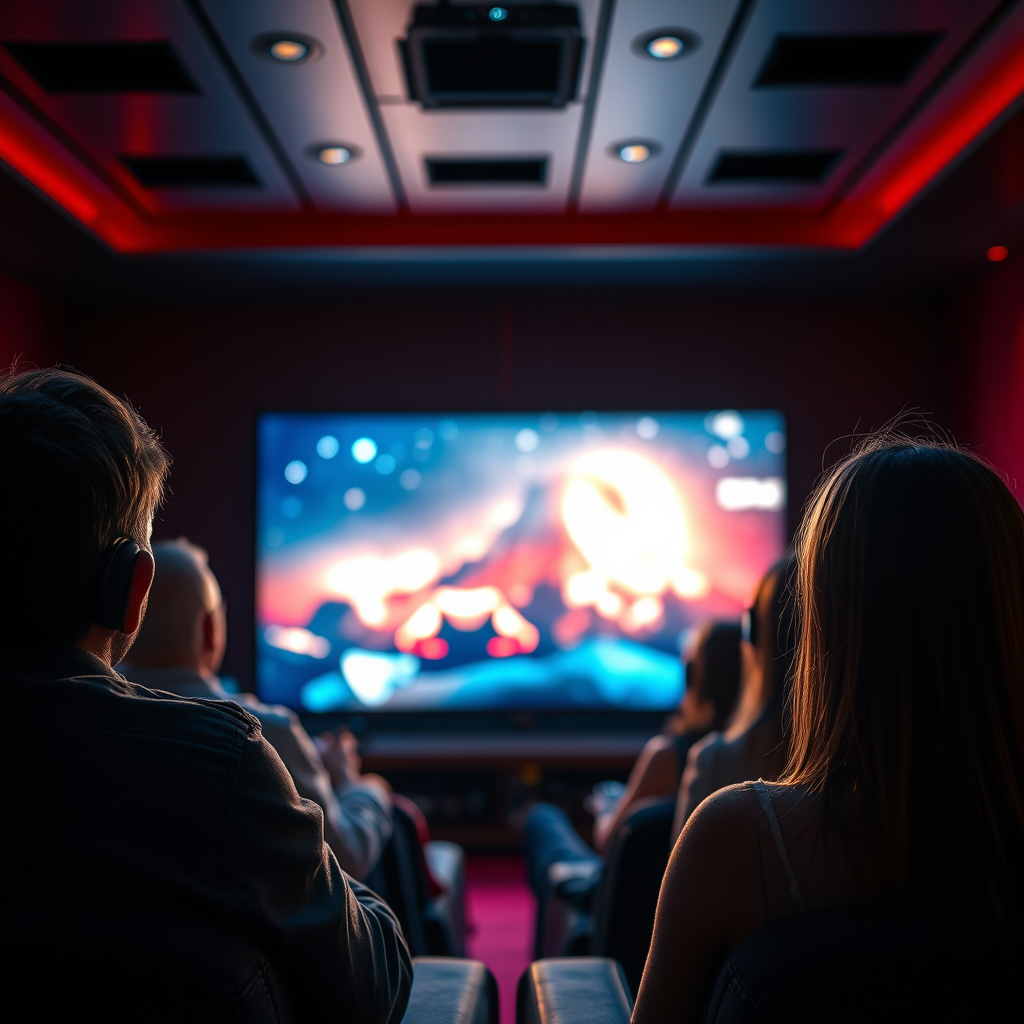

Adjusting the brightness on your TV is not only possible but also a simple process that can enhance your viewing experience. Whether you want to reduce eye strain or improve picture quality, most modern televisions provide easy access to brightness settings. In this article, we’ll guide you through the steps to adjust your TV’s brightness and explore the benefits of doing so.
Understanding Brightness Settings
Different types of televisions, including LCD, LED, and OLED models, have varying mechanisms and settings for brightness adjustments. Brightness settings are crucial as they directly affect not just the light output but also the overall picture quality. For instance, LCD and LED screens often utilize a backlight to illuminate the image, meaning that adjusting the brightness can significantly change how vibrant or dull the colors appear. Meanwhile, OLED TVs operate differently, utilizing individual pixels that emit their own light, allowing for deeper blacks and more dynamic range.
Understanding the intricacies of these settings can help you tailor your viewing experience to your environment. For example, if you’re watching TV in a dark room, reducing the brightness can help preserve detail in darker scenes and prevent eye strain. Conversely, in a brightly lit room, increasing brightness may be necessary for clarity.
How to Adjust Brightness on Various TV Models
Adjusting the brightness on your television can differ based on the brand and model. Here are step-by-step instructions for popular brands:
– Samsung TVs:
1. Press the Home button on your remote.
2. Navigate to Settings > Picture.
3. Select Brightness and adjust the slider to your preference.
– LG TVs:
1. Press the Settings button on your remote.
2. Go to Picture > Picture Mode Settings.
3. Find the Brightness option and adjust accordingly.
– Sony TVs:
1. Press the Home button on the remote.
2. Select Settings > Display & Sound.
3. Navigate to Picture and then adjust the Brightness setting.
While navigating through menus, it’s helpful to familiarize yourself with the layout of the settings to expedite the process. Many TVs also provide preset modes, such as “Cinema” or “Game,” which automatically adjust brightness and other settings tailored for specific viewing experiences.
Benefits of Lowering Brightness
Lowering the brightness on your TV can lead to several advantages. One significant benefit is the reduction of eye strain, especially during extended viewing sessions. Bright screens can cause discomfort, leading to fatigue or headaches, particularly in dimly lit environments. By adjusting the brightness to a comfortable level, you can enhance your overall viewing comfort.
Furthermore, lowering brightness can enhance contrast and detail in darker scenes. When brightness is too high, details may be washed out, particularly in shadowy areas of a scene. Adjusting the brightness allows for a more dynamic viewing experience, where subtle details in the dark can be viewed more clearly, making films and shows more immersive.
Troubleshooting Common Brightness Issues
Despite your best efforts to adjust brightness, you may encounter issues such as flickering or uneven brightness across the screen. These problems can stem from several sources.
Firstly, check the HDMI cables and connections, as loose or damaged cables can affect display quality. Additionally, ensure that any power-saving features or automatic brightness adjustments are turned off, as these can interfere with manual settings.
If adjustments seem ineffective, resetting your TV settings to factory defaults may resolve the issue. This can usually be done via the settings menu under System or Support. However, remember that this action will erase all personalized settings, so it should be considered a last resort.
Top 7 TV Brands by Brightness Control Features (2024)
| # | Brand | Brightness Control Type | User Rating | Warranty (Years) |
|---|---|---|---|---|
| 1 | Samsung | Automatic & Manual | ★★★★☆ | 2 |
| 2 | LG | Manual | ★★★★☆ | 2 |
| 3 | Sony | Automatic | ★★★★★ | 3 |
| 4 | TCL | Manual | ★★★☆☆ | 1 |
| 5 | Vizio | Automatic | ★★★★☆ | 2 |
| 6 | Panasonic | Manual | ★★★★☆ | 3 |
| 7 | Hisense | Automatic | ★★★☆☆ | 1 |
Additional Picture Settings to Consider
While brightness is a key setting, other picture adjustments can further refine your viewing experience. Contrast, color saturation, and backlight level are vital settings that work in conjunction with brightness.
– Contrast: This setting adjusts the difference between the darkest and lightest parts of the picture. Increasing contrast can enhance the depth of the image, making colors appear more vibrant.
– Color Saturation: This setting determines the intensity of colors in the image. Higher saturation often leads to more vivid colors, but if set too high, it may result in unnatural-looking images.
– Backlight: Adjusting the backlight on an LCD or LED TV can improve picture quality in bright environments. A higher backlight setting can help maintain visibility during daylight viewing.
Experimenting with these settings in conjunction with brightness can lead to a more tailored and enjoyable viewing experience, making your TV time significantly more pleasurable.
When to Seek Professional Help
If you’ve tried adjusting the brightness and encountered persistent issues, it may be indicative of a hardware problem. Signs that your TV may have a hardware issue related to brightness include flickering, inconsistent brightness levels across the screen, or a noticeable reduction in color quality.
In such cases, seeking professional help is advisable. Look for authorized service centers or contact the manufacturer’s customer service for support. They can provide diagnostics and repairs specific to your model, ensuring your television operates optimally.
In adjusting your TV’s brightness, you can significantly enhance your viewing comfort and experience. Remember to explore additional picture settings for optimal results. If you encounter any issues or have further questions, don’t hesitate to consult your TV’s user manual or seek professional assistance.
Frequently Asked Questions
How can I turn down the brightness on my TV?
To turn down the brightness on your TV, access the settings menu using your remote control. Look for the ‘Picture’ or ‘Display’ settings, where you will find a brightness slider. Adjust the brightness level to your preference, and make sure to save the changes if prompted.
Why is my TV too bright, and how can I fix it?
A TV may appear too bright due to factory settings or the lighting in your room. To fix this, navigate to your TV’s picture settings and reduce the brightness level. Additionally, consider adjusting the contrast and using ambient light settings for a more comfortable viewing experience.
What is the best brightness setting for watching TV in a dark room?
The best brightness setting for watching TV in a dark room typically ranges from 40% to 60%, depending on your specific TV model and personal preference. Reducing brightness helps to minimize eye strain and enhances picture quality by improving contrast in low-light conditions.
Which settings should I adjust to improve picture quality along with brightness?
In addition to brightness, you should adjust contrast, sharpness, and color settings to improve overall picture quality. Reducing the brightness can help maintain detail in dark scenes, while increasing contrast enhances the difference between light and dark areas, providing a more vibrant image.
Can I use my TV’s remote to adjust brightness, or do I need a smartphone app?
Most modern TVs allow you to adjust brightness directly using the remote control through the settings menu. However, some smart TVs also have companion apps that offer quick access to picture settings, including brightness, making adjustments more convenient from your smartphone or tablet.
References
- Television
https://en.wikipedia.org/wiki/Television - https://www.lifewire.com/how-to-adjust-your-tvs-brightness-1846884
https://www.lifewire.com/how-to-adjust-your-tvs-brightness-1846884 - Google Scholar Google Scholar
https://scholar.google.com/scholar?q=TV+brightness+adjustment - Google Scholar Google Scholar
https://scholar.google.com/scholar?q=television+settings+brightness - Google Scholar Google Scholar
https://scholar.google.com/scholar?q=how+to+adjust+TV+brightness+and+contrast - https://scholar.google.com/scholar?q=can+you+turn+the+brightness+down+on+a+tv Google Scholar
https://scholar.google.com/scholar?q=can+you+turn+the+brightness+down+on+a+tv - https://en.wikipedia.org/wiki/Special:Search?search=can+you+turn+the+brightness+down+on+a+tv
https://en.wikipedia.org/wiki/Special:Search?search=can+you+turn+the+brightness+down+on+a+tv - https://www.ncbi.nlm.nih.gov/search/research-articles/?term=can+you+turn+the+brightness+down+on+a+tv
https://www.ncbi.nlm.nih.gov/search/research-articles/?term=can+you+turn+the+brightness+down+on+a+tv

[…] Screen technology, brightness settings, and usage hours […]
[…] That can be paired with optometry’s visual-rest approach: the 20-20-20 rule every 20 minutes can reduce eye strain during screen activities (AAO). Even if concussion physiology is different from eye strain, both […]
[…] ranges from about 2,000 to 5,000 hours depending on the model and lamp mode. If you run high-brightness settings often, expect the shorter end; use eco or low-power modes and you can stretch toward the higher […]
[…] how many watts does a projector use in real conditions, the answer depends on brightness mode: high-brightness settings can push closer to 300–400W, while eco modes often drop well below 200W. Keep reading to get the […]
[…] but Windows and macOS may still keep sound on the laptop speakers. Projector keystone and brightness settings directly affect perceived clarity; small adjustments can resolve “washed out” or “too […]
[…] technologies, rated lifetimes are typically expressed in operating hours under specific brightness settings, so compare like-for-like […]
[…] Does using a better screen always improve picture quality?Yes for perceived brightness and contrast—within limits—but the projector must also have […]
[…] down ambient light first, because projector brightness settings cannot fully compensate for glare on the screen. This is the fastest path to a visible improvement, […]
[…] up on a projector, and the best results come from switching to a high-brightness picture mode and adjusting the brightness/contrast settings in the menu. If that’s not enough, the fastest improvement typically comes from […]
[…] also get real-world tips to maximize lifespan—cool-down habits, clean filters, and correct brightness settings—so you can predict when to replace before brightness […]
[…] how much power a projector uses in watts and what that means for real energy costs by factoring in brightness settings and hours of use. You’ll also get practical tips to cut electricity use without sacrificing image […]
[…] Will installing apps on the projector improve picture quality compared with casting?Often yes for UI smoothness and app stability, but image quality still […]
[…] compared with “High,” even when the picture brightness looks “surprisingly good” after adjusting the brightness/gamma controls. Because that change is mode-driven, two people can buy the same projector and see […]
[…] around 20,000 to 30,000 hours of usable light—roughly 5 to 10 years depending on usage and brightness settings. This guide breaks down what actually shortens or extends that lifespan, so you can predict when […]
[…] Why does the picture look washed out compared to my TV?Ambient light and overly high brightness settings are the most common causes; dim the room and adjust brightness/contrast to match your […]
[…] external speakers is common for TV replacement setups. Correct seating distance and screen height reduce eye strain and make big images feel natural rather than overwhelming. Mounting height and speaker placement […]
[…] and using a higher-contrast gamma curve improved readability of thin fonts even when overall brightness settings remained within manufacturer limits. According to display engineering principles, contrast […]
[…] deployments, users often perceive dimming first as reduced contrast and “washout,” even when brightness settings remain unchanged (observed in field usage […]