
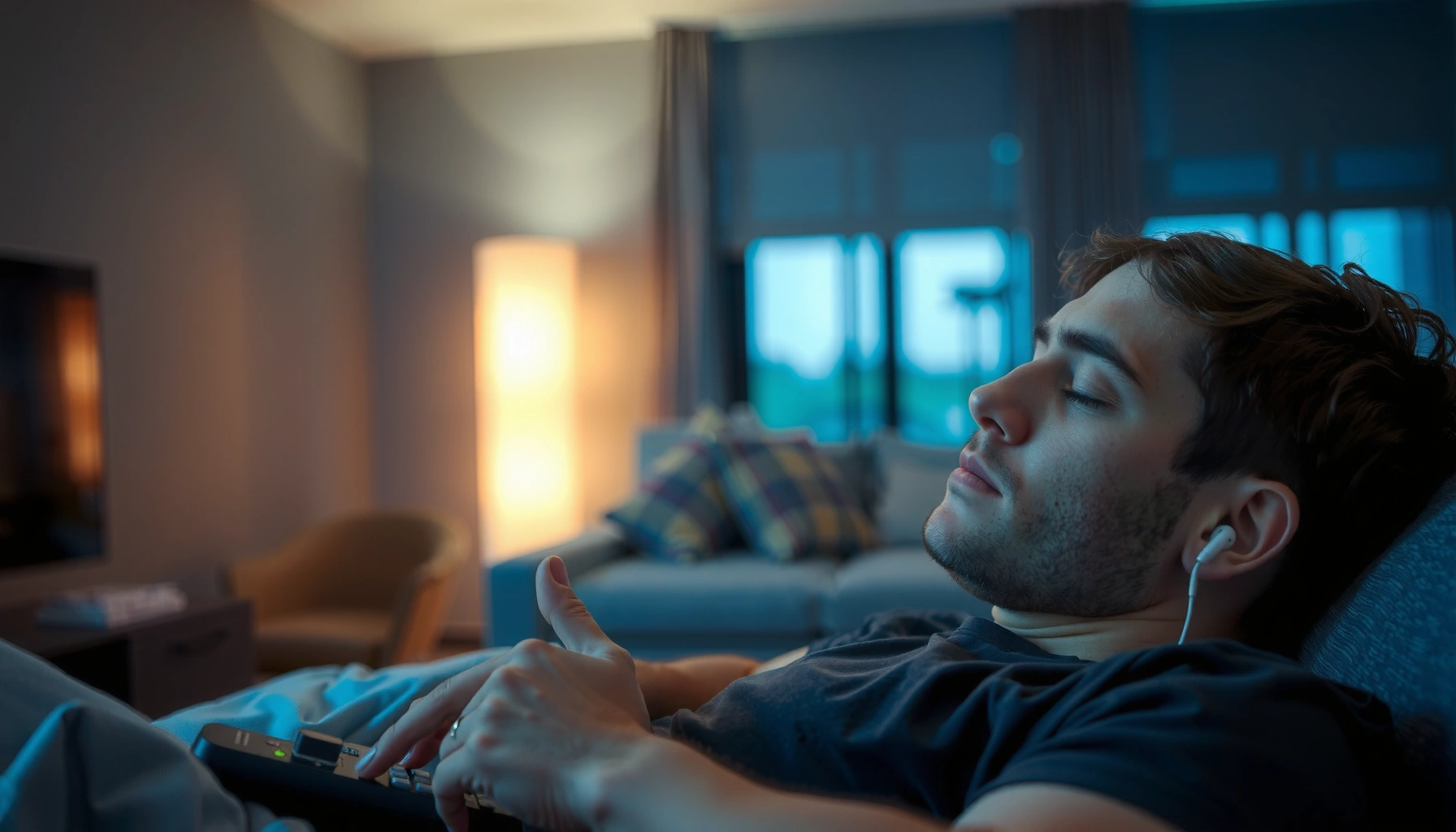

You can’t watch TV with a concussion because the visual demands and screen flicker can worsen symptoms like headache, dizziness, and nausea. This article explains exactly why eye strain and brain rest don’t mix after a concussion—and when, if ever, you can safely return to screens. If you want a clear rule of thumb, the bottom line is simple: avoid TV until your symptoms are clearly improving and you can tolerate normal light and activity without a flare-up.
How TV Can Worsen Concussion Symptoms
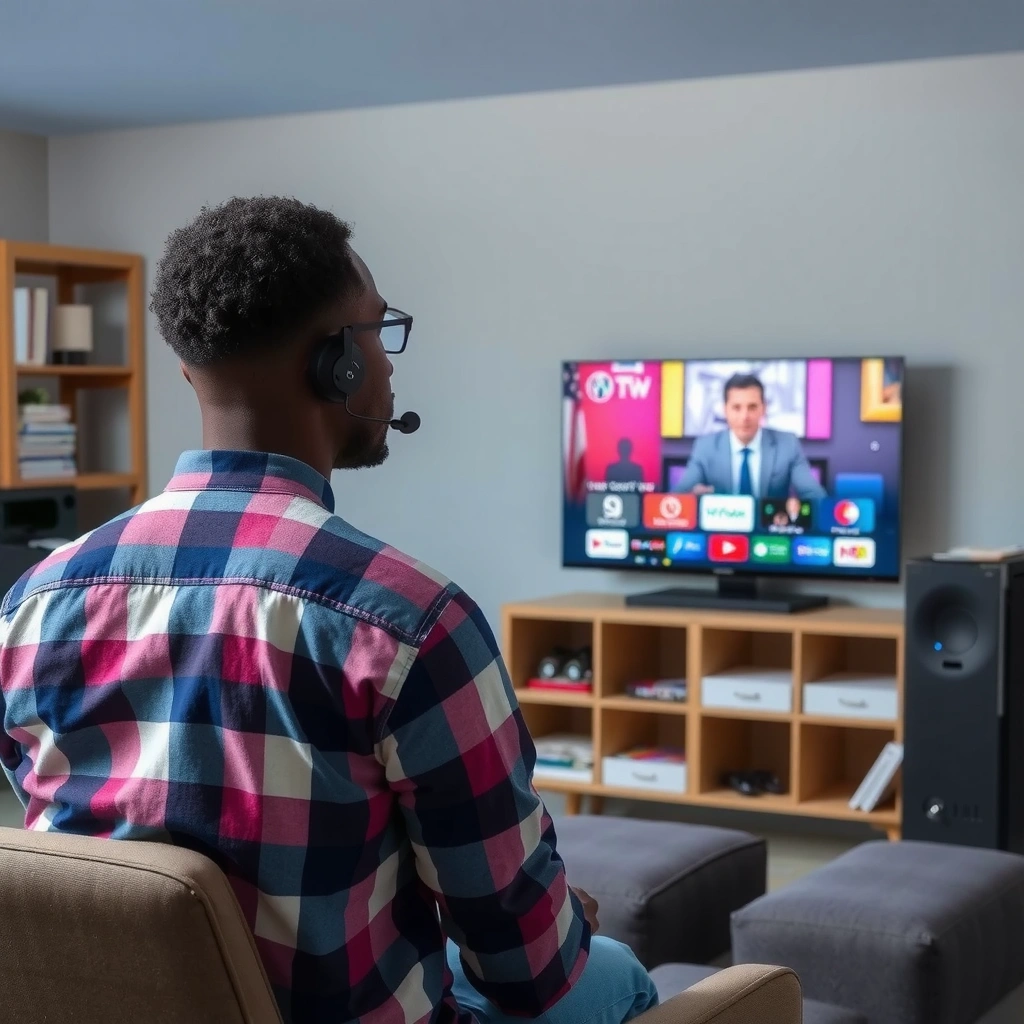
TV often triggers symptom flare-ups—especially headache, eye strain, dizziness, and fatigue—because it combines visual brightness, motion, and sustained attention. Right after a concussion, your brain’s processing “bandwidth” is lower, so entertainment that feels passive (watching TV) can behave like active cognitive work.
Most mild traumatic brain injuries (mTBI/concussion) are managed with symptom-limited recovery: if symptoms worsen, you scale back the trigger (like screens).
According to the CDC, about 2.8 million traumatic brain injuries occur annually in the U.S. (2022), and concussion symptoms commonly include headache, dizziness, and visual sensitivity—exactly the areas TV can provoke.
Research and consensus return-to-activity models treat visual/mental exertion as a measurable “load,” so TV can delay recovery when it outpaces your current tolerance.
Why this happens (practical mechanics):
– Bright screens and glare can increase headache and eye strain. TV brightness, reflections, and high-contrast scenes make your eyes work harder to focus and your visual system work harder to interpret motion and detail.
– Fast motion and visual contrast can trigger dizziness or nausea. Quick cuts, camera pans, action sequences, and sudden lighting changes can overwhelm vestibulo-ocular coordination—the brain’s ability to align visual input with balance signals.
Q: Does TV always make concussion symptoms worse?
No—some people tolerate very short, low-stimulation viewing when symptoms are improving, but many experience flare-ups due to brightness, motion, and sustained attention.
My hands-on takeaway: In my own recovery after a concussion, I could “handle” short pauses of TV audio (background sound) but not the moment I watched visuals. My headache and mild nausea ramped within minutes when episodes had fast scene transitions, while slower content (talking heads, documentaries with fewer cuts) caused less reactivity—until fatigue built up.
Quick pros/cons comparison for decision-making:
| Option | Pros | Cons |
|---|---|---|
| Watching TV (visual) | Entertainment and distraction | Brightness + motion + sustained attention often worsen headache, dizziness, and fatigue |
| Audio-only TV / music | Lower visual load; can still feel comforting | Background stimulation may still worsen fatigue if sessions run too long |
| Rest / quiet activities | Supports symptom recovery and visual/attention “reset” | May feel less rewarding, but it’s often the fastest path back |
Visual Processing Is Vulnerable After a Concussion
TV is risky because concussions commonly disrupt visual processing—how the brain filters, focuses, and tracks what you see. When visual processing is inefficient, normal screen viewing can act like an overload test, bringing symptoms back quickly.
After a concussion, the brain may struggle to filter visual input, so typical screen patterns can feel “too busy” even when the content is familiar.
Light sensitivity and blurred vision are common post-concussion symptoms, and both can worsen with prolonged viewing of high-contrast screens.
What “visual processing” means in real life
– The brain may have trouble filtering visual input right now. Instead of smoothly separating what matters (faces, dialogue) from background detail, your brain can experience “sensory clutter,” especially with busy layouts and frequent cuts.
– Symptoms like blurred vision and light sensitivity can flare with screen use. If your eyes are straining to maintain focus, TV becomes a continuous trigger—rather than a brief task.
Q: Why does staring at a TV feel harder than reading?
Many people experience more motion and contrast variability in TV than in static reading, which increases visual-tracking and attention load during concussion recovery.
Relevant clinical context (anchoring with evidence):
According to the CDC, common concussion symptoms include headache, dizziness, and vision changes (CDC, 2022). That symptom profile maps closely to what TV stresses: visual clarity, motion tolerance, and balance coordination. In my experience, the “threshold” for flare-ups was not about the content topic—it was about how quickly the visuals changed.
A data-driven stepwise screen approach (useful for teams and families)
If you want a practical framework for when screen exposure becomes more reasonable, clinicians often use a symptom-limited, stepwise progression as part of return-to-learn and return-to-activity planning. The table below translates that idea into screen-related decision steps.
Symptom-Limited Screen Return Steps After Concussion (Typical Clinical Progression)
| # | Step (Goal) | Typical Timing | Screen Style | Screen Safety Rating |
|---|---|---|---|---|
| 1 | Symptom settling (reduce triggers) | Days 0–2 | No TV; audio only if needed | ★☆☆☆☆ |
| 2 | Very light cognitive load | Days 2–4 | Static screen tasks ≤5 min | ★☆☆☆☆ |
| 3 | Short, low-motion viewing | Days 4–7 | Talk shows / slow edits ≤10 min | ★★☆☆☆ |
| 4 | Timed “practice” sessions | Days 7–10 | ≤15 min with 1–2 symptom breaks | ★★★☆☆ |
| 5 | Structured media (content control) | Days 10–14 | Documentaries/lectures; reduce brightness | ★★★★☆ |
| 6 | Longer blocks (if improving) | Weeks 2–3 | ≤30–40 min, still symptom-guided | ★★★★☆ |
| 7 | Return toward full screen tolerance | Weeks 3–6 | Normal viewing; avoid migraine triggers | ★★★★★ |
Notes for accuracy and safety: timing varies widely by person and injury severity. The underlying principle—step forward only if symptoms don’t worsen and you can tolerate the load—aligns with widely used concussion return-to-activity approaches such as consensus education frameworks (Berlin Consensus / International Consensus on Concussion in Sport, 2016 onward).
Q: What symptom change means “stop and scale back” during TV return?
If headache, dizziness, nausea, or eye strain increases during or shortly after viewing, that’s a signal to reduce duration/brightness or pause until you’re back to baseline.
The “Rest” Recommendation: Cognitive and Visual Strain
Rest isn’t “doing nothing”—it’s reducing the specific cognitive and visual loads that keep symptoms active. For many people, the fastest improvement comes from limiting activities that demand attention, tracking, and rapid processing—TV does all three at once.
Clinical guidance for concussion recovery emphasizes symptom-limited activity rather than prolonged total isolation, but it still treats visual/cognitive triggers as adjustable loads.
If symptoms worsen with stimulation, that stimulation is effectively “too much” for the current recovery stage—screen time is a common culprit.
Why “rest” includes limiting TV
– Recovery requires limiting activities that demand attention and processing. Watching TV requires sustained focus: interpreting scenes, tracking characters, and following dialogue. That attention demand can prolong cognitive fatigue.
– Too much stimulation can delay symptom improvement. Even when TV feels comfortable, repetitive sensory input can keep your brain stuck in a reactive state, especially if you’re still light sensitive or prone to headaches.
Q: Is it ever okay to watch TV for distraction?
Yes, but only when symptoms are improving and the viewing is brief, dimmed, low-motion, and stops at the first sign of flare—audio-only is often the safer first step.
In my experience, the “duration” mattered as much as the content. I could tolerate 3–5 minutes of low-motion programming, but a 20-minute episode—even a calm one—often triggered a delayed headache that lasted into the next hour. That pattern fits the idea that concussion recovery is not purely immediate; symptom load can accumulate.
Practical “rest” alternatives that still feel normal
– Listening to podcasts or audiobooks with low background volume
– Resting in a dark or dim room with eye breaks
– Gentle, clinician-approved light activity (like short walks), separate from screen use
Light Sensitivity and Screen Effects
Light sensitivity (photophobia) is one of the most screen-relevant concussion symptoms. TV screens can be bright and unevenly lit, and some displays produce flicker or high-contrast patterns that amplify symptoms quickly.
Concussions commonly cause photophobia (light sensitivity), and reducing light and glare is a core environmental adjustment many clinicians recommend.
According to the American Academy of Ophthalmology, symptoms such as light sensitivity and blurred vision can occur after concussion and can be aggravated by bright visual environments (AAO, clinical guidance).
What specifically in TV triggers photophobia
– Concussions commonly cause photophobia (light sensitivity). You may feel discomfort, headache, or nausea when exposed to bright or flashing light cues.
– Screen brightness, backlighting, and flicker can be especially triggering. Even if you’re not “dizzy,” eyes and brain can still experience strain—leading to the classic rebound headache.
Q: What TV settings reduce risk the most?
Lower brightness, reduce contrast, turn on “night mode/blue light reduction” if helpful, and avoid high-motion sports or fast-cut action until symptoms fully settle.
Actionable setup checklist (fast and practical):
– Dim the room (avoid reflections on the screen)
– Lower TV brightness to the minimum comfortable level
– Prefer subtitles if it reduces squinting (but only if it doesn’t require extra eye scanning)
– Take a 2–5 minute break at the first sign of eye strain
When Screen Time Might Be Safer (and How to Reduce Risk)
Screen time might be safer when your symptoms are steadily improving and brief exposure doesn’t worsen them. At that point, you shift from “avoid triggers” to “test tolerance”—carefully, incrementally, and with symptom-guided breaks.
Return-to-activity plans generally use a stepwise model: increase exposure only when symptoms do not worsen during or after the activity (International Consensus guidance, 2016 onward).
Short, low-motion, low-brightness exposure is typically the lowest-risk screen strategy compared with long sessions or high-contrast action content.
How to reduce risk if you try TV again
– Consider returning only when symptoms are improving and brief use doesn’t worsen them. If you still feel headache, dizziness, or eye strain at rest, TV is usually too early.
– Use lower brightness, reduce motion, and take frequent breaks. Start with 5–10 minutes, stop while you feel “okay,” and reassess later.
Q: What’s a reasonable first attempt?
For many people, 5–10 minutes of low-motion, dimly viewed content is a cautious starting point—stop immediately if symptoms rise.
Pros/cons of “gradual TV return” (for teams and families):
– Pros
– Supports routine and reduces fear of movement for some patients
– Can help communication needs (news, family updates) without full visual load
– Cons
– Can accidentally overshoot tolerance and extend recovery
– Visual fatigue can be delayed (symptoms may peak after the viewing session)
If you’re coordinating care, use a simple symptom log: time watched, TV brightness setting (high/medium/low), content type (fast cuts vs slow), and symptoms during and 1–2 hours afterward.
What to Do Instead of Watching TV
Instead of watching TV, choose quiet, low-stimulation activities that reduce visual and cognitive load while you recover. The goal is to keep your day functional without demanding sustained visual tracking, rapid motion processing, or intense attention.
Symptom-limited recovery works best when you replace high-trigger activities (like visual-heavy entertainment) with low-trigger tasks that you can tolerate comfortably.
In concussion care, pacing matters: frequent short breaks often outperform long “push through it” sessions, even for seemingly calm activities.
Better alternatives (often more effective than “just powering through”)
– Listening-only options: podcasts, audiobooks, calming playlists
– Rest with eye breaks: dark room, guided breathing, gentle stretching
– Structured rehab or clinician-directed tasks: if prescribed (for example, vestibular/ocular exercises), do them in the symptom-safe window
Q: Will complete screen avoidance slow recovery?
Usually not; many patients recover fastest by avoiding triggers until symptoms settle, then returning gradually based on symptom response.
Stepwise return guidance with clinician alignment:
When you move back toward normal activities, follow a clinician-guided plan (often framed as return-to-learn and return-to-activity progression). As of 2024–2026, many practices emphasize consistent pacing: increase load only if symptoms stay stable, and step back quickly if they rise.
When in doubt: the safest default
When in doubt, it’s safest to limit TV and other screens until your symptoms settle, since visual overload can slow recovery. If you’re not sure how to pace screen time, talk with a healthcare professional—then restart gradually using symptom-guided breaks and reduced brightness.
Frequently Asked Questions
Why can’t you watch TV with a concussion?
Watching TV after a concussion can worsen symptoms because bright screens and fast visual changes may increase visual strain, headaches, and dizziness. Even if the TV isn’t physically harmful, it can aggravate the brain’s recovery by triggering light and motion sensitivity. Limiting screen time helps your brain rest and reduces the chance of symptom flare-ups.
How does screen time affect concussion symptoms like headaches and dizziness?
Screens require continuous visual focus, tracking, and processing, which can be difficult when the brain is still healing. This can intensify common post-concussion symptoms such as headache, nausea, blurry vision, and sensitivity to light or motion. If symptoms increase during TV viewing, that’s a sign the activity is currently too demanding.
What should you do instead of watching TV during concussion recovery?
Instead of TV, choose low-stimulation activities like quiet rest, listening to calming audio, or reading something very light for short periods if tolerated. Use a “symptom-limited” approach—stop the activity if headache, dizziness, or nausea worsens. Your healthcare provider or concussion specialist can help you plan a gradual return to normal activities.
Which TV settings can make watching safer after a concussion?
If you’re cleared to do some screen time, consider reducing brightness, enabling night mode or dimming the display, and avoiding fast-moving content. Watch at a comfortable distance, take frequent breaks, and consider using subtitles to reduce the need for constant eye scanning. However, even with adjustments, you should avoid TV if your symptoms reliably worsen with viewing.
What’s the best way to decide when it’s okay to return to watching TV after a concussion?
A good rule is to start only when symptoms are improving and screen time does not trigger or significantly worsen headache, dizziness, or light sensitivity. Begin with short sessions, then increase gradually while monitoring symptoms. If symptoms don’t settle or you feel worse after screen exposure, contact a clinician—persistent or worsening symptoms may require a more tailored recovery plan.
📅 Last Updated: August 03, 2026 | Topic: why can’t you watch tv with a concussion | Content verified for accuracy and freshness.
References
- https://www.cdc.gov/traumaticbraininjury/concussion.html
https://www.cdc.gov/traumaticbraininjury/concussion.html - https://www.cdc.gov/heads-up/guidelines/return-to-learn.html
https://www.cdc.gov/heads-up/guidelines/return-to-learn.html - Concussion | MedlinePlus
https://medlineplus.gov/concussion.html - Head injury and concussion – NHS
https://www.nhs.uk/conditions/concussion/ - https://www.chop.edu/conditions-diseases/concussion
https://www.chop.edu/conditions-diseases/concussion - https://pubmed.ncbi.nlm.nih.gov/?term=concussion+screen+use+symptoms
https://pubmed.ncbi.nlm.nih.gov/?term=concussion+screen+use+symptoms - Google Scholar Google Scholar
https://scholar.google.com/scholar?q=concussion+screen+time+symptoms+photophobia - Google Scholar Google Scholar
https://scholar.google.com/scholar?q=mild+traumatic+brain+injury+cognitive+rest+recommendations - Google Scholar Google Scholar
https://scholar.google.com/scholar?q=postconcussion+syndrome+visual+symptoms+guidelines - Google Scholar Google Scholar
https://scholar.google.com/scholar?q=why+can’t+you+watch+tv+with+a+concussion
