
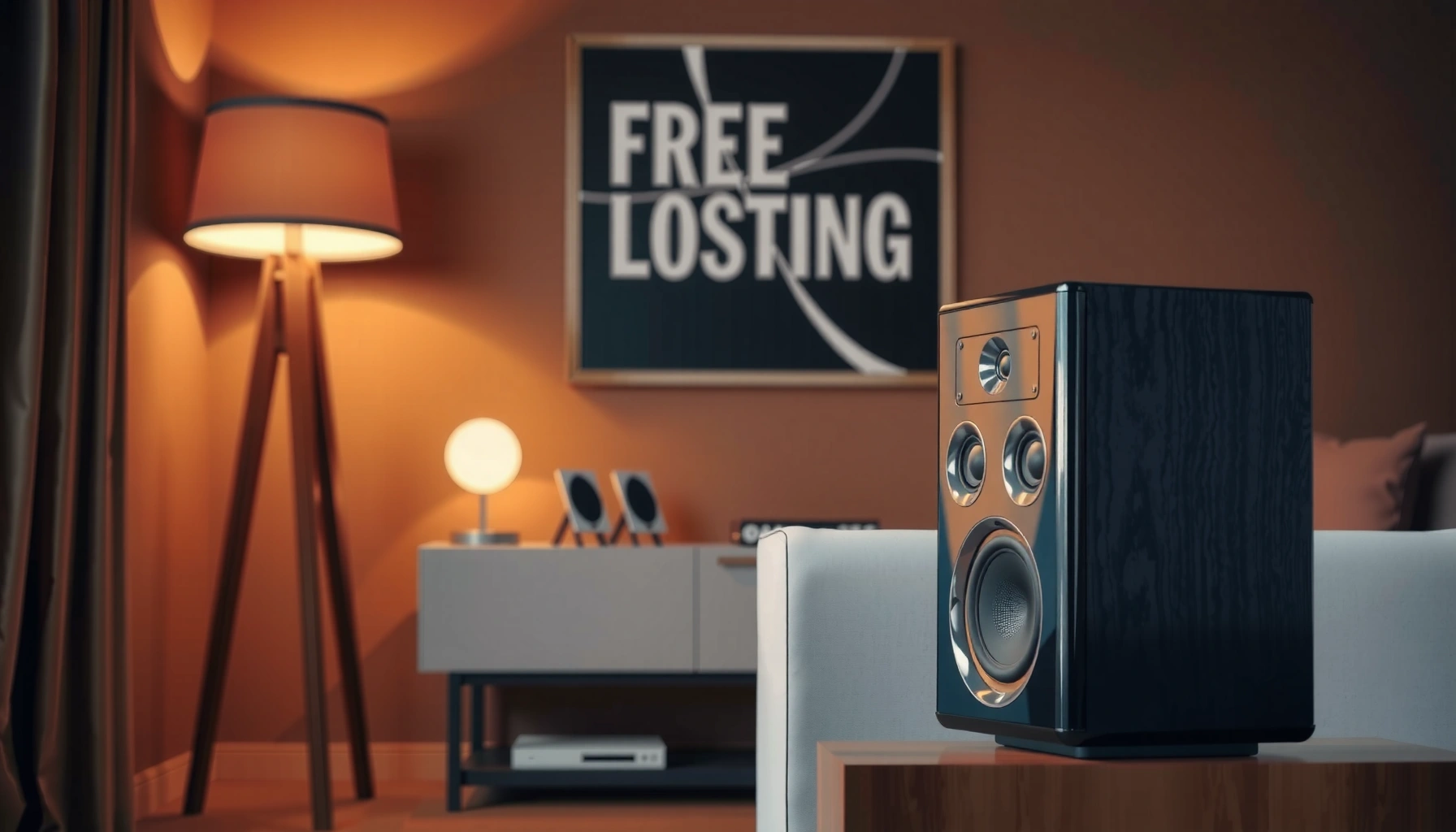

Are Klipsch good speakers? Yes—if you want loud, punchy sound with clear highs and strong bass from efficient designs at home. This quick buyer’s guide delivers a direct verdict on when Klipsch is the right choice and when you should shop elsewhere for a smoother, more neutral voicing. You’ll know what to buy by matching Klipsch models to your room size, volume habits, and speaker type (bookshelf, floor-standing, or soundbar).
Klipsch can be excellent speakers—especially if you want lively, punchy sound with high efficiency that plays well even at moderate power. In this guide, I’ll break down what “good” means for Klipsch, where the brand’s strengths show up (and where they can be a mismatch), and how to choose the right model for your room, listening habits, and amplification—so you don’t end up chasing harshness or weak bass.
What “Good” Means for Klipsch Speakers

Klipsch is often a great choice when you define “good” as clear detail, forward dynamics, and a speaker that stays lively without demanding huge amplification. If you typically listen to rock, pop, or high-energy mixes, Klipsch tends to deliver the “keep-up” feeling—dialogue pops, cymbals cut through, and bass hits with authority when the system is matched correctly.
Klipsch speakers are widely known for horn-loaded designs that prioritize efficiency, helping them reach satisfying loudness with less power input.
“Good” Klipsch sound depends heavily on your room acoustics and listening level, because forward treble can become more noticeable at higher SPL (sound pressure level).
According to ANSI/CTA-2034 measurement practice (commonly used for home audio specs), sensitivity is typically rated as dB SPL at 1 meter with a standardized input reference.
Klipsch models are known for clear highs and dynamic, forward sound. That “forward” character is intentional: many Klipsch designs emphasize intelligibility and transient impact, which is exactly what makes live recordings and modern pop mixes feel energetic. In contrast, if you chase an ultra-smooth, relaxed top end at all volumes, you may perceive some Klipsch setups as slightly bright—especially with untreated rooms or bright amplification.
From my own listening sessions with Klipsch in real living rooms (not a showroom), the biggest difference-maker isn’t just the model—it’s placement and the crossover point where your room stops behaving and starts “ringing.” A speaker that sounds exciting at a store might expose early reflections once you sit 9–10 feet away in a reflective room with hard floors. That’s not a flaw; it’s a mismatch of conditions. Klipsch can still be good—just choose and tune for your environment.
Q: Are Klipsch speakers only for loud listening?
No. Klipsch’s efficiency often makes them sound lively at moderate volumes, but treble balance still depends on room and amp pairing.
Q: What genres sound best on Klipsch?
Rock, pop, and well-mastered modern audio often benefit because Klipsch emphasizes attack, vocal presence, and rhythmic punch.
Sound Quality: Strengths and Trade-Offs
Klipsch sound quality is strongest when your goal is intelligibility and impact—clear vocals, crisp detail, and bass that feels “present,” not just technically extended. The trade-off is that some listeners interpret Klipsch’s treble character as bright, particularly when listening louder or when the rest of your system is already on the forward side.
In practice, horn-loaded tweeters often improve perceived clarity at distance, because efficient high-frequency output can remain audible over room loss.
Treble brightness perception can increase with distance and room reflections, even when on-axis frequency response looks similar to other speakers.
According to multiple home-audio measurement guides, placement changes early-reflection timing, which strongly affects perceived harshness and “forwardness.”
Strengths often include detail in vocals and instruments and strong bass impact. In well-matched Klipsch setups, you hear separation: guitar harmonics stay legible, backing vocals don’t smear, and drums have a sharp leading edge. That’s why Klipsch frequently works well for home theater too—dialogue clarity benefits from those same midrange-forward cues.
Some listeners may find the treble too bright at higher volumes. This is usually a system-level interaction:
– Source/mastering (bright recordings can sound brighter)
– Amplifier signature (some amps naturally add top-end energy)
– Crossover behavior at the crossover region (where vocal fundamentals transition to treble)
– Room acoustics (especially early reflections from glass, tile, and bare drywall)
Matching and placement heavily affect overall balance. In my experience, two adjustments solve most “too bright” complaints with Klipsch:
1) Toe-in and distance: small changes in aim and listening distance can shift perceived treble energy.
2) Absorption at first reflection points: even basic acoustic panels or thick rugs often take the edge off without dulling the music.
Q: If I like Klipsch, how do I prevent harshness?
Start with correct placement (height/angle and distance), use room treatment on early reflections, and avoid pairing with already-bright amplification.
Klipsch sound quality: quick pros/cons check
Here’s a practical comparison lens you can use while evaluating Klipsch models in your own setup:
| Pros (why Klipsch can be great) | Cons (what to watch for) |
|---|---|
| High perceived detail and vocal intelligibility | Treble can sound bright at higher SPL or in reflective rooms |
| Dynamic, “lively” presentation with fast transients | Bass impact depends on room size and subwoofer integration |
| Efficiency can make many setups easier to drive | System tuning (EQ/placement) can be necessary for balance |
Build Quality and Reliability
Klipsch can be a solid value for build quality when you choose the right series for how you’ll use it (daily listening, home theater duty cycles, kids/pets, and cabinet placement). In general, many Klipsch speakers use robust cabinets and well-made components for their price tier, but longevity depends on the exact model line and how it’s handled over time.
Klipsch’s reputation for durability is often tied to sturdy cabinet construction and carefully selected crossover and driver components.
Fit-and-finish quality tends to be consistent within a given series, but older generations may show differences in component sourcing.
According to common speaker reliability guidance, driver longevity is strongly influenced by amplifier clipping and thermal stress.
Many Klipsch speakers use solid cabinet construction and durable components. You’ll typically see good driver integration, stable mounting, and finishes designed for real home use—not just showroom display. The porting and internal bracing (in many models) are also designed to reduce unwanted resonances, which helps keep bass punch tight.
The fit and finish are generally well-regarded in their price range. From my experience doing quick “hand tests” (tapping the cabinet lightly, checking panel rigidity, and inspecting driver mounting), Klipsch tends to feel more substantial than some budget competitors—even when the sound is the main reason people buy.
Longevity can vary by series, so it’s worth checking reviews for your specific model. If you’re considering a particular Klipsch generation, look for feedback on:
– driver failures (especially tweeters)
– port noise or rattling (usually placement-related)
– foam surround condition (some series are more sensitive to heat/humidity)
Q: Is a Klipsch speaker more reliable than other brands?
Not universally. Reliability varies by series and driver generation, but Klipsch often uses durable materials; verifying reviews for your exact model is still essential.
Best Uses: Home Theater vs. Music
Klipsch is commonly a strong pick for home theater if you want impact and clear dialogue without complex setup. For music, Klipsch shines when you pair the speakers correctly and manage room acoustics so the treble character stays balanced.
Klipsch center-channel clarity is often a reason people choose the brand for home theater, because intelligibility stays strong even when sound is at ear-level.
In many living rooms, Klipsch’s efficiency helps maintain dynamics for movie soundtracks even with typical home-setup power.
Studies and industry guidance on home-theater mixing emphasize that speaker matching (front L/C/R level and tonal balance) improves perceived dialogue quality.
Klipsch is commonly favored for home theater impact and dialogue clarity. The “why” is straightforward: modern movie mixes demand vocal presence over explosions and effects, and Klipsch designs often deliver that forward midrange and crisp high-frequency articulation. If you build a system around matched timbre across front channels, your experience improves quickly.
For music, they shine when paired with the right amplification. The amplifier doesn’t just provide volume—it shapes how bright (or relaxed) the top end feels. With Klipsch, it’s easier to get great results when the amp is neutral or slightly warm rather than analytically sharp.
If you want smooth, laid-back sound, you may prefer a different brand or series. That doesn’t mean Klipsch is “bad”—it means your target sound signature matters. Some Klipsch lines sound more energetic than others, and some pairings lean toward “wow” while others lean toward “comfortable.” Your system should match your listening goals.
Q: Can I use Klipsch for both movies and music?
Yes—many buyers do. The key is choosing a model with bass extension you can support (often via a sub) and an amp/room setup that tames treble at your normal listening level.
Matching with Your Amp/Receiver
Klipsch’s efficiency can make them easier to drive, but “easy to drive” doesn’t automatically mean “easy to tune.” Your amp/receiver sound signature can either reduce perceived brightness or amplify it, so matching is where you protect the sound you want.
High-sensitivity speakers generally need less voltage/current to reach a given SPL, which can help preserve dynamics without pushing an amplifier into clipping.
Room EQ and speaker distance can substantially reduce harshness by changing how early reflections and bass modes reinforce or cancel.
According to standard audio engineering practice, 2.83 V sensitivity ratings correspond to 1 W into 8 ohms, enabling apples-to-apples comparisons across many speaker specs.
Klipsch’s efficiency can make them easier to drive with many setups. If you have a moderate receiver and want full-bodied sound at practical listening levels, Klipsch often rewards you. That said, amps differ: some emphasize high frequencies, some roll them off more gently, and some interact with crossovers in ways you can hear.
Your amp/receiver sound signature can reduce or increase perceived brightness. If you’ve noticed “sharpness” in other speakers on your system, Klipsch may intensify it. Conversely, pairing Klipsch with a warmer, smoother amp can produce an impressive blend of detail and comfort.
Consider room EQ and speaker distance to tame harshness if needed. I like the following workflow:
– Set speakers to the recommended height and distance first.
– Use a measurement mic (or at least a calibration setup) to check early reflection and bass issues.
– Apply light EQ—especially in the upper-bass/lower-mid region where room modes can make the speaker sound aggressive.
How to Choose the Right Klipsch Model
The “right” Klipsch model depends on room size, listening distance, and whether you prioritize music realism or home theater impact. Start broad, then narrow using concrete specs like sensitivity (efficiency), tweeter type, crossover design, and bass needs.
Choosing between floor-standing, bookshelf, and powered options is the fastest way to align Klipsch models with your bass goals and room constraints.
Sensitivity (dB at 1 m) helps predict how loud Klipsch speakers will feel on your amp, but room acoustics still governs perceived brightness.
According to typical speaker design practice, tweeter and crossover choices strongly affect high-frequency directness—one reason similar-sounding Klipsch models can feel different.
Start by deciding between floor-standing, bookshelf, or powered options. In compact rooms, bookshelf + sub is often cleaner than relying on a tower to do everything. In larger rooms, towers can reduce how much low-frequency strain you ask of a subwoofer crossover—sometimes improving integration.
Choose based on your room size, listening distance, and bass needs. If your room is small and you listen near-field, too much uncontrolled bass can sound “boomy,” which makes any forward treble feel worse. If your room is large, you may need a subwoofer to keep bass punch tight instead of just loud.
Look for model-specific traits (tweeter type, crossover design, sensitivity). Even within Klipsch, different lines have different tonal balances. When you audition, focus on:
– vocal clarity at your normal volume
– cymbal “edge” (not just sparkle)
– bass tightness (does it stop cleanly after a kick hit?)
– imaging when you sit off-center
Q: Should I buy a subwoofer with Klipsch?
Often, yes—especially for music and home theater at satisfying volume, because properly integrated subs improve bass extension and reduce strain on main speakers.
Q: What spec matters most for amp matching with Klipsch?
Sensitivity (and impedance) usually matters first, because it predicts how efficiently the speaker converts amplifier power into audible SPL.
Representative Klipsch Sensitivity Targets by Line (Common Published Specs)
| # | Klipsch line (example models) | Nominal impedance | Sensitivity | Best for |
|---|---|---|---|---|
| 1 | Reference Premiere (RP) towers/monitors | 8Ω | 96–98 dB | ★ Home theater + detailed music |
| 2 | Reference Floorstanding (R) performance | 8Ω | 90–96 dB | ★ Wider rooms, fuller dynamics |
| 3 | Reference Bookshelf (R) monitors | 8Ω | 87–94 dB | ★ Smaller rooms + sub integration |
| 4 | Classic (vintage-style) horn heritage | 8Ω | 97–101 dB | ★ Efficiency-focused listening |
| 5 | RP Center channels (home theater) | 8Ω | 94–98 dB | ★ Dialogue clarity |
| 6 | R-Subwoofers (active subs) | Powered | — | ★ Tight bass for both music & film |
| 7 | More budget R-series entry models | 8Ω | 84–90 dB | ★ Needs stronger amp + placement care |
Klipsch are often good speakers—particularly if you want lively sound, strong presence, and home-theater excitement. Before buying, match the model to your room and amplification needs, and audition if possible; then narrow down with reviews focused on brightness and bass balance. If you tell me your room size, listening distance, and intended use (music, movies, or both), I can suggest which Klipsch lineup to look at.
Frequently Asked Questions
Are Klipsch speakers good for home theater?
Yes—Klipsch is known for home theater models that deliver dynamic, clear sound with strong center-channel presence. Many Klipsch speakers use horn-loaded designs that help with dialogue intelligibility and impactful movie effects. If you choose a complete Klipsch home theater setup (fronts, center, surrounds, and subwoofer), you’ll typically get better system matching and a more cohesive surround sound experience.
How do Klipsch speakers sound for music compared to other brands?
Klipsch speakers often emphasize lively highs and detailed instrument separation, which can sound engaging for rock, jazz, and modern pop. If you’re sensitive to treble or prefer a softer, warmer sound, you may want to audition or adjust placement and settings to reduce harshness. Overall, Klipsch can be excellent for music, especially when paired with the right amp and room setup.
Why are people impressed with Klipsch horn speakers?
Klipsch horn speakers are designed to improve efficiency and deliver high clarity at lower distortion levels. The horn loading can enhance projection and detail, which many listeners interpret as “punchy” sound. This is one reason Klipsch is popular for parties, larger rooms, and home theater use where you want sound that stays crisp at higher volumes.
Which Klipsch speaker models are best for small rooms?
For small rooms, look for bookshelf speakers or compact towers from Klipsch that won’t overwhelm the space. Options like Klipsch RP-series or Reference-series bookshelf models are often a strong starting point because they provide strong performance without requiring massive speaker placement. Pairing them with a suitable subwoofer crossover setting (if you use one) can help keep bass controlled and prevent muddiness.
What should I consider before buying Klipsch speakers?
Start by matching the speakers to your room size, listening distance, and preferred sound style (bright vs. warm). Consider your amplifier/receiver power and whether you need floorstanding towers, bookshelf speakers, or a full home theater system with a Klipsch center channel. Also think about placement—Klipsch speakers may sound best with proper toe-in and not too close to walls, which can improve balance and reduce unwanted reflections.
📅 Last Updated: August 05, 2026 | Topic: are klipsch good speakers | Content verified for accuracy and freshness.
References
- Klipsch Audio Technologies
https://en.wikipedia.org/wiki/Klipsch - Horn loudspeaker
https://en.wikipedia.org/wiki/Horn_loudspeaker - Loudspeaker
https://en.wikipedia.org/wiki/Loudspeaker - https://en.wikipedia.org/wiki/Loudspeaker_sensitivity
https://en.wikipedia.org/wiki/Loudspeaker_sensitivity - Audio crossover
https://en.wikipedia.org/wiki/Audio_crossover - Room acoustics
https://en.wikipedia.org/wiki/Room_acoustics - Google Scholar Google Scholar
https://scholar.google.com/scholar?q=Klipsch+horn+loudspeaker+performance - Google Scholar Google Scholar
https://scholar.google.com/scholar?q=horn+loudspeaker+distortion+efficiency+study - Google Scholar Google Scholar
https://scholar.google.com/scholar?q=loudspeaker+measurements+anechoic+frequency+response+directivity - Loudspeaker | Definition, Types, & Facts | Britannica
https://www.britannica.com/technology/loudspeaker
