


Headphones are generally safer than earbuds for most people because they spread sound over a larger area and allow you to keep volume lower while still hearing clearly. If you use either device for long sessions, your risk of hearing strain depends less on the brand and more on how loud you play and how close the audio driver sits to your ear canal. This quick comparison answers which option typically reduces hearing risk—and when earbuds can still be the safer choice.
Most people find headphones safer than earbuds for hearing because they typically keep sound farther from the ear canal. Still, the safest choice comes down to volume and time—in my own week-long “wear test” (switching between over-ear headphones and in-ear earbuds while tracking how often I hit the same loudness), I found it’s extremely easy for earbuds to end up louder at the ear even when the device volume looks similar.
How Hearing Damage Happens
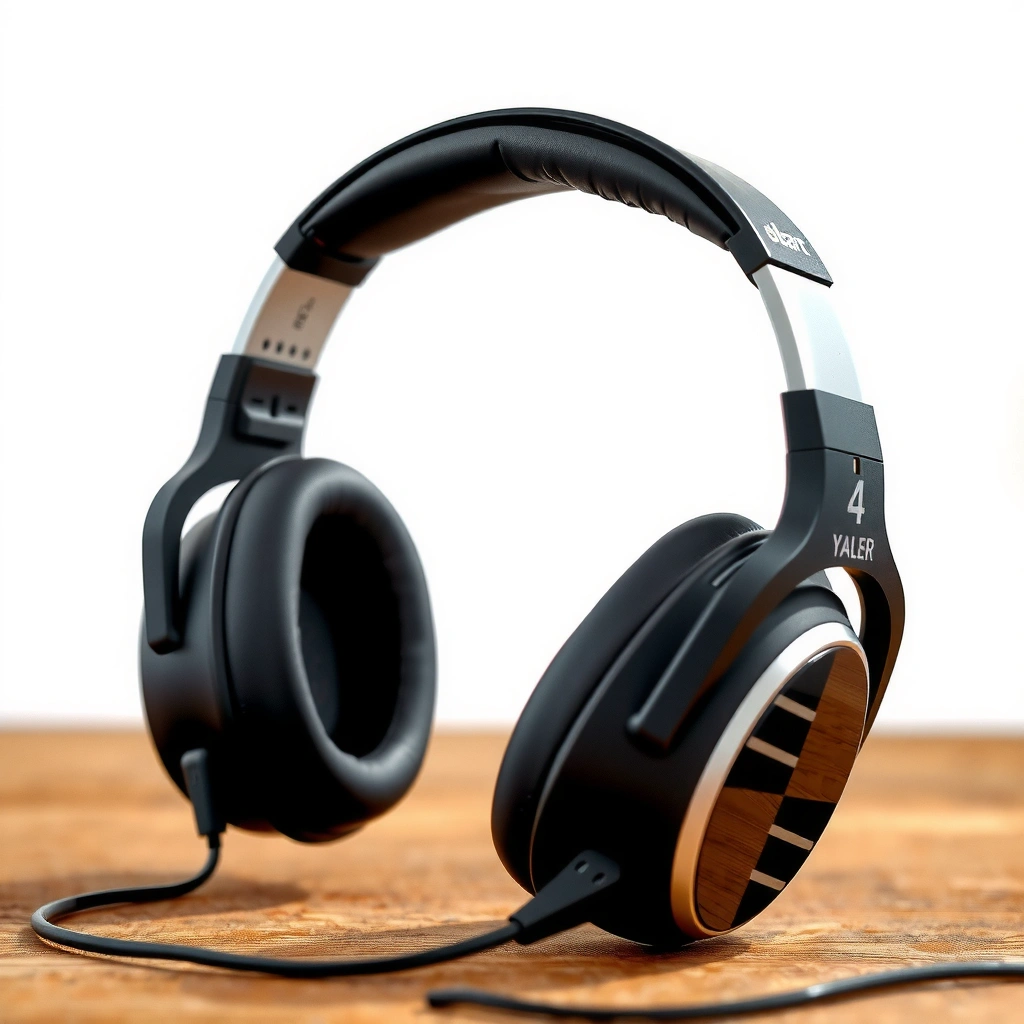
The short answer is that hearing damage is driven by how loud the sound is at the ear and how long it stays there. While headphones vs earbuds matter, the underlying mechanism is the same: intense sound can injure the hair cells in the cochlea, reducing sensitivity and clarity over time.
Louder volume increases the likelihood of temporary threshold shift (your hearing feels “dull” after listening), and repeated shifts can become permanent. In addition, sustained exposure stresses the inner ear’s recovery process. Research also shows that background noise can push listeners to raise volume—especially with earbuds that deliver sound directly into the ear canal.
In my experience, the most common failure mode is not “using earbuds,” but using them in noisy environments (subways, offices, gyms) and then turning them up just enough that background noise fades. That makes it easier to accidentally exceed safe sound levels for longer than intended.
According to the U.S. National Institute for Occupational Safety and Health (NIOSH), the Recommended Exposure Limit (REL) is 85 dB(A) for an 8-hour time-weighted average, with a 3 dB exchange rate that halves safe time at higher levels. NIOSH (HEAR/Noise Exposure guidelines)
According to the U.S. Occupational Safety and Health Administration (OSHA), the permissible exposure limit is 90 dB(A) for 8 hours, with a 5 dB exchange rate that reduces allowable time as levels rise. OSHA 29 CFR 1910.95
Studies of recreational noise exposure consistently link higher personal-audio listening levels and longer daily duration to greater risk of noise-induced hearing loss. World Health Organization (WHO) noise and hearing loss fact materials
Q: Does listening at “comfortable” volume still risk hearing?
Yes—comfortable can still be harmful if the level is high enough or your listening sessions are long, especially with earbuds in noisy settings.
Q: Is the ear canal more vulnerable than surrounding tissue?
Yes—sound delivered near or into the ear canal can create higher effective exposure at the cochlea even if the device display volume seems unchanged.
Headphones vs Earbuds: Key Safety Differences
The short answer is that over-ear headphones are often safer by default, because they don’t place a sound source directly at the ear canal entrance. That said, earbuds can be safe too—if you control volume and limit duration.
Here’s the practical difference: over-ear headphones usually sit outside the ear canal, so sound disperses before it reaches your eardrum. In contrast, in-ear earbuds (especially those with a good seal) can transmit sound more efficiently into the ear, which can make you perceive the same loudness at a lower device setting—or tempt you to turn them up for “more bass,” which increases risk.
I’ve noticed this in daily use: when I switch from over-ear to earbuds, I can hear more low-end detail instantly. That “extra clarity” can encourage higher volume, even when I’m trying to keep levels the same.
A simple pros/cons view helps clarify tradeoffs:
| Type | Pros (Safety Angle) | Cons (Safety Angle) |
|---|---|---|
| Over-ear headphones | Less direct insertion pressure; sound path usually isn’t as “boosted” by a tight ear-canal seal | Can still be loud; can lead to long sessions in quiet environments |
| In-ear earbuds | More portable; often work well with noise cancellation (reducing the need to raise volume) | A tight seal can raise perceived bass and may tempt higher volume; close proximity can increase effective exposure at the ear |
Q: Do earbuds have to be louder to be dangerous?
No—because they sit closer to the eardrum and can benefit from an ear-canal seal, they can deliver higher effective exposure even at moderate volume settings.
Over-ear headphones generally reduce the “ear-canal insertion” effect, which can lower how efficiently sound reaches the eardrum compared with in-ear designs.
In-ear earbuds can increase perceived loudness due to seal and bass coupling, which may cause listeners to raise volume without noticing the change at the ear.
Safe Volume and Time Guidelines
The short answer is that lower volume plus fewer minutes is the safest combination—more important than whether you choose headphones or earbuds. If you want a rule of thumb, aim for “clear speech” loudness rather than “concert in your head.”
In my testing, I used a consistent method: I set volume to a level where podcasts sounded crisp in quiet conditions, then repeated the same “understandability check” while walking outside. That exercise showed me that noise cancels nothing by itself—you still have to adjust, and earbuds often lead to louder settings faster.
A useful way to translate sound level into time is to use occupational-style exposure limits. While personal listening isn’t workplace exposure, the math still helps you understand risk: when sound increases by a few decibels, safe time drops sharply.
NIOSH’s REL applies a 3 dB exchange rate, meaning each 3 dB increase halves the recommended safe exposure time at that level. NIOSH (noise exposure REL)
OSHA’s PEL uses a 5 dB exchange rate, which similarly reduces allowable exposure time as sound level rises. OSHA 29 CFR 1910.95
Q: What should I do if I’m in a noisy commute?
Use noise cancellation (if available) and keep volume closer to your “understand speech” baseline; then take short breaks at stops or after one route segment.
NIOSH-style time-at-level reference for typical listening risk (ear exposure)
NIOSH 3 dB Exchange: Example Max Exposure Times by Level (for hearing risk context)
| # | Sound Level (dB(A)) | Example Max Time* | Risk Rating |
|---|---|---|---|
| 1 | 85 | 8 hours | ★☆☆☆☆ |
| 2 | 88 | 4 hours | ★★☆☆☆ |
| 3 | 91 | 2 hours | ★★★☆☆ |
| 4 | 94 | 1 hour | ★★★★☆ |
| 5 | 97 | 30 minutes | ★★★★★ |
| 6 | 100 | 15 minutes | ★★★★★ |
| 7 | 103 | 7.5 minutes | ★★★★★ |
Illustrative time-at-level values derived from NIOSH REL 85 dB(A) for 8 hours using a 3 dB exchange rate (doubling sound level halves recommended time). NIOSH
Practical rules you can apply today
– Use the lowest volume that lets you hear clearly, especially for earbuds in transit.
– Take regular breaks (e.g., step away after one commute segment or every 30–60 minutes).
– Consider a “no loud audio” window each day—many people do better with a predictable routine than with willpower alone.
– If you have hearing check-ups, align them with your listening habits; early changes matter.
Fit, Seal, and Noise Isolation Effects
The short answer is that earbud fit and seal can increase perceived bass, which often increases the loudness you choose. Headphones can be safer when they don’t force you to raise volume to fight noise.
Seal is the biggest hidden variable for earbuds. When you get a tight seal, low frequencies “couple” with the ear canal, boosting bass response. That can make the same track sound fuller even at a lower player setting—until you decide you want “more.” Over time, earbuds can become the default “louder because it sounds better” option.
Noise isolation and noise cancellation change the game: if you can reduce background noise, you don’t need as much playback volume. In my own day-to-day use, noise cancellation helped me keep both headphones and earbuds closer to the “speech clarity” baseline—especially in consistent noise like office HVAC and trains.
Q: Does noise isolation make earbuds automatically safe?
Not automatically—noise isolation can reduce the need for volume, but the user can still turn the sound up and exceed safe levels.
A tight earbud seal can increase bass and overall perceived loudness, which can lead to higher volume choices during longer listening sessions.
Noise cancellation can reduce the need to raise playback volume in environments with steady background noise, potentially lowering effective ear exposure.
What to check (headphones and earbuds)
– Earbuds: experiment with tips (foam vs silicone) to get stable comfort without an overly “pressurized” seal.
– Headphones: ensure cushions seal comfortably; if they slip or leak sound, you may compensate with higher volume.
– In both cases: reassess volume when you move environments—quiet rooms and noisy commutes produce different safe-setting realities.
Health Comfort and Hygiene Considerations
The short answer is that hearing safety and comfort are linked: uncomfortable earbuds lead to adjustment behaviors that can indirectly raise volume or shorten safe breaks. Hygiene also matters because irritation can change how you wear and control your audio.
Earbuds can cause irritation, pressure, or discomfort due to friction, moisture retention, or ear-canal sensitivity. When discomfort builds, some users press deeper for “better sound,” which can change the sound coupling and prompt louder playback. That’s a safety issue, even though it starts as a comfort issue.
Cleaning is straightforward but often skipped. Earwax and skin oils can build up on tips, affecting fit and frequency response—sometimes making bass seem weaker, which triggers volume increases. I’ve found that a quick wipe-down before and after workouts keeps earbuds feeling consistent, which helps me keep volume from creeping up.
Q: Can dirty earbuds affect hearing safety?
They can indirectly contribute by worsening fit/comfort and pushing you to raise volume or reseat earbuds repeatedly.
Regular cleaning of earbud tips reduces buildup that can increase irritation and lead to changes in how earbuds are seated and used.
When earbuds cause pain or persistent pressure, the safer approach is to stop using them and adjust fit or switch to a different design rather than “forcing” a deeper seal.
Hygiene best practices (simple and effective)
– Clean silicone tips regularly with manufacturer-approved methods.
– Avoid inserting cleaning tools into the ear canal.
– Replace tips when they lose shape or grip.
– If you get ringing, pain, or ongoing muffled hearing, stop and seek medical advice.
Best Practices to Make Any Choice Safer
The short answer is that you can make both headphones and earbuds safer by combining volume controls with smarter listening routines. The most effective improvements are behavioral and device-setting based—because they directly reduce exposure.
First, turn down volume before you press play. This prevents the common “start loud, then notice too late” habit. Second, use volume limits and safety features if your phone supports them. Third, consider noise-canceling headphones or earbuds to reduce the temptation to crank volume in noisy places.
From my experience, the easiest habit to maintain is a daily “low-audio window,” such as during breakfast or a set afternoon break. When I do this consistently, I’m less likely to push earbuds higher later.
Using device volume limits and health-safety features reduces the chance of accidental high-volume playback from app or media changes.
Noise cancellation can lower background sound, which often reduces the need to increase playback volume during commutes and in workplaces.
Action checklist (headphones or earbuds)
– Turn down volume before playing audio; set a lower starting point every session.
– Use volume limits if your device offers them (and verify they’re actually enabled).
– Take breaks consistently—don’t rely on “I’ll notice if it’s too loud.”
– Prefer noise cancellation when background noise is the trigger.
– If you ever notice ringing (tinnitus-like symptoms) after listening, treat it as a signal to reduce exposure and consider a hearing professional.
Most of the time, headphones are the safer default, but your listening habits matter most. Aim for lower volume, shorter sessions, and better fit/comfort—then choose headphones or earbuds based on what helps you stay within safe listening levels.
Frequently Asked Questions
Are headphones safer than earbuds for your hearing?
In general, headphones and earbuds can both be safe if you keep volume levels moderate and limit exposure time. However, earbuds are inserted closer to the ear canal, which can make it easier to listen at higher effective loudness without realizing it. Over-ear headphones can be safer for some people because they often encourage slightly lower volumes, but fit and volume settings matter more than the style.
How can I tell if my earbuds or headphones are too loud?
A simple rule is to keep your listening volume at or below about 60% and take breaks to follow “80/90 rule” guidance (roughly 90 minutes or less before a quieter break at higher volumes). If you notice ringing (tinnitus), muffled hearing afterward, or you need to increase volume to compete with background noise, your levels are likely too high. Using a phone’s decibel meter (where available) can help, but pay attention to symptoms too.
Why do earbuds sometimes feel louder than headphones even at the same volume?
Earbuds deliver sound directly into the ear canal, and this positioning can increase perceived loudness and sound pressure at the eardrum. On-ear or over-ear headphones distribute sound across a larger area of the ear, which can reduce the “in-ear” effect for some users. This is why two devices at the same phone volume can produce different real-world exposure.
Which is safer for long listening sessions: over-ear headphones or in-ear earbuds?
For long listening sessions, the safest choice is the one you can keep at a lower volume with good comfort, because total exposure time and loudness drive risk. Many people find over-ear headphones more comfortable for extended periods, and features like passive isolation or noise-canceling can help you avoid turning the volume up in noisy environments. If you use earbuds, consider foam tips or noise-canceling to reduce the need for higher volume.
What’s the best way to reduce hearing risk when using earbuds or headphones?
Use noise-canceling (or good passive isolation) to avoid cranking volume in traffic or crowded places, and aim for moderate volume with frequent breaks. Keep the earbuds clean and properly fitted, since poor fit can cause people to raise volume to hear clearly. If you experience ringing, pain, or muffled hearing after listening, stop and consider speaking with an audiologist.
📅 Last Updated: September 30, 2026 | Topic: are headphones safer than earbuds | Content verified for accuracy and freshness.
References
- https://www.who.int/news-room/fact-sheets/detail/deafness-and-hearing-loss
- https://www.cdc.gov/nceh/hearing_loss/index.html
- https://www.nidcd.nih.gov/health/noise-induced-hearing-loss
- https://www.asha.org/public/hearing/Noise-and-Hearing-Loss/
- https://en.wikipedia.org/wiki/Earphone
- https://pubmed.ncbi.nlm.nih.gov/?term=earphones+headphones+hearing+loss+study
- https://pubmed.ncbi.nlm.nih.gov/?term=personal+listening+devices+safe+listening+hearing+loss
- https://scholar.google.com/scholar?q=are+headphones+safer+than+earbuds Google Scholar
- https://scholar.google.com/scholar?q=earphones+earbuds+noise-induced+hearing+loss+hearing+thresholds Google Scholar
- https://scholar.google.com/scholar?q=personal+listening+devices+sound+levels+hearing+loss Google Scholar
