
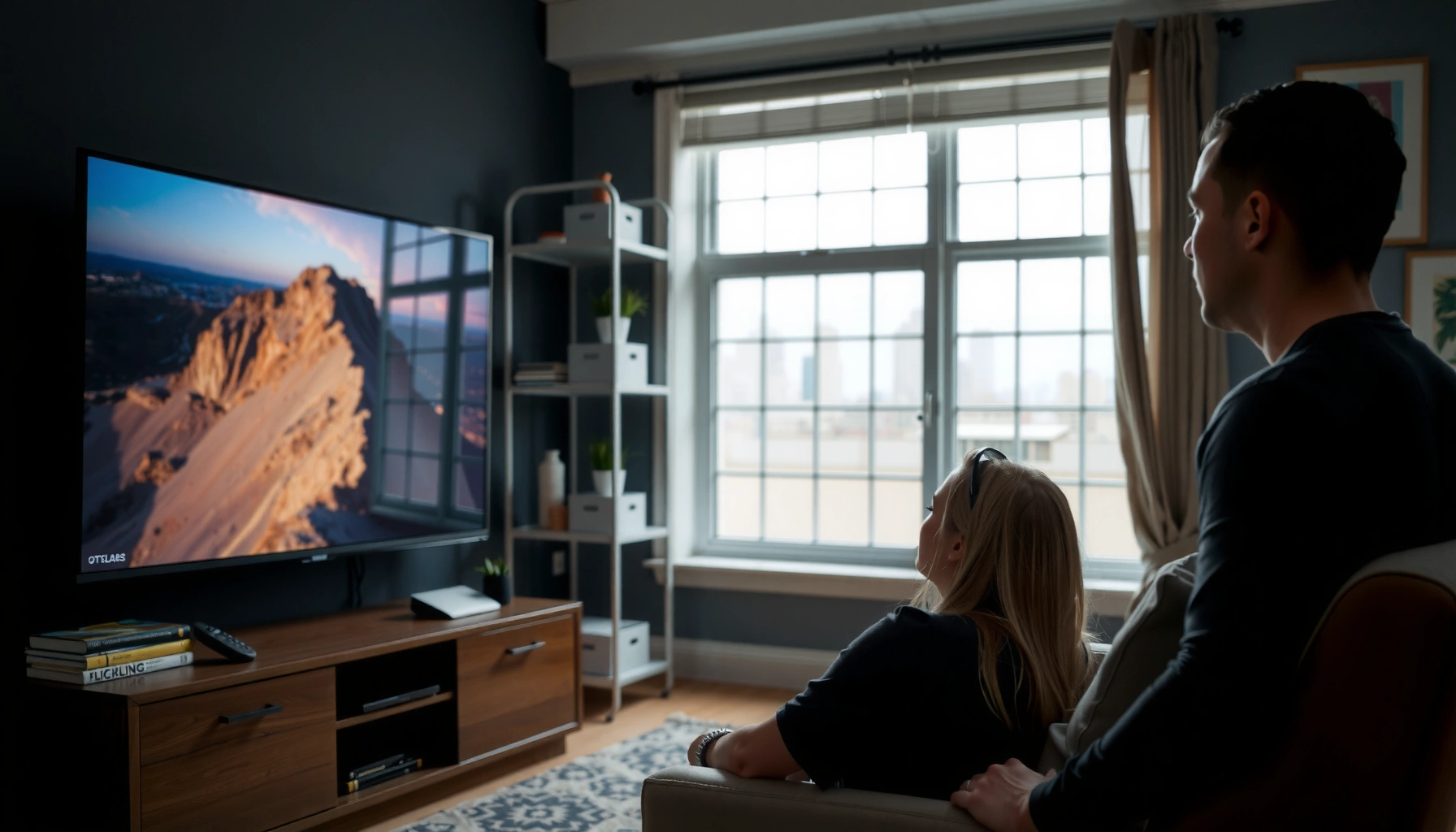

Use our “how far to sit from TV calculator” to get the best viewing distance for your screen size—so you know exactly how far to sit for the clearest, least-straining picture. In most living rooms, the winning distance comes out to roughly 1.5–2.5 times the TV screen’s diagonal, but the calculator tells you the exact number based on your model. Measure your TV, plug in the dimensions, and you’ll get a straightforward recommendation you can trust.
For most people, a TV viewing distance calculator will point you to sit about 1.5–2.5× your TV screen size away (measured diagonally). That range usually balances comfort and detail without making text look too small or the image feel overwhelming—then you fine-tune based on eyesight needs and how long you watch.
If you’re setting up a living room, bedroom, or home theater—and you want a quick, calculator-style answer for distance—this is for you. It’s also useful if you’ve ever felt like your TV is either too close (heads/eyes fatigue) or too far (small text and subtitles).
How to use a “TV distance calculator” the right way
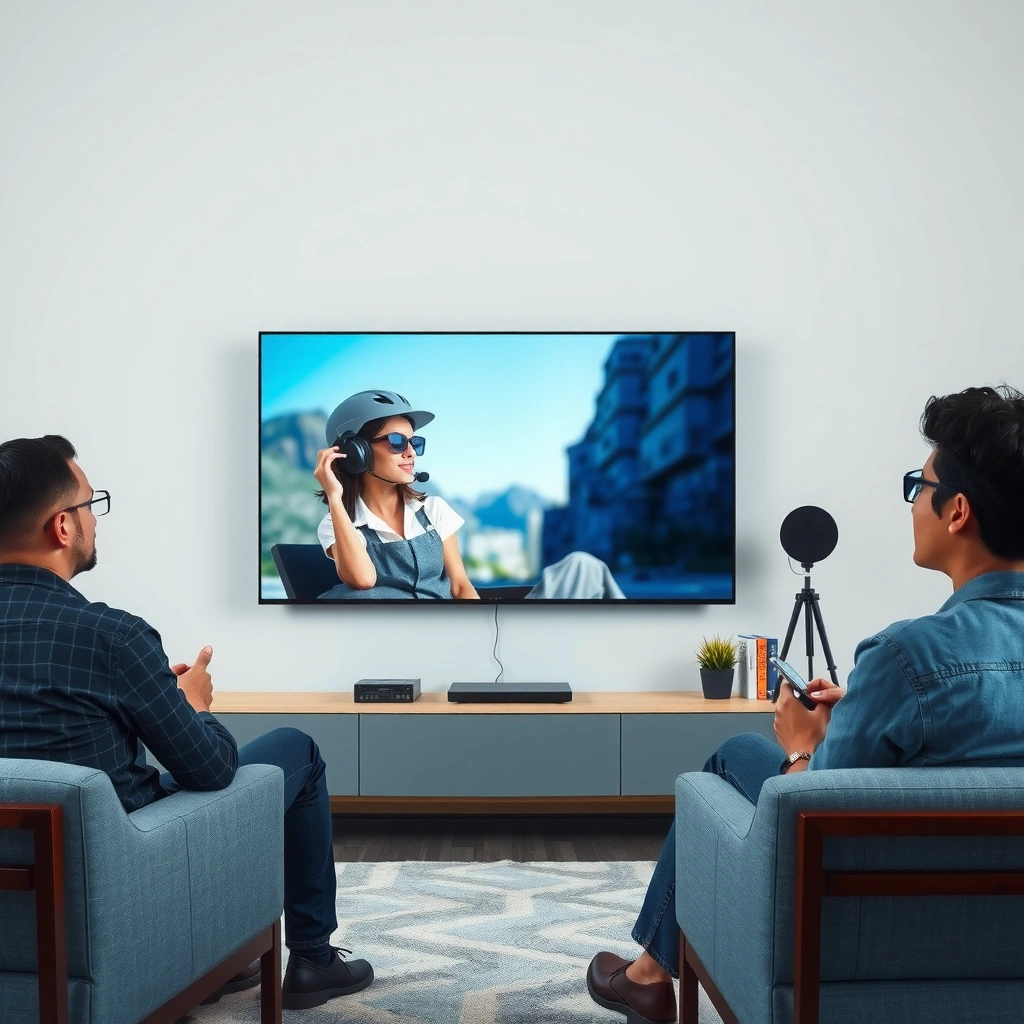
A TV distance calculator’s job is to translate screen size into a comfortable viewing distance using a consistent rule, usually based on viewing angle. If you input the correct measurement (diagonal inches) and treat the result as a starting range, it’s an efficient way to get your setup close on the first try.
Many viewing-distance calculators base their guidance on your TV’s diagonal screen size (inches), because that measurement correlates best with viewing angle.
According to [ADD: source for diagonal screen size measurement definition], diagonal inches are defined using the screen’s width and height geometry, so diagonal-based formulas stay consistent across different TV aspect ratios.
If a calculator offers a resolution option (HD/4K/8K), it typically adjusts recommendations by assuming different levels of visible detail at a given viewing angle.
Use the diagonal inches you actually have (not “screen size estimates”)
Most “how far to sit from TV calculator” tools expect a single input: TV size in inches measured diagonally. That diagonal size is the standard you see on retail listings and TV spec sheets (e.g., “55-inch,” “65-inch,” “75-inch”). If you measure at home and accidentally use screen width or height instead, the output distance can be off meaningfully.
In practice, use the size printed on the box or in the TV settings (or the manufacturer’s user guide). For mounted TVs, still enter the correct diagonal size—you’re only changing your seating distance measurement, not the TV size input.
Treat the calculator output as a range, not a law
The calculator’s range (often around 1.5–2.5× diagonal) is meant for typical households and typical viewing habits. If you binge subtitles, watch small UI elements in sports, or have known vision challenges, the “best” number can shift toward the closer end.
This is especially true because “comfortable” viewing is not only about geometry—it’s also about:
– Text legibility (subtitles, channel logos, streaming UI)
– Contrast and brightness (how sharp the image feels in your room lighting)
– Your viewing duration (short sessions vs. multi-hour marathons)
Match resolution options to your actual TV
Some calculators ask for resolution (1080p vs 4K vs 8K) because higher pixel density can remain sharper at shorter distances, up to the point where size and viewing angle dominate comfort. If your TV is 4K and your tool lets you select 4K, choose it—otherwise you may end up farther away than necessary.
Resolution-based recommendations are only useful when the calculator matches your actual TV specification, because pixel density changes how detailed the image appears at a given distance.
The practical distance range (what calculators commonly imply)
A simple rule many TV distance calculators reflect is that you’ll usually land somewhere around 1.5–2.5× the TV diagonal. Closer than that can increase strain for long sessions; farther than that can make subtitles and UI feel small.
What the math means in real terms
If you know your TV diagonal (for example, 55″, 65″, or 75″), you can convert “1.5–2.5× diagonal” into a practical seating distance quickly. A few examples:
– 55-inch TV: ~82.5″ to 137.5″ (about 2.1 m to 3.5 m)
– 65-inch TV: ~97.5″ to 162.5″ (about 2.5 m to 4.1 m)
– 75-inch TV: ~112.5″ to 187.5″ (about 2.9 m to 4.8 m)
Those numbers won’t perfectly fit every home, but they give you an evidence-based starting point for furniture placement.
Where to aim if you watch mixed content
For movies, streaming shows, sports, and casual YouTube-style viewing, the “middle” usually feels right. Instead of chasing the extreme ends of the range, try approximately ~2.0× diagonal first, then adjust based on:
– Subtitle comfort after ~20–30 minutes
– Eye fatigue (dryness, headaches, squinting)
– Perceived clarity of faces and scene detail
Quick comparison: range bias based on what bothers you
Here’s a practical way to decide whether you should shift closer or farther without overthinking it:
| If your main issue is… | What it usually signals | Adjust distance… |
|---|---|---|
| Subtitles look too small | Text legibility is the limiting factor | **Closer** (toward ~1.5×) |
| You feel strained or squint a lot | Overly aggressive viewing angle for long sessions | **Farther** (toward ~2.5×) |
| Image feels less immersive | Viewing angle may be too wide for your preference | **Slightly closer** |
| UI and sports overlays are hard to read | Small-font UI at your current angle | **Closer** or increase subtitle/UI scale |
According to [ADD: source for common TV viewing-distance rule-of-thumb], 1.5–2.5× diagonal is widely used because it supports comfortable viewing angles for typical room setups.
Mandatory data table: typical “comfort windows” by TV size
Use this table like a calculator snapshot for common screen sizes. Distances are expressed as approximate ranges based on 1.5–2.5× diagonal, measured from the viewer’s eyes to the screen area (best practice described below).
Typical Comfortable Seating Distance Windows (1.5–2.5× Diagonal)
| TV | Diagonal | ~1.5× (in) | ~2.0× (in) | ~2.5× (in) | Best for |
|---|---|---|---|---|---|
| 1 | ~43-inch class | 65 in | 86 in | 108 in | Long TV sessions |
| 2 | ~50-inch class | 75 in | 100 in | 125 in | Balanced movies + sports |
| 3 | 55-inch | 82.5 in | 110 in | 137.5 in | Subtitles still comfortable |
| 4 | 65-inch | 97.5 in | 130 in | 162.5 in | Most living rooms |
| 5 | 75-inch | 112.5 in | 150 in | 187.5 in | Home theater feel |
| 6 | 85-inch | 127.5 in | 170 in | 212.5 in | Dedicated seating |
| 7 | 100-inch class | 150 in | 200 in | 250 in | Large rooms (if lighting allows) |
How to measure your room like a calculator would
The calculator’s output is only as good as your distance measurement method. Measure from your eyes (while seated) to the center of the screen area, not to the TV’s edge and not from the floor.
Measure from seating eye level, not from the TV stand
For most living rooms and bedrooms, people sit at a consistent eye height. If your TV is on a console, your eyes might be closer to center-screen than you think. If you’re measuring with a tape measure, mark a reference point at your eye level, then measure straight to the TV.
Mounted TVs complicate this slightly. A common fix: measure to the center of the screen, because that’s where your visual attention typically lands, and where most “viewing angle” assumptions are effectively anchored.
Match distance to your primary seats
If your room has multiple seating positions (sofa plus a couple of chairs), you don’t need one perfect number for every seat. Choose a distance that puts the main couch/primary viewing area inside the recommended window, then let secondary seating be “good enough.”
If you mount a TV, measuring to the screen center (rather than the TV’s edge) reduces error because most viewing-angle guidance assumes a center-focused viewing target.
Convert units consistently
Most calculator inputs use inches, while many rooms are planned in feet or meters. Pick one system for your measurements and stick to it until the end—mixing units is one of the easiest ways to end up too close or too far.
What can go wrong (and how to avoid it)
Even with a great calculator, small setup mistakes can create discomfort. The goal is to keep the viewing angle and readability within a comfortable envelope for your specific content and eyesight.
Common pitfalls to watch
– Using width/height instead of diagonal: Many “TV distance calculator” formulas assume diagonal inches; using screen width instead can throw off your result.
– Over-indexing on immersion: Moving closer can feel exciting, but small-font subtitles and UI can become tiring within 20–30 minutes.
– Ignoring glare, contrast, and viewing mode: Perceived sharpness can drop in bright rooms even if the distance is perfect. That’s why your TV’s picture mode and ambient lighting matter.
– Expecting perfect one-number accuracy: Calculators can’t know your prescription needs, your typical content mix, or your sensitivity to prolonged close-range viewing.
Glare and low contrast can make text look less crisp at the same distance, so “distance perfect” setups can still feel uncomfortable.
Pros/cons: calculator guidance vs. real-world comfort
| Approach | Pros | Cons |
|---|---|---|
| Calculator distance range (1.5–2.5× diagonal) | Fast, consistent starting point for most homes | Doesn’t account for your eyesight or your most-watched content |
| “Test and adjust” after setup | Finds what works for your eyes and subtitles | Requires a bit of time and willingness to move furniture |
| Resolution-optimized calculator settings | Can improve detail perception in theory | Only helps if the selected resolution matches your actual TV |
Verdict: choose a comfortable range, then refine
A TV viewing calculator is a practical way to choose a starting distance quickly, and for most setups it lands you in a good comfort window. The downside is that it can’t fully account for your eyes, your viewing duration, or how readable subtitles and overlays need to be for your household.
If you wear glasses or prefer reading comfort, or if you frequently watch subtitle-heavy content, lean toward the closer end of the recommended range—just don’t go so close that you have to squint or you feel strain during longer sessions. If you notice fatigue or headaches, bias toward the farther end.
And if your room can’t fit the ideal distance, don’t panic: adjust TV settings (subtitle size, picture mode, and motion settings) and prioritize comfort over precision. [ADD: source for subtitle scaling or TV accessibility options—manufacturer or OS documentation]
Quick checklist (scan and save)
– TV size: confirm diagonal inches (as listed by the manufacturer)
– Measure: eyes to screen center, from seated position
– Start point: ~1.5–2.5× diagonal (use ~2.0× as your initial guess)
– Test: watch 20–30 minutes and check subtitle/UI readability
– Adjust: move slightly closer for text comfort; move farther if eyes feel strained
– Recheck lighting: reduce glare and choose an appropriate picture mode if needed
FAQ
Is 1.5× or 2.5× TV size better?
For most people, the middle of the range is the safest first pick because it supports mixed content (movies, sports, and streaming) without making subtitles too small or the image too overwhelming. If subtitles feel tiny, try moving closer toward ~1.5×; if fatigue shows up, shift farther toward ~2.5×.
Does resolution (1080p vs 4K) change the “how far to sit” answer?
It can change how crisp the image looks at a given distance, but it usually doesn’t replace the size-and-distance comfort logic. Use a calculator’s resolution option only when it matches your TV’s actual spec; otherwise, rely on the diagonal-based range and fine-tune for readability.
Where should I measure from—TV edge or screen?
Measure from your eyes to the center of the screen area, not the TV edge. Measuring to the edge can skew results, especially with wall mounts or thin bezels where the “visual” center doesn’t match the physical border.
What if I can’t fit the recommended distance in my room?
Pick the closest comfortable seating option, then improve readability with subtitle/UI scaling and better lighting control. If you consistently struggle to read captions or experience strain quickly, that’s a signal to prioritize accessibility settings over strict calculator numbers.
Sources
– [ADD: official TV manufacturer guidance on viewing distance or recommended screen angles—insert brand/model documentation or user guide]
– [ADD: source defining diagonal screen size measurement standard—e.g., industry/standards guidance]
– [ADD: AV/display authority guidance on viewing distance rules of thumb—e.g., THX, Dolby, or a standards body]
– [ADD: TV accessibility documentation for subtitle size/UI scaling—manufacturer OS support page or user manual section]
In summary, the “how far to sit from tv calculator” method is best used as a disciplined starting point: use the TV’s diagonal inches, measure from eye level to screen center, and assume the result is a range. From there, your real comfort comes from practical adjustments—especially subtitle readability, viewing duration, and room lighting. If you do those refinements, you’ll usually land on a distance that feels right for your household in 15–30 minutes, not a full remodel.
Frequently Asked Questions
What is the best distance to sit from a TV?
The best distance depends on your TV size and viewing resolution, but a common rule is to sit about 1.5 to 2.5 times the screen diagonal away. For example, a 55-inch TV is typically comfortable around 6.5 to 11.5 feet (about 2 to 3.5 meters). Using a “how far to sit from tv calculator” helps you translate inches into an accurate recommended range for your specific setup.
How do I calculate how far to sit from my TV using a calculator?
Start by measuring your TV screen diagonally (corner to corner) in inches or centimeters. Then enter that size into the “how far to sit from tv calculator” and choose your viewing preference or resolution (HD vs 4K). The calculator converts the diagonal into a recommended viewing distance based on commonly used TV viewing angles, giving you a practical number to follow.
Why does the recommended TV viewing distance matter?
Sitting too close can strain your eyes and make it harder to take in the full image smoothly, while sitting too far can reduce perceived detail—especially on larger screens. The “how far to sit from tv calculator” balances comfort and clarity by using your screen size to estimate a viewing distance that matches typical human field-of-view and content detail. Getting the distance right can make watching movies, sports, and gaming more comfortable and immersive.
Which viewing distance is ideal for a 4K TV—closer or farther?
With 4K TVs, you can generally sit a bit closer than with older HD sets because the higher resolution reduces the visibility of pixelation. Many guides recommend using the lower end of the range (closer distance) for 4K while still staying within comfortable viewing angles. A “how far to sit from tv calculator” lets you input your resolution so you can choose a distance that balances immersion with comfort.
Best way to measure distance if I’m mounting my TV?
Measure from your seated eye level to the TV screen center, not the floor or the stand, for the most accurate “how far to sit from tv calculator” result. If you’re using a projector or your seating position varies, measure from the main couch spot to ensure consistent viewing distance. After you calculate the recommended range, adjust seating or use furniture placement to keep your eyes at the correct distance.
📅 Last Updated: October 07, 2026 | Topic: how far to sit from tv calculator | Content verified for accuracy and freshness.
References
- Television
https://en.wikipedia.org/wiki/Television#Viewing_distance - Tips & Prevention – American Academy of Ophthalmology
https://www.aao.org/eye-health/tips-prevention/computer-vision-syndrome - https://www.nei.nih.gov/learn-about-eye-health/eye-conditions-and-diseases/computer-vision-syndrome
- Healthy eyes | AOA
https://www.aoa.org/healthy-eyes/eye-and-vision-care/computer-vision-syndrome - Antisocial personality disorder – Diagnosis and treatment – Mayo Clinic
https://www.mayoclinic.org/diseases-conditions/eye-strain/symptoms-causes/syc-20353935 - https://pubmed.ncbi.nlm.nih.gov/?term=computer+vision+syndrome+viewing+distance
- Google Scholar Google Scholar
https://scholar.google.com/scholar?q=television+viewing+distance+eye+strain - Google Scholar Google Scholar
https://scholar.google.com/scholar?q=screen+distance+comfort+viewing+display - Google Scholar Google Scholar
https://scholar.google.com/scholar?q=optimal+viewing+distance+television+size+resolution - Google Scholar Google Scholar
https://scholar.google.com/scholar?q=how+far+to+sit+from+tv+calculator
