
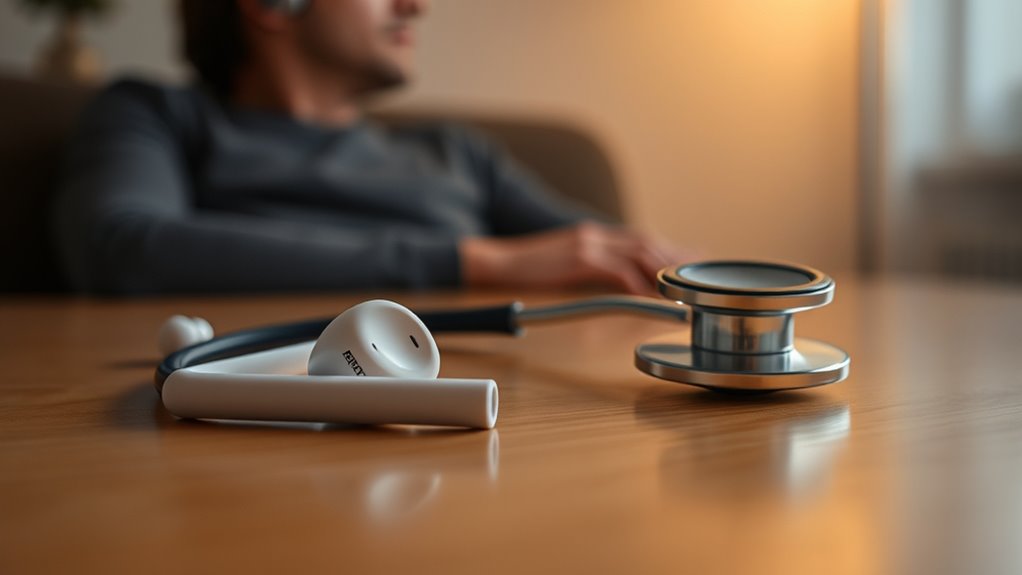

Earbuds can pose risks to your hearing if used improperly. Prolonged exposure to high volume levels, especially above 85 decibels, can lead to hearing loss or conditions like tinnitus. They also create a warm, moist environment, raising infection risks. To use them safely, keep the volume at 60% or lower, take breaks, and clean your earbuds regularly. Understanding these factors is essential for maintaining your hearing health, and there’s more you can explore to stay informed.
Understanding Earbuds and Their Popularity
As technology advances, earbuds have become increasingly popular due to their convenience and portability. You’ll likely notice a surge in earbud trends, reflecting diverse user demographics. From students to professionals, people of all ages are integrating earbuds into their daily lives, seeking both functionality and style. Noise-cancellation features are among the latest trends, enhancing user experience in various environments. Additionally, wireless models offer unparalleled freedom, allowing you to move without being tethered to devices. As a result, brands are adapting to cater to this growing market, producing models that suit different preferences and budgets. Understanding these trends can empower you to make informed choices about your audio experience, ensuring you find the perfect pair that fits your lifestyle.
The Science of Sound and Hearing
Understanding sound waves is vital for grasping how your ears perceive audio. Increased volume levels can greatly impact your hearing health, especially when earbuds are used for extended periods. It’s important to recognize how both the intensity and duration of sound exposure can affect your auditory system.
Sound Waves and Hearing
While you might enjoy the convenience of earbuds for listening to music or podcasts, it’s essential to grasp the science behind sound waves and hearing. Sound waves are vibrations that travel through the air, reaching your ears and affecting your auditory perception.
- Sound Frequency: Measured in Hertz (Hz), it dictates how high or low a sound is.
- Amplitude: Determines the loudness of the sound.
- Wavelength: Affects how sound waves interact with the environment.
- Timbre: Defines the quality or color of the sound, allowing you to distinguish different instruments.
- Ototoxicity: Some substances can damage hearing; awareness is key.
Understanding these concepts helps you appreciate the auditory experience and make informed choices regarding your hearing health.
Volume Levels Impact
Many people underestimate the impact of volume levels on their hearing health. When you listen to music or podcasts at high volume thresholds, you risk permanent damage to your auditory system. Prolonged exposure to sounds above 85 decibels can lead to noise-induced hearing loss, as the delicate hair cells in your inner ear can become fatigued and eventually die. This often results in sound distortion, where even normal volume levels become less clear and distorted. It’s crucial to keep your volume at a safe level, ideally below 60% of your device’s maximum capacity. By being mindful of how loud your earbuds are, you can enjoy your audio freedom while protecting your hearing for years to come.
Duration of Use
As you immerse yourself in audio content through earbuds, the duration of use plays a significant role in your hearing health. Prolonged exposure can lead to hearing damage, making it essential to be mindful of duration limits and usage frequency.
To protect your ears, consider the following guidelines:
- Limit usage to 60 minutes at a time.
- Take breaks of at least 10 minutes between listening sessions.
- Keep volume levels below 60% of maximum capacity.
- Use noise-canceling features to lower volume needs.
- Monitor any signs of discomfort, such as ringing or pain.
Potential Risks of Prolonged Earbud Use
Using earbuds for extended periods can lead to significant hearing loss due to prolonged exposure to high decibel levels. Additionally, the close fit of earbuds can create a warm, moist environment in your ear canal, increasing the risk of infections. Understanding these potential risks is essential for maintaining your ear health while enjoying your audio experience.
Hearing Loss Concerns
While earbuds offer convenience and portability for listening to music or podcasts, prolonged use can raise significant concerns regarding hearing loss. You might unknowingly expose yourself to risks like acoustic trauma, which can lead to permanent damage. Additionally, ignoring volume levels can increase the likelihood of tinnitus, a condition characterized by persistent ringing in the ears.
To minimize these risks, consider the following:
- Limit listening time to under an hour at a stretch.
- Keep volume levels below 60% of maximum.
- Use noise-cancelling earbuds to reduce the need for higher volumes.
- Take regular breaks to rest your ears.
- Educate yourself on tinnitus prevention strategies.
Being mindful of these factors can help protect your hearing health while enjoying your favorite audio.
Ear Infection Risks
Although earbuds provide a practical solution for hands-free listening, they can significantly increase the risk of ear infections with prolonged use. The confined space of your ear canal creates a warm, moist environment that fosters bacterial growth. When earbuds are inserted, they can introduce pathogens directly into this space, heightening your chances of developing an ear infection. To mitigate these risks, consider implementing prevention strategies such as regularly cleaning your earbuds with alcohol wipes, avoiding sharing them, and taking breaks to allow your ears to breathe. Additionally, make sure your earbuds fit properly; ill-fitting ones can irritate your ear canal, increasing susceptibility to infections. By being proactive, you can enjoy your earbuds without compromising your ear health.
Safe Listening Practices
To protect your hearing, it’s essential to adopt safe listening practices when using earbuds. Following these guidelines helps guarantee you enjoy your audio without risking your auditory health:
To protect your hearing, adopt safe listening practices with earbuds for a healthier audio experience.
- Maintain a safe volume: Keep your volume at 60% or lower for maximum safety.
- Limit listening duration: Take breaks every hour to reduce strain on your ears.
- Use noise-canceling features: This can help you listen at lower volumes in noisy environments.
- Choose quality earbuds: High-quality devices can deliver better sound at lower volumes.
- Monitor your hearing: Consider regular check-ups to catch any potential issues early.
Choosing the Right Earbuds for Health
Choosing the right earbuds can greatly impact your auditory health and enhance your listening experience. Start by considering earbud design; look for models that fit securely yet comfortably in your ears. A well-designed earbud can minimize the risk of ear fatigue and prevent sound leakage, which can lead to higher volume levels.
Next, prioritize comfort features. Soft silicone or memory foam tips can provide a snug fit, ensuring that you enjoy long listening sessions without discomfort. Adjustable or customizable designs can cater to your unique ear shape, promoting better acoustics and reducing the likelihood of damaging your hearing.
Ultimately, the right combination of earbud design and comfort features will empower you to listen freely, safely, and enjoyably.
Noise-Cancelling Technology and Its Benefits
As you explore the domain of earbuds, understanding noise-cancelling technology is essential for enhancing your auditory experience. This technology not only improves sound quality but also provides effective noise isolation, allowing you to immerse yourself fully in your audio without external distractions. Here are some benefits of noise-cancelling earbuds:
- Reduces ambient noise considerably
- Enhances clarity of music and spoken word
- Promotes better focus in noisy environments
- Lowers the need for higher volume levels
- Increases comfort during prolonged use
The Impact of Volume Levels on Hearing
While enjoying your favorite music or podcasts, it’s essential to be mindful of the volume levels you’re exposing your ears to, as prolonged exposure to high decibel levels can lead to irreversible hearing damage. Research indicates that sound exposure above 85 decibels is harmful, and many earbuds can reach volume thresholds that exceed this limit. It’s vital to monitor your listening habits and maintain a safe volume, ideally keeping it around 60% of the maximum output. Regularly checking the duration of your listening sessions can also help mitigate risks. Remember, your hearing is a precious asset, and taking control of your volume levels is key to preserving it. Prioritize your auditory health and enjoy your audio experiences responsibly.
Ear Hygiene and Maintenance Tips
How often do you think about the cleanliness of your earbuds? Maintaining ear hygiene is vital for both your health and the longevity of your device. Regular inspections and earbud cleaning can prevent ear infections and guarantee peak sound quality. Here are some tips for effective maintenance:
- Wipe down the exterior with a soft, dry cloth after each use.
- Remove ear tips and clean them with warm, soapy water weekly.
- Inspect the mesh screens for debris; use a soft brush for removal.
- Store your earbuds in a case to keep them dust-free.
- Avoid sharing earbuds to minimize the risk of bacterial transfer.
Alternatives to Traditional Earbuds
With numerous options available, you might consider alternatives to traditional earbuds that cater to your specific needs and preferences. Wireless headphones provide an excellent choice, eliminating tangled cords and offering greater mobility. They often feature noise-cancellation technology, enhancing your listening experience while minimizing ambient noise. If you prefer enhanced comfort and sound quality, over-ear alternatives might be ideal. These headphones distribute pressure more evenly across your ears, reducing discomfort during extended use. Additionally, over-ear models typically have larger drivers, delivering richer sound and deeper bass. When choosing between these options, consider your lifestyle and how you intend to use them, whether for casual listening or focused work sessions. Embrace the freedom to select what best fits your auditory needs.
Frequently Asked Questions
Can Earbuds Cause Ear Infections?
Yes, earbuds can contribute to ear infections if you neglect ear hygiene. By regularly cleaning them and ensuring proper fit, you can enhance infection prevention, allowing you the freedom to enjoy your audio experience safely.
How Often Should I Replace My Earbuds?
You should replace your earbuds every six to twelve months, depending on usage. The earbud lifespan can diminish due to wear and tear, so regular replacements guarantee peak sound quality and hygiene for your listening experience.
Do Wireless Earbuds Pose Different Health Risks?
Yes, wireless earbuds can pose different health risks, including radiation exposure and potential hearing loss. It’s essential to monitor volume levels and usage duration to mitigate these risks while enjoying the convenience of wireless technology.
Are There Any Age Restrictions for Using Earbuds?
There aren’t strict age restrictions for using earbuds, but age guidelines suggest monitoring volume levels, especially for children. Safe usage guarantees hearing protection, promoting healthy listening habits that encourage freedom in enjoying audio experiences responsibly.
Can Earbuds Affect Balance or Coordination?
Earbuds can be like a tightrope walker’s distraction; they might lead to balance issues and coordination problems. When immersed in sound, your awareness of surroundings diminishes, potentially affecting your spatial awareness and stability.
