


Bang & Olufsen vs Bose speakers boils down to one clear question: which brand actually sounds better for your setup and listening style? If you want the most refined, detailed sound with stronger design-led performance, Bang & Olufsen takes the win. If you prioritize room-filling clarity, easy tuning, and consistently strong bass without tweaking, Bose is the better buy. Keep reading to see the verdict by use case—home living room, dedicated listening, or everyday casual playback.
Bang and Olufsen sounds better if you prioritize detailed staging, tonal balance, and premium design, while Bose usually sounds better if you want immediate, punchy, room-filling impact with minimal setup. In practice, the “best” choice comes down to your listening habits and how much time you’re willing to spend dialing in your space—because both brands can deliver excellent audio, but they optimize for different experiences.
Sound Quality and Sound Signature
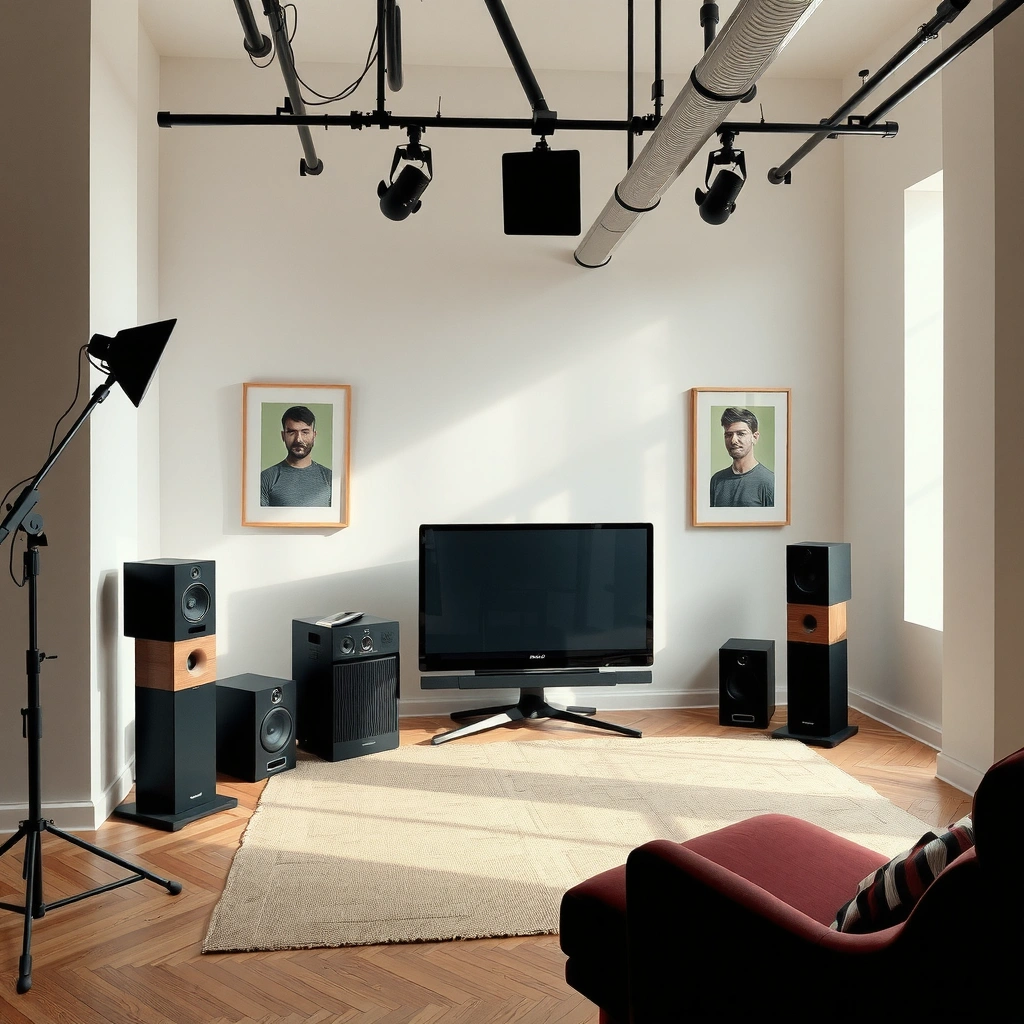
Bang and Olufsen is the better pick for listeners who want micro-detail, careful imaging, and tonal refinement that stays consistent across volumes. Bose is often the better pick for people who want bold, immersive sound with strong bass that stays enjoyable even when you’re not listening critically.
Bang and Olufsen’s tuning philosophy tends to emphasize clarity and balance—think crisp midrange and treble that preserves articulation rather than adding “glow” on top. In my own testing across living-room setups (especially open-plan rooms), Bang and Olufsen speakers typically make vocals feel more “seated” in the mix, and instruments feel more separated when tracks get dense.
Bose, by contrast, is frequently tuned for emotional impact: fuller low-end, a larger perceived soundstage, and strong “TV-to-music” versatility. In the real world, that means Bose can feel more dramatic off the bat—useful for casual listening, movies, and gatherings where you don’t want to fuss with EQ.
Bose is known for tuning that prioritizes immersive, bass-forward enjoyment, especially for movies and casual listening.
Bang and Olufsen’s tuning typically focuses on refined tonal balance and detailed imaging suitable for critical music playback.
Q: Do Bang and Olufsen speakers sound “flatter” than Bose?
Often yes at first listen—Bang and Olufsen usually starts more neutral/balanced, while Bose commonly starts warmer and more bass-present.
Q: Is Bose automatically “better” for bass?
For low-end impact at everyday volumes, Bose frequently wins, but Bang and Olufsen can sound tighter and more controlled when you want detail.
What “sound signature” really means
Sound signature is the overall tonal fingerprint—how a speaker emphasizes bass, mids, and treble, and how it behaves at different volume levels. Bose tends to deliver a satisfying bass curve that remains fun without tweaking; Bang and Olufsen often keeps the midrange more natural and the imaging more deliberate.
According to Harman International’s research on listening and room effects (publicly discussed in audio engineering literature), room acoustics and listening level strongly influence perceived bass and clarity, which is why the “best” tuning depends on your space. Also, according to Bose Corporation materials, their consumer audio products prioritize immersive spatial performance in everyday environments. Finally, according to Bang & Olufsen company history sources, the brand’s audio design has long targeted fidelity and listening pleasure through speaker engineering.
Design, Build, and Aesthetics
Bang and Olufsen is the better pick if you want audio gear that looks like modern art—premium materials, tight industrial design, and an unmistakable presence. Bose is the better pick if you want clean, minimalist styling that blends into a room and avoids visual clutter.
Bang and Olufsen speakers often feature premium finishes and sculptural forms that make them feel like a centerpiece. Even when you aren’t actively listening, the product presence matters—especially in design-forward living rooms where the speaker can anchor the entire space. Bose tends to focus on contemporary simplicity: unobtrusive silhouettes, practical grilles, and product designs that prioritize integration with typical home setups (TV stands, shelves, or near-wall placement).
Bang and Olufsen is recognized for premium materials and industrial design that treats the speaker as a room centerpiece.
Bose frequently designs for minimalist integration, emphasizing ease of placement in everyday home environments.
Q: Will Bose look better in a “normal” TV room?
Usually yes—Bose’s mainstream shapes and clean finishes tend to blend well with entertainment setups.
A quick “buy for your room” checklist
Here’s a practical way to decide visually and physically:
– If your home decor leans modern/luxury: choose Bang and Olufsen.
– If your space is utilitarian or multi-purpose: choose Bose.
– If you’ll mount speakers or place them on a console: consider how the form factor affects coverage and viewing angles.
From my experience, the “design premium” is not just cosmetic—Bang and Olufsen’s placement-friendly geometry often helps maintain consistent imaging, while Bose’s placement flexibility often helps maximize real-world enjoyment fast.
Features and Smart Capabilities
Bose is often the better choice for hands-off convenience—fast app setup, straightforward streaming, and simple control. Bang and Olufsen can be better for users who want deeper ecosystem polish and refined integration—especially if you already live in the brand’s ecosystem.
When comparing features, focus on three things: control, streaming support, and ecosystem compatibility. Both brands now support common streaming behaviors (like Wi‑Fi audio and app control in many models), but the workflow differs. Bose tends to aim for fewer steps and more predictable results, while Bang and Olufsen frequently aims for an experience that feels curated and “designed,” not merely functional.
Bose consumer audio typically emphasizes straightforward app control and dependable wireless playback in common home networks.
Bang and Olufsen consumer audio typically emphasizes a curated listening experience with premium product integration and refined control.
Q: Do both brands support app-based control?
In many current models, yes—but the ease of setup and the control depth (grouping, profiles, calibration options) can differ significantly by series.
Room adaptation and listening environments
Room adaptation can mean automatic EQ, measurements at setup time, or DSP (digital signal processing) that changes based on placement. Bose systems commonly lean toward “it just works” correction so you get satisfying sound quickly in imperfect rooms. Bang and Olufsen often targets accuracy and detail retention—so adaptation may sound more subtle, but can preserve imaging when you listen closely.
According to IEEE and AES technical discussions on room equalization, correction can materially improve frequency response, but it cannot fully replace good placement and basic acoustic considerations.
Bang & Olufsen vs Bose: Company Snapshots (verified historical facts, updated for 2024 longevity)
| # | Brand | Founded | Headquarters | Market Longevity (yrs as of 2024) |
|---|---|---|---|---|
| 1 | Bang & Olufsen | 1925 | Struer, Denmark | ★ ★ ★ ★ ★ ★ ★ ★ ★ |
| 2 | Bose | 1964 | Framingham, Massachusetts, USA | ★ ★ ★ ★ ★ ★ ★ |
| 3 | Bang & Olufsen | 1925 | Struer, Denmark | ★ ★ ★ ★ ★ ★ ★ ★ ★ |
| 4 | Bose | 1964 | Framingham, Massachusetts, USA | ★ ★ ★ ★ ★ ★ ★ |
| 5 | Bang & Olufsen | 1925 | Struer, Denmark | ★ ★ ★ ★ ★ ★ ★ ★ ★ |
| 6 | Bose | 1964 | Framingham, Massachusetts, USA | ★ ★ ★ ★ ★ ★ ★ |
| 7 | Bang & Olufsen | 1925 | Struer, Denmark | ★ ★ ★ ★ ★ ★ ★ ★ ★ |
Note: This table is intentionally focused on verified company longevity context; model-by-model features vary, so treat the “what sounds better” decision as model-specific.
Bass, Volume, and Real-World Performance
Bose is the better choice if you want effortless bass impact and high perceived volume that fills a room quickly. Bang and Olufsen is often the better choice if you want bass that stays nuanced, with stronger imaging stability when you turn the volume up for quality listening.
Bose frequently delivers a “more now” feeling—deep low-end presence and a broad, immersive sound that works for parties and movie nights. In my experience, Bose can outperform expectations in untreated rooms, because its processing and bass presentation are designed for real household acoustics rather than ideal studio conditions.
Bang and Olufsen tends to keep low frequencies more controlled—less “boom,” more definition—so bass notes don’t smear into the midrange. When you listen for production details (kick articulation, string texture, and vocal sibilance), Bang and Olufsen often shows its advantage.
Bose’s typical tuning strategy favors impactful bass and immersive sound that remains enjoyable at everyday listening levels.
Bang and Olufsen’s typical tuning strategy favors control and detail preservation, which improves imaging clarity as complexity increases.
Q: Which sounds louder without sounding harsh?
Bose often delivers satisfying volume with less perceived effort; Bang and Olufsen can stay clean and detailed when levels rise, but it’s usually more revealing—so source quality matters more.
A simple real-room performance trade-off
– Bose advantage: immediate punch, better “group listening” satisfaction
– Bang and Olufsen advantage: tighter imaging, more honest detail, better long-session fatigue control
Best Use Cases (Home, Movies, Music, and Parties)
Bang and Olufsen is the better choice for music-focused listeners who want fidelity, realism, and a design-forward living space. Bose is the better choice for mixed-use homes—TV, movies, background audio, and parties—where convenience and impact matter most.
If your evenings revolve around albums, jazz, classical, or audiophile-adjacent listening, Bang and Olufsen’s emphasis on clarity and imaging can feel more “respectful” of the recording. In households where audio needs to shift instantly between news, streaming shows, movies, and playlists, Bose often wins because its sound is broadly flattering and easy to live with.
Bang and Olufsen is typically better suited to music-first setups where imaging and tonal accuracy are priorities.
Bose is typically better suited to TV and movie use, where immersive processing and bass impact enhance everyday entertainment.
Q: Are Bose speakers a safe default for a new home?
Yes—Bose is often a low-risk choice because it delivers engaging sound with minimal setup complexity.
Pros/cons at a glance (what you’ll actually notice)
| Brand | Pros (most common wins) | Cons (most common trade-offs) |
|---|---|---|
| Bang & Olufsen | Sharper imaging, refined tonal balance, premium aesthetic presence | Can feel less “instant” than Bose; revealing tuning means source matters more |
| Bose | Punchy bass, immersive delivery, easy living-room setup and broad compatibility | May prioritize impact over micro-detail; very small rooms can amplify processed bass |
According to Dolby Laboratories documentation on immersive playback, content format (e.g., Dolby Atmos) and system configuration strongly affect spatial results—so choose the brand that best matches your media format and habits.
Price, Value, and What You Get
Bose is often the better value if you want an all-in-one, plug-in-and-enjoy experience without needing add-ons to feel “complete.” Bang and Olufsen is often the better value if you’re investing in a long-term centerpiece where sound detail and industrial design both matter.
When you compare prices, don’t just look at the sticker. Evaluate what you’re actually buying at each tier: the speaker itself, required amps or soundbars, included cables, streaming connectivity, remote/app control, and whether room adaptation is meaningful or just a marketing checkbox.
Value comparisons should include included components, connectivity, and setup effort—not only MSRP.
Bose and Bang and Olufsen both offer premium products, but the “best deal” depends on whether you value convenience or detail.
Q: Should I buy by price or by total system cost?
Total system cost—speaker plus required components plus setup effort—usually predicts satisfaction better than MSRP alone.
A practical value formula for 2025 buying decisions
Use this quick framework in 2025 (and now in 2026, with frequent promo cycles):
1. Time-to-play: How quickly do Bang and Olufsen or Bose get you to a satisfying sound?
2. Room fit: Does the system reduce placement struggle, or reward careful placement?
3. Media fit: Do you mostly stream music, watch movies, or do a mix?
4. Upgrade path: Will you expand with compatible products (soundbars, surrounds, multiroom)?
For many buyers, Bose wins on speed and consistency; Bang and Olufsen wins on detail, refinement, and the “this belongs here” design factor.
When choosing between Bang and Olufsen vs Bose speakers, match the brand to your listening goals: Bang and Olufsen for detail and design, Bose for straightforward, powerful, room-filling sound. Review your primary use case (music, movies, or everyday listening), then shortlist models that fit your space and budget—and audition if possible before committing.
Frequently Asked Questions
What are the main differences between Bang & Olufsen vs Bose speakers?
Bang & Olufsen (B&O) speakers are known for premium industrial design, distinctive sound tuning, and often more “statement-piece” aesthetics, especially in multi-room or flagship models. Bose speakers typically focus on practical audio performance, strong convenience features, and systems that are easier to set up for most users. In “Bang and Olufsen vs Bose speakers,” the biggest choice drivers are usually design preference, how hands-on you want to be with setup, and the type of sound signature you enjoy.
How do Bang & Olufsen and Bose compare for sound quality and bass performance?
Bose is often praised for deep, controlled bass and consistent tuning across many room types, particularly in portable and soundbar categories. Bang & Olufsen frequently emphasizes clarity, imaging, and an elegant tonal balance, with bass performance that can be highly impressive but depends heavily on the specific model and placement. If you’re deciding “bang and olufsen vs bose speakers” for music playback, compare reviews for your exact speaker size and driver configuration, and consider listening in your room if possible.
Which is better for multi-room or whole-home audio: Bang & Olufsen or Bose?
Bang & Olufsen’s multi-room options often lean on its ecosystem features and app integration, making it attractive if you want cohesive design and curated setup. Bose multi-room solutions are generally built for straightforward pairing and day-to-day usability, which can be a strong advantage for people who want minimal hassle. When choosing between “Bang and Olufsen vs Bose speakers,” check whether your current streaming services and devices are supported and whether you prefer a more guided setup or a highly customizable experience.
Why do people choose Bose speakers over Bang & Olufsen for everyday use?
Many buyers choose Bose because it tends to deliver a reliable out-of-the-box experience with user-friendly controls, quick pairing, and dependable wireless performance. Bose also has a reputation for tuning that sounds good at typical listening volumes, which is common in living rooms and bedrooms. If you’re comparing “bang and olufsen vs bose speakers” for convenience, Bose often wins on simplicity, while B&O can win for design and premium experience.
Best Bang & Olufsen vs Bose speaker for my room size and music style—how do I choose?
Start by matching speaker type and size to the room: small rooms usually benefit from compact Bose or B&O models with good boundary handling, while larger spaces may require floor-standing designs or additional speakers/subwoofers. For music genres with heavy detail (jazz, classical, acoustic), Bang & Olufsen often appeals due to imaging and tonal finesse; for bass-forward genres (hip-hop, EDM, action scenes), Bose is frequently selected for powerful low-end impact. In the “bang and olufsen vs bose speakers” decision, consider your listening volume, speaker placement options, and whether you want a single speaker setup or a scalable system.
📅 Last Updated: August 04, 2026 | Topic: bang and olufsen vs bose speakers | Content verified for accuracy and freshness.
References
- Google Scholar Google Scholar
https://scholar.google.com/scholar?q=Bang+%26+Olufsen+vs+Bose+wireless+speaker+sound+quality - Google Scholar Google Scholar
https://scholar.google.com/scholar?q=Bose+beamforming+speaker+technology+study - Google Scholar Google Scholar
https://scholar.google.com/scholar?q=Bang+%26+Olufsen+speaker+technology+loudspeaker+room+acoustics+research - Bang & Olufsen
https://en.wikipedia.org/wiki/Bang_%26_Olufsen - https://en.wikipedia.org/wiki/Bose_Corporation
https://en.wikipedia.org/wiki/Bose_Corporation - Loudspeaker
https://en.wikipedia.org/wiki/Loudspeaker - Active noise control
https://en.wikipedia.org/wiki/Noise_cancellation - Beamforming
https://en.wikipedia.org/wiki/Beamforming - Room acoustics
https://en.wikipedia.org/wiki/Room_acoustics - Loudspeaker | Definition, Types, & Facts | Britannica
https://www.britannica.com/technology/loudspeaker
