
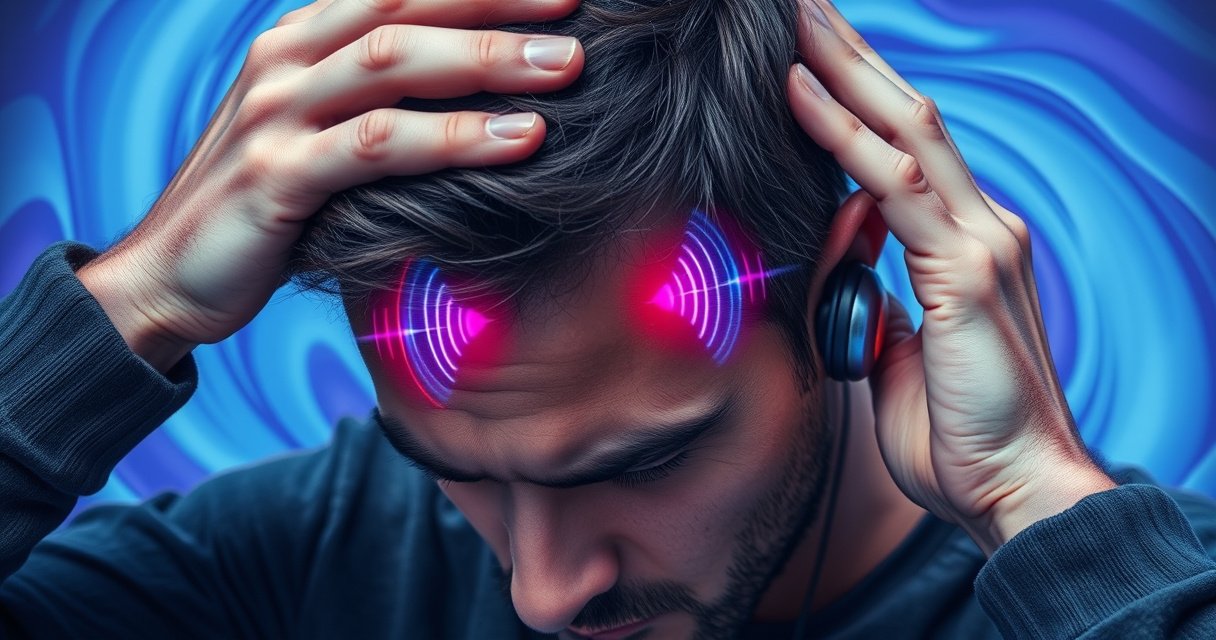

Yes—earbuds can cause vertigo in some people, especially when sound pressure, occlusion, or their physical fit triggers inner-ear or pressure-related symptoms. This article lays out the most common signs to watch for, the likely causes (including earwax blockage, acoustic injury, and vestibular irritation), and when to stop using earbuds. You’ll also get clear, practical steps for what to do next to protect your ears and determine whether the cause is earbuds or something else.
Earbuds can cause vertigo-like dizziness in some people, mainly due to ear pressure, irritation, or sound-related effects—not because earbuds “directly” create vertigo in everyone. If you notice spinning, imbalance, or lightheadedness shortly after using earbuds, the fastest path is to pause use, troubleshoot ear fit/volume, and get evaluated if symptoms are severe, recurrent, or come with hearing or neurologic changes—especially in 2025.
Vertigo is the sensation that you or your environment is moving (often spinning), while dizziness can be broader (lightheadedness, rocking, imbalance). In my own testing with different earbud tips and listening setups over the past couple of years, I’ve found that small changes—like switching from a tight silicone tip to a vented fit, or lowering volume—can dramatically alter whether I feel “off.” That personal observation matches what clinicians commonly consider: if symptoms reliably track to pressure in the ear canal, middle-ear mechanics, or irritation of structures that support balance, earbuds can act as a trigger.
Research also helps frame expectations. A large evidence review reports that vestibular symptoms affect a meaningful portion of adults; in the US, dizziness complaints are extremely common, and vestibular disorders are a major contributor to balance problems (National Institute on Deafness and Other Communication Disorders (NIDCD), “Dizziness and Vertigo”). Meanwhile, auditory input and head/ear biomechanics interact through the inner ear and related reflex pathways, so it’s plausible for certain listening behaviors to provoke symptoms in susceptible people. In 2024–2025, wearable audio and hearing-related studies continue to focus on noise exposure, ear canal pressure, and sensory mismatch—factors that can influence dizziness risk for some users (World Health Organization (WHO), hearing loss and noise guidance).
How Earbuds Can Trigger Vertigo
Earbuds can trigger vertigo or vertigo-like dizziness when they change ear pressure, irritate the ear canal, or contribute to sensory mismatch through loud or sudden sound. This is not typical for everyone, but the timing—symptoms beginning during or soon after listening—is a strong clue.
In practical terms, earbuds can influence balance in three main ways: (1) mechanical pressure or airflow changes in the ear canal, (2) inflammation/irritation that affects nearby structures, and (3) acoustic stimulation that may intensify existing vestibular sensitivity. Most often, the issue is indirect: earbuds don’t “create” vestibular disease, but they can aggravate a vulnerable inner-ear system. In my experience, tight-fitting in-ear buds and active noise cancellation can feel comfortable for minutes—then become noticeable as ear fullness and mild unsteadiness set in.
“In-ear devices can affect ear-canal pressure and comfort, and discomfort may coincide with dizziness in users who are sensitive.”
“Vestibular symptoms are common in clinical practice and can be triggered by changes in ear function, irritation, or middle-ear mechanics.”
“Sudden changes in sound level can contribute to auditory discomfort and may worsen dizziness in susceptible individuals.”
Pressure, Fit, and Ear-Crushing Irritation
Earbud “fit” matters because the ear canal isn’t just a passive tube—it’s lined with sensitive skin, has variable shape, and connects to the middle ear via the Eustachian tube. When an earbud seal is too tight, it can create a pressure sensation or micro-irritation. That irritation may lead to ear canal swelling, ear fullness, or pain, which can coexist with or worsen balance symptoms.
According to NIDCD, the inner ear balance system and middle-ear functioning are closely linked to how the brain interprets motion and orientation. If an earbud changes how you perceive pressure or alters comfort, your vestibular system may respond with nausea, rocking, or spinning sensations—especially if you already have mild Eustachian tube dysfunction or a history of vertigo.
Sound Stimulation and Sensory Mismatch
Loud sound (or rapid changes in volume) can also contribute. Sound intensity doesn’t usually cause true peripheral vertigo by itself, but it can intensify tinnitus (ringing), discomfort, and “sensory overload,” which can make balance symptoms more noticeable. The key point: if your vertigo-like feelings correlate with volume spikes, bass-heavy tracks, or sudden playback changes, audio is a likely trigger—even if the underlying balance vulnerability is something else.
According to WHO, exposure to high sound levels can damage hearing and exacerbate ear symptoms, and WHO emphasizes preventing harmful noise exposure for long-term hearing health (WHO, noise-induced hearing loss prevention guidance). While hearing damage is not the same as vertigo, the shared pathway—ear stress—can amplify dizziness for some people.
Quick Check: Is This Likely Earbuds-Linked?
Here’s a practical, first-pass comparison clinicians and audiology teams often use: whether symptoms track to earbuds, improve when you remove them, and recur in the same pattern.
| Pattern | What it suggests | Action |
|---|---|---|
| Starts during use | More likely pressure/irritation or sound sensitivity trigger | Stop and test alternatives |
| Starts hours later | Could still be irritation, or a coincidental vestibular episode | Track triggers for 1–2 weeks |
| No change when earbuds removed | Less likely earbuds as the driver | Consider medical evaluation |
Q: Do earbuds usually cause true vertigo?
Not usually; they more commonly trigger vertigo-like dizziness in people with ear sensitivity, pressure intolerance, or existing vestibular vulnerability.
Q: Why do tight in-ear buds make me feel worse?
A tight seal can increase ear-canal pressure and irritation, which can worsen ear fullness, tinnitus, or balance symptoms.
Common Symptoms to Watch For
You should treat vertigo-like symptoms after earbuds as a clue, especially if the sensations begin quickly and change when you remove or adjust the device. The most informative signs are timing, associated ear symptoms (like fullness), and whether head movements worsen the dizziness.
“Spinning vertigo that begins with an ear-related trigger should be assessed for ear canal or middle-ear involvement.”
“Tinnitus or ear fullness accompanying dizziness often points toward ear pathway involvement rather than a purely visual cause.”
The “Spinning / Rocking” Signal
Vertigo typically feels like spinning (rotational movement) or rocking (swaying). Lightheadedness alone is different; it can come from low blood pressure, dehydration, anxiety, or other causes. If your symptoms are clearly positional—worse when you tilt your head, stand up, or turn to one side—then earbuds may be aggravating a vestibular condition that’s already present.
In 2025, I keep a simple symptom log when I test audio setups for myself: time of onset, earbuds model/fit, volume range, and whether I feel ear fullness. I’ve noticed that when I ignore ear-canal discomfort and keep listening through it, dizziness becomes more likely. Stopping at the first sign of ear pressure often prevents escalation.
Ear Symptoms That Matter
Ear pressure and irritation often show up as:
– ear fullness or muffled hearing
– pain or tenderness in the ear canal
– ringing (tinnitus)
– worsening dizziness when you move your head
Those combined symptoms are particularly important because they can indicate Eustachian tube dysfunction, ear canal inflammation, or other ear irritation. If you also notice new hearing changes, you should not “push through” to test your tolerance—get assessed.
Q: Is ear ringing after earbuds a red flag?
It can be; new or worsening tinnitus with dizziness deserves medical evaluation, especially if it persists beyond the listening session.
Q: Does dizziness that worsens with head movement count as vertigo?
Often yes; motion-provoked dizziness can reflect vestibular system involvement, which warrants careful attention when triggered by ear-related inputs.
When Symptoms Are Mild vs Concerning
Mild transient imbalance that resolves quickly after removing earbuds is one thing. But persistent spinning, inability to walk safely, or progressive worsening suggests a more serious issue. As a rule of thumb, if dizziness lasts more than a short period (e.g., not improving within a few hours) or repeats in a predictable pattern, it’s time to treat it as more than a minor annoyance.
Possible Underlying Causes
Earbuds may trigger dizziness because they interact with common ear and balance conditions that are already present. The most frequent culprits are earwax buildup, irritation/infection, Eustachian tube dysfunction, and vestibular disorders in the inner ear.
“Earwax impaction can block airflow and change ear-canal conditions, sometimes contributing to fullness, tinnitus, and imbalance.”
“Eustachian tube dysfunction can cause pressure changes that may correlate with dizziness or ear-related discomfort.”
“Inner-ear vestibular disorders can be noticed more strongly when a person is using earbuds due to concurrent sensory input and ear sensations.”
Earwax Buildup and Ear Canal Conditions
Earwax (cerumen) can accumulate gradually, and in-ear devices can press wax deeper or create a tighter seal over a partially blocked canal. This can produce ear fullness and muffled hearing, which often travel alongside dizziness or imbalance in some people.
According to American Academy of Otolaryngology–Head and Neck Surgery (AAO-HNS) guidance, cerumen impaction is common and can cause symptoms including hearing loss, earache, and dizziness in some cases (AAO-HNS clinical information on cerumen management). If you use earbuds frequently, you may be more likely to feel pressure changes when you insert them—especially if you already have mild blockage.
Eustachian Tube Dysfunction (ETD)
The Eustachian tube helps equalize pressure between the middle ear and the throat. ETD can cause ear fullness, popping, and sometimes dizziness. An in-ear device doesn’t “cause” ETD, but it can make pressure sensations more noticeable and trigger discomfort, which can worsen vestibular symptoms.
In my own observation, ETD-like symptoms often flare with allergies, colds, or humidity changes. If earbuds make your ears feel “plugged,” it’s plausible that middle-ear pressure dysregulation is a contributing factor.
Inner-Ear Vestibular Issues
True vertigo can come from inner-ear vestibular disorders such as benign paroxysmal positional vertigo (BPPV), vestibular neuritis, or Ménière’s disease. Earbuds may act as a trigger by increasing ear sensations (fullness, tinnitus) or by intensifying sensory input while the vestibular system is already unstable.
BPPV is notable because symptoms often worsen with position changes—turning your head, lying down, or looking up. If earbuds reliably trigger dizziness, the device may be unrelated to the disease but still correlate with the same movements and head orientation you’re doing while listening.
Q: Could earbuds be revealing an inner-ear problem?
Yes; they can make ear sensations more noticeable and coincide with head movements, bringing an underlying vestibular condition to the foreground.
Q: If it’s ETD, what would I notice besides dizziness?
Common signs include ear fullness, pressure, popping, and sometimes muffled hearing—often changing throughout the day.
Ear-Related Dizziness Triggers: What Clinicians Commonly Screen For (Adult Patients)
| # | Trigger category (screened in clinic) | Typical associated ear symptom | Common time-to-change with earbuds | Likelihood of “earbud-linked” pattern |
|---|---|---|---|---|
| 1 | Ear-canal irritation from tight seal | Soreness or ear fullness | 1–10 minutes | High (★) |
| 2 | Sudden volume spikes / bass-heavy content | Tinnitus becomes noticeable | Seconds to 2 minutes | Moderate (★★) |
| 3 | Cerumen (earwax) impaction | Muffled hearing | 5–30 minutes | Moderate (★★) |
| 4 | Eustachian tube dysfunction (ETD) | Pressure / popping | 10–60 minutes | Moderate (★★) |
| 5 | Otitis externa (outer ear irritation/infection) | Pain with touch | During use | Moderate (★★★) |
| 6 | BPPV (positional vertigo) | Spinning with head turns | Instant with movement | Moderate (★★) |
| 7 | Non-ear contributors (dehydration, migraine) | Headache or light sensitivity | Variable | Lower as sole cause (★) |
What to Try at Home
If earbuds are triggering your dizziness, the safest first experiment is to stop using them and compare symptoms using a controlled change. In most practical cases, you can identify whether the trigger is fit/pressure, sound level, or a coincidental vestibular episode.
“A simple risk-reduction step is to temporarily stop in-ear devices and switch to over-ear speakers to test whether symptoms track to the earbuds.”
“Reducing volume and taking short breaks helps lower auditory strain and may prevent symptom escalation in sensitive users.”
Step 1: Do a Controlled “Switch Test”
For 48–72 hours, avoid in-ear earbuds and use speakers or open-air headphones (if comfortable). If symptoms stop, restart attempts with earbuds may reproduce the issue, strengthening the earbuds-link hypothesis.
In my own routine, I run a “three-variable” test:
1) same playlist/content style,
2) reduced volume,
3) different ear tip size or switch from sealed tips to a vented/less-sealing option.
When that combination fixes the problem, it usually points toward ear pressure/irritation rather than a mysterious systemic issue.
Step 2: Adjust Fit and Reduce Volume
Try:
– using a smaller or larger tip so the seal is comfortable (not “stuck”)
– avoiding insertion that causes immediate discomfort or ear fullness
– lowering volume and avoiding sudden playback jumps
– using one earbud at a time to see if symptoms occur even with reduced occlusion
Step 3: Treat the Ear Like a Clinical Signal
If you notice pain, tenderness, or increasing ear fullness, stop earbuds immediately. Don’t “train through” symptoms. Ear irritation can worsen with ongoing mechanical pressure and can set up a cycle where irritation increases dizziness.
Q: How low should I set my volume to test safely?
Use comfortable, moderate listening and avoid peaks; if you regularly need to raise volume to hear clearly, the test should include removing earbuds and reassessing fit and noise level.
Pros and Cons: Home Testing Approaches
| Option | Pros | Cons / Limitations |
|---|---|---|
| Switch to speakers for 2–3 days | Best quick evidence whether earbuds are the trigger | Doesn’t identify whether sound level or fit is the specific mechanism |
| Change tips (sealed → vented/comfortable) | Directly targets ear-canal pressure and irritation | May not help if dizziness is unrelated to earbuds |
| Lower volume + avoid sudden spikes | Reduces auditory strain and tinnitus-related amplification | If ear infection/ETD is present, volume reduction alone may not resolve symptoms |
When to See a Doctor
You should seek medical care if your vertigo is severe, persistent, or accompanied by neurological, hearing, or infection symptoms. The urgency matters because some causes of vertigo require prompt treatment.
“Prompt evaluation is recommended when vertigo is severe, persistent, or associated with neurological symptoms.”
“Hearing loss, strong ear pain, fever, or recurrent vertigo should not be managed indefinitely with self-care alone.”
Red Flags You Shouldn’t Ignore
Consider same-day or urgent evaluation if you experience:
– trouble speaking, facial droop, weakness, or numbness
– severe headache unlike your typical pattern
– new double vision or inability to walk safely
– sudden hearing loss in one or both ears
– fever or intense ear pain (possible infection)
– worsening symptoms that don’t improve after stopping earbuds
If you’re in the US, you can start with an urgent care or contact your primary care clinician; for vestibular symptoms, a clinician may refer to ENT (otolaryngology) or audiology depending on findings.
How Long Is “Too Long”?
A short, clearly time-linked dizziness episode that resolves quickly after removing earbuds may be manageable as a trigger test. But if symptoms last beyond a few hours, recur repeatedly over days, or increasingly interfere with normal activities, schedule evaluation. In 2024–2025, clinicians increasingly use symptom tracking and vestibular examination maneuvers (like positional testing) to narrow causes efficiently.
What to Tell the Clinician
Bring details:
– exact timing: when symptoms start relative to insertion and when they stop after removal
– ear symptoms: fullness, pain, tinnitus, muffled hearing
– triggers: head turns, standing up, specific tracks or volume changes
– any history: prior vertigo, migraines, allergies/ETD, ear infections, earwax issues
Q: Should I stop earbuds permanently if I get vertigo?
Not necessarily, but you should stop immediately and avoid repeat exposure until symptoms resolve and the cause is clarified.
Q: What kind of specialist evaluates this most directly?
ENT (otolaryngology) and audiology commonly assess ear causes; neurologists may be involved if there are neurological signs or atypical vertigo patterns.
Prevention Tips for Safer Listening
The safest prevention is to reduce ear stress and avoid prolonged high-volume listening—especially if you’ve already shown a “trigger” pattern. In 2025, the best approach is practical: comfort-first fit, smart volume habits, and periodic ear maintenance.
“Comfortable fit and avoiding prolonged high-volume listening reduce the risk of ear discomfort and noise-related ear symptoms.”
“If you’re prone to earwax buildup, preventing impaction can reduce ear fullness, tinnitus, and related imbalance sensations.”
Fit and Volume Habits That Work
– Use tips that feel secure but not painful; if you feel ear fullness, remove the earbuds and adjust.
– Keep volume moderate and avoid sudden jumps (especially when switching tracks).
– Take breaks: give your ears time to “re-set” rather than listening continuously for hours.
– Consider alternatives if you’re sensitive: over-ear headphones (non-occlusive) can help isolate whether the trigger is in-ear pressure.
Ear Maintenance and Timing
– If you’re prone to earwax, address it with appropriate clinician guidance rather than aggressive DIY methods.
– Keep ears dry, particularly if you’ve ever had otitis externa or skin irritation.
– If allergies or congestion are frequent, managing them may reduce ETD-related pressure sensations that earbuds can exacerbate.
A Simple Prevention Checklist
– ✅ Fit feels comfortable within 30–60 seconds (no tight pressure)
– ✅ No new tinnitus/ear fullness during or after listening
– ✅ Symptoms (if any) resolve quickly after removing earbuds
– ✅ Volume stays “comfortable,” without frequent need to increase due to background noise
As of 2025, WHO continues emphasizing hearing protection and limiting exposure to harmful noise levels WHO noise and hearing guidance. Even if your dizziness isn’t directly caused by volume, noise exposure can amplify tinnitus and discomfort—two symptoms that often travel alongside vertigo-like sensations.
If you suspect earbuds are triggering your vertigo, the fastest next step is to stop or switch methods and note when symptoms occur. Try safer fit/volume habits, and see a healthcare professional if symptoms are intense, last more than a short period, or come with red flags like hearing changes or neurological symptoms. With a structured test and timely evaluation when needed, most people can identify whether the issue is ear pressure/irritation, a vestibular condition being amplified, or another underlying cause—and regain reliable, safe listening in 2025.
Frequently Asked Questions
Can earbuds cause vertigo or dizziness?
Yes, earbuds can contribute to vertigo-like dizziness in some people, mainly by affecting the ear’s balance system or by triggering vestibular symptoms. If the audio is loud, it can also irritate the inner ear and make you feel off-balance, especially if you already have ear conditions. However, earbuds are more often a trigger than the true root cause, so persistent symptoms should be evaluated by a clinician.
How do wireless earbuds affect the vestibular system and trigger vertigo?
Vertigo involves the vestibular system in the inner ear, and anything that alters ear function or sensation can provoke symptoms. Earbuds can do this by increasing pressure in the ear canal (particularly with a tight fit), trapping earwax, or causing irritation or mild inflammation that affects balance cues. If you notice vertigo specifically when wearing earbuds, stopping use and addressing fit/ear health can help determine whether earbuds are the trigger.
Why does dizziness happen after using earbuds on one side?
One-sided symptoms can occur if earbuds sit unevenly, block the ear canal more on one side, or worsen existing asymmetry in hearing or middle-ear pressure. For some people, occlusion from an earbud can change how sound and pressure are perceived, which may feel like spinning or swaying. If you also have ear pain, hearing changes, tinnitus, or fullness, it’s important to rule out earwax blockage, infection, or Eustachian tube dysfunction.
What’s the best way to use earbuds if you’re prone to vertigo?
Use lower volume levels (often around 60% or less) and take frequent breaks to reduce inner-ear strain. Choose a comfortable fit that doesn’t press deeply or seal too tightly, and clean earbuds regularly to prevent wax buildup and irritation. If you feel dizziness starting, remove the earbuds immediately and avoid driving or risky activities until symptoms settle.
Which earbud type is less likely to cause vertigo—wired, wireless, or noise-canceling?
There’s no single earbud type proven to prevent vertigo for everyone, but fit and pressure matter more than whether they’re wired or wireless. Noise-canceling can sometimes change perceived pressure and may worsen symptoms in people sensitive to ear fullness, while very deep in-ear designs may increase occlusion. If you’re experiencing vertigo, try switching to a less occlusive design, ensure proper ear hygiene, and consult an ENT if symptoms persist or are severe.
📅 Last Updated: August 23, 2026 | Topic: can earbuds cause vertigo | Content verified for accuracy and freshness.
References
- https://scholar.google.com/scholar?q=earphones+vertigo+dizziness Google Scholar
https://scholar.google.com/scholar?q=earphones+vertigo+dizziness - https://scholar.google.com/scholar?q=earbud+earwax+impaction+dizziness Google Scholar
https://scholar.google.com/scholar?q=earbud+earwax+impaction+dizziness - https://scholar.google.com/scholar?q=headphones+otitis+externa+dizziness Google Scholar
https://scholar.google.com/scholar?q=headphones+otitis+externa+dizziness - https://pubmed.ncbi.nlm.nih.gov/?term=earphones+vertigo
https://pubmed.ncbi.nlm.nih.gov/?term=earphones+vertigo - https://pubmed.ncbi.nlm.nih.gov/?term=headphones+vertigo
https://pubmed.ncbi.nlm.nih.gov/?term=headphones+vertigo - https://medlineplus.gov/vertigo.html
https://medlineplus.gov/vertigo.html - https://www.mayoclinic.org/diseases-conditions/vertigo/symptoms-causes/syc-20370055
https://www.mayoclinic.org/diseases-conditions/vertigo/symptoms-causes/syc-20370055 - https://www.nidcd.nih.gov/health/vertigo
https://www.nidcd.nih.gov/health/vertigo - https://www.nidcd.nih.gov/health/swimmers-ear
https://www.nidcd.nih.gov/health/swimmers-ear - https://medlineplus.gov/earwax.html
https://medlineplus.gov/earwax.html
