


Throwing a TV in a dumpster is generally not allowed due to environmental regulations and local laws regarding electronic waste disposal. In most cases, TVs contain hazardous materials that require special handling. Instead of simply tossing your old TV in the trash, it’s crucial to understand the proper disposal methods to protect both the environment and your community. This guide will walk you through the necessary steps for disposing of your old television responsibly.
Understanding Electronic Waste Regulations
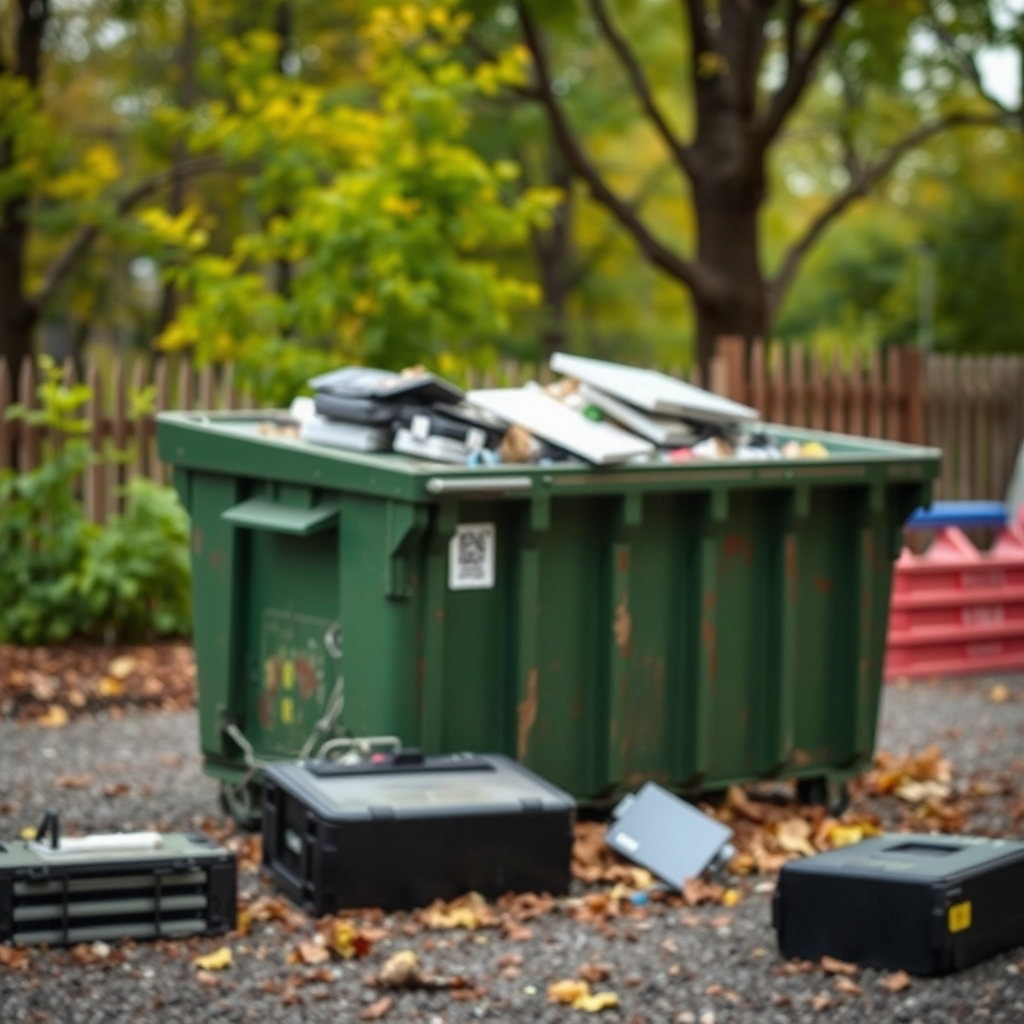
Electronic waste, commonly referred to as e-waste, encompasses a wide array of discarded electronic devices, including televisions. Many states and municipalities have enacted laws that specifically prohibit the disposal of e-waste in landfills due to the potential environmental hazards involved. For instance, items like TVs often contain toxic substances such as lead, mercury, and cadmium, which can leach into soil and groundwater if not disposed of properly.
These regulations are designed to minimize the environmental impact of hazardous materials. When TVs are improperly discarded, they pose a significant risk not only to the ecosystem but also to human health. For example, lead exposure can cause severe neurological issues, particularly in children. Therefore, understanding and adhering to local e-waste regulations is crucial for responsible disposal.
Local Disposal Guidelines
When it comes to disposing of your TV, the first step is to check your local waste management regulations. Many municipalities have specific guidelines regarding the disposal of electronic devices, including TVs. You may find that some areas have designated drop-off locations for e-waste, while others might offer special collection events throughout the year.
Additionally, local recycling programs can provide guidance on how to properly dispose of your electronic items. Websites of your city or county waste management departments often have updated information on e-waste disposal. Some regions even have partnerships with certified e-waste recyclers to facilitate responsible disposal.
Recycling Options for Old TVs
For those looking to recycle their old TVs, several options are available. First, identify certified e-waste recycling facilities in your area that are equipped to handle TVs safely. These facilities are designed to break down electronic devices and recover valuable materials while ensuring that hazardous substances are disposed of properly.
Many retailers also offer recycling programs or take-back options. For example, when purchasing a new television, some stores may provide a service to collect your old device for recycling. This not only simplifies the disposal process but also promotes responsible consumer behavior.
Here’s a quick overview of some popular recycling options:
Top 7 TV Recycling Programs (2024)
| # | Program | Type | Cost | Location |
|---|---|---|---|---|
| 1 | Best Buy | Retail Take-Back | Free | Nationwide |
| 2 | Earth911 | Recycler Locator | Free | Online |
| 3 | Apple | Retail Take-Back | Free | Nationwide |
| 4 | LG | Manufacturer Program | Free | Nationwide |
| 5 | Samsung | Manufacturer Program | Free | Nationwide |
| 6 | Call2Recycle | Battery & E-Waste | Free | Online |
| 7 | Goodwill | Charity Drop-Off | Free | Nationwide |
Donation Alternatives
If your TV is still functional, donating it can be an excellent way to give it a second life while helping those in need. Many local charities, schools, or community centers may accept working televisions. Before you proceed, however, it is essential to verify that the organization can accept TVs and that they meet their specific needs.
For example, shelters, schools, and community organizations often seek electronics that can enhance their services or programs. Websites like DonationTown.org can help you find local charities that accept electronic devices. By donating your TV, you not only declutter your space but also contribute to a good cause, promoting sustainability and community support.
Safe Removal and Preparation
Before disposing of your TV, it’s important to prepare it properly to ensure safety during transport. Start by disconnecting all cables and accessories from the device. This step is crucial for preventing electrical hazards and making the recycling or donation process smoother.
Once all components are detached, safely package the TV to prevent any damage while in transit. Use bubble wrap, blankets, or other protective materials to cushion the device. If the TV is large, seek assistance when moving it, as improper handling can lead to injury.
Eco-Friendly Disposal Resources
In today’s digital age, various online directories and mobile apps can connect you with nearby recycling options. Websites like Earth911 allow you to enter your zip code and identify local e-waste recycling facilities. Additionally, many non-profit organizations and environmental groups provide guidance on responsible disposal practices.
Participating in community clean-up events can also be an excellent opportunity to dispose of your devices responsibly while engaging with your local environment. By leveraging these resources, you can ensure that your old TV is disposed of in an environmentally friendly manner.
Costs Involved in Disposal
While many recycling centers offer free disposal services for TVs, some may charge a fee, particularly for larger or more complex devices. It’s essential to inquire about potential costs before deciding on a disposal method. Weighing the costs against the environmental impact of improper disposal can help you make an informed decision.
Always remember that the price of proper disposal is minimal compared to the potential penalties associated with illegal dumping and the environmental ramifications of toxic substances. Opting for certified recycling or donation ensures that your electronic waste is handled responsibly.
Summarizing the importance of responsible disposal, throwing a TV in a dumpster is not advisable due to legal and environmental concerns. Instead, take advantage of recycling programs or donation options to ensure your old TV is disposed of properly. For more information on local resources, check with your city’s waste management office or visit environmental websites dedicated to e-waste. By taking these steps, you contribute to a sustainable future and protect your community’s health.
Frequently Asked Questions
Can I throw a TV in a dumpster?
Generally, you cannot throw a TV in a dumpster due to local regulations regarding electronic waste. Most municipalities have specific laws prohibiting the disposal of electronics in regular trash, as they can contain hazardous materials. Instead, consider recycling options or designated e-waste disposal facilities.
What should I do with my old TV instead of throwing it in the dumpster?
Instead of tossing your old TV in a dumpster, explore recycling programs offered by local waste management services or electronic retailers. Many places have e-waste recycling events, or you can donate working TVs to charities. Additionally, some manufacturers offer take-back programs for responsible disposal.
Why is it illegal to throw a TV in a dumpster?
It is often illegal to throw a TV in a dumpster because electronic devices can contain harmful substances like lead and mercury, which pose environmental risks. These regulations aim to prevent toxic materials from contaminating landfills and to promote proper recycling practices for hazardous waste management.
How can I find a recycling center for my old TV?
To find a recycling center for your old TV, you can search online for e-waste recycling locations in your area or visit websites like Earth911.com. Many local governments provide lists of certified e-waste recyclers. Additionally, check with local electronics stores, as many offer recycling programs for old devices.
Which types of TVs can I recycle, and are there any fees involved?
Most types of TVs, including LCD, LED, and plasma models, can be recycled, but some recycling centers may charge a fee for disposal. Fees often depend on the size or type of the TV. It’s best to contact your local recycling facility for specific guidelines and potential costs associated with recycling your television.
References
- https://www.epa.gov/recycle/what-do-with-old-electronics
https://www.epa.gov/recycle/what-do-with-old-electronics - https://www.bbc.com/news/science-environment-50703151
https://www.bbc.com/news/science-environment-50703151 - https://www.cdc.gov/nceh/lead/prevention/healthcare.htm
https://www.cdc.gov/nceh/lead/prevention/healthcare.htm - https://www.nature.com/articles/s41598-018-33681-0
https://www.nature.com/articles/s41598-018-33681-0 - Google Scholar Google Scholar
https://scholar.google.com/scholar?q=disposing+of+old+TVs - Google Scholar Google Scholar
https://scholar.google.com/scholar?q=recycling+electronic+waste+TVs - Google Scholar Google Scholar
https://scholar.google.com/scholar?q=can+i+throw+a+tv+in+a+dumpster - can i throw a tv in a dumpster – Search results
https://en.wikipedia.org/wiki/Special:Search?search=can+i+throw+a+tv+in+a+dumpster - https://www.ncbi.nlm.nih.gov/search/research-articles/?term=can+i+throw+a+tv+in+a+dumpster
https://www.ncbi.nlm.nih.gov/search/research-articles/?term=can+i+throw+a+tv+in+a+dumpster
