


If you’re wondering whether it’s safe to lay a TV down in its box, the short answer is: it depends. While some manufacturers allow for this during transport, others strongly advise against it to prevent damage. The decision hinges on various factors, including the TV’s design, the box’s stability, and the specific guidelines provided by the manufacturer. In this article, we’ll explore the factors to consider and best practices for transporting your TV safely, ensuring you protect your investment during any move or transport.
Understanding Manufacturer Guidelines
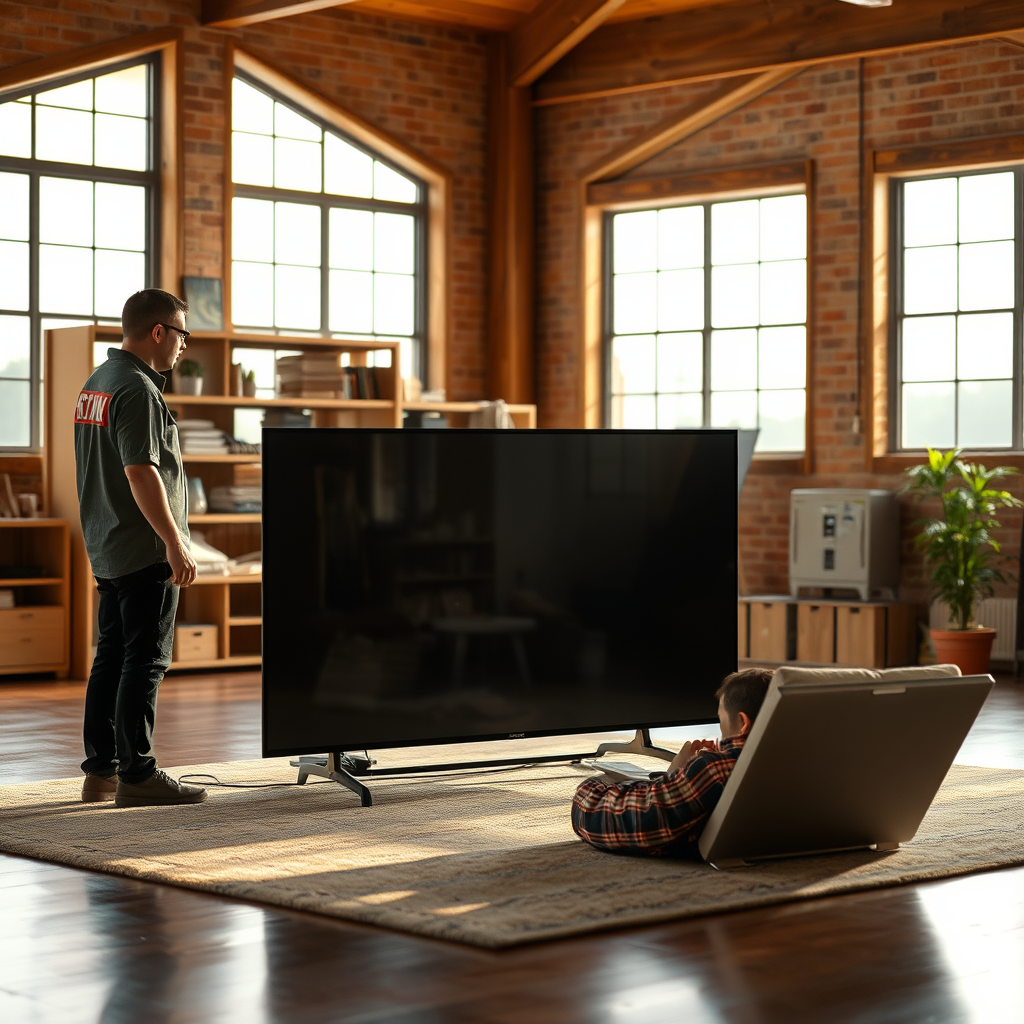
Many manufacturers provide specific instructions regarding TV transport that should always be adhered to. These guidelines are rooted in the design and construction of the television, which can greatly influence how it should be handled during transport. For instance, certain models may have reinforced frames that can withstand being laid down, while others may be more susceptible to damage.
To ensure you are following the correct practices, it’s crucial to check the user manual or the manufacturer’s website for recommendations. This information typically outlines whether laying the TV down is permissible and provides insights into the best way to pack it. Always err on the side of caution; if the guidelines are unclear and you have concerns, it’s better to avoid laying the TV down.
Risks of Laying a TV Down
While it may seem convenient to lay a TV down during transport, there are inherent risks involved. One primary concern is the potential for screen damage due to pressure on the display. Flat-screen TVs, especially those with LCD or OLED panels, are particularly vulnerable. Laying them flat can put undue stress on the screen, leading to cracks or discoloration that may not be immediately visible.
Additionally, there is a risk of internal component misalignment or damage. Flat-screen TVs house delicate electronic components that can shift or become dislodged if the unit is not kept upright during transport. This misalignment can result in operational issues or affect the overall performance of the television post-transport.
Best Practices for Transporting a TV
When it comes to transporting a TV, keeping it upright is the best practice to minimize the risk of damage. Here are some essential tips to follow:
1. Use Original Packaging: If possible, transport the TV in its original packaging as it is designed to protect the unit during transport. The box and foam inserts are specifically tailored to absorb shocks and protect the screen.
2. Proper Padding: If the original box is unavailable, use appropriate padding materials such as blankets, bubble wrap, or foam to cushion the TV. Ensure that the screen is adequately protected from pressure and impacts.
3. Secure Packaging: Ensure that the TV is securely packaged and fastened within the vehicle to prevent it from shifting during transport. Use straps or tie-downs to keep it stable.
4. Minimize Movement: Avoid any sudden movements or jolts during transport. Drive carefully, taking into account road conditions that may cause vibrations or bumps.
5. Seek Help: TVs can be heavy and awkward to carry; enlist the help of others to safely lift and move the unit.
Risks Associated with Laying a TV Down
| # | Risk | Impact Level | Likelihood |
|---|---|---|---|
| 1 | Screen Damage | High | Medium |
| 2 | Internal Component Damage | High | Medium |
| 3 | Frame Damage | Medium | Low |
| 4 | Scratches and Scuffs | Medium | High |
| 5 | Warranty Voids | High | Medium |
| 6 | Electronics Failure | High | Medium |
| 7 | Increased Repair Costs | Medium | High |
When It Might Be Acceptable to Lay It Down
In some cases, laying a TV down may be acceptable, but it should be approached with caution. If the TV is well-cushioned and the box is sturdy, it might be safe to do so, particularly with smaller, lighter models. However, larger models are generally more fragile and should be transported upright whenever possible.
Before deciding to lay the TV down, consider the size and weight of the unit. For instance, a 55-inch flat-screen TV may be more forgiving than a 75-inch model, given its increased weight and surface area. If you must lay it down, ensure that the screen is facing upward and that the packaging provides ample cushioning to prevent any pressure points.
Alternatives to Laying a TV Down
If there is any doubt about the safety of laying your TV down, consider the following alternatives:
1. Transport Upright: Use a vehicle with ample space to transport the TV upright. This is the safest method and will help prevent any potential damage.
2. Specialized Transport Boxes: Consider using a specialized TV transport box or crate designed for flat-screen TVs. These boxes often come with built-in padding and support structures to ensure safe transport.
3. Professional Movers: If you are apprehensive about transporting the TV yourself, hire professional movers who specialize in electronics. They will have the experience and equipment necessary to safely transport your TV.
4. Disassemble as Needed: If the TV is wall-mounted, consider removing it and transporting it separately. Ensure you follow the manufacturer’s instructions for disassembly and transport.
Preparing Your TV for Transport
Proper preparation is essential for ensuring your TV arrives at its destination without damage. Here are some steps to follow before packing your TV:
1. Remove Accessories: Before packing, remove all accessories, including stands, cables, and remote controls. This prevents any unnecessary movement or damage during transport.
2. Clean the Screen: Wipe the screen gently with a microfiber cloth to remove any dust or fingerprints. This also allows you to inspect the screen for any pre-existing damage.
3. Use Protective Materials: Wrap the TV in a soft blanket or bubble wrap for additional protection. Pay special attention to the corners, which are often the most vulnerable areas.
4. Secure in the Box: If using a box, ensure that the TV fits snugly inside without excessive movement. Fill any gaps with packing material to prevent shifting.
5. Label the Box: Clearly label the box as “Fragile” to alert anyone handling it to exercise caution.
In summary, while laying a TV down in its box may sometimes be acceptable, it generally poses risks that can lead to damage. Always refer to manufacturer guidelines, and if possible, transport your TV upright to ensure its safety. For further tips on transporting your electronics, explore our other articles or reach out for expert advice!
Frequently Asked Questions
Can you lay a TV down in the box during transport?
Yes, you can lay a TV down in the box for transport, but it’s not the ideal position. Flat-screen TVs, especially OLED and LCD models, are designed to be transported upright to prevent pressure on the screen. If you must lay it down, ensure the box is padded and the TV is secured to avoid movement.
What are the risks of laying a TV down in the box?
Laying a TV down in the box can increase the risk of screen damage, especially if there are any bumps or jolts during transport. Additionally, it can cause internal components to shift, potentially leading to malfunctions. Always check the manufacturer’s guidelines for specific recommendations on transporting your model.
How should I prepare a TV for laying it down in the box?
To prepare a TV for laying it down in the box, first, disconnect all cables and remove any accessories. Use bubble wrap or foam padding to cushion the screen and secure it with tape to prevent movement. Place the TV in the box with the screen facing upward to minimize any risk of pressure on the display.
What is the best way to transport a TV without risking damage?
The best way to transport a TV without risking damage is to keep it upright in its original box. If the original packaging isn’t available, use a padded TV box or a soft blanket for extra protection. Secure the TV with straps in your vehicle to prevent it from shifting during transit.
Which type of TV is more sensitive to being laid down in the box?
OLED TVs are generally more sensitive to being laid down in the box compared to LED or LCD TVs. Their screens can be more prone to permanent damage if pressure is applied during transport. Always refer to the specific guidelines provided by the manufacturer for the safest handling practices for your TV type.
References
- https://www.homedepot.com/c/ah/how-to-move-a-tv/9ba683603be9fa5395fab901b2a4e1f
https://www.homedepot.com/c/ah/how-to-move-a-tv/9ba683603be9fa5395fab901b2a4e1f - https://www.lifewire.com/how-to-transport-a-flat-screen-tv-1846849
https://www.lifewire.com/how-to-transport-a-flat-screen-tv-1846849 - https://www.nytimes.com/wirecutter/blog/how-to-move-a-tv/
https://www.nytimes.com/wirecutter/blog/how-to-move-a-tv/ - https://www.bbc.com/future/article/20200701-how-to-keep-your-tvs-in-good-condition
https://www.bbc.com/future/article/20200701-how-to-keep-your-tvs-in-good-condition - Google Scholar Google Scholar
https://scholar.google.com/scholar?q=can+you+lay+a+tv+down+in+the+box - Google Scholar Google Scholar
https://scholar.google.com/scholar?q=transporting+flat+screen+tv+guidelines - Google Scholar Google Scholar
https://scholar.google.com/scholar?q=tv+laying+down+transport+risks - https://www.reuters.com/lifestyle/home/how-transport-your-flat-screen-tv-safely-2021-04-09/
https://www.reuters.com/lifestyle/home/how-transport-your-flat-screen-tv-safely-2021-04-09/ - can you lay a tv down in the box – Search results
https://en.wikipedia.org/wiki/Special:Search?search=can+you+lay+a+tv+down+in+the+box - https://www.ncbi.nlm.nih.gov/search/research-articles/?term=can+you+lay+a+tv+down+in+the+box
https://www.ncbi.nlm.nih.gov/search/research-articles/?term=can+you+lay+a+tv+down+in+the+box
