
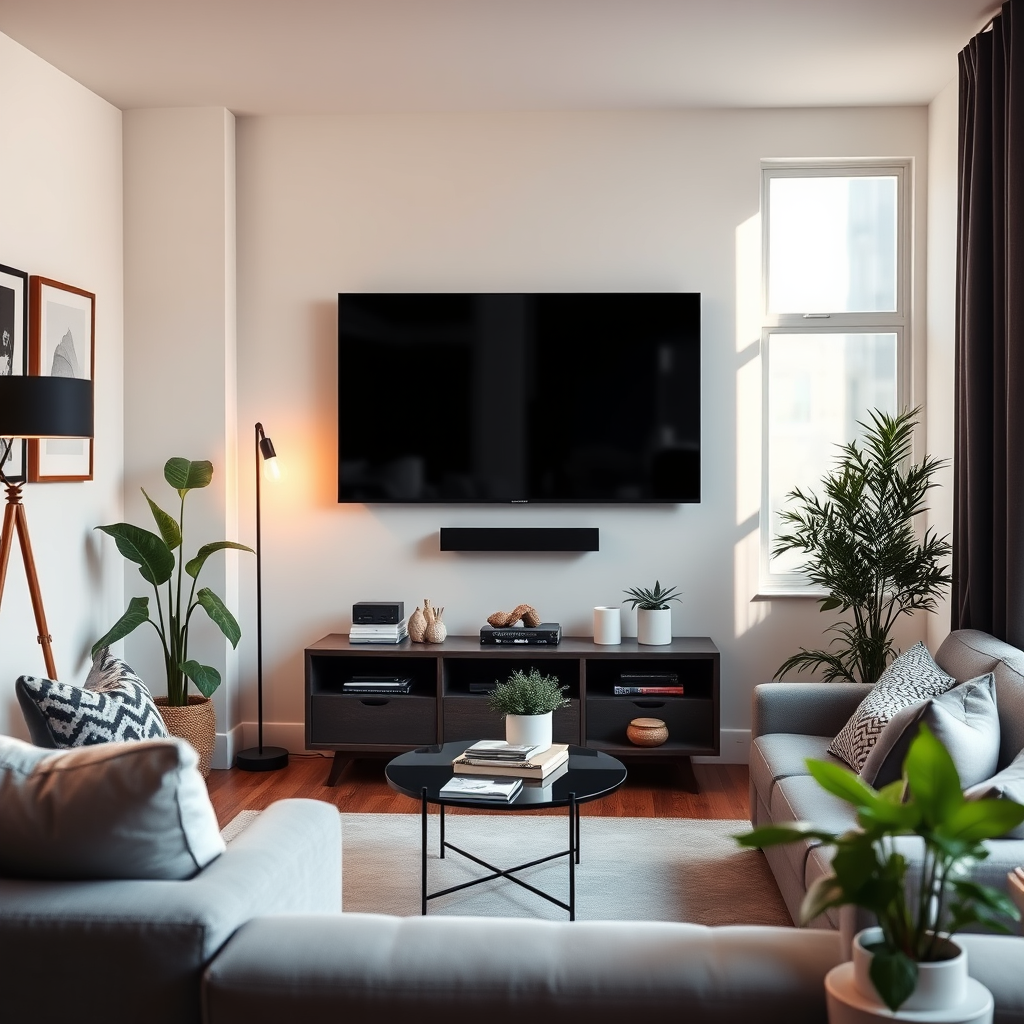

When it comes to renting an apartment, many tenants are concerned about making modifications that could potentially violate lease agreements. Fortunately, with the right permissions and knowledge, mounting a TV can be a straightforward process. This article will guide you through the key considerations and steps to ensure a successful installation, enabling you to enjoy your favorite shows in style.
Understanding Lease Agreements
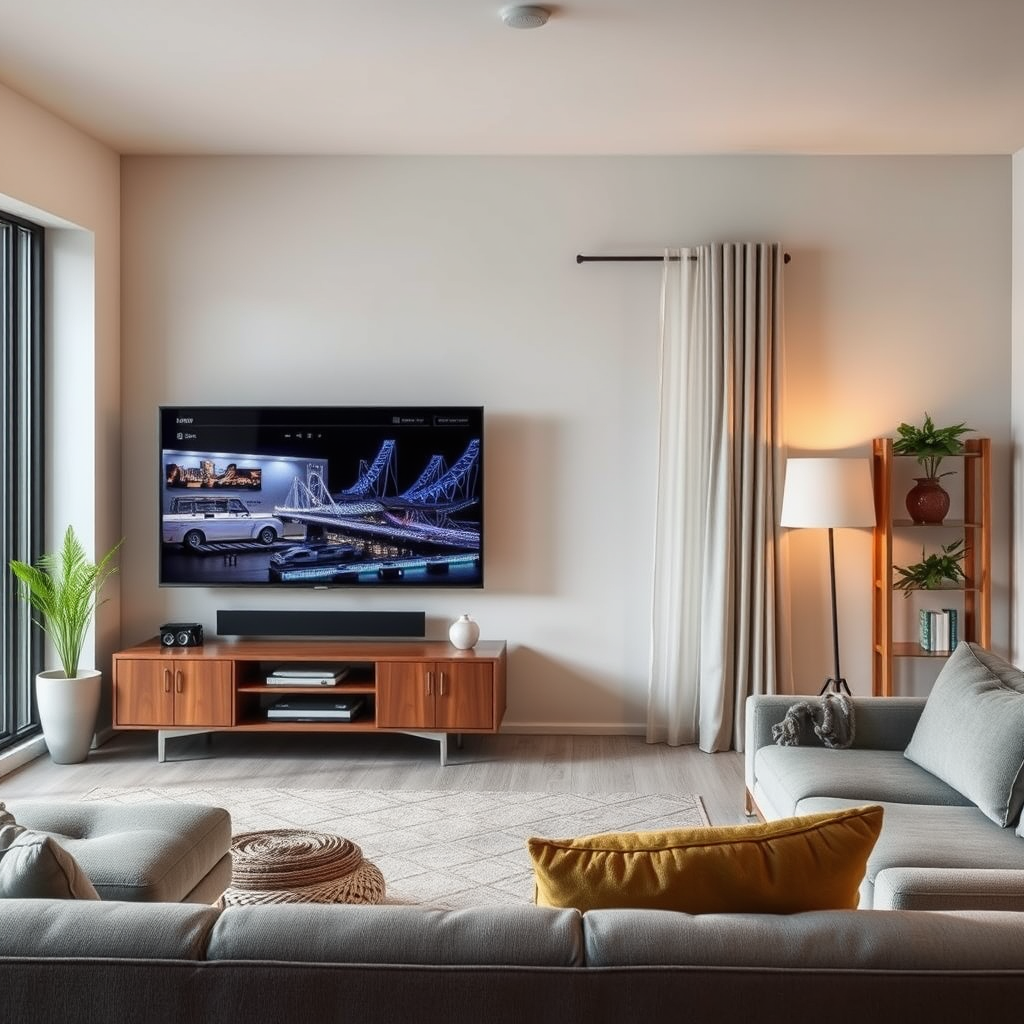
Before you begin your TV mounting project, it’s essential to review your lease agreement thoroughly. Many landlords have specific restrictions regarding wall modifications, which may include prohibiting drilling or altering the structure of the apartment. Here are a few key points to keep in mind:
– Review your lease: Look for clauses that mention alterations or modifications to the property. This will help you understand what is permissible.
– Consult your landlord: If you’re uncertain about any restrictions, reach out to your landlord for clarification. They may grant you permission to mount a TV, especially if you agree to restore the wall when you move out.
Understanding these guidelines will not only keep you in compliance with your lease but also preserve your landlord’s trust.
Choosing the Right Wall
Selecting the appropriate wall for mounting your TV is crucial for both aesthetics and functionality. Here are some considerations to help you make the right choice:
– Identify wall materials: Common wall types in apartments include drywall, concrete, and plaster. Each type has different mounting requirements. For instance, mounting on drywall may require special anchors, while concrete walls may need masonry screws.
– Check for support: Ensure that the chosen wall can support the weight of your TV. If mounting on drywall, locate the studs using a stud finder to provide a solid anchor point for the mounting bracket. Ideally, your TV should be mounted on a stud or a concrete wall for maximum stability.
By carefully choosing the right wall, you can enhance the viewing experience while ensuring the TV is securely mounted.
Selecting the Appropriate Mount
The mounting bracket you choose plays a significant role in the overall setup. There are various types of mounts available, and selecting the right one is vital for achieving your desired viewing angle and ensuring safety.
– Types of mounts:
– Fixed mounts: These are the simplest option, keeping the TV flat against the wall. Ideal for rooms where the viewing angle remains relatively constant.
– Tilting mounts: These allow you to angle the TV downward, which is useful for high-mounted TVs.
– Full-motion mounts: These provide the greatest flexibility, allowing you to pull the TV away from the wall and swivel it to achieve the perfect angle.
– Weight capacity: Always check the weight capacity of the mount you select. Ensure it’s rated to hold your specific TV model, which can typically be found in the product specifications.
Understanding the differences between mount types and ensuring compatibility with your TV will help you achieve a safe and enjoyable viewing experience.
Popular TV Mount Types (2024)
| # | Mount Type | Weight Capacity (lbs) | Price Range | Best For |
|---|---|---|---|---|
| 1 | Fixed Mount | 50-150 | $20-$50 | Budget-Friendly |
| 2 | Tilting Mount | 50-200 | $30-$70 | High TV Placement |
| 3 | Full-Motion Mount | 50-300 | $50-$150 | Dynamic Viewing |
| 4 | Low-Profile Mount | 50-100 | $25-$60 | Minimalist Design |
| 5 | Ceiling Mount | 50-250 | $70-$200 | Unique Spaces |
| 6 | Corner Mount | 50-150 | $40-$90 | Space-Saving |
| 7 | Pull-Down Mount | 50-200 | $120-$300 | Versatile Use |
Tools and Materials Needed
To ensure a smooth installation, it’s essential to gather all necessary tools and materials beforehand. Having everything ready will save you time and prevent frustration during the mounting process. Here’s a list of recommended items:
– Stud finder: This tool helps locate the wooden studs behind drywall, providing a secure anchor point for your mount.
– Level: Ensuring that your TV is mounted straight is crucial for both aesthetics and functionality.
– Drill: You’ll need a power drill to create pilot holes for screws, especially if you’re mounting on studs or concrete.
– Screws and anchors: Depending on your wall type, you may need specific screws or wall anchors. For drywall, toggle bolts or plastic anchors can provide extra support.
With the right tools and materials, the mounting process can be completed efficiently and effectively.
Step-by-Step Mounting Process
Once you have all the necessary tools and materials, it’s time to start the mounting process. Follow these steps for a well-executed installation:
1. Mark the desired height and position: Use a pencil to mark where you want the TV to be mounted. A common guideline is to position the center of the screen at eye level when seated.
2. Find and mark the studs: Use the stud finder to locate the studs in the wall and mark their positions. Make sure your marks align with the mounting bracket’s holes.
3. Attach the mount to the wall: Pre-drill holes for the screws in the marked locations. Attach the mounting bracket securely using the appropriate screws. Ensure the mount is level before tightening all screws.
4. Hang the TV: Follow the manufacturer’s instructions to attach the TV to the mount. Ensure that all safety locks are engaged.
By following these steps carefully, you can mount your TV securely and safely.
Alternatives to Permanent Mounting
If you’re hesitant to make permanent modifications to your apartment, there are alternative solutions for displaying your TV without drilling into walls:
– TV stands or carts: These provide flexibility in placement and can be easily moved if needed. Many models come with built-in storage for media devices.
– Adhesive hooks or brackets: For lightweight TVs, you can use adhesive hooks or brackets designed for temporary mounting. However, ensure that these products are rated for the weight of your TV.
Exploring these alternatives allows you to enjoy your TV experience without the commitment of permanent mounting.
In summary, mounting a TV in an apartment is feasible with the right permissions, tools, and techniques. Always check your lease and understand your wall structure to ensure a successful installation. If you’re unsure about mounting, consider alternative solutions to enjoy your TV without modifications, allowing you to create a comfortable and functional living environment.
Frequently Asked Questions
Can you mount a TV in an apartment without damaging the walls?
Yes, you can mount a TV in an apartment without causing damage by using wall mounts that require minimal drilling or adhesive options. Many landlords allow installation with proper anchors that can be removed without leaving significant marks, so always check your lease agreement. Additionally, consider using a TV stand or furniture with a mounting option if you want to avoid wall damage altogether.
What type of TV mount is best for apartment living?
The best type of TV mount for apartment living typically depends on your space and viewing preferences. Wall mounts like tilting and full-motion mounts are popular choices as they allow flexibility in viewing angles and save space. Always ensure that the mount is compatible with your TV size and weight before installation to ensure safety and stability.
How do you find the right height to mount a TV in an apartment?
The ideal height to mount a TV in an apartment is generally eye level when seated, which is about 42 inches from the floor to the center of the screen. To find the perfect height, measure your seating position and subtract half the height of your TV. This ensures a comfortable viewing experience without straining your neck.
Why should I consider mounting my TV instead of using a stand in my apartment?
Mounting your TV can free up valuable floor space in your apartment, making the area look more open and organized. It also allows for a more customized viewing experience and can reduce the risk of the TV being knocked over, especially in homes with pets or children. Additionally, a mounted TV can enhance the aesthetic appeal of your living space.
Which tools do I need to mount a TV in my apartment?
To mount a TV in your apartment, you’ll typically need a drill, a stud finder, a level, a measuring tape, and a screwdriver. It’s essential to find the studs in your wall for proper support, and using a level ensures that your TV is straight. If you’re using a no-drill mount, follow the manufacturer’s instructions for installation.
References
- https://www.bbc.com/news/technology-52718639
https://www.bbc.com/news/technology-52718639 - https://www.theguardian.com/technology/2020/jul/01/how-to-mount-a-tv-in-your-home
https://www.theguardian.com/technology/2020/jul/01/how-to-mount-a-tv-in-your-home - Wish List – an Ideabook by peak5015
https://www.houzz.com/magazine/how-to-mount-a-tv-on-the-wall-stsetivw-vs~52845853 - https://www.apartmenttherapy.com/mounting-a-tv-in-an-apartment-367324
https://www.apartmenttherapy.com/mounting-a-tv-in-an-apartment-367324 - https://www.nytimes.com/2020/12/18/realestate/mounting-tv-renters.html
https://www.nytimes.com/2020/12/18/realestate/mounting-tv-renters.html - https://www.sciencedirect.com/topics/engineering/tv-mounting
https://www.sciencedirect.com/topics/engineering/tv-mounting - Google Scholar Google Scholar
https://scholar.google.com/scholar?q=mounting+a+tv+in+an+apartment - Google Scholar Google Scholar
https://scholar.google.com/scholar?q=apartment+TV+mounting+guidelines - Google Scholar Google Scholar
https://scholar.google.com/scholar?q=renters+tv+mounting+options - Google Scholar Google Scholar
https://scholar.google.com/scholar?q=can+you+mount+a+tv+in+an+apartment
