

Understanding the Challenges of Slanted Walls
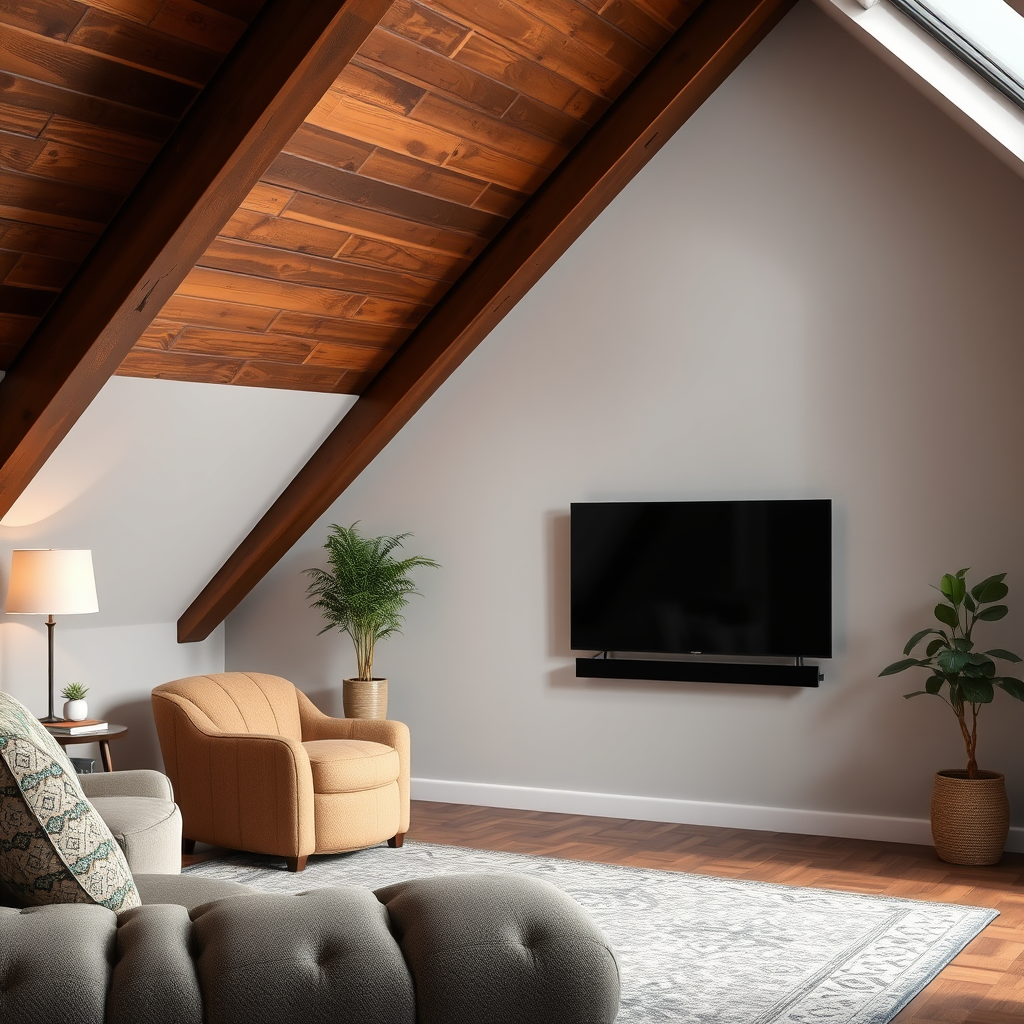
Slanted walls, often found in homes with unique architectural designs or in attics, present specific challenges when it comes to mounting a TV. The most significant concern is the impact on viewing angles. A slanted wall may lead to reflections or distortions that can hinder the viewing experience. Additionally, not all wall mounts are designed to accommodate angled surfaces, which necessitates a careful selection of mounting hardware.
Before proceeding with a TV mount installation, it is crucial to ensure the wall’s slope is stable enough to support the weight of both the TV and the mount. This often involves inspecting the wall structure and confirming that it is free from damage or instability. If the wall is made of drywall or plaster, locating studs for secure mounting is essential, as these will provide the necessary support.
Choosing the Right Mounting Bracket
Selecting the right mounting bracket is critical for a successful installation on a slanted wall. Adjustable or tilting mounts are generally the best options, as they can accommodate various angles while providing flexibility in viewing height. These mounts allow you to tilt the TV downwards, which can greatly enhance the viewing experience in a room with a slanted ceiling.
When choosing a mount, you should also verify its weight capacity to ensure it can handle your specific TV model. Most manufacturers provide specifications on the weight limits, and it is advisable to choose a mount that exceeds your TV’s weight for added safety. Additionally, consider the VESA (Video Electronics Standards Association) compatibility, which refers to the distance between the mounting holes on the back of your TV.
Tools and Materials Needed
Before you start the installation process, gather the following essential tools and materials:
– Stud Finder: To locate the studs in the wall, ensuring a secure mount.
– Level: To ensure that the TV is mounted straight, despite the wall’s angle.
– Drill: For making holes and securing the mount to the wall.
– Screwdriver: For fastening screws and bolts.
– Wall Anchors: These may be necessary if you cannot mount directly into studs, providing additional support.
– Measuring Tape: To measure the height and angle for optimal viewing.
Having these tools on hand will streamline the mounting process and minimize the risk of errors.
Top 7 TV Mounts for Slanted Walls (2024)
| # | Mount Model | Weight Capacity | Tilt Angle | VESA Compatibility | Price |
|---|---|---|---|---|---|
| 1 | VIVO Dual Arm | 33 lbs | +15° | 200×200 | $89.99 |
| 2 | Sanus VLT6-B1 | 130 lbs | +15° | 400×400 | $249.99 |
| 3 | Mounting Dream MD2380 | 132 lbs | +15° | 200×200 | $79.99 |
| 4 | ECHOGEAR EGLF2 | 125 lbs | +10° | 400×400 | $149.99 |
| 5 | Perlesmith PSMFK1 | 110 lbs | +10° | 400×400 | $69.99 |
| 6 | VideoSecu ML531BE | 88 lbs | +15° | 200×200 | $59.99 |
| 7 | Peerless-AV PLP-UNV | 150 lbs | +15° | 600×400 | $199.99 |
Measuring and Marking the Wall
Accurate measurements are crucial for a successful installation. Begin by determining the optimal height for your TV, which is typically at eye level when seated. Use a measuring tape to find the desired height and mark this with a pencil on the wall.Next, measure the angle of the wall to understand how this will affect your TV placement. It’s recommended to use a level to ensure that your marks are straight across the wall. This is especially important on a slanted wall, as a miscalculation can result in a poorly mounted TV that slides or tips, creating an unsafe situation.
Finally, mark the locations of the studs using a stud finder so that you can secure the mount in a stable position.
Installation Steps for Mounting
Once you have your wall marked and your tools ready, follow these steps to install the TV mount:
1. Secure the Mount: Begin by aligning the mount with the marked studs. Use a drill to secure it firmly to the wall, ensuring that it is level. If you are using wall anchors, drill holes for them as specified in the manufacturer’s instructions.
2. Attach the TV: Once the mount is secured, carefully lift the TV and attach it to the mount according to the manufacturer’s guidelines. This often involves securing brackets to the back of the TV and then sliding or locking these into the wall mount.
3. Final Adjustments: After the TV is attached, make any necessary adjustments to ensure it is at the desired angle. Many tilting mounts allow for quick adjustments, so take advantage of this feature to optimize your viewing experience.
4. Double Check: Lastly, double-check all connections and ensure that the TV is securely mounted. This is essential for safety, as any loose connections can lead to accidents.
Safety Considerations
Safety is paramount when mounting a TV on a slanted wall. Before finalizing the installation, it is crucial to double-check that all connections are secure and that the mount is installed correctly. Regularly inspecting the mount for any signs of wear or instability can prevent potential accidents.
If you are unsure about any part of the installation process, consider consulting with a professional installer. This can provide peace of mind and ensure that the installation meets safety standards.
Alternatives to Wall-Mounting
If mounting your TV on a slanted wall seems too challenging, there are several alternatives worth considering. For instance, TV stands or furniture designed for slanted walls can provide a stable and visually appealing solution. These options often come with built-in cable management systems, making it easy to keep your setup organized.
Another alternative is to use adjustable mounts that can accommodate various angles, allowing you to position the TV at the desired height without the need for extensive wall work. These mounts can often be repositioned as your needs change, offering flexibility in your setup.
Mounting a TV on a slanted wall is definitely feasible with the right approach and equipment. By understanding the challenges, selecting the appropriate mounting hardware, and following proper installation techniques, you can enjoy your favorite shows without compromising on aesthetics or safety. For more tips or assistance, don’t hesitate to reach out to a professional installer or consult additional resources.
Frequently Asked Questions
Can you mount a TV on a slanted wall?
Yes, you can mount a TV on a slanted wall, but it requires special considerations. You’ll need an adjustable TV mount that can accommodate the angle of the wall, allowing for proper tilt and leveling. Additionally, ensure that the wall is structurally sound and capable of supporting the weight of the TV.
What type of mount is best for a slanted wall?
The best type of mount for a slanted wall is an adjustable or articulating mount. These mounts can be tilted and swiveled to ensure that your TV is level, regardless of the wall’s angle. Look for mounts specifically designed for uneven surfaces to ensure stability and safety.
How do I install a TV mount on a slanted wall?
To install a TV mount on a slanted wall, start by determining the angle of the wall with a level tool. Next, use lag bolts to secure the mount into the wall studs, ensuring it is firmly attached. Follow the manufacturer’s instructions for leveling the mount, and make adjustments as necessary to achieve the desired viewing angle.
Why should I consider mounting a TV on a slanted wall?
Mounting a TV on a slanted wall can maximize your available space, especially in areas with limited flat wall surfaces. It also allows for creative design choices and can enhance viewing experiences by adjusting the TV angle for optimal visibility. Additionally, it can help keep the TV out of reach from children or pets.
Which TVs are suitable for mounting on slanted walls?
Most modern flat-screen TVs are suitable for mounting on slanted walls, provided you use the right mounting bracket. It’s essential to check the weight and size specifications of both the TV and the mount to ensure compatibility. Popular brands like Samsung, LG, and Sony typically offer models that can be easily mounted with the appropriate equipment.
References
- https://www.wikihow.com/Mount-a-TV-on-a-Slanted-Wall
https://www.wikihow.com/Mount-a-TV-on-a-Slanted-Wall - Google Scholar Google Scholar
https://scholar.google.com/scholar?q=mount+tv+on+slanted+wall - статьи – an Ideabook by Anastasia Safonova
https://www.houzz.com/magazine/how-to-mount-a-tv-on-a-slanted-ceiling-stsetivw-vs~104076112 - https://www.realtor.com/advice/home-improvement/how-to-mount-tv-on-slanted-wall/
https://www.realtor.com/advice/home-improvement/how-to-mount-tv-on-slanted-wall/ - Google Scholar Google Scholar
https://scholar.google.com/scholar?q=mount+tv+sloped+wall+installation - https://www.diynetwork.com/how-to/how-to-mount-a-tv-on-a-slanted-wall
https://www.diynetwork.com/how-to/how-to-mount-a-tv-on-a-slanted-wall - Google Scholar Google Scholar
https://scholar.google.com/scholar?q=tv+mounting+techniques+slanted+walls - Google Scholar Google Scholar
https://scholar.google.com/scholar?q=can+you+mount+a+tv+on+a+slanted+wall - can you mount a tv on a slanted wall – Search results
https://en.wikipedia.org/wiki/Special:Search?search=can+you+mount+a+tv+on+a+slanted+wall - https://www.ncbi.nlm.nih.gov/search/research-articles/?term=can+you+mount+a+tv+on+a+slanted+wall
https://www.ncbi.nlm.nih.gov/search/research-articles/?term=can+you+mount+a+tv+on+a+slanted+wall
