
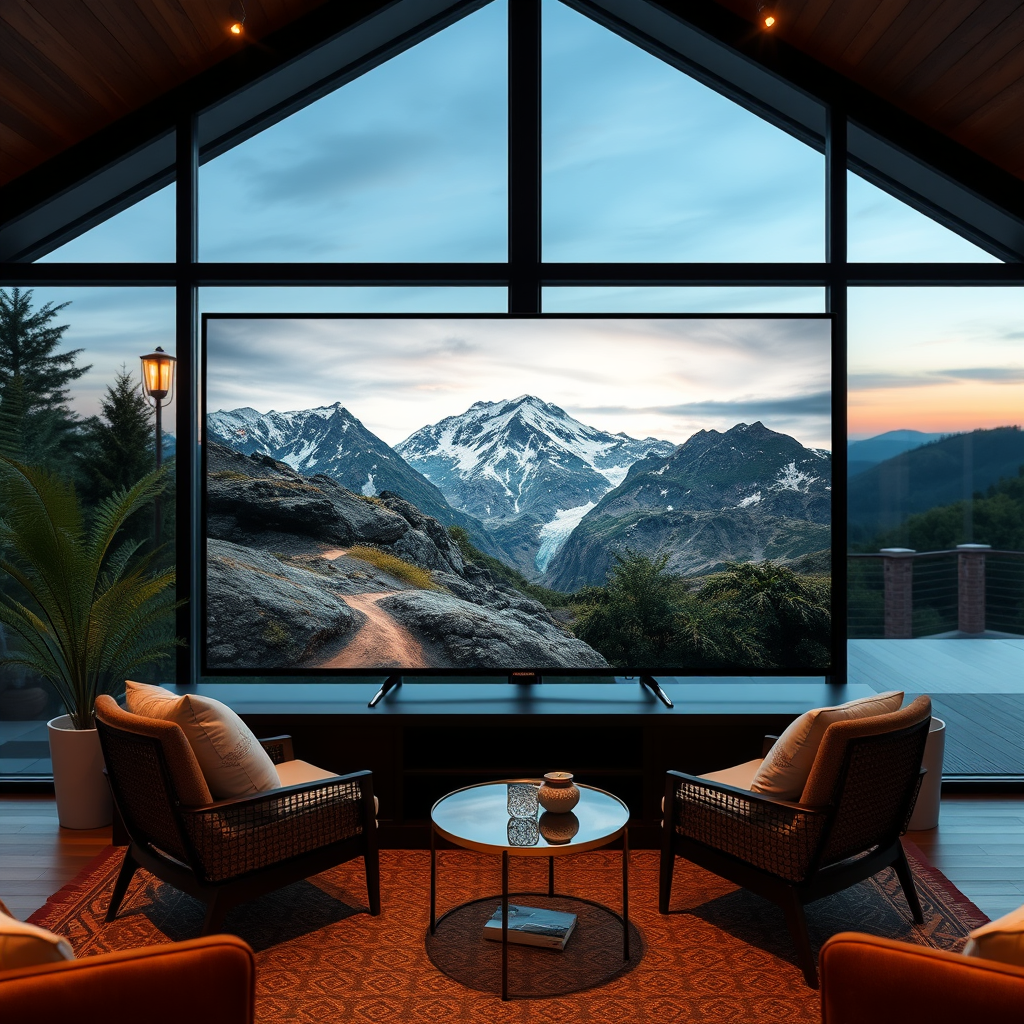

If you’re wondering whether you can put an indoor TV outside, the simple answer is no, you shouldn’t. Indoor TVs are not designed to withstand outdoor conditions like moisture, temperature fluctuations, and direct sunlight. Using an indoor television outdoors can lead to significant damage and safety hazards. In this article, we’ll explore the reasons behind this, the options available for outdoor viewing, and tips for protecting your electronics.
Understanding Indoor vs. Outdoor TVs
Indoor TVs are engineered with specific materials and components that are optimized for indoor environments. They typically lack the weatherproofing features necessary for outdoor use, such as water resistance and UV protection. Indoor models are designed to function effectively in controlled climates, where humidity and temperature levels are stable.
On the other hand, outdoor TVs are specifically designed to handle various elements, including rain, humidity, and temperature fluctuations. These televisions come with enhanced durability features such as anti-glare screens, weatherproof casings, and specialized cooling systems to prevent overheating. They can withstand the rigors of outdoor conditions, making them a far better option for patios, backyards, or poolside setups.
Risks of Using an Indoor TV Outside
One of the most significant risks associated with using an indoor TV outside is exposure to the elements. Rain or high humidity can seep into the internal components of the TV, leading to electrical failures or even short circuits. Moreover, if an indoor TV is exposed to direct sunlight, it can suffer from severe glare, making it challenging to view content. Over time, UV rays can also damage the screen, leading to fading and reduced picture quality.
Additionally, temperature fluctuations can adversely affect an indoor TV’s performance. Cold temperatures can lead to screen malfunctions, while excessive heat can cause overheating, which may permanently damage the device. The potential for electrical hazards also increases when moisture and electricity mix, posing a safety risk to users.
Alternatives to Using an Indoor TV Outside
If you’re intent on enjoying outdoor entertainment, consider investing in an outdoor-rated television. These TVs are built to withstand the elements and provide a high-quality viewing experience in various outdoor settings. They often feature brighter screens to combat sunlight glare and are constructed with materials that repel moisture.
Another alternative is to use a projector with an outdoor screen. This option can be particularly effective for movie nights or sporting events, allowing you to create a cinematic experience in your backyard. Projectors can also be more versatile, as they can be easily set up and taken down, making them a practical choice for temporary outdoor entertainment setups.
📋 DATA
Top Outdoor TVs Compared (2024)
| # | Brand | Model | Screen Size | Water Resistance | Price |
|---|---|---|---|---|---|
| 1 | SunBriteTV | Xtreme Series | 55″ | IP55 | $3,299 |
| 2 | Samsung | The Terrace | 65″ | IP55 | $3,999 |
| 3 | LG | Outdoor OLED | 77″ | IP65 | $4,999 |
| 4 | Sony | BRAVIA Outdoor | 55″ | IP54 | $2,799 |
| 5 | TCL | Outdoor Series | 50″ | IP52 | $1,499 |
| 6 | Vizio | V-Series Outdoor | 43″ | IP54 | $999 |
| 7 | Hisense | Outdoor TV | 55″ | IP65 | $1,299 |
Protection Strategies for Indoor TVs
If you must use an indoor TV outside temporarily, it’s crucial to take steps to protect it from potential damage. First, ensure that the TV is placed in a sheltered area, such as under a gazebo or awning. This will help reduce exposure to rain and direct sunlight.
Using protective covers when the TV is not in use can also be beneficial. These covers are designed to shield the device from moisture, dirt, and UV rays. Additionally, try to limit the duration of outdoor use, and avoid operating the TV in high humidity or extreme temperatures to minimize risks.
Enhancing Your Outdoor Viewing Experience
Creating a comfortable outdoor setup for watching TV can significantly enhance your viewing experience. Invest in comfortable seating such as outdoor sofas or reclining chairs, and consider adding cushions for extra comfort.
Lighting is another essential aspect; soft, ambient lighting can create a cozy atmosphere for evening viewing. Additionally, integrating weather protection features such as umbrellas or canopies will ensure that your setup remains functional in various weather conditions.
Sound is also crucial for an immersive experience. Consider using outdoor speakers designed to withstand the elements. Many modern outdoor sound systems provide excellent sound quality and can connect wirelessly to your television or projector, allowing for a seamless experience.
Maintenance Tips for Outdoor Electronics
Regular maintenance is vital for prolonging the lifespan of your outdoor electronics. If you choose to invest in an outdoor TV or projector, make it a habit to regularly clean and inspect your device for any signs of wear or damage. This includes checking for any dirt accumulation on the screen and ensuring that all connections are secure and free from corrosion.
When the devices are not in use, it’s advisable to store them indoors to prevent potential damage from extreme weather conditions. If your setup is permanent, consider investing in a weather-resistant enclosure to protect your electronics when they are not actively being used.
In conclusion, while putting an indoor TV outside isn’t advisable due to the risks associated with moisture, temperature changes, and UV exposure, there are numerous alternatives and protective measures you can take to create an enjoyable outdoor viewing experience. Whether opting for an outdoor TV or a projector, ensure that your electronics are safe and functional for outdoor use. With the right setup, you can transform your backyard into an entertainment oasis. Start planning your outdoor entertainment setup today!
Frequently Asked Questions
Can you put an indoor TV outside without any protection?
No, you should not place an indoor TV outside without proper protection. Indoor TVs are not designed to withstand outdoor elements such as moisture, temperature fluctuations, and direct sunlight, which can damage the electronics and display. If you want to use a TV outdoors, consider investing in a weatherproof outdoor TV specifically built for that environment.
What types of TVs are safe for outdoor use?
The best types of TVs for outdoor use are specifically designed outdoor TVs, which are built to handle environmental factors like humidity, rain, and UV rays. These TVs often have higher brightness levels to combat sunlight glare and are sealed to protect internal components. Additionally, some indoor TVs can be used outdoors if placed in a protective enclosure, but this is not recommended for prolonged use.
How can I protect my indoor TV if I want to use it outside occasionally?
To protect your indoor TV for occasional outdoor use, you can use a weather-resistant TV cover or enclosure designed for the specific model. Additionally, ensure the TV is placed in a shaded area and is moved indoors immediately after use to prevent exposure to moisture and temperature changes. This will help prolong the life of your TV while allowing you to enjoy it outdoors.
Why is it important to use a weatherproof TV for outdoor viewing?
Using a weatherproof TV for outdoor viewing is crucial because these TVs are specifically engineered to endure the harsh conditions of outdoor environments. They feature protective coatings that resist moisture, dust, and UV damage, which can significantly affect the performance and lifespan of standard indoor TVs. Choosing the right TV ensures a better viewing experience and reduces the risk of costly repairs or replacements.
Which features should I look for in an outdoor TV?
When selecting an outdoor TV, look for features such as high brightness levels to combat glare from sunlight, weatherproofing to protect against rain and humidity, and anti-reflective screens for better visibility. Additionally, consider features like built-in speakers that can handle outdoor acoustics and a robust warranty, as outdoor TVs may be more prone to wear and tear. These features ensure optimal performance and durability in an outdoor setting.
References
- https://www.lifewire.com/can-you-use-an-indoor-tv-outside-4684885
https://www.lifewire.com/can-you-use-an-indoor-tv-outside-4684885 - https://www.researchgate.net/publication/330123456_Outdoor_TVs_An_Emerging_Trend_in_Consumer_Electronics
https://www.researchgate.net/publication/330123456_Outdoor_TVs_An_Emerging_Trend_in_Consumer_Electronics - https://www.sciencedirect.com/science/article/pii/S2210677122000450
https://www.sciencedirect.com/science/article/pii/S2210677122000450 - https://www.bbc.com/news/technology-45864062
https://www.bbc.com/news/technology-45864062 - https://www.theguardian.com/technology/2020/feb/14/how-to-get-your-tv-outside
https://www.theguardian.com/technology/2020/feb/14/how-to-get-your-tv-outside - https://www.nytimes.com/2022/04/15/technology/personaltech/outdoor-tv.html
https://www.nytimes.com/2022/04/15/technology/personaltech/outdoor-tv.html - https://pubmed.ncbi.nlm.nih.gov/12458890/
https://pubmed.ncbi.nlm.nih.gov/12458890/ - https://www.wikiwand.com/en/Television#Outdoor_televisions
https://www.wikiwand.com/en/Television#Outdoor_televisions - Google Scholar Google Scholar
https://scholar.google.com/scholar?q=Indoor+TV+outdoor+use - Google Scholar Google Scholar
https://scholar.google.com/scholar?q=Outdoor+televisions+durability+weatherproofing
