

Yes, you can run a TV power cord through the wall, and doing so can significantly enhance the aesthetic appeal of your living area by eliminating unsightly cables. However, this task is not without its challenges and requires careful consideration of safety regulations, local building codes, and the right tools and materials. In this article, we will explore the essential steps, requirements, and tips for safely running a power cord through your wall, ensuring a seamless installation that meets safety standards.
Understanding Local Building Codes
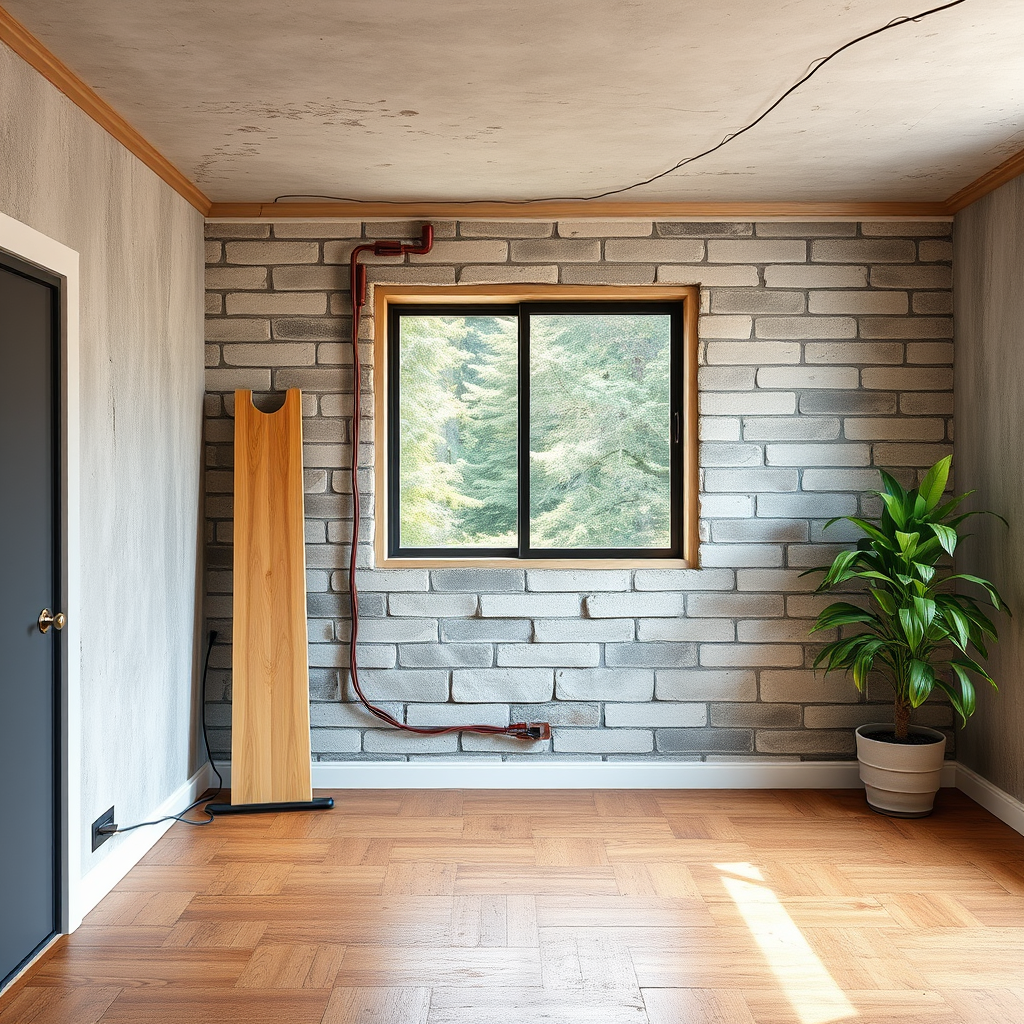
Before embarking on running a power cord through your wall, it is crucial to understand the local building codes governing electrical work. Many municipalities have specific regulations that dictate how electrical installations should be performed. These codes are in place to ensure safety and prevent electrical hazards.
You should check with your local building authority or consult the National Electrical Code (NEC) to understand the requirements relevant to your area. Key considerations may include:
– The use of in-wall rated cables.
– The necessity of GFCI (Ground Fault Circuit Interrupter) protection in certain areas, such as kitchens or bathrooms.
– The requirement for permits for certain electrical work.
Compliance with these regulations is vital to ensure not only safety but also the legality of your installation.
Choosing the Right Tools and Materials
When preparing to run a power cord through your wall, having the right tools and materials is essential for a successful installation. Here are some of the tools and materials you’ll need:
– Tools:
– Drywall saw: For cutting openings in the wall.
– Fish tape: To help guide the cable through the wall.
– Stud finder: To locate wall studs and avoid damaging them.
– Drill: For making holes, if necessary.
– Materials:
– Low-voltage cable: This type of cable is typically safer and more compliant with building codes for in-wall use.
– In-wall rated extension cords: If using a power cord, ensure it is rated for in-wall installation to minimize fire hazards.
– Electrical box: To house the outlet safely.
Having these tools and materials at your disposal will facilitate a smoother installation process.
Preparing the Wall for Installation
Preparing the wall before installation is a critical step. Begin by identifying where you want to run the cable and ensure there are no existing wiring or plumbing lines in the way. Here are the steps to follow:
1. Locate the Wall Studs: Use a stud finder to locate the studs in the wall. This will help you determine where you can safely cut without compromising structural integrity.
2. Plan the Cable Route: Decide on the most efficient and safe route for the cable to take through the wall. Ideally, the path should avoid sharp bends and keep the cable as straight as possible.
3. Cut the Openings: Once you have a plan, use the drywall saw to cut openings in the wall at both the top and bottom points where the cable will enter and exit. Take care to cut cleanly and avoid damaging surrounding drywall.
Best Cable Types for Running Power Cords Through Walls (2024)
| # | Cable Type | In-wall Rated | Fire Resistance | Cost per Foot |
|---|---|---|---|---|
| 1 | CL2 Rated Cable | Yes | Excellent | $0.30 |
| 2 | CL3 Rated Cable | Yes | Excellent | $0.35 |
| 3 | In-wall Extension Cord | Yes | Good | $0.50 |
| 4 | Low Voltage Cable | Yes | Good | $0.25 |
| 5 | Speaker Wire | No | Fair | $0.15 |
| 6 | Networking Cable | Yes | Good | $0.45 |
| 7 | Standard Power Cord | No | Poor | $0.20 |
Installing the Power Outlet
After preparing the wall and ensuring it is ready for the cable installation, the next step is to install an electrical outlet where the TV will be mounted. To do this properly, follow these steps:
1. Select the Right Location: Choose a position for the outlet that is conveniently located behind the TV. Ensure that it is within reach of the cable that will run through the wall.
2. Cut the Opening for the Electrical Box: Using the drywall saw, cut a hole in the wall to accommodate the electrical box. The size of the hole will depend on the box you choose.
3. Install the Electrical Box: Secure the electrical box in the wall, ensuring it is flush with the drywall.
4. Wiring the Outlet: If you are not experienced with electrical wiring, consider hiring a licensed electrician. If you are comfortable doing it yourself, connect the wires according to the manufacturer’s instructions and local codes.
5. GFCI Protection: Check local regulations to determine if GFCI protection is required for your outlet. If so, ensure that the outlet you install is GFCI-protected.
Running the Power Cord Safely
With the electrical outlet installed, it’s time to run the power cord through the wall. This process requires careful handling to ensure safety:
1. Use Fish Tape: Insert the fish tape into one of the openings you created earlier. Push it through until it reaches the other opening in the wall.
2. Attach the Power Cord: Once the fish tape is in place, attach your in-wall rated power cord to the fish tape securely.
3. Pull the Cord Through: Gently pull the fish tape back through the wall, guiding the power cord along until it emerges from the other side.
4. Avoid Interference: Ensure that the power cord runs away from other electrical cables to minimize any potential interference or hazards. Keeping cables separated helps maintain the integrity of the electrical system.
Finishing Touches and Covering Holes
After successfully running the power cord, it’s essential to make your installation look professional and tidy. Here’s how to do that:
1. Seal Any Openings: Use wall plates or covers to seal the openings where the cable enters and exits the wall. This not only provides a neat appearance but also prevents dust and pests from entering the wall cavity.
2. Patch and Paint: If necessary, patch any holes or imperfections in the drywall using joint compound. Once it dries, sand it down and paint over it to match the surrounding wall color. This step is crucial for maintaining the aesthetics of your room.
3. Test the Installation: Before finalizing everything, plug in your TV and ensure that the power is working correctly through the newly installed outlet.
Alternative Solutions
If running a power cord through the wall seems daunting or impractical, consider alternative solutions that may offer easier installation and compliance with safety standards:
– In-wall Power Management Systems: These systems are designed specifically for TVs and often include built-in outlets and cable management solutions. They simplify the installation process and ensure compliance with electrical codes.
– Power Bridge Kits: These kits provide a safe and efficient way to run power and AV cables through the wall. They often come with all necessary components and detailed instructions, making them suitable for DIY enthusiasts.
– Wireless Solutions: Depending on your TV and setup, you might explore wireless options for video and audio transmission, which can eliminate the need for running cables altogether.
Running a TV power cord through the wall can greatly enhance the aesthetic of your entertainment area when done correctly. With the right tools, materials, and adherence to safety guidelines, you can create a clean and organized look that elevates your living space. Always ensure compliance with local regulations, and if you feel uncertain at any step, consulting a professional electrician is a wise choice. This not only ensures safety but also provides peace of mind that your installation meets all necessary standards.
Frequently Asked Questions
Can I run a TV power cord through the wall legally?
Yes, you can run a TV power cord through the wall, but it’s important to follow local electrical codes and regulations. Using an in-wall rated power cord is essential for safety and compliance. Always consult a licensed electrician to ensure that your installation meets the required standards.
How do I safely run a power cord through the wall for my TV?
To safely run a power cord through the wall, first, choose a power bridge kit designed for in-wall installations. This kit typically includes a power inlet and outlet, allowing you to connect the power cord safely and conceal it behind the wall. Follow the manufacturer’s instructions carefully, and ensure you turn off the power before starting any work.
Why should I consider running my TV power cord through the wall?
Running your TV power cord through the wall helps create a clean and organized look in your living space, eliminating visible cords and reducing clutter. Additionally, it can improve safety by minimizing tripping hazards and ensuring that cords are not exposed to damage from pets or furniture.
What are the best in-wall power kits for running a TV power cord?
The best in-wall power kits for running a TV power cord typically include UL-listed components that ensure safety and compliance. Popular options include the PowerBridge Plus, the Legrand In-Wall Power Kit, and the Cable Matters In-Wall Power Connector Kit, all of which offer easy installation and reliable performance.
Which tools do I need to run a power cord through the wall for my TV?
To run a power cord through the wall, you’ll need a stud finder, a drill with a hole saw attachment, a level, and wire cutters. Additionally, having a screwdriver and a fish tape can help with the installation process, making it easier to pull the cord through the wall and connect it to the power source safely.
References
- https://www.nfpa.org/-/media/Files/Research-and-Reports/2020/Fire-Prevention-Week/Fire_Prevention_Week_2020_Resources.pdf
https://www.nfpa.org/-/media/Files/Research-and-Reports/2020/Fire-Prevention-Week/Fire_Prevention_Week_2020_Resources.pdf - https://www.cpsc.gov/safety-education/safety-guides/electronics/tv-safety
https://www.cpsc.gov/safety-education/safety-guides/electronics/tv-safety - https://www.wf.edu/academic/engineering/TV_Mounting_Considerations.pdf
https://www.wf.edu/academic/engineering/TV_Mounting_Considerations.pdf - https://www.purdue.edu/fire/education/TVs_and_Entertainment_Fire_Safety.pdf
https://www.purdue.edu/fire/education/TVs_and_Entertainment_Fire_Safety.pdf - Google Search
https://www.google.com/search?q=can+you+run+tv+power+cord+through+wall&hl=en - Google Scholar Google Scholar
https://scholar.google.com/scholar?q=can+you+run+tv+power+cord+through+wall - Google Scholar Google Scholar
https://scholar.google.com/scholar?q=TV+power+safety+cord+installation - https://www.electrical.com/home/electrical-codes/
https://www.electrical.com/home/electrical-codes/ - https://www.bbc.com/news/technology-59174621
https://www.bbc.com/news/technology-59174621 - can you run tv power cord through wall – Search results
https://en.wikipedia.org/wiki/Special:Search?search=can+you+run+tv+power+cord+through+wall
