
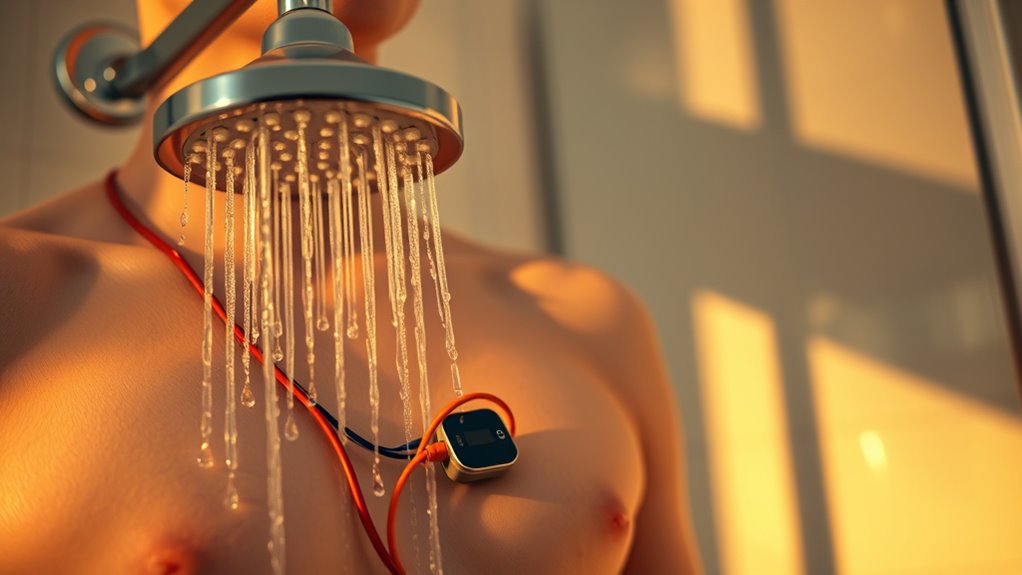

You can generally shower while wearing a 2-week heart monitor, but it’s important to follow specific guidelines. Most monitors are water-resistant, yet you should avoid submerging it or exposing it to high-pressure water. Secure the leads and connections before showering. If the monitor or electrodes get wet, remove them immediately, dry them gently, and consult your healthcare provider for further steps. For more tips on managing hygiene with your monitor, explore additional information on this topic.
Understanding the 2-Week Heart Monitor
When you receive a 2-week heart monitor, it’s essential to understand its purpose and functionality. This device is designed to track your heart’s electrical activity over an extended period, providing valuable data for your healthcare provider. There are several heart monitor types, including Holter monitors and event monitors, each tailored to specific needs. The device functionality varies slightly, but most utilize electrodes placed on your chest to capture heart rhythms continuously. This data is then stored for analysis, helping to identify irregularities or patterns. Understanding how your monitor operates empowers you to use it effectively, ensuring it captures accurate information about your heart health during your daily activities, including exercise and rest.
Importance of Accurate Readings
Accurate readings from your heart monitor are vital for effective health monitoring. You need to prevent data interference, as any false signals can lead to incorrect conclusions about your heart’s condition. Ensuring consistent monitoring and maintaining the device’s integrity are essential for obtaining reliable data.
Preventing Data Interference
To guarantee that a heart monitor provides reliable data, it’s crucial to prevent any interference that could distort readings. Data interference can arise from various sources, such as electronic devices, magnetic fields, or improper placement of electrodes. To minimize these issues, keep your heart monitor away from strong electromagnetic sources like microwaves or power lines. Additionally, make certain that the electrodes are securely attached to your skin, as loose connections can lead to inaccurate readings. It’s also wise to avoid activities that could lead to excessive movement or friction, which might disrupt the monitor’s functionality. By taking these precautions, you can maintain the integrity of your heart monitor, ensuring accurate tracking of your heart health during the monitoring period.
Ensuring Consistent Monitoring
Maintaining reliable data from your heart monitor is essential for evaluating your cardiovascular health. To achieve accurate readings, you’ll want to implement effective consistency strategies during the monitoring period. First, familiarize yourself with the monitoring techniques specific to your device. This includes understanding how to position the electrodes correctly and making sure they’re securely attached to your skin. Regularly check the monitor’s battery and connectivity to minimize disruptions. Establish a routine for daily activities, including when to wear the monitor and for how long. Avoid any activities that may cause excessive movement or moisture, which can interfere with readings. By prioritizing these strategies, you’ll guarantee that your heart monitor provides consistent and reliable data throughout the monitoring period.
Maintaining Device Integrity
While you focus on your heart health, guaranteeing the integrity of your heart monitor is vital for obtaining reliable readings. Proper device maintenance and water safety are essential to avoid interference and inaccuracies. Here are key considerations to keep in mind:
- Always keep the monitor dry; moisture can damage the device.
- Secure the electrodes properly to avoid dislodgment during daily activities.
- Regularly check battery levels to guarantee consistent performance.
- Avoid exposing the monitor to extreme temperatures or magnetic fields.
- Follow your healthcare provider’s guidelines for device care and usage.
Can You Shower While Wearing the Monitor?
Can you safely shower while wearing a heart monitor? Yes, but you need to prioritize shower safety. Most heart monitors are designed to be water-resistant, allowing you to shower without removing the device. However, it’s essential to avoid submerging the monitor in water or exposing it to high-pressure streams. Always check the manufacturer’s guidelines for your specific monitor model to guarantee compliance. Before stepping into the shower, secure any leads and connections to prevent water exposure. If you’re unsure about your heart monitor’s water resistance, consult your healthcare provider for tailored advice. Showering should be a liberating experience, and with proper precautions, you can maintain your hygiene while wearing the heart monitor comfortably.
Preparing for a Shower With the Device
Before stepping into the shower, taking a few steps to prepare for your heart monitor is important. Proper shower preparation tips guarantee device safety measures are in place, allowing you to maintain both hygiene and device integrity. Here are some essential steps to follow:
Before showering, it’s crucial to prepare your heart monitor to ensure both hygiene and device safety.
- Secure all leads to prevent water damage.
- Use waterproof coverings for the monitor, if available.
- Set up your shower space to avoid accidental bumps or falls.
- Gather your supplies (shampoo, soap) beforehand to minimize movement.
- Time your shower to be quick, reducing the monitor’s exposure to moisture.
Tips for Protecting the Monitor
To protect your heart monitor during a shower, it’s vital to use a waterproof cover specifically designed for your device. Additionally, you should avoid direct water exposure by keeping the monitor away from the showerhead. Implementing these tips will help guarantee your monitor remains functional and safe.
Use Waterproof Cover
Using a waterproof cover is essential for protecting your heart monitor during showers. It allows you to maintain your hygiene without compromising the device’s functionality. Here are some tips for selecting and using a waterproof cover effectively:
- Choose covers made from high-quality waterproof materials.
- Guarantee the cover fits snugly, preventing any water infiltration.
- Look for breathable fabrics to avoid skin irritation.
- Check the cover’s compatibility with your specific monitor model.
- Practice shower techniques that minimize direct water exposure, even with a cover.
Avoid Direct Water Exposure
Although you may be careful with a waterproof cover, avoiding direct water exposure to your heart monitor during showers is still essential for its longevity and functionality. Even with waterproof materials, prolonged contact with water can lead to moisture infiltration, potentially damaging the device. Take shower precautions by positioning yourself away from direct spray and using a handheld showerhead if possible. Additionally, consider covering your monitor with a towel while you shower, which can provide an extra layer of protection. Always remember to dry off carefully after your shower, ensuring the monitor remains dry. By following these measures, you can help maintain your heart monitor’s performance and enjoy the freedom of a shower without worry.
Alternatives to Showering
If you’re unable to shower due to the presence of a heart monitor, several alternatives can maintain your hygiene effectively. Consider these alternative showering methods and sponge bath techniques:
- Sponge Bath: Use a damp sponge or cloth with warm water and mild soap to clean your body.
- Body Wipes: Opt for pre-moistened, antibacterial body wipes for a quick refresh.
- Rinseless Body Wash: Apply a rinseless wash to areas needing cleansing without water.
- Dry Shampoo: Utilize dry shampoo to keep your hair fresh without washing.
- Foot Soaks: Soak your feet in warm water for relaxation and cleanliness.
These methods help you stay clean and comfortable while respecting the limitations imposed by your heart monitor.
Managing Sweat and Hygiene
When managing sweat and hygiene while wearing a heart monitor, it’s vital to adopt strategies that keep you comfortable without compromising your health. Effective sweat management is important; consider wearing moisture-wicking fabrics to help maintain dryness. Avoid tight clothing that may irritate the monitor’s electrodes.
For hygiene practices, use unscented wipes or gentle cleansers to clean sweat-prone areas daily. Focus on areas around the monitor to prevent skin irritation. Showering with a heart monitor isn’t advisable, but a sponge bath is an excellent alternative for maintaining cleanliness.
Always make sure that you handle the monitor carefully during any hygiene routine, avoiding water exposure to preserve its functionality. Prioritize comfort while adhering to these guidelines for the best health.
Communicating With Your Healthcare Provider
How can you guarantee effective communication with your healthcare provider while using a heart monitor? Clear and precise dialogue is essential for managing your health. To confirm you’re effectively discussing concerns and communicating symptoms, consider these strategies:
- Document symptoms: Keep a record of any irregularities or discomfort.
- Ask questions: Don’t hesitate to seek clarification about your monitor’s function or results.
- Be honest: Share all relevant information, even if it seems minor.
- Schedule regular check-ins: Consistent updates help track your progress.
- Utilize technology: Use patient portals or messaging systems for efficient communication.
What to Do If the Device Gets Wet
Maintaining clear communication with your healthcare provider is essential, especially if you’re experiencing any issues with your heart monitor. If your device gets wet, immediate action is vital to prevent water damage. First, remove the monitor and any electrodes carefully. Avoid pressing any buttons or turning the device on until it’s completely dry. Gently wipe away any excess moisture with a soft cloth.
Place the device in a dry, ventilated area, ideally near a fan or dehumidifier, but not in direct sunlight or heat sources. Do not attempt to dry it with a hairdryer or similar device. Contact your healthcare provider for further instructions and potential device care recommendations, as water damage may require replacement or recalibration.
Frequently Asked Questions
How Long Can I Wear the Heart Monitor Each Day?
You can wear the heart monitor daily for the duration prescribed by your doctor, typically 24/7. Be aware of monitor limitations, like avoiding water exposure, to guarantee accurate readings and ideal functioning.
What Should I Do if the Monitor Feels Uncomfortable?
If the monitor feels uncomfortable, adjust it like shifting a heavy backpack. Check for skin irritation and reposition the electrodes. If discomfort persists, consult your healthcare provider for further monitor adjustments or alternatives tailored to your needs.
Can I Exercise While Wearing the Heart Monitor?
Yes, you can exercise while wearing the heart monitor, but there may be exercise limitations. It’s essential to monitor your heart closely and avoid activities that could dislodge the device or cause discomfort.
Will the Monitor Affect My Daily Activities?
The monitor might impose some limitations on your daily routines, but you can generally continue most activities. Just be mindful of avoiding excessive moisture and intense movements that could disrupt its readings or placement.
How Do I Know if the Monitor Is Working Properly?
To know if your monitor’s working properly, check the monitor indicators for any alerts. Confirm the signal strength is ideal; weak signals can affect data transmission. Regularly review any notifications on your monitoring device.
