

Throwing away a TV in a dumpster is generally not allowed and can lead to fines. Most municipalities have strict regulations regarding electronic waste disposal due to the hazardous materials found in TVs. Disposing of electronic waste improperly not only poses legal risks but also has significant environmental impacts. In this article, we’ll explore the legalities, alternative disposal options, and best practices for getting rid of your old television responsibly.
Understanding Local Regulations
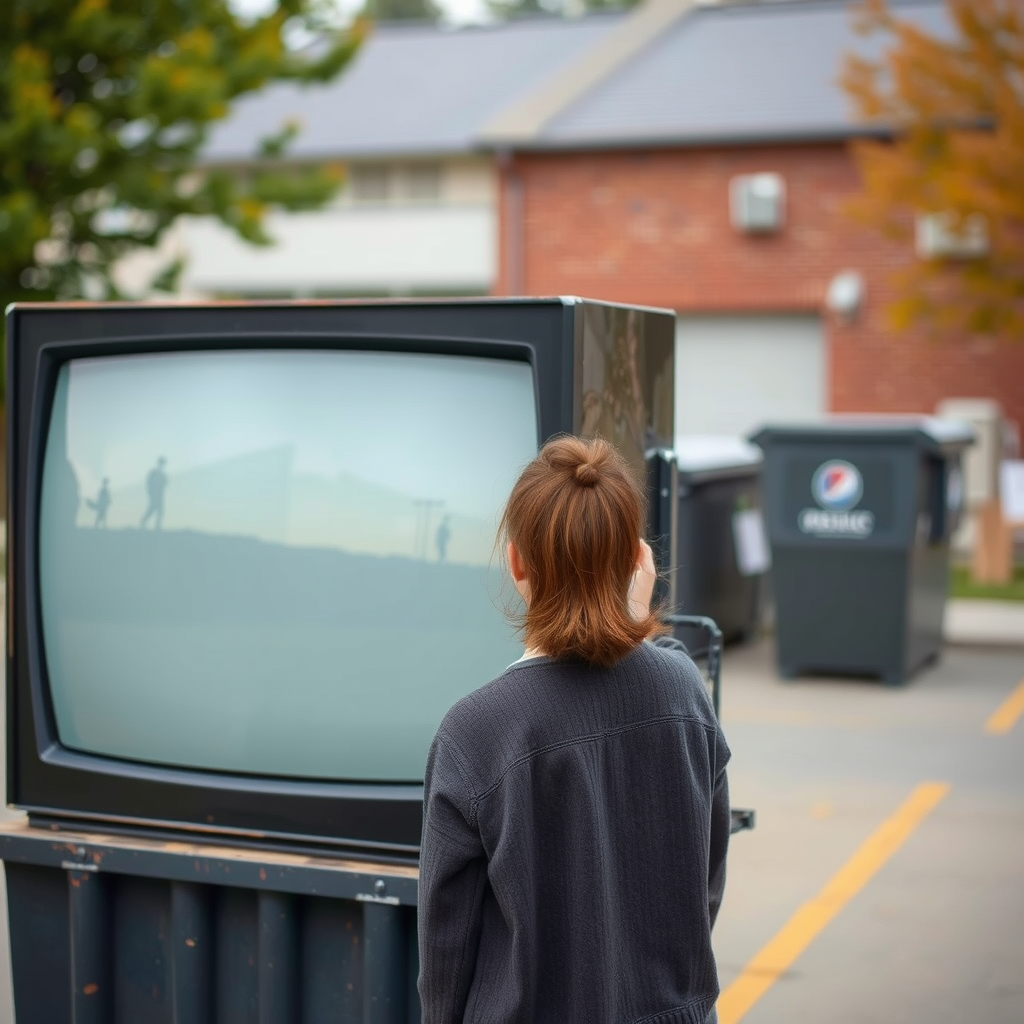
Many municipalities have strict laws against dumping electronics in dumpsters. These regulations exist to prevent hazardous materials, such as lead and mercury, from contaminating the environment. Depending on where you live, the fines for illegal disposal can range from minor monetary penalties to substantial fines that can amount to thousands of dollars. It is crucial to check local laws before attempting to dispose of your television in this manner.
In many areas, electronic waste is classified as hazardous material, which requires special handling and disposal methods. For instance, in California, it is illegal to dispose of TVs in regular trash or dumpsters, and violators can face fines of up to $1,000. Similar regulations exist in other states and municipalities, making it essential to be informed about your local waste management policies.
Environmental Impact of Disposal
TVs contain hazardous materials that can harm the environment if not disposed of properly. For example, the glass screens in older CRT (Cathode Ray Tube) televisions can contain lead, while circuit boards may have various toxic substances. When these items are discarded carelessly, they can leach into the soil and water supply, posing health risks to humans and wildlife.
Recycling electronic waste helps reduce pollution and conserves resources. By recycling TVs, valuable materials like copper, aluminum, and plastics can be recovered and reused, thus minimizing the need for new raw materials. Furthermore, responsible recycling practices help prevent toxic substances from entering landfills and ecosystems, contributing to a healthier planet.
Alternative Disposal Options
Instead of throwing your TV in a dumpster, consider these alternative disposal options:
1. Local E-Waste Recycling Programs: Many communities run e-waste recycling programs specifically designed to handle electronic devices. These programs often have designated drop-off locations or scheduled collection events.
2. Retailer Take-Back Programs: Some electronics retailers offer take-back programs, allowing customers to return old devices when purchasing new ones. This not only helps with disposal but may also provide you with discounts or incentives.
3. Municipal Collection Events: Keep an eye out for local hazardous waste collection events, where residents can bring electronics for safe disposal.
4. Mail-in Recycling: Some companies provide mail-in recycling services for electronic waste. You can send your old TV to them, and they will ensure it is recycled responsibly.
Top 7 U.S. States for E-Waste Recycling Initiatives (2024)
| # | State | Recycling Centers | Annual E-Waste Recycled (tons) | Incentives Offered |
|---|---|---|---|---|
| 1 | California | 450 | 100,000 | Tax Deductions |
| 2 | Texas | 300 | 65,000 | Gift Cards |
| 3 | New York | 200 | 50,000 | None |
| 4 | Florida | 180 | 45,000 | Rebates |
| 5 | Illinois | 150 | 30,000 | Tax Credits |
| 6 | Ohio | 120 | 25,000 | None |
| 7 | Pennsylvania | 100 | 20,000 | Discounts |
Donation Possibilities
Consider donating your working TV to local charities or shelters. Many organizations, such as Goodwill or the Salvation Army, accept electronics and will ensure they are reused or recycled responsibly. Donating not only helps those in need but also extends the life of your device, reducing waste.
Some organizations will even pick up the TV from your home, making the process easier for you. It is worth checking with local charities, schools, or community centers to see if they are in need of a television. Before donating, ensure that the TV is in working condition and check if any guidelines need to be followed.
Preparing Your TV for Disposal
Before disposing of your TV, it is vital to prepare it properly. First, remove any personal data or settings if applicable, especially if your TV has smart features. This includes disconnecting any accounts or resetting the device to factory settings.
Additionally, ensure the TV is clean and safe for transport. Remove any loose cables, and consider using a sturdy box or padding to protect it during transport. If the TV is broken or hazardous, inform the recycling center or organization about its condition to ensure proper handling.
How to Find E-Waste Recycling Centers
Finding certified e-waste recycling facilities near you is easier than ever. Many local governments provide online resources where you can locate recycling centers. Websites like Earth911 or the EPA’s e-Waste Management page can be helpful for finding nearby options.
Additionally, check for community events that focus on hazardous waste collection. These events often provide opportunities for residents to drop off electronic devices safely and responsibly, ensuring they are recycled according to environmental regulations.
What to Do if You Must Use a Dumpster
If local laws allow, check with the dumpster service provider for guidance on disposal. It is essential to understand their policies regarding electronic waste to avoid incurring fines. Some companies may have specific instructions or designated bins for e-waste.
If you must dispose of your TV in a dumpster, ensure that it is covered to prevent potential hazards during transport. This includes protecting it from weather elements and preventing it from being a danger to others.
In conclusion, while throwing away a TV in a dumpster is generally not advisable, there are numerous responsible alternatives available. Understanding local regulations, the environmental impact of improper disposal, and the available disposal options are crucial for responsible electronic waste management. By considering donation, recycling, or safe disposal practices, you can contribute to environmental sustainability and avoid legal issues associated with improper disposal. Always prioritize responsible choices when it comes to electronic waste to foster a cleaner and safer environment for all.
Frequently Asked Questions
Can you legally throw away a TV in a dumpster?
Throwing away a TV in a dumpster is often illegal due to electronic waste regulations in many areas. Most municipalities have specific guidelines for disposing of electronic devices, including TVs, to prevent environmental harm. It’s essential to check local laws and regulations before disposing of your TV improperly.
What should I do with my old TV instead of dumping it?
Instead of throwing your old TV in a dumpster, consider recycling it through designated e-waste recycling programs or facilities. Many retailers and local governments offer drop-off locations or pick-up services for electronic waste. Donating the TV to a charity or selling it online can also be a responsible way to handle your old device.
How do I find e-waste recycling options for my TV?
To find e-waste recycling options for your TV, start by searching online for local recycling centers that specialize in electronics. Websites like Earth911 or your city’s waste management site can provide information on proper disposal methods. Additionally, some manufacturers offer take-back programs for their products, making it easier to recycle your old device.
Why is it important to recycle TVs instead of throwing them away?
Recycling TVs is crucial because they contain hazardous materials like lead and mercury that can harm the environment if not disposed of correctly. By recycling your TV, you help recover valuable materials and reduce the amount of electronic waste in landfills. This process not only protects the environment but also promotes sustainability in electronics manufacturing.
What is the best way to prepare my TV for disposal?
The best way to prepare your TV for disposal is to first remove any personal data or accessories, such as cables and remotes. If applicable, check if the manufacturer provides specific instructions for recycling or disposal. Securely package the TV if you’re transporting it to a recycling center to prevent damage and ensure safe handling.
References
- Electronics Donation and Recycling | US EPA
https://www.epa.gov/recycle/electronics-donation-and-recycling - https://www.calrecycle.ca.gov/ewaste/faq
https://www.calrecycle.ca.gov/ewaste/faq - https://www.ny.gov/programs/electronics-recycling
https://www.ny.gov/programs/electronics-recycling - https://www.bbc.com/future/article/20210113-the-mountain-of-e-waste-is-growing
https://www.bbc.com/future/article/20210113-the-mountain-of-e-waste-is-growing - https://www.scholar.google.com/scholar?q=disposal+of+electronic+waste Google Scholar
https://www.scholar.google.com/scholar?q=disposal+of+electronic+waste - https://www.scholar.google.com/scholar?q=recycling+TVs+environmental+impact Google Scholar
https://www.scholar.google.com/scholar?q=recycling+TVs+environmental+impact - https://www.scholar.google.com/scholar?q=can+you+throw+away+a+TV+in+a+dumpster Google Scholar
https://www.scholar.google.com/scholar?q=can+you+throw+away+a+TV+in+a+dumpster - Google Scholar Google Scholar
https://scholar.google.com/scholar?q=can+you+throw+away+a+tv+in+a+dumpster - can you throw away a tv in a dumpster – Search results
https://en.wikipedia.org/wiki/Special:Search?search=can+you+throw+away+a+tv+in+a+dumpster - https://www.ncbi.nlm.nih.gov/search/research-articles/?term=can+you+throw+away+a+tv+in+a+dumpster
https://www.ncbi.nlm.nih.gov/search/research-articles/?term=can+you+throw+away+a+tv+in+a+dumpster
