
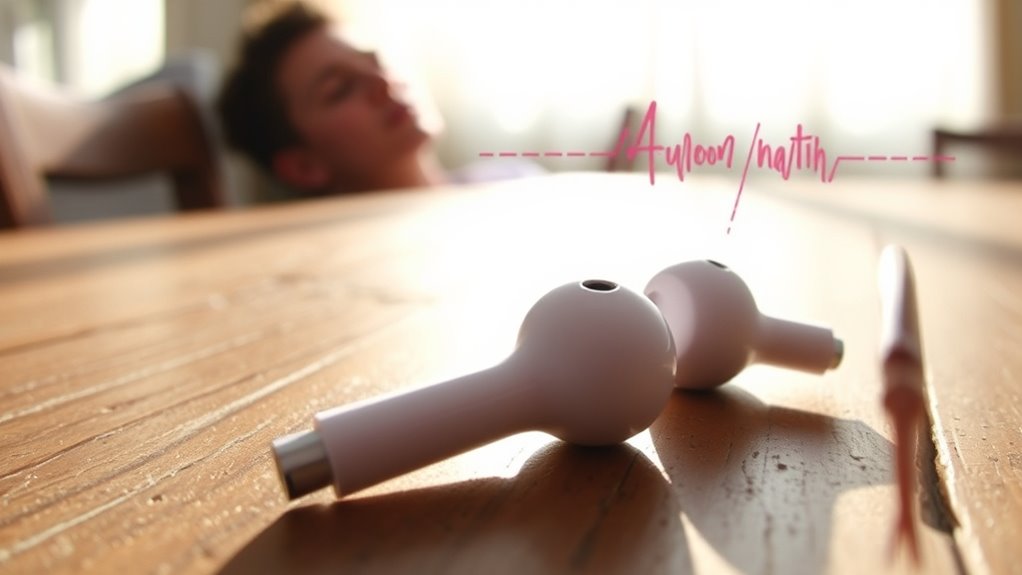

Yes, earbuds can cause hearing loss, particularly if you frequently listen at high volumes or for extended periods. The ear converts sound waves to electrical signals, and loud sounds can damage vital cochlea hair cells, leading to irreversible changes in hearing. Safe volume levels are around 60% of maximum, and prolonged exposure to sounds above 85 decibels increases risk. Adopting healthy listening habits is essential for your auditory health, and there’s more to explore on how to protect your hearing.
Understanding Hearing Loss
Hearing loss is a complex condition that affects millions of individuals worldwide, stemming from various causes such as age, noise exposure, and genetics. Understanding the hearing mechanisms is vital for maintaining your auditory health. The ear converts sound waves into electrical signals that the brain interprets. Damage to any part of this intricate system can result in varying degrees of hearing loss. Prolonged exposure to loud sounds can lead to irreversible changes in the hair cells within the cochlea, diminishing their ability to transmit sound. Furthermore, genetic predispositions may affect your susceptibility to hearing loss, regardless of environmental factors. Consequently, fostering awareness of your auditory health is essential for preventing potential hearing impairments and ensuring a better quality of life.
The Anatomy of Earbuds
To understand how earbuds might affect your hearing, it’s essential to examine their design features and sound delivery mechanisms. Each component, from the driver size to the ear tip shape, plays a significant role in how sound is transmitted to your ears. Analyzing these elements can help you assess their potential impact on your auditory health.
Earbud Design Features
While many people enjoy the convenience of earbuds, understanding their design features is essential for evaluating their impact on hearing health. Modern earbuds incorporate significant design innovations aimed at enhancing user experience and comfort. Ergonomic features are paramount, as they guarantee a snug fit, reducing sound leakage and the need for higher volume levels. This design consideration helps mitigate potential hearing damage. Additionally, materials used in construction can affect overall sound quality and comfort. For instance, softer silicone tips conform to your ear canal, providing a better seal. By familiarizing yourself with these design elements, you’ll be better equipped to choose earbuds that not only suit your lifestyle but also prioritize your hearing health.
Sound Delivery Mechanism
Understanding the sound delivery mechanism of earbuds is essential for evaluating their impact on audio quality and potential hearing risks. Earbuds utilize small dynamic drivers to convert electrical signals into sound waves. These drivers are typically housed in a compact casing, which influences sound quality and audio fidelity. The diaphragm’s movement creates vibrations, producing various frequencies. When earbuds fit snugly in your ears, they enhance bass response and isolate external noise, allowing for a more immersive listening experience. However, this can lead to higher volume levels, increasing the risk of hearing damage. By grasping the intricacies of this mechanism, you can appreciate how design choices directly affect both sound quality and your hearing health.
Volume Levels and Safe Listening
When using earbuds, it’s essential to understand safe volume guidelines to protect your hearing. Prolonged exposure to high volume levels can lead to noise-induced hearing loss, a condition that often goes unnoticed until significant damage occurs. Monitoring your listening habits can help mitigate these risks and preserve your auditory health.
Safe Volume Guidelines
How can you guarantee your listening habits won’t jeopardize your hearing? Start by understanding safe volume guidelines. Ideally, keep your volume control at 60% of the maximum level, especially in noisy listening environments. This helps minimize stress on your auditory system. Remember, prolonged exposure to sounds above 85 decibels can lead to irreversible damage. Use noise-canceling earbuds to reduce background noise, allowing you to enjoy music at lower volumes. Additionally, take breaks every hour to give your ears a rest. Being mindful of your listening environments, like avoiding loud places or opting for quieter settings, can greatly enhance your auditory health. By adopting these practices, you empower yourself to enjoy music without compromising your hearing.
Impact of Prolonged Use
While enjoying your favorite tunes through earbuds can be a delightful experience, prolonged use at high volume levels poses significant risks to your hearing health. Prolonged exposure to loud sounds can lead to hearing fatigue, which diminishes your auditory sensitivity over time. This fatigue can accumulate, resulting in a decreased ability to enjoy music at lower volumes.
To understand the risks, consider the following:
- Volume Levels: Listening above 85 decibels for extended periods can be harmful.
- Listening Duration: Prolonged sessions increase your risk of damage.
- Frequency of Use: Daily high-volume listening accelerates hearing fatigue.
Being aware of these factors allows you to enjoy your music while protecting your hearing and maintaining your freedom to enjoy sound.
Noise-Induced Hearing Loss
Noise-induced hearing loss (NIHL) is a critical concern for anyone who uses earbuds, especially at high volumes. Listening at levels above 85 decibels can lead to irreversible damage to your auditory system. If you frequently find yourself adjusting the volume to drown out background noise, you might be putting your hearing at risk. Sound sensitivity can also develop, making everyday noises uncomfortable. To protect your hearing, consider adopting strategies for tinnitus management, such as taking regular breaks from earbuds and using noise-canceling technology. Aim to keep your volume at a safe level and be mindful of your listening duration. By prioritizing these practices, you can enjoy your music while safeguarding your hearing health and maintaining your freedom to listen without worry.
Risks of Prolonged Use
Although many people enjoy the convenience of earbuds, prolonged use can pose significant risks to your hearing health. When you expose your ears to high sound intensity for extended periods, you increase the likelihood of hearing damage. Here are some key risks to take into account:
- Hearing Fatigue: Continuous use can lead to temporary and sometimes permanent hearing loss.
- Tinnitus Development: Prolonged exposure may trigger persistent ringing in your ears.
- Increased Sensitivity: Over time, you might find lower volumes uncomfortable, leading to a cycle of higher sound intensity.
Being mindful of these risks guarantees you can enjoy your audio experiences while protecting your hearing. Regular breaks and awareness of volume levels can help mitigate these potential dangers associated with prolonged use.
Tips for Healthy Listening Habits
To enjoy your audio experiences without compromising your hearing health, adopting healthy listening habits is essential. First, practice volume control; keeping your earbuds at 60% of the maximum volume can greatly reduce the risk of hearing damage. Additionally, incorporate regular listening breaks—aim for a 5-10 minute pause every hour. This simple habit allows your ears to rest and recover from prolonged exposure to sound. Be mindful of your environment; if you’re struggling to hear your audio content over background noise, it’s a sign to turn down the volume. Finally, consider using noise-canceling earbuds, as they can enhance sound quality at lower volumes. By following these guidelines, you can preserve your hearing while enjoying your favorite audio.
Alternatives to Traditional Earbuds
While traditional earbuds are popular for their compact design and convenience, there are several alternatives that may better suit your audio needs and protect your hearing. Wireless headphones and over-ear alternatives offer distinct benefits, particularly regarding sound quality and comfort. Here are a few options to contemplate:
- Wireless Headphones: These provide freedom of movement without tangled cords, often featuring noise cancellation for an immersive experience.
- Over-Ear Alternatives: These headphones encompass the entire ear, delivering superior sound isolation and comfort for extended listening sessions.
- Bone Conduction Headphones: These innovative devices transmit sound through your skull, leaving your ears open to environmental sounds, ideal for outdoor activities.
Evaluating these options can enhance your listening experience while safeguarding your auditory health.
Frequently Asked Questions
Can Using Earbuds While Exercising Cause Hearing Damage?
Yes, using earbuds while exercising can lead to hearing damage. Studies show that over 1 billion people risk sound exposure exceeding safe levels. Monitoring exercise volume and sound intensity is essential for preserving your hearing health.
Are Certain Earbud Brands Safer Than Others?
Certain earbud brands do have varying safety ratings based on brand comparisons. You should research models that prioritize sound quality and volume control features, ensuring they meet safety standards to protect your hearing while enjoying music.
Do Noise-Canceling Earbuds Reduce the Risk of Hearing Loss?
Noise-canceling earbuds can indeed reduce the risk of hearing loss by minimizing background noise, allowing you to enjoy high sound quality at lower volumes. This lessens harmful noise exposure, preserving your hearing while enjoying your freedom to listen.
How Often Should I Take Breaks From Using Earbuds?
You should take breaks every hour when using earbuds to maintain ear health. Implementing this break frequency can help prevent potential damage, ensuring you enjoy your audio experiences without compromising your hearing capabilities.
Can Earbuds Lead to Ear Infections or Other Health Issues?
Yes, earbuds can lead to ear infections if you neglect ear hygiene. Ever thought about how often you clean them? Regular cleaning and ensuring proper fit are essential for infection prevention and maintaining overall ear health.
