
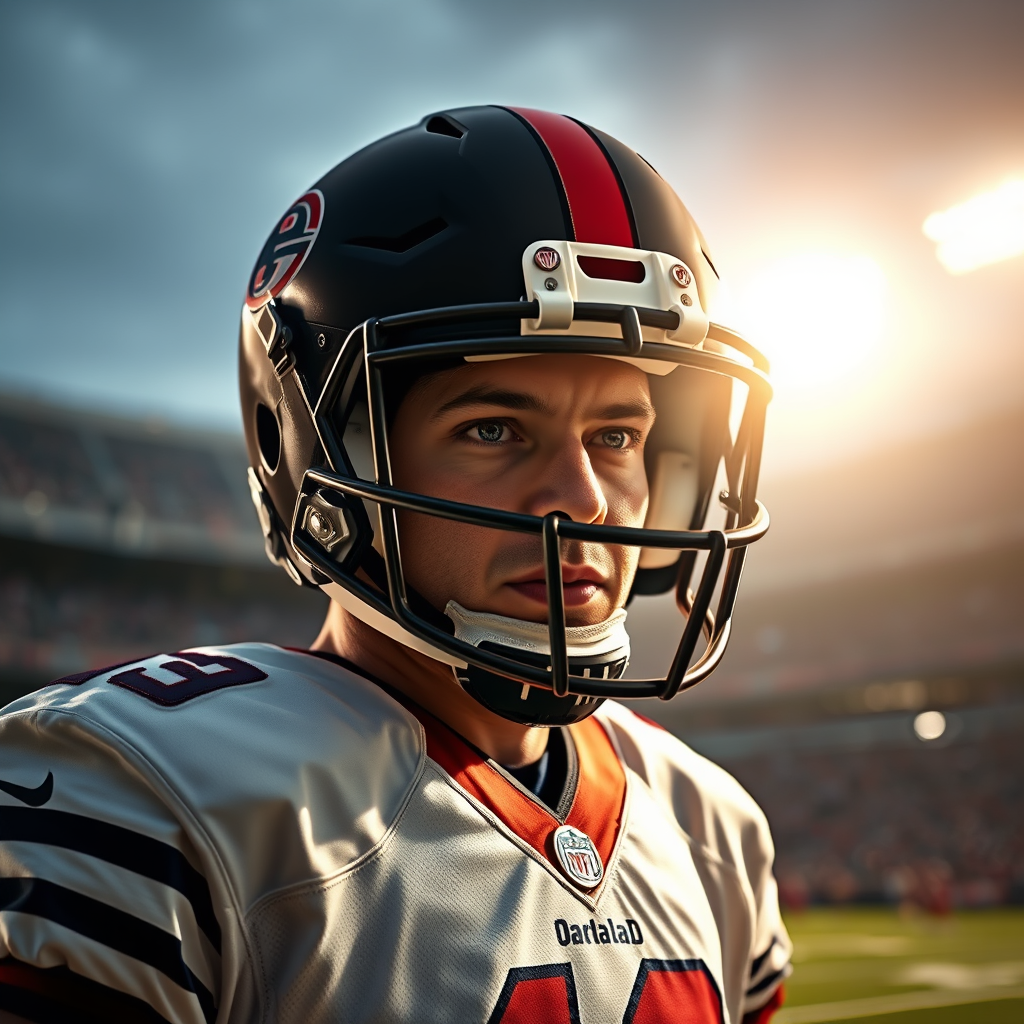

Yes, football players do have speakers in their helmets, which are specifically designed for communication between players and coaches during games. This technology allows for real-time strategic adjustments and enhances on-field coordination, ensuring that teams can adapt quickly to changing game situations. In this article, we’ll explore how these systems work, their benefits, the regulations surrounding their use, and the challenges they face.
The Technology Behind Helmet Speakers
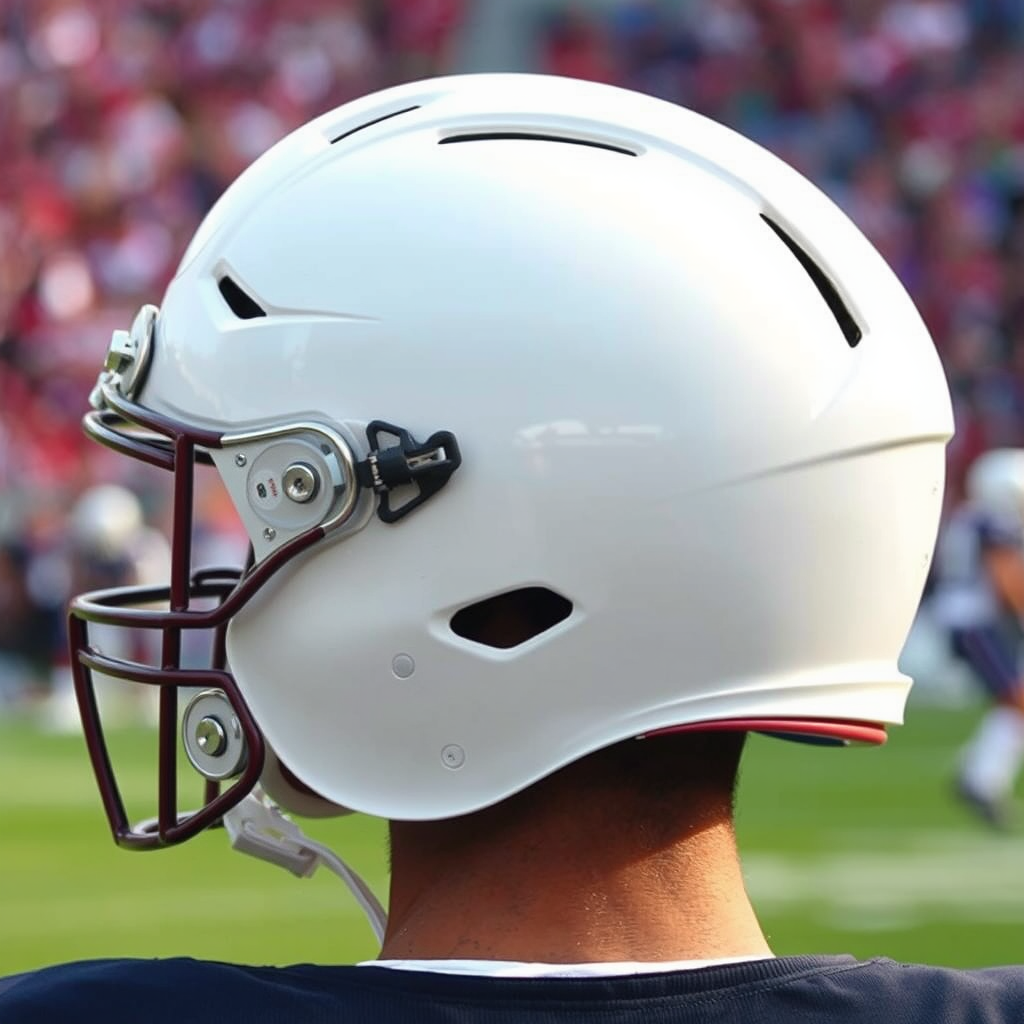
The communication systems in football helmets are primarily designed to facilitate instant communication between players, particularly quarterbacks, and their coaching staff. These systems typically consist of a small speaker and a microphone integrated into the helmet. The quarterback can receive audio instructions from the coach through a device that transmits signals over a secure frequency.
The audio is transmitted via a radio frequency, allowing the coach to communicate play calls and adjustments without the need for hand signals or verbal shouting, which can be difficult amidst the noise of the crowd and the chaos of the game. The speaker is strategically placed within the helmet to ensure clear sound quality while minimizing external noise interference. This setup not only provides clarity but also allows for simultaneous communication, enabling multiple players to receive instructions as needed.
Benefits of Using Speakers in Helmets
The integration of speakers in helmets offers several significant advantages:
1. Improved Communication: One of the most notable benefits is enhanced communication between players and coaches. This system allows for immediate feedback and adjustments during critical game moments, fostering a more cohesive team effort.
2. Strategic Execution: The ability to relay complex plays and strategies directly to players enhances their ability to execute game plans effectively. This is especially crucial in high-pressure situations where swift decisions can determine the outcome of a game.
3. Reduced Errors: By providing clear instructions directly into the helmet, the likelihood of miscommunication is significantly decreased. This helps players to stay focused on their roles and responsibilities without second-guessing their actions.
4. Player Confidence: Knowing that they can receive real-time guidance from their coaches boosts players’ confidence. This assurance enables them to perform to the best of their abilities without hesitation.
Regulations Governing Helmet Communication
The use of helmet communication systems is regulated by both the NFL and NCAA to ensure fair play and maintain the integrity of the game.
– NFL Regulations: In the NFL, only specific players are allowed to have communication systems in their helmets. Typically, this includes only one player per team on the field who can receive messages from the coaches. The communication is limited to the time before the snap, and once the play begins, the communication is cut off. This regulation ensures that the game remains competitive and that teams cannot rely solely on technology to dictate their strategies.
– NCAA Regulations: The NCAA has similar rules, but they may vary slightly from conference to conference. Coaches can communicate with players through headsets during games, but the messages must adhere to specific timing regulations to avoid unfair advantages.
These regulations are crucial for maintaining the balance of the game, ensuring that while technology is embraced, it does not overshadow the skills and strategies developed by the players and coaching staff.
Challenges and Limitations of Helmet Speakers
Despite the advancements that helmet communication systems have brought to the game, there are still challenges and limitations:
1. Audio Clarity and Interference: One of the primary concerns with helmet speakers is the potential for audio clarity issues. External noise, such as crowd roars or the sounds of the game, can interfere with communication. There’s also the risk of signal interference from other electronic devices, which can disrupt the clarity of the transmitted messages.
2. Situational Limitations: There are specific game situations where communication is limited. For example, once the play clock starts, the ability to communicate is often restricted. This limitation means that coaches must be strategic about when and how they relay information to players.
3. Technical Failures: Like any technology, helmet communication systems are susceptible to technical failures. A malfunction during a critical game moment can lead to confusion and miscommunication among players, potentially impacting the game’s outcome.
Future Developments in Helmet Technology
As technology continues to advance, the future of helmet communication systems looks promising. Innovations on the horizon may include:
1. Enhanced Audio Quality: Future developments may focus on improving audio clarity and reducing interference, allowing for clearer communication even in the noisiest environments.
2. Integration with Wearable Tech: There is potential for helmet communication systems to integrate with other wearable technologies, such as performance monitoring devices. This could provide coaches with real-time data on player performance and health, allowing for more informed decision-making during games.
3. Safety Features: Advances in helmet technology may also focus on player safety, incorporating features that can monitor impacts and alert coaches to potential injuries in real-time. This integration could facilitate immediate medical attention when necessary.
The impact of these advancements could be significant, enhancing both player safety and performance while maintaining the essential elements of teamwork and strategy in football.
Case Studies of Helmet Speaker Usage
Several teams have successfully utilized helmet communication systems to gain a competitive edge during games.
1. New England Patriots: Known for their strategic prowess, the Patriots have effectively used helmet communication to execute complex plays that rely on quick adjustments in real-time. For instance, during a critical playoff game, quarterback Tom Brady utilized communication with his coach to adjust plays based on defensive formations, leading to a game-winning touchdown.
2. Kansas City Chiefs: The Chiefs have also showcased the effectiveness of helmet speakers. In a high-scoring game against the Los Angeles Rams, quarterback Patrick Mahomes was able to receive rapid-fire instructions from his coach, allowing for seamless play execution that kept the opposing defense guessing.
These case studies demonstrate how effective communication through helmet speakers can be the difference between victory and defeat, underscoring the importance of this technology in modern football.
The use of speakers in football helmets is a vital aspect of the game that enhances player communication and operational efficiency on the field. As technology continues to advance, we can expect these systems to evolve, further improving the dynamics of teamwork in football. For more insights into football technology, stay tuned for our upcoming articles!
Frequently Asked Questions
Do football players have speakers in their helmets for communication?
Yes, professional football players wear helmets equipped with a communication system that includes a speaker. This allows coaches to relay plays and important information directly to the quarterback or designated players on the field, enhancing strategic execution during games.
How do the communication systems in football helmets work?
The communication systems in football helmets use a wireless transmitter and receiver setup. A coach sends signals via a microphone, which are transmitted to the player’s helmet speaker, allowing for real-time communication without the need for hand signals or huddles.
Why are speakers in football helmets important for gameplay?
Speakers in football helmets are crucial for facilitating quick and efficient communication during high-pressure situations. This technology helps teams execute plays more effectively and adapt to opponents’ strategies, ultimately improving overall performance.
What are the rules regarding helmet communication in the NFL?
In the NFL, only one player on the field, typically the quarterback, is allowed to have a helmet with a communication system during games. Additionally, the communication system can only be used until 15 seconds remain on the play clock, ensuring that teams don’t rely too heavily on technology.
Which football leagues utilize helmets with communication systems?
Most professional football leagues, including the NFL and the Canadian Football League (CFL), utilize helmets with communication systems. Additionally, some college football programs have started adopting this technology to enhance their gameplay and strategic communications.
References
- Football helmet
https://en.wikipedia.org/wiki/Football_helmet - https://www.ncbi.nlm.nih.gov/pmc/articles/PMC6530753/
https://www.ncbi.nlm.nih.gov/pmc/articles/PMC6530753/ - https://www.ncbi.nlm.nih.gov/pmc/articles/PMC1228112/
https://www.ncbi.nlm.nih.gov/pmc/articles/PMC1228112/ - https://www.ncbi.nlm.nih.gov/books/NBK499844/
https://www.ncbi.nlm.nih.gov/books/NBK499844/ - Google Scholar Google Scholar
https://scholar.google.com/scholar?q=football+players+speakers+helmets - Google Scholar Google Scholar
https://scholar.google.com/scholar?q=communication+in+football+helmets - https://www.sciencedirect.com/science/article/pii/S2352146517300579
https://www.sciencedirect.com/science/article/pii/S2352146517300579 - https://www.bbc.com/sport/american-football/50519572
https://www.bbc.com/sport/american-football/50519572 - https://www.theguardian.com/sport/2021/jul/25/football-helmets-technology
https://www.theguardian.com/sport/2021/jul/25/football-helmets-technology - https://www.nytimes.com/2018/11/08/sports/football-helmet-communication.html
https://www.nytimes.com/2018/11/08/sports/football-helmet-communication.html
