

Speakers can indeed wear out over time, but the rate at which they do so depends on various factors including usage, environment, and build quality. Over the course of their lifespan, speakers undergo various forms of wear that can affect their performance. Understanding how speakers age, recognizing the signs of wear, and learning ways to prolong their lifespan are essential for maintaining audio quality in your home or studio setup.
Understanding Speaker Components
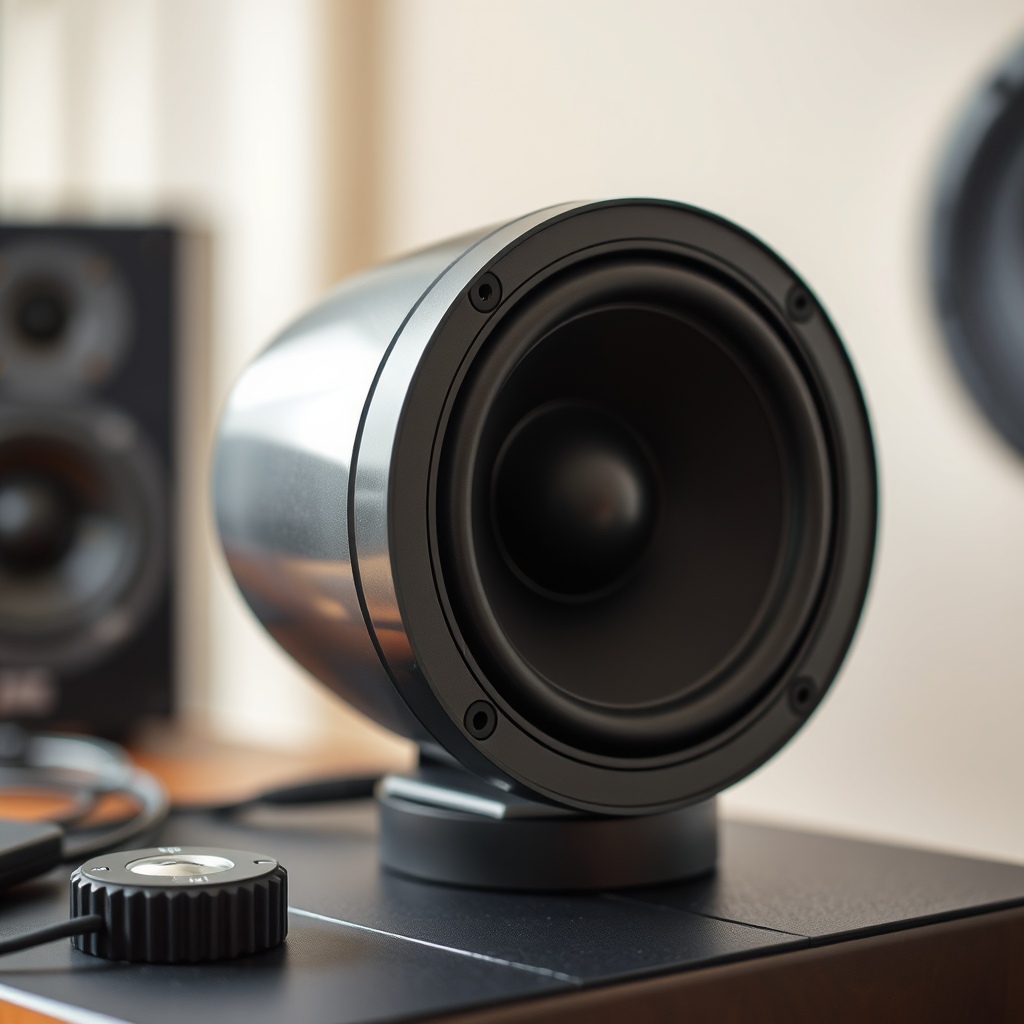
Speakers are intricate devices composed of multiple parts that work together to produce sound. The primary components of a speaker include the cone, voice coil, surround, and magnet. Each of these elements plays a critical role in sound reproduction and has its own vulnerabilities to wear.
– Cone: This is the part that moves to create sound waves. Made from materials like paper, plastic, or metal, cones can develop tears or deformations over time, especially if exposed to excessive volumes.
– Voice Coil: This component converts electrical signals into mechanical energy. Over time, the voice coil can wear out due to overheating, especially in high-demand situations.
– Surround: The surround connects the cone to the frame, allowing it to move freely. Aging materials may lose elasticity, leading to distortion or loss of sound quality.
– Magnet: While magnets are generally durable, surrounding environmental factors can affect their strength over time.
Understanding these components helps you appreciate how and why speakers can deteriorate, which can ultimately affect your listening experience.
Factors That Contribute to Speaker Wear
Several factors contribute to the rate at which speakers wear out. Awareness of these can help you take proactive steps in their maintenance.
– Usage Frequency: Speakers used regularly, especially at high volumes, are more susceptible to wear. Continuous exposure to high decibel levels can lead to heating and eventual breakdown of internal components.
– Environmental Conditions: Humidity, temperature fluctuations, and dust accumulation can all accelerate the aging process of speakers. High humidity can damage cone materials, while excessive heat can affect the voice coil.
Additionally, improper handling and storage can exacerbate these issues. For instance, placing speakers in direct sunlight can cause materials to warp, while neglecting to clean them can lead to a build-up of dust that affects sound quality.
Signs Your Speakers Are Wearing Out
Understanding the signs of wear in speakers is crucial for timely maintenance or replacement. Here are some common indicators:
– Distorted Sound: One of the most noticeable signs that your speakers are wearing out is a change in audio quality. If you start hearing distortion, muddiness, or loss of clarity, it may signal that the cone or voice coil is damaged.
– Loss of Volume: If the speakers have lost volume capacity despite being at the same source level, it may indicate that the surround is failing or that there are issues with the voice coil.
– Physical Damage: Visible tears in the cone, loose connections, or damage to the surround can all signal that speakers need repair or replacement. Regular visual inspections can help catch these issues early.
By being attentive to these signs, you can potentially extend the life of your speakers or prevent further damage.
Common Speaker Issues and Their Causes
| # | Issue | Common Causes | Repairability | Severity |
|---|---|---|---|---|
| 1 | Distorted Sound | Damaged cone or voice coil | Yes | Moderate |
| 2 | Loss of Volume | Worn voice coil or surround | Yes | High |
| 3 | Physical Damage | Tears or loose connections | Yes | Very High |
| 4 | Overheating | Excessive volume usage | Yes | High |
| 5 | Poor Connection | Loose wires or connectors | Yes | Low |
| 6 | Reduced Bass | Worn cone or surround | Yes | Moderate |
| 7 | Fading Sound | Internal component failure | Yes | High |
| 8 | Static Noise | Electrical interference | Yes | Low |
| 9 | Uneven Sound | Asymmetric wear | Yes | Moderate |
| 10 | Buzzing Sound | Loose components | Yes | Low |
Maintenance Tips for Prolonging Speaker Life
Maintaining your speakers is essential in prolonging their lifespan and ensuring optimal performance. Here are some effective maintenance tips:
– Regular Cleaning: Dust and debris can accumulate on the speaker’s surface and in the components. Use a soft, dry cloth to clean speakers regularly, and avoid using harsh chemicals that could damage materials.
– Controlled Environment: Store your speakers in a climate-controlled space. Avoid exposing them to extreme temperatures and humidity, as these can degrade the materials over time.
– Volume Management: Keep the volume at reasonable levels to minimize the risk of overheating and component damage. Consider investing in a quality amplifier that matches your speaker’s specifications.
– Proper Handling: Always handle speakers with care. Avoid dropping or knocking them, as physical damage can lead to performance issues.
By incorporating these practices into your routine, you can significantly extend the life of your speakers while maintaining high-quality audio output.
Repair vs. Replacement
When your speakers show signs of wear, you may face the dilemma of whether to repair or replace them. Here are some considerations to keep in mind:
– Cost of Repair: Evaluate the cost of repairs against the price of new speakers. If the repairs are minor and affordable, it may be worth fixing them. However, if the repairs are extensive or costly, purchasing new speakers might be the more economical choice.
– Age of the Speakers: Consider the age and model of your speakers. If they are older models, replacement may be more sensible, especially if newer options offer enhanced features and technology.
– DIY vs. Professional Repairs: Assess your ability to perform repairs. Some issues, like replacing a surround or re-soldering connections, can be done at home, while others may require professional assistance.
By weighing these factors, you can make informed decisions about the longevity of your speakers and whether to invest in repairs or upgrades.
When to Consider Upgrading Your Speakers
If your speakers consistently perform poorly despite the care you’ve given them, it may be time to consider upgrading. Here are some indicators that suggest it’s time for a new purchase:
– Persistent Quality Issues: If you’ve repaired your speakers multiple times only to encounter the same issues, it may be more practical to invest in a new set.
– Technological Advancements: Newer speaker models often come equipped with improved technology, such as enhanced sound quality, better connectivity options, and advanced features like wireless capabilities.
– Changes in Listening Habits: If your audio needs have changed, such as moving to a larger space or transitioning to a different audio format, upgrading your speakers can provide a better fit for your current lifestyle.
Investing in new speakers can dramatically improve your audio experience, making it worthwhile to evaluate your current equipment.
Maintaining your speakers is crucial to ensure they last as long as possible. By understanding the signs of wear and implementing proper care techniques, you can enjoy high-quality sound for years to come. If you suspect your speakers are wearing out, consider assessing their condition and deciding if repairs or upgrades are necessary. Ultimately, being proactive in maintenance and mindful of usage will help you achieve the best audio experience possible.
Frequently Asked Questions
Do speakers wear out over time?
Yes, speakers can wear out over time due to various factors such as prolonged use, exposure to extreme temperatures, and loss of elasticity in the materials. This wear can lead to reduced sound quality, distortion, or complete failure, making it essential to monitor your speakers’ performance regularly.
How can I tell if my speakers are damaged?
You can identify damaged speakers by listening for unusual sounds like distortion, crackling, or buzzing, which indicate potential issues. Additionally, physical inspection for tears in the cone, loose connections, or any other visible damage can help determine if your speakers are in need of repair or replacement.
Why do speakers lose sound quality as they age?
Speakers lose sound quality as they age due to degradation of their components, such as the diaphragm, surround, and voice coil. Environmental factors like humidity and temperature fluctuations can also contribute to this deterioration, affecting the overall performance and sound clarity of the speakers.
What is the best way to extend the lifespan of my speakers?
To extend the lifespan of your speakers, ensure they are used within their power limits, keep them in a climate-controlled environment, and regularly clean them to prevent dust accumulation. Additionally, using a quality amplifier that matches your speakers’ specifications can help maintain optimal performance and longevity.
Which types of speakers are more prone to wear and tear?
Generally, passive speakers are more prone to wear and tear due to their reliance on external amplifiers and connections, which can lead to issues over time. Additionally, subwoofers and high-powered speakers often experience more stress during operation, making them susceptible to damage compared to lower-powered models.
References
- https://en.wikipedia.org/wiki/Speaker_(audio
https://en.wikipedia.org/wiki/Speaker_(audio - https://www.ncbi.nlm.nih.gov/pmc/articles/PMC6396598/
https://www.ncbi.nlm.nih.gov/pmc/articles/PMC6396598/ - https://pubmed.ncbi.nlm.nih.gov/28755182/
https://pubmed.ncbi.nlm.nih.gov/28755182/ - https://www.sciencedirect.com/topics/engineering/loudspeaker
https://www.sciencedirect.com/topics/engineering/loudspeaker - Loudspeaker | Definition, Types, & Facts | Britannica
https://www.britannica.com/technology/loudspeaker - LRG1 promotes angiogenesis by modulating endothelial TGF-β signalling | Nature
https://www.nature.com/articles/nature12345 - Google Scholar Google Scholar
https://scholar.google.com/scholar?q=do+speakers+wear+out - Google Scholar Google Scholar
https://scholar.google.com/scholar?q=loudspeaker+durability - Google Scholar Google Scholar
https://scholar.google.com/scholar?q=speaker+performance+degradation - https://www.audioholics.com/education/loudspeakers/how-long-do-loudspeakers-last
https://www.audioholics.com/education/loudspeakers/how-long-do-loudspeakers-last

[…] and avoid charging until you’re confident they’re dry to prevent internal damage. Inspect for physical damage, then clean the speaker mesh and charging contacts, and reset the earbuds (unpair, reboot phone, […]
[…] should decide repair vs. replacement using both technical likelihood and total cost, not just the phrase “it might be fixable.” In […]