
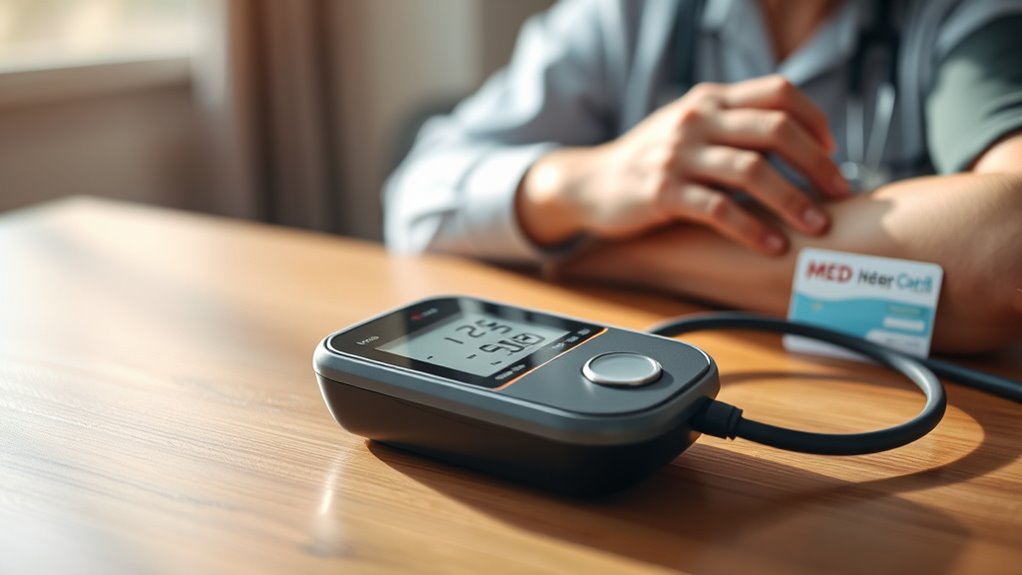

Yes, Medicare does cover blood pressure monitors, but there are specific eligibility requirements you must meet. You’ll need to be enrolled in Medicare Part B and get a prescription from your doctor, showing medical necessity. The monitor must also comply with Medicare’s standards. After obtaining it, keep your purchase receipts handy for reimbursement. To fully understand the steps and options available for obtaining a monitor, you’ll find more helpful details ahead.
Understanding Medicare Coverage Basics
When you’re steering through the complexities of Medicare, understanding the basics of coverage is crucial. Medicare is divided into parts: Part A covers hospital stays, while Part B focuses on outpatient services. Knowing these Medicare basics helps you navigate your coverage options effectively. Part C, or Medicare Advantage, combines both A and B, often including additional benefits. Finally, Part D provides coverage for prescription drugs. Each part has its own rules and costs, so familiarize yourself with co-pays, premiums, and deductibles. This knowledge empowers you to make informed choices about your healthcare. By grasping these fundamentals, you can optimize your Medicare experience and guarantee you receive the care you need, when you need it, without unnecessary obstacles.
Types of Blood Pressure Monitors
Maneuvering Medicare coverage can lead you to various healthcare tools, including blood pressure monitors. There are different types to evaluate, each catering to your unique needs. Digital monitors are the most common, offering easy-to-read displays and accurate readings at the touch of a button. These devices often come with features like memory storage for tracking your readings over time.
On the other hand, portable devices are perfect for those who want to monitor their blood pressure on the go. Lightweight and compact, these monitors allow you to keep tabs on your health wherever you are. Whether you prefer a digital monitor or a portable device, having the right tool can empower you to manage your health more effectively.
Eligibility Criteria for Coverage
To qualify for Medicare coverage of blood pressure monitors, you must meet specific eligibility criteria. Understanding these coverage nuances can help you navigate the process more smoothly. Here are some key points to take into account:
- You must be enrolled in Medicare Part B.
- A doctor must prescribe the blood pressure monitor for home use.
- You need to provide eligibility documentation, such as medical records showing hypertension.
- The monitor must meet Medicare’s standards for medical equipment.
- You may need to demonstrate that you require regular monitoring.
How to Obtain a Blood Pressure Monitor Through Medicare
If you’re considering getting a blood pressure monitor through Medicare, it’s important to understand the eligibility requirements first. Once you know you qualify, you can navigate the purchase and reimbursement process. Let’s break down what you need to do to obtain your monitor effectively.
Eligibility Requirements Explained
While traversing the healthcare landscape can be challenging, understanding how to obtain a blood pressure monitor through Medicare doesn’t have to be. To qualify, you’ll need to meet certain eligibility requirements and provide necessary documentation. Here’s what you should know:
- Be enrolled in Medicare Part B.
- Have a prescription from your doctor indicating a medical necessity.
- Provide eligibility documentation that shows your medical history related to hypertension.
- Understand coverage limitations, like the type of monitor covered and how often replacements are allowed.
- Confirm that the supplier is Medicare-approved.
Purchase and Reimbursement Process
Steering the purchase and reimbursement process for a blood pressure monitor through Medicare can be straightforward once you know the steps involved. First, consult your healthcare provider to guarantee you meet the medical necessity criteria. They’ll provide a prescription, which is essential for reimbursement. Next, explore your purchase options—you can buy the monitor from a Medicare-approved supplier or online retailer. Keep your receipts, as you’ll need them for reimbursement procedures. After obtaining your monitor, submit your claim to Medicare, including the prescription and proof of purchase. Once processed, you should receive reimbursement for the eligible costs. Staying organized and following these steps can help you navigate the process with ease and confidence.
In-Home Monitoring vs. Prescription Requirements
As you reflect on managing your blood pressure at home, understanding the differences between in-home monitoring and prescription requirements is essential. In-home monitoring allows you to take charge of your health, while prescription requirements can dictate your access to specific devices. Here are some key points to reflect on:
- Convenience: In-home monitoring grants immediate access to your readings.
- Cost: Many monitors can be purchased without a prescription, potentially reducing costs.
- Consultation: Prescription devices may require prior consultation with your healthcare provider.
- Insurance Coverage: Some plans may cover monitors only with a prescription.
- Device Options: In-home monitoring offers a wider variety of devices compared to those prescribed.
Understanding these aspects can empower you in your blood pressure management journey.
Costs Associated With Blood Pressure Monitors
When considering blood pressure monitors, understanding the associated costs is crucial for making an informed choice. The price of these devices can vary considerably based on features, brand, and technology. You might find basic models priced around $30, while more advanced monitors can cost up to $200 or more. It’s important to perform a cost comparison to determine which device fits your budget and needs. Look for features like Bluetooth connectivity or automatic readings, as these can influence device pricing. Additionally, factor in any potential hidden costs, like batteries and replacement parts. By taking the time to research and compare options, you’ll guarantee that you select a blood pressure monitor that’s both effective and affordable.
Medicare Advantage Plans and Blood Pressure Monitoring
When considering Medicare Advantage Plans for blood pressure monitoring, it’s important to understand the coverage eligibility criteria. Each plan may have specific requirements that you’ll need to meet to obtain coverage for blood pressure monitors. Additionally, you should be aware of the approved device list, as not all monitors may qualify under your plan.
Coverage Eligibility Criteria
How can you guarantee that your blood pressure monitor is covered under a Medicare Advantage Plan? To verify your device meets the necessary coverage options, keep these criteria in mind:
- Your doctor must prescribe the monitor for a medical condition.
- The device should adhere to specific device specifications set by Medicare.
- Coverage may depend on whether the monitor is deemed medically necessary.
- Check if your plan requires prior authorization before obtaining the device.
- Review your plan’s guidelines for any additional requirements.
Approved Device List
Medicare Advantage Plans have specific approved device lists that outline which blood pressure monitors are eligible for coverage. These lists include various approved device types, ensuring you have access to reliable health tools. When choosing a monitor, consider features like automatic readings, Bluetooth connectivity, and memory storage, which can enhance your monitoring experience. It’s important to verify that the monitor you select aligns with your plan’s requirements. To find the right fit, check with your plan provider or review the official approved device list. By staying informed, you can make empowered choices about your healthcare, ensuring you have the tools necessary to manage your blood pressure effectively. Remember, your health is in your hands!
Other Insurance Options for Blood Pressure Monitors
While Medicare offers coverage for blood pressure monitors under certain conditions, exploring other insurance options can also provide valuable alternatives. If you’re looking for more flexibility, consider these options for supplemental coverage:
- Private health insurance: Many plans cover blood pressure monitors.
- Health Savings Accounts (HSAs): You can use HSA funds for eligible devices.
- Flexible Spending Accounts (FSAs): These allow pre-tax dollars for medical expenses, including monitors.
- Medicaid: Depending on your state, Medicaid may offer coverage for monitoring devices.
- Manufacturer warranties: Some brands include coverage for devices within their warranty plans.
Tips for Managing Hypertension at Home
Managing hypertension at home can feel overwhelming, but simple strategies can make a significant difference. Start with lifestyle changes that fit your routine. Regular physical activity, even a daily walk, can help lower your blood pressure. Incorporate dietary recommendations like reducing sodium intake and increasing fruits and vegetables. Consider the DASH diet, which emphasizes whole grains, lean proteins, and healthy fats. Staying hydrated and limiting alcohol can also support your efforts. Don’t forget to monitor your blood pressure regularly; tracking your numbers can empower you in managing your health. Finally, practice stress-reduction techniques like meditation or deep breathing. These changes not only improve your blood pressure but also enhance your overall well-being and quality of life.
Resources for Further Assistance and Information
If you need more information about Medicare coverage for blood pressure monitors, you can reach out to Medicare directly for assistance. Additionally, there are various online health resources that can provide valuable insights and support. These tools can help you navigate your options and make informed decisions about your health.
Medicare Contact Information
When you need assistance with Medicare-related questions or concerns about blood pressure monitors, there are several resources available to help you navigate the system. Here are some useful contact options:
- Medicare hotline: Call 1-800-MEDICARE (1-800-633-4227) for direct assistance.
- Local Medicare office: Visit your nearest office for in-person help.
- State Health Insurance Assistance Programs (SHIP): Get free, personalized assistance from trained counselors.
- Online chat: Access the Medicare website for real-time support.
- Community organizations: Reach out to local groups that may offer guidance on Medicare benefits.
These resources can empower you to get the information you need regarding blood pressure monitors and your coverage options.
Online Health Resources
Maneuvering through Medicare can sometimes feel overwhelming, but online health resources can simplify the process and provide valuable information about blood pressure monitors. Here are some digital resources worth checking out:
| Resource Name | Description | Link |
|---|---|---|
| Medicare.gov | Official Medicare information | [Visit](https://medicare.gov) |
| Healthfinder.gov | Health resources and tools | [Visit](https://healthfinder.gov) |
| AARP | Health guides for seniors | [Visit](https://aarp.org) |
| CDC | Blood pressure management tips | [Visit](https://cdc.gov) |
| American Heart Assoc. | Heart health resources | [Visit](https://heart.org) |
Utilizing these online health tools can empower you to make informed decisions about your blood pressure monitor options under Medicare.
Frequently Asked Questions
Can I Use a Blood Pressure Monitor Without a Doctor’s Prescription?
You can use a blood pressure monitor without a doctor’s prescription. Home monitoring is often straightforward and doesn’t typically require prescription requirements, allowing you to take control of your health more freely and conveniently.
Are There Specific Brands Medicare Prefers for Blood Pressure Monitors?
While Medicare doesn’t endorse specific brands, look for monitors with easy-to-read displays and automatic cuff inflation. They recommend devices that are user-friendly, ensuring you can easily track your health without hassle or confusion.
How Often Can I Replace My Blood Pressure Monitor Under Medicare?
You can typically replace your blood pressure monitor every three to five years under Medicare guidelines. It’s important to check the specific requirements, as monitor replacement frequency can vary based on your individual health needs.
Does Medicare Cover Blood Pressure Monitors for Non-Hypertensive Patients?
Medicare doesn’t typically cover blood pressure monitors for non-hypertensive patients. However, embracing preventive health is essential; investing in your own monitoring can empower you to maintain your well-being, even if it’s not covered.
Can Family Members Use My Medicare-Covered Blood Pressure Monitor?
Yes, family members can use your Medicare-covered blood pressure monitor, but it’s essential to guarantee proper sharing. Monitor readings may vary between individuals, so it’s wise to track each person’s results separately for accuracy.
