
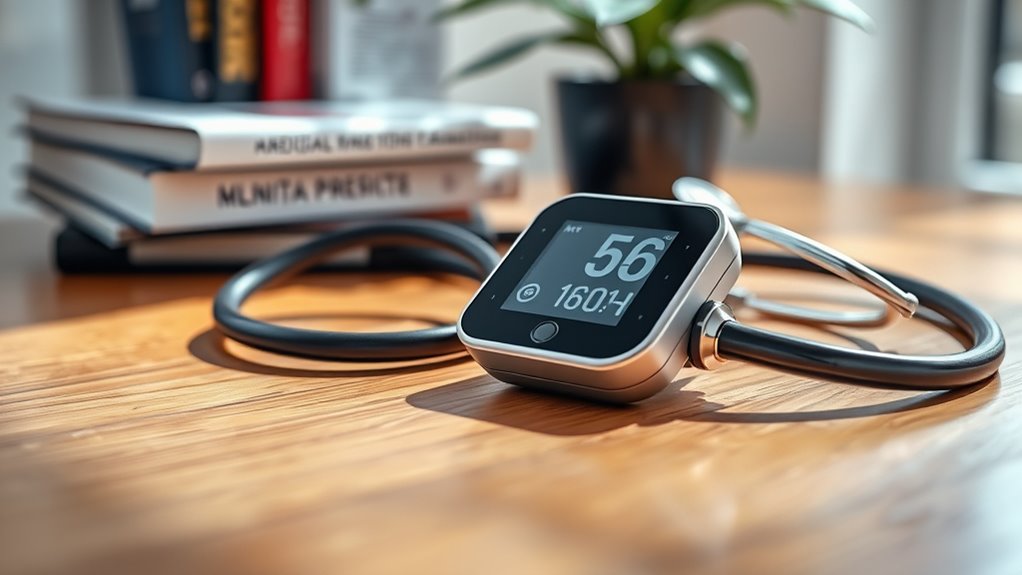

Wrist blood pressure monitors can be convenient, but their accuracy depends on several factors. If your wrist isn’t positioned correctly, or if you take measurements at inconsistent times, results can be misleading. They’re generally less accurate than arm cuff monitors, mainly because they measure pressure farther from the heart. To guarantee reliable readings, you need to maintain proper positioning and timing. Want to learn more about choosing the best monitor and interpreting results?
Understanding Blood Pressure Measurement Techniques
When it comes to measuring blood pressure, understanding the different techniques is vital for obtaining accurate readings. Sphygmomanometer types, such as digital and manual, play an essential role in how you measure your blood pressure. Digital monitors offer convenience and ease of use, while manual sphygmomanometers require more skill and attention. Each technique has its own measurement process, often involving cuff placement and inflation. To guarantee accuracy, you should also consider factors like body position and timing of the measurement. Taking your blood pressure consistently at the same time each day can help you track changes effectively. Familiarizing yourself with these techniques empowers you to monitor your health and make informed decisions about your well-being.
Factors Affecting Accuracy of Wrist Monitors
Although wrist blood pressure monitors can be convenient, several factors can considerably affect their accuracy. If you want reliable readings, consider these key points:
Wrist blood pressure monitors offer convenience, but accuracy can be compromised by user habits and environmental factors.
- User habits: Incorrect positioning of your wrist or inconsistent monitoring times can lead to misleading results.
- Environmental factors: Temperature changes, noise, or high humidity may impact the device’s performance.
- Device calibration: Regularly check if your monitor is calibrated as per manufacturer guidelines; this guarantees accurate measurements.
Being aware of these factors can empower you to use your wrist monitor more effectively. By adopting good user habits and being mindful of environmental influences, you can enjoy a more accurate blood pressure monitoring experience.
Comparing Wrist and Arm Cuff Monitors
While wrist monitors offer a portable alternative to traditional arm cuff devices, their accuracy and reliability can differ considerably. Generally, arm monitors are seen as the gold standard for measuring blood pressure due to their proven accuracy. They provide a more reliable reading because they measure pressure closer to the heart, while wrist monitors can be influenced by factors like positioning and body movement. If you’re looking for convenience, wrist monitors are lightweight and easy to use, but if precise readings matter to you, opting for an arm monitor might be the better choice. Ultimately, it’s essential to evaluate your specific needs and lifestyle when deciding between wrist and arm monitors for tracking your blood pressure.
Proper Usage for Accurate Readings
To get accurate readings from your wrist blood pressure monitor, it’s essential to position the device correctly on your wrist. Make sure your arm is supported and at heart level during measurements. Also, try to take your readings at the same time each day for consistency.
Correct Positioning of Monitor
Correctly positioning your wrist blood pressure monitor is essential for obtaining accurate readings. When you’re ready to take your measurement, follow these tips for proper wrist placement and monitor alignment:
- Make certain the monitor is snug but not too tight on your wrist.
- Position your wrist at heart level; this helps maintain accurate pressure readings.
- Keep your arm relaxed and still during the measurement.
Timing of Measurements
After ensuring your wrist monitor is properly positioned, the timing of your measurements plays a significant role in accuracy. To get reliable readings, consider the ideal timing for each measurement. It’s best to take your blood pressure at the same time daily, as this consistency helps track your health effectively. Measurement frequency can vary based on your needs; for instance, monitoring during stress or after exercise can provide valuable insights. Avoid measuring right after eating, consuming caffeine, or exercising, as these factors may skew your results. By being mindful of when you check your blood pressure, you’ll gain a clearer understanding of your cardiovascular health, empowering you to make informed decisions about your well-being.
Choosing a Quality Wrist Blood Pressure Monitor
When selecting a wrist blood pressure monitor, it’s vital to reflect on several key factors to secure accurate readings. You’ll want to perform a thorough features evaluation and conduct a brand comparison to find the best option for your needs. Here are some essential aspects to take into account:
- Accuracy: Check for clinical validation to confirm reliability.
- Comfort: Look for an adjustable cuff size to fit your wrist comfortably.
- Ease of Use: Opt for a monitor with a clear display and straightforward buttons.
Interpreting Your Blood Pressure Readings
When you check your blood pressure, it’s essential to understand what those numbers mean. Ideal blood pressure ranges can vary, and several factors may affect the accuracy of your readings. Knowing how to interpret these values helps you stay informed about your health.
Understanding Blood Pressure Numbers
Understanding your blood pressure numbers is essential for managing your health effectively, especially since these readings can indicate potential issues. Knowing the blood pressure basics helps you interpret what those numbers really mean. Your readings consist of two numbers: systolic and diastolic.
- Systolic measures the pressure in your arteries when your heart beats.
- Diastolic gauges the pressure in your arteries when your heart rests between beats.
- The significance of these measurements lies in their ability to reveal your cardiovascular health status.
Ideal Blood Pressure Ranges
Knowing the ideal blood pressure ranges is essential for evaluating your cardiovascular health. Normal ranges are typically defined as systolic readings below 120 mmHg and diastolic readings below 80 mmHg. When your readings fall within these limits, you’re generally considered to have healthy blood pressure.
If your numbers rise above these thresholds, it could indicate prehypertension or hypertension, which may lead to serious health implications over time, like heart disease or stroke. Staying aware of your blood pressure readings empowers you to take control of your health. Regular monitoring with reliable devices, like wrist blood pressure monitors, can help you maintain your numbers within the normal ranges, ensuring you stay informed and proactive about your cardiovascular wellness.
Factors Affecting Accuracy
While wrist blood pressure monitors can be convenient, several factors can affect their accuracy, leading to potentially misleading readings. Understanding these factors can enhance your user experience and guarantee reliable results.
- Proper Positioning: Your wrist should be at heart level for an accurate reading.
- Monitor Calibration: Regularly check and calibrate your device to maintain precision.
- Environmental Factors: Stress, temperature, and even recent physical activity can influence your readings.
Frequently Asked Questions
Can Wrist Blood Pressure Monitors Be Used for Children?
Yes, you can use wrist blood pressure monitors for children, but make sure the device fits properly. For children’s health, accuracy may vary, so always cross-check readings with a professional for reliable results.
How Often Should I Calibrate My Wrist Blood Pressure Monitor?
You should calibrate your wrist blood pressure monitor at least once a year, or more frequently if you notice discrepancies. Regular accuracy checks guarantee reliable readings, helping you maintain your health without unnecessary worry.
Are Wrist Monitors Suitable for Pregnant Women?
Wrist monitors aren’t typically recommended for pregnant women due to potential pregnancy complications and monitor accuracy issues. It’s best to consult your healthcare provider for appropriate blood pressure monitoring methods during pregnancy for reliable results.
What Warranty Should I Expect With a Wrist Blood Pressure Monitor?
You can typically expect a warranty duration of one to two years with wrist blood pressure monitors. Product support may vary by brand, so check the specifics to guarantee you’re covered for any potential issues.
How Do I Dispose of an Old Wrist Blood Pressure Monitor?
About 80% of electronic waste isn’t recycled properly. To dispose of your old wrist blood pressure monitor, follow local disposal guidelines, ensuring you minimize its environmental impact by recycling or donating if possible.
