


Learning Japanese can be quite challenging for English speakers, primarily due to its unique writing systems, grammar structures, and pronunciation. However, with the right strategies and resources, many learners successfully navigate these hurdles. This article explores the various factors that influence the difficulty of learning Japanese and offers insights on how to overcome them.
Understanding Japanese Writing Systems
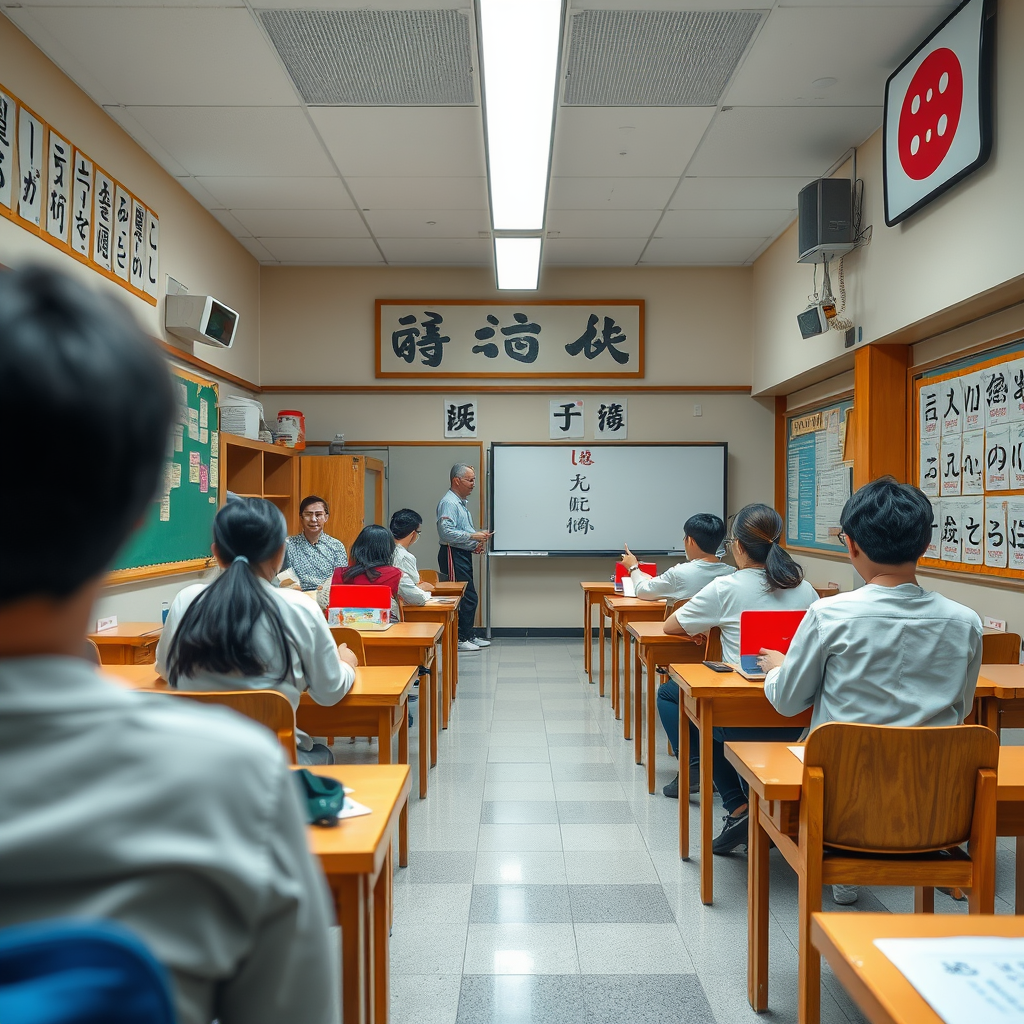
Japanese has three different scripts: Hiragana, Katakana, and Kanji, each serving distinct purposes. Hiragana is primarily used for native Japanese words and grammatical functions, while Katakana is reserved for foreign words and names. Kanji, on the other hand, consists of thousands of characters borrowed from Chinese, each representing a word or concept. Mastering Kanji can be particularly daunting, as it consists of thousands of characters with multiple readings and meanings. For example, the Kanji for “tree” (木) can be pronounced as “ki,” “moku,” or “boku,” depending on the context.
The complexity of these writing systems can be overwhelming, especially for learners who are accustomed to the Latin alphabet. It requires not only memorization of the characters but also an understanding of their usage in different contexts, which can significantly increase the time and effort needed to achieve proficiency.
Unique Grammar Structures
Japanese grammar is significantly different from English, emphasizing a subject-object-verb (SOV) order and context rather than explicit subjects. This structural difference requires English speakers to adjust their thinking patterns when forming sentences. For instance, in English, one would say, “I eat sushi,” while in Japanese, the structure would be, “I sushi eat” (私は寿司を食べます – watashi wa sushi o tabemasu).
Additionally, the concept of politeness in Japanese adds another layer of complexity. Japanese employs various levels of politeness, which can change the form of the verb and the choice of vocabulary based on the social context. For example, there are different ways to say “to do” depending on whether you are speaking to a friend or a superior. This requires learners to be aware of social hierarchies and cultural nuances, making it a more intricate language than English.
Pronunciation and Listening Skills
Japanese has relatively few sounds compared to English, making pronunciation easier for some learners. The language consists of five vowel sounds and a set of consonants that are often pronounced more clearly and consistently than in English. However, pitch accent can change the meaning of words, requiring focused listening practice to grasp nuances. For instance, the word “hashi” can mean “bridge” or “chopsticks” depending on the pitch used when pronouncing it.
To effectively develop listening skills, learners must engage in active listening exercises, such as listening to native speakers and practicing pronunciation through repetition. This can be facilitated through various resources, including podcasts, language apps, and conversation practice with native speakers.
Top 7 Challenges in Learning Japanese (2023)
| # | Challenge | Difficulty Level | Average Study Time (hours) | Success Rate |
|---|---|---|---|---|
| 1 | Kanji Mastery | High | 600 | 25% |
| 2 | Grammar Complexity | High | 500 | 30% |
| 3 | Pronunciation | Medium | 250 | 60% |
| 4 | Listening Skills | High | 300 | 35% |
| 5 | Cultural Nuances | Medium | 200 | 50% |
| 6 | Vocabulary Acquisition | Medium | 400 | 55% |
| 7 | Engagement in Practice | Low | 150 | 75% |
Cultural Context and Language Nuances
Understanding Japanese culture is crucial for effective communication, as language often reflects social norms and values. Japanese is deeply intertwined with cultural practices, and many idioms and expressions are rooted in historical and social contexts. For example, the phrase “the nail that sticks out gets hammered down” (出る釘は打たれる – deru kugi wa utareru) emphasizes the cultural value placed on conformity.
Idiomatic expressions and contextual meanings can be challenging for English speakers who lack cultural exposure. To overcome this barrier, learners are encouraged to engage with Japanese media, such as films, literature, and music, which can provide invaluable insights into the cultural nuances embedded within the language. This exposure facilitates a deeper understanding of the language and enhances conversational fluency.
Learning Resources and Methods
A variety of resources are available, from textbooks to language apps, which cater to different learning styles. Popular textbooks such as “Genki” and “Minna no Nihongo” provide structured learning paths for beginners. Language apps like Duolingo and Anki are also excellent for building vocabulary and practicing grammar in a gamified manner.
Engaging in immersive experiences, such as language exchange or watching Japanese media, can significantly enhance language acquisition. Programs like HelloTalk or Tandem connect learners with native speakers for conversation practice, while platforms like Netflix offer a plethora of Japanese films and series with subtitles, allowing learners to immerse themselves in the language in a natural context.
Time Commitment and Practice
The Foreign Service Institute ranks Japanese as one of the most difficult languages for English speakers, requiring an estimated 2,200 class hours for proficiency. This extensive time commitment highlights the importance of regular practice and consistency in language learning. Engaging with the language daily, whether through speaking, listening, or writing, is essential to overcoming the learning curve.
Language skills improve with time and usage, and setting aside dedicated time for study each week can lead to measurable progress. Utilizing spaced repetition systems (SRS) for vocabulary retention and regular conversation practice can further facilitate the learning process.Tips for Overcoming Challenges
Setting realistic goals and tracking progress can keep motivation high. Breaking down the learning process into manageable milestones, such as mastering a specific number of Kanji characters each week, can help learners stay focused and encouraged.
Utilizing language communities and finding study partners can provide support and encourage accountability. Joining online forums or local language clubs can foster a sense of community and offer opportunities for practice and collaboration.
Embracing the challenges of learning Japanese is a rewarding journey that opens doors to understanding a rich culture and language. By acknowledging the unique aspects of Japanese and employing effective learning strategies, English speakers can make significant progress. Start your journey today by exploring resources and connecting with fellow learners!
Frequently Asked Questions
How hard is it for English speakers to learn Japanese?
Learning Japanese can be challenging for English speakers due to its unique writing systems, including Hiragana, Katakana, and Kanji. The grammatical structure differs significantly from English, and mastery of vocabulary and pronunciation requires consistent practice. However, with dedication and effective resources, many learners can achieve conversational fluency.
What are the biggest challenges English speakers face when learning Japanese?
One of the biggest challenges is the writing system, particularly Kanji, which consists of thousands of characters. Additionally, the differences in sentence structure and the use of honorifics can confuse learners. English speakers may also struggle with listening comprehension due to the language’s pitch accent and fast speech in conversation.
How long does it typically take for an English speaker to learn Japanese?
The time it takes to learn Japanese varies widely depending on the learner’s dedication, study methods, and language background. On average, it may take around 2-3 years of consistent study to reach conversational fluency, while achieving advanced proficiency could take 5-10 years. Regular practice, immersion, and effective learning techniques can significantly speed up this process.
What are the best resources for English speakers to learn Japanese?
Some of the best resources include language learning apps like Duolingo and Anki for vocabulary, online courses such as Rosetta Stone or JapanesePod101, and textbooks like Genki. Additionally, engaging with native speakers through language exchange platforms or practicing with Japanese media like anime or music can enhance the learning experience.
Why is immersion important when learning Japanese as an English speaker?
Immersion is crucial because it allows learners to experience the language in context, improving listening skills and pronunciation. Being surrounded by the language helps reinforce vocabulary and grammar naturally, making it easier to recall and use in conversation. Engaging with native speakers and consuming Japanese media accelerates the learning process and deepens cultural understanding.
References
- Japanese language
https://en.wikipedia.org/wiki/Japanese_language - https://www.bbc.com/news/magazine-26311709
https://www.bbc.com/news/magazine-26311709 - https://www.theguardian.com/education/2018/oct/02/how-hard-is-it-to-learn-japanese
https://www.theguardian.com/education/2018/oct/02/how-hard-is-it-to-learn-japanese - https://www.verywellmind.com/japanese-language-learning-and-the-brain-2794666
https://www.verywellmind.com/japanese-language-learning-and-the-brain-2794666 - https://www.jstor.org/stable/41496535
https://www.jstor.org/stable/41496535 - https://www.sciencedirect.com/science/article/abs/pii/S1877042815008111
https://www.sciencedirect.com/science/article/abs/pii/S1877042815008111 - Google Scholar Google Scholar
https://scholar.google.com/scholar?q=how+hard+is+japanese+to+learn+for+english+speakers - Google Scholar Google Scholar
https://scholar.google.com/scholar?q=japanese+language+learning+challenges - Google Scholar Google Scholar
https://scholar.google.com/scholar?q=language+acquisition+japanese+english+speakers - how hard is japanese to learn for english speakers – Search results
https://en.wikipedia.org/wiki/Special:Search?search=how+hard+is+japanese+to+learn+for+english+speakers
