


Sound is produced by speakers through the conversion of electrical signals into mechanical vibrations, which then create sound waves in the air. This intricate process harnesses the principles of physics and engineering, resulting in the audio experiences we enjoy today. In this article, you’ll learn how this fascinating process works, including the key components of a speaker, the mechanics of sound production, and the technology that enhances audio quality.
The Basic Components of a Speaker
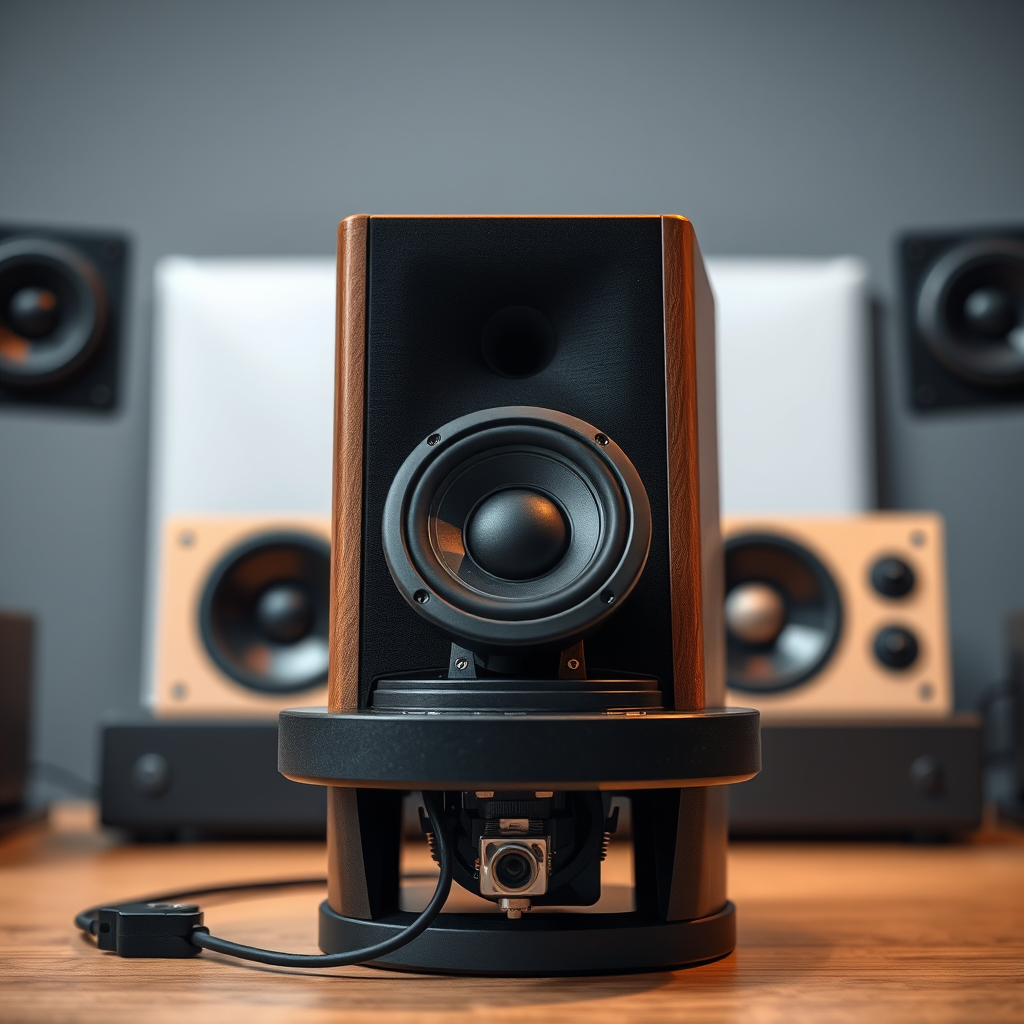
To understand how speakers create sound, it’s essential to recognize the basic components involved. The two primary elements that play a crucial role in sound production are drivers and enclosures.
– Drivers: The heart of a speaker, drivers are responsible for producing sound waves. They typically consist of a diaphragm, voice coil, and magnet. When an electrical audio signal passes through the voice coil, it creates a magnetic field that interacts with the magnet, causing the diaphragm to move. This movement generates the sound waves that travel through the air to our ears.
– Enclosure: The enclosure, or cabinet, houses the drivers and serves to optimize sound output while reducing distortion. A well-designed enclosure can enhance the speaker’s performance by controlling resonance and preventing unwanted vibrations that can muddy the sound. Materials commonly used for enclosures include wood, plastic, and metal, each contributing differently to the audio quality.
How Electrical Signals Are Transformed
The transformation of electrical signals into sound is a complex process that involves detailed signal processing and the use of transducers.
– Signal Processing: Before sound can be produced, audio signals must be amplified and prepared for playback. This involves the use of various electronic components, such as amplifiers and digital signal processors (DSPs), which manipulate the audio signal to enhance clarity and fidelity. Signal processing also includes filtering, equalization, and compression, all of which help to refine the sound output.
– Transducers: Transducers are devices that convert one form of energy into another. In the case of speakers, they convert electrical energy into mechanical movement. The most common type of transducer used in speakers is the dynamic driver, which employs electromagnetic principles to create sound. Other types include electrostatic and planar magnetic transducers, each offering unique sound characteristics.
The Role of Vibrations in Sound Production
Vibrations are fundamental to the sound production process, as they create pressure waves in the air.
– Diaphragm Movement: The diaphragm is a thin membrane that vibrates to produce sound. When the diaphragm moves back and forth, it compresses and rarefies the air in front of it, creating sound waves. The speed and extent of these vibrations determine the frequency and amplitude of the sound produced.
– Frequency and Amplitude: Frequency refers to the pitch of the sound, while amplitude relates to its volume. Higher frequencies produce higher pitches, while lower frequencies produce lower pitches. Amplitude, on the other hand, determines how loud or soft the sound is. A greater diaphragm movement results in higher amplitude, leading to a louder sound. Understanding these concepts is crucial for audio engineers and enthusiasts alike, as they can manipulate frequency and amplitude to achieve the desired sound quality.
Top 7 Speaker Types by Sound Quality Characteristics (2024)
| # | Speaker Type | Frequency Response (Hz) | Sensitivity (dB) | Best For |
|---|---|---|---|---|
| 1 | Dynamic | 20 – 20,000 | 85 – 95 | General Use |
| 2 | Electrostatic | 20 – 30,000 | 85 – 90 | Critical Listening |
| 3 | Planar Magnetic | 10 – 40,000 | 88 – 92 | Studio Monitoring |
| 4 | Subwoofer | 20 – 200 | 80 – 85 | Bass Heavy Music |
| 5 | Bookshelf | 50 – 20,000 | 85 – 90 | Home Audio |
| 6 | Floorstanding | 30 – 20,000 | 90 – 95 | Home Theater |
| 7 | Portable | 100 – 20,000 | 75 – 85 | On-the-go Listening |
Speaker Types and Their Sound Creation Mechanisms
Different types of speakers utilize distinct mechanisms to create sound, which can significantly affect audio quality and performance.
– Dynamic Speakers: These are the most common type and rely on electromagnetic principles. When an electrical audio signal flows through the voice coil, it generates a magnetic field that interacts with a permanent magnet, causing the diaphragm to move. This simple yet effective mechanism allows dynamic speakers to cover a wide frequency range, making them versatile for various applications.
– Electrostatic Speakers: Unlike dynamic speakers, electrostatic models use electrical fields to move a thin diaphragm suspended between two charged plates. This design allows for exceptional clarity and detail in sound reproduction, particularly in high frequencies. However, they often require specialized amplification and can be more expensive, making them less common for general consumer use.
Innovations in Speaker Technology
Recent advancements in speaker technology have revolutionized the audio experience, making it more accessible and versatile.
– Wireless Technology: The advent of Bluetooth and Wi-Fi has transformed speaker design and usage. Wireless speakers eliminate the need for cumbersome wires, allowing for a cleaner setup and greater portability. This technology also enables features like multi-room audio, where users can synchronize multiple wireless speakers throughout their home.
– Smart Speakers: The integration of artificial intelligence (AI) and voice recognition into speakers has created a new category of audio devices. Smart speakers, such as Amazon Echo and Google Nest, not only play music but also serve as home automation hubs. This feature enhances user experience by allowing voice control over various devices and access to information through virtual assistants.
Common Issues Affecting Sound Quality
Several factors can influence the sound quality of speakers, leading to less than optimal audio experiences.
– Distortion: Distortion occurs when the sound signal is altered, resulting in an unpleasant audio experience. Common causes include overdriving the amplifier, poor-quality recordings, and speaker misalignment. To minimize distortion, it’s crucial to use quality audio sources, properly set volume levels, and ensure speakers are correctly installed.
– Room Acoustics: The environment in which speakers are placed can significantly affect sound clarity. Factors such as wall materials, furnishings, and room shape can cause sound waves to reflect or absorb, leading to uneven audio distribution. Understanding room acoustics can help users make informed decisions about speaker placement and room treatments, ensuring a balanced listening experience.
Maintaining and Optimizing Speakers
Proper maintenance and positioning of speakers can greatly enhance their performance and longevity.
– Regular Maintenance: Cleaning speakers regularly helps maintain their aesthetic appeal and performance. Dust and debris can accumulate on drivers and grilles, affecting sound quality. Using a soft, dry cloth to wipe down surfaces and occasionally inspecting cables for wear and tear can prevent long-term damage.
– Positioning: The placement of speakers is critical for achieving optimal sound quality. Speakers should be positioned at ear level and spaced appropriately to create a balanced stereo image. Avoid placing them too close to walls or corners, as this can lead to unwanted bass buildup and muddiness in sound. Experimenting with positioning can help users find the ideal setup for their specific environment.
Summarizing the mechanics behind how speakers create sound reveals a complex interplay of technology and physics. By understanding these principles, you can better appreciate audio equipment and make informed decisions when purchasing speakers. Explore the world of sound further by experimenting with different speaker types and settings!
Frequently Asked Questions
How do speakers convert electrical signals into sound?
Speakers convert electrical signals into sound through a process called transduction. When an audio signal is sent to the speaker, it passes through a voice coil, which generates a magnetic field that interacts with a magnet. This interaction causes the speaker cone to vibrate, pushing air and creating sound waves that we hear as music or speech.
What are the main components of a speaker that produce sound?
The main components of a speaker include the diaphragm (or cone), voice coil, magnet, and frame. The diaphragm is the part that moves to create sound waves, while the voice coil, situated within the magnetic field, converts electrical energy into mechanical energy, causing the diaphragm to vibrate and produce sound.
Why do different types of speakers sound different?
Different types of speakers sound different due to variations in design, materials, and construction. Factors such as the size of the driver, the shape of the cone, and the enclosure type all influence sound quality. Additionally, the frequency response and sensitivity of the speaker determine how well it reproduces certain sound ranges, leading to diverse audio experiences.
Which speaker type is best for home use: bookshelf or floor-standing?
The best speaker type for home use depends on your space and audio preferences. Bookshelf speakers are compact and ideal for smaller rooms, offering clear sound without taking up much space. Floor-standing speakers, on the other hand, provide a fuller sound with deeper bass and are better suited for larger spaces or dedicated home theater setups.
How can I improve the sound quality of my speakers?
To improve the sound quality of your speakers, start by positioning them correctly, ensuring they are at ear level and away from walls to reduce unwanted reflections. Additionally, consider upgrading to higher quality speaker cables or using acoustic treatments in your room to minimize sound distortion. Regularly cleaning the speaker components can also help maintain optimal performance.
References
- Sound
https://en.wikipedia.org/wiki/Sound - https://www.sciencedirect.com/topics/engineering/speaker
https://www.sciencedirect.com/topics/engineering/speaker - https://pubmed.ncbi.nlm.nih.gov/26786975/
https://pubmed.ncbi.nlm.nih.gov/26786975/ - https://www.nature.com/articles/s41598-020-67879-4
https://www.nature.com/articles/s41598-020-67879-4 - https://www.britannica.com/science/sound
https://www.britannica.com/science/sound - https://www.nytimes.com/2020/06/02/science/sound-waves.html
https://www.nytimes.com/2020/06/02/science/sound-waves.html - Page Not Found – Site Help – Mayo Clinic
https://www.mayoclinic.org/tests-procedures/audiology/expert-answers/how-does-a-speaker-work/faq-20057750 - Google Scholar Google Scholar
https://scholar.google.com/scholar?q=how+do+speakers+make+sound - Google Scholar Google Scholar
https://scholar.google.com/scholar?q=sound+production+in+speakers - https://scholar.google.com/scholar?q=speaker+technology+and+sound+waves Google Scholar
https://scholar.google.com/scholar?q=speaker+technology+and+sound+waves
