


English is spoken by approximately 1.5 billion people worldwide, making it one of the most widely spoken languages. This staggering number includes both native and non-native speakers, reflecting the language’s pivotal role in global communication, commerce, and culture. In this article, we will explore the distribution of English speakers globally, the factors influencing English language acquisition, and the implications of its widespread use.
Global Distribution of English Speakers
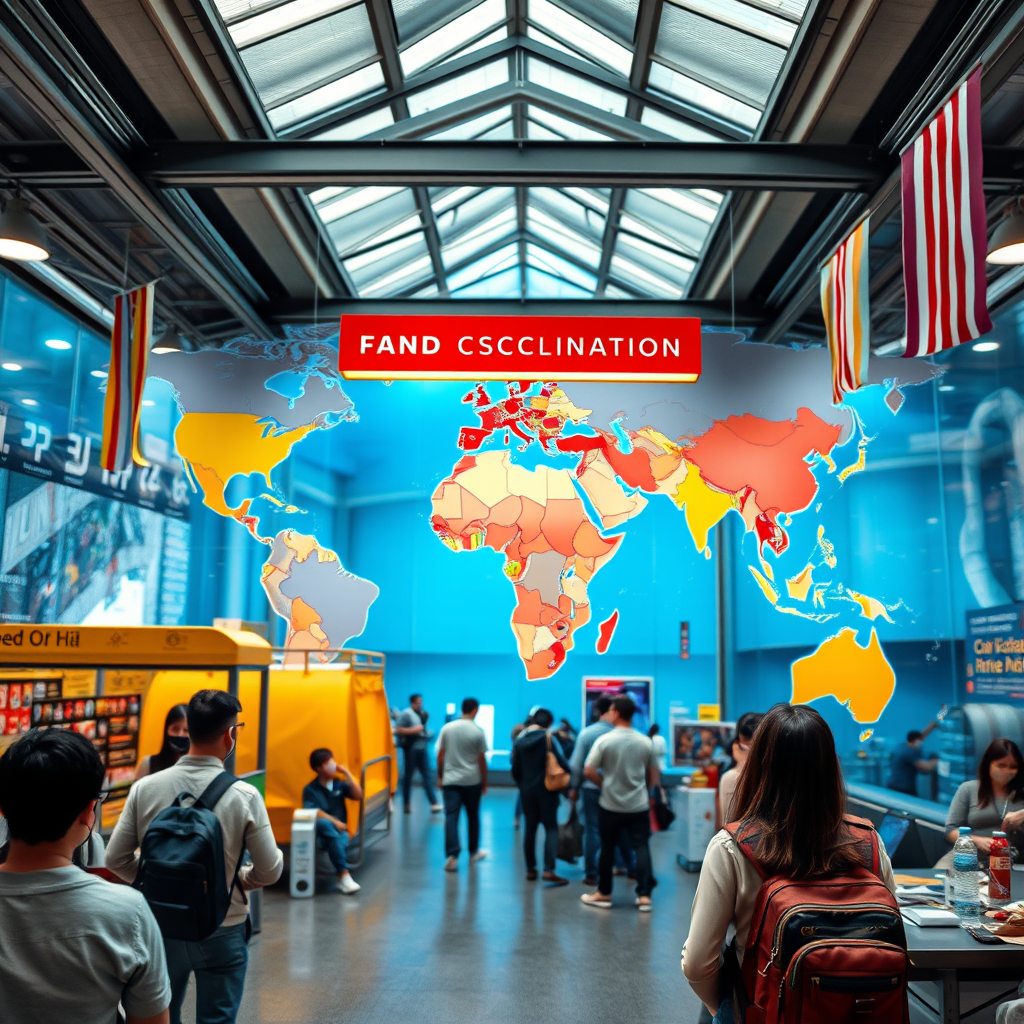
English is the primary language in several countries, notably the United States, the United Kingdom, Canada, Australia, and New Zealand. In these countries, English serves not only as the official language but also as a cornerstone of national identity and culture. However, significant populations of English speakers also thrive in regions where English is an official or secondary language. Countries such as India, Nigeria, and the Philippines have large numbers of English speakers due to historical influences, educational systems, and ongoing globalization.
In India, for instance, English serves as an associate official language and is widely used in business, education, and government. With over 125 million English speakers, India represents one of the largest populations of English speakers outside of native-speaking countries. Similarly, Nigeria boasts a population of around 79 million English speakers, making it the most populous English-speaking country in Africa. The Philippines, with approximately 92 million English speakers, showcases English’s role in education and popular media.
This global distribution underscores the significance of English as a tool for international communication and highlights the diverse contexts in which the language is utilized.
Native vs. Non-Native Speakers
Of the estimated 1.5 billion English speakers worldwide, approximately 375 million people speak English as their first language. This includes individuals from native-speaking countries such as the U.S., U.K., Canada, and Australia. The majority, however, are non-native speakers, with countries like China, Indonesia, and Nigeria contributing substantially to this population.
Non-native speakers often learn English as a second language, motivated by various factors, including employment opportunities, education, and access to global media. For instance, China has witnessed a significant rise in English learners, with over 300 million people currently studying the language. This trend is largely driven by China’s economic ambitions and the necessity for its workforce to engage in international markets.
While native speakers often have a deeper understanding of cultural nuances and idiomatic expressions, non-native speakers bring unique perspectives and adaptability, enriching the global discourse in English.
Growth Trends in English Language Speakers
The number of English speakers is expected to continue its upward trajectory, primarily due to globalization and increased access to education. As economies become more interconnected, the demand for English proficiency grows, leading to its adoption in various sectors, including business and technology.
Technological advancements play a crucial role in this growth. Online learning platforms like Duolingo, Babbel, and Rosetta Stone have made English more accessible to millions around the globe. These platforms leverage interactive learning methods and gamification to enhance engagement and retention. Additionally, the proliferation of English-language media, including films, television shows, and social media content, further encourages individuals to learn the language.According to recent studies, the global English language learning market is projected to grow from $52 billion in 2021 to $96 billion by 2026, indicating a robust interest in acquiring English skills across diverse demographics.
English Language Learners by Region (2024)
| # | Region | Estimated Learners (millions) | Growth Rate (%) |
|---|---|---|---|
| 1 | Asia | 600 | +7.5% |
| 2 | Europe | 200 | +3.2% |
| 3 | Africa | 150 | +4.8% |
| 4 | North America | 50 | -0.5% |
| 5 | South America | 60 | +6.1% |
| 6 | Oceania | 30 | +3.5% |
| 7 | Middle East | 70 | +5.4% |
English as a Lingua Franca
English has emerged as a lingua franca, serving as a common language in international business, diplomacy, and travel. This phenomenon facilitates communication among speakers of different native languages, enabling collaboration and exchange in an increasingly interconnected world.
In the realm of business, English is often the default language for multinational corporations. Meetings, reports, and negotiations frequently occur in English, regardless of the participants’ native tongues. This trend is evident in industries ranging from technology to finance, where English proficiency can significantly enhance career prospects and marketability.
Furthermore, English’s dominance in global media and entertainment, including films, music, and online content, has played a crucial role in shaping cultural perceptions and learning motivations. As individuals consume English-language media, they not only enhance their language skills but also gain insights into diverse cultures, fostering a global community.
Factors Influencing English Language Learning
Several factors contribute to the growing interest in learning English across the globe. Education systems in many countries increasingly recognize the importance of English proficiency and incorporate it as a mandatory subject in school curricula. This ensures that younger generations are equipped with the language skills necessary for success in a globalized world.
Additionally, cultural exposure through media, travel, and the internet significantly encourages people to learn English. Social media platforms, such as Instagram and TikTok, allow for the sharing of content in English, making it more appealing to younger audiences. Travel opportunities also expose individuals to English-speaking environments, further motivating them to acquire the language.
Countries that prioritize English language education often see economic benefits as well. For example, nations like Singapore and the Netherlands have embraced English as a second language, contributing to their strong positions in global markets.
Challenges for English Learners
Despite the growing number of English learners, many face challenges that can hinder their language acquisition. One significant obstacle is the understanding of idiomatic expressions and diverse accents. English is known for its vast array of regional dialects and colloquialisms, which can create confusion for non-native speakers.
Additionally, access to quality education and resources can vary significantly by region. In some countries, educational institutions may lack the trained teachers or materials necessary for effective English instruction. This disparity often leads to varying proficiency levels and can limit opportunities for individuals in less privileged areas.
Furthermore, the pressure to achieve fluency can sometimes lead to anxiety and discouragement among learners. Addressing these challenges requires dedicated efforts from educational systems, governments, and communities to create supportive learning environments.
Future of English Language Proficiency
Looking ahead, the future of English language proficiency appears promising, yet disparities will persist based on geography, socio-economic status, and educational resources. While proficiency levels are expected to rise globally, particularly in developing countries, access to quality education remains a critical factor.
The role of English in the future will likely evolve, influenced by emerging global languages and changing societal dynamics. As countries like China and India continue to assert their influence on the world stage, the linguistic landscape may shift.
Moreover, the increasing use of technology in language learning suggests that innovative tools, such as artificial intelligence and virtual reality, will play a significant role in shaping how English is taught and learned. These advancements could democratize access to high-quality language education, fostering a more inclusive global community.
The number of English speakers continues to grow, reflecting its global significance and impact. Understanding the dynamics of English as a language can help us appreciate its role in a connected world. For those interested in enhancing their English skills, consider enrolling in courses or engaging with English-speaking communities to practice and improve. Embracing this language not only opens doors to personal and professional opportunities but also fosters greater understanding and collaboration across cultures.
Frequently Asked Questions
How many English speakers are there in the world today?
As of 2023, there are approximately 1.5 billion English speakers worldwide. This number includes both native speakers, estimated at around 375 million, and non-native speakers who use English as a second language, making it one of the most widely spoken languages globally.
Why is English considered a global language?
English is considered a global language due to its widespread use in international business, diplomacy, and the internet. Its role as the primary or secondary language in many countries facilitates communication across diverse cultures, making it essential for global interactions.
Which countries have the highest number of English speakers?
The United States, India, and the United Kingdom have the highest number of English speakers. In India, English serves as an associate official language and is widely used in education and business, contributing to the country’s large population of English speakers.
What percentage of the world’s population speaks English?
Approximately 20% of the world’s population speaks English, which translates to about 1 in 5 people globally. This percentage highlights the significance of English in fostering communication and understanding across different nations and cultures.
How has the number of English speakers changed over the past decades?
The number of English speakers has significantly increased over the past few decades, primarily due to globalization and the rise of the internet. As more people learn English for educational and professional opportunities, the language continues to grow in popularity and usage worldwide.
References
- English language
https://en.wikipedia.org/wiki/English_language - English language | Origin, History, Development, Characteristics, & Facts | Britannica
https://www.britannica.com/topic/English-language - Spotlighting The World Factbook as We Bid a Fond Farewell – CIA
https://www.cia.gov/the-world-factbook/countries/english-speaking-world/ - https://www.statista.com/statistics/982258/number-of-english-speakers-worldwide/
https://www.statista.com/statistics/982258/number-of-english-speakers-worldwide/ - https://www.bbc.com/news/world-45487080
https://www.bbc.com/news/world-45487080 - https://www.nature.com/articles/s41599-018-0212-8
https://www.nature.com/articles/s41599-018-0212-8 - Google Scholar Google Scholar
https://scholar.google.com/scholar?q=how+many+english+speakers+in+the+world - Google Scholar Google Scholar
https://scholar.google.com/scholar?q=global+english+speaking+population - Google Scholar Google Scholar
https://scholar.google.com/scholar?q=English+language+speakers+statistics - how many english speakers in the world – Search results
https://en.wikipedia.org/wiki/Special:Search?search=how+many+english+speakers+in+the+world
