


The United States has had 54 different individuals serve as Speaker of the House of Representatives since the position was established in 1789. This role is crucial in shaping legislative agendas and leading the House, making it one of the most powerful positions in American politics. In this article, we will explore the history of the role, the current Speaker, and the significance of this position in the U.S. government, highlighting how it has evolved over the years.
Overview of the Speaker of the House
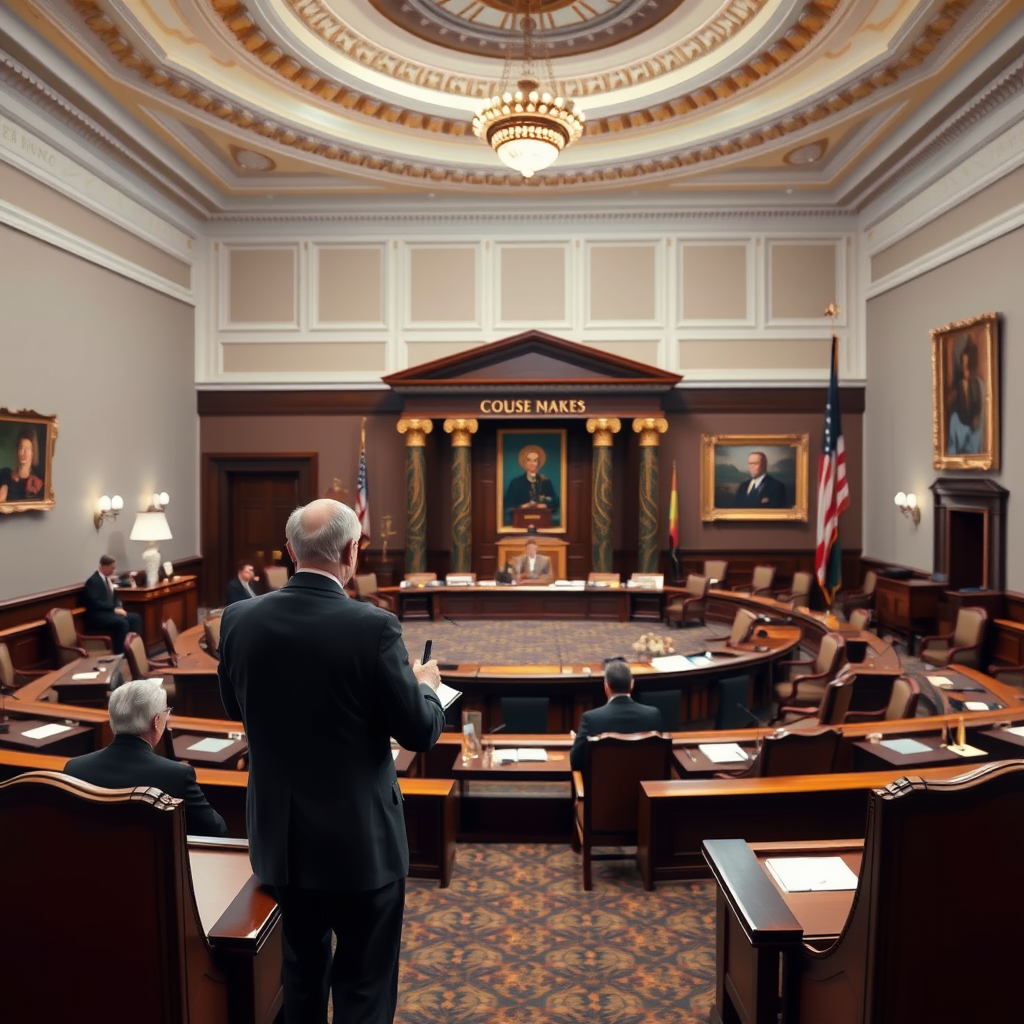
The Speaker of the House of Representatives is the presiding officer and the leader of the House, elected by its members. This individual is responsible for maintaining order during debates, deciding who may speak, and ensuring that the House’s rules and procedures are followed. The Speaker also plays a key role in legislative processes by guiding bills through the House, influencing the legislative agenda, and representing the House in all official matters.
The importance of the Speaker extends beyond procedural duties. As the leader of the majority party in the House, the Speaker often serves as a central figure in party strategy and policymaking. This role enables the Speaker to shape not only legislative outcomes but also the overall direction of the party, making it a pivotal position in U.S. governance.
Historical Context
The Speakership has a rich history dating back to the formation of the United States government in 1789. The first Speaker was Frederick Muhlenberg, who served from 1789 to 1791. Over the centuries, notable Speakers have left their mark on U.S. legislation. For instance, Newt Gingrich, who served from 1995 to 1999, is credited with leading the Republican Revolution, which reshaped American politics in the 1990s. Similarly, Nancy Pelosi, who has served multiple terms, has been influential in passing significant legislation, including the Affordable Care Act.
Throughout history, the Speakership has adapted to the changing political landscape, reflecting the evolving needs and priorities of the American populace. Each Speaker has brought their unique perspective and leadership style, impacting everything from party politics to major legislative initiatives.
Current Speaker of the House
The current Speaker of the House is Mike Johnson, a Republican from Louisiana, who took office on October 25, 2023. Johnson, a member of the House since 2016, previously served as the Republican Conference Chair and has been involved in various legislative efforts focusing on issues such as tax reform and social policy.
Under his leadership, key initiatives include advancing conservative fiscal policies and addressing immigration reform. Johnson’s approach emphasizes collaboration within the party to unite different factions and drive legislative priorities forward, reflecting the challenges of leading a diverse caucus.
Notable Speakers of the House (1789-2023)
| # | Speaker | Term | Party | Key Legislation |
|---|---|---|---|---|
| 1 | Frederick Muhlenberg | 1789-1791 | Federalist | None |
| 2 | Newt Gingrich | 1995-1999 | Republican | Contract with America |
| 3 | Nancy Pelosi | 2007-2011, 2019-2023 | Democrat | Affordable Care Act |
| 4 | John Boehner | 2011-2015 | Republican | Bipartisan Budget Act |
| 5 | Paul Ryan | 2015-2019 | Republican | Tax Cuts and Jobs Act |
| 6 | Kevin McCarthy | 2023 | Republican | Ongoing Budget Negotiations |
| 7 | Mike Johnson | 2023-Present | Republican | Tax Reform, Immigration |
How Speakers are Chosen
The election of the Speaker of the House occurs at the beginning of each new Congress, which convenes every two years. Members of the House nominate candidates, usually from their respective parties, and the full House votes on the nominees. A candidate must receive a majority of the votes cast to be elected Speaker.
Factors influencing the selection of the Speaker often include party loyalty, leadership experience, and the ability to unite different factions within the party. In recent years, the political landscape has seen increasing polarization, which adds complexity to the selection process. The Speaker not only serves as the leader of the House but also as a representative of their party’s interests, making the election a critical moment in defining the legislative agenda.
Changes Over Time
The responsibilities and powers of the Speaker have evolved significantly since the position was first established. Initially, the Speaker’s role was largely procedural, focused on maintaining order and facilitating debates. However, as the legislative process became more complex and politically charged, the Speaker’s influence grew, allowing them to play a more active role in shaping policy and strategy.
In recent decades, the role has also been shaped by changes in the political party system. The rise of partisan politics has led to Speakers often being more closely aligned with their party’s base, impacting their ability to negotiate across party lines. This shift has resulted in more polarized legislative environments, making the Speaker’s role both more powerful and more contentious.
Future of the Speakership
As the political landscape continues to evolve, the role of the Speaker may undergo further transformations. Potential shifts could arise from changes in party dynamics, voter preferences, and emerging political movements. For instance, if third-party candidates gain traction, the traditional two-party system may be challenged, leading to a redefinition of the Speaker’s responsibilities.
Moreover, increasing public engagement and activism may push future Speakers to prioritize transparency and accountability in the legislative process. Predictions suggest that future Speakers will need to navigate a more complex political terrain, balancing party loyalty with the demands of a diverse electorate, ultimately shaping the future of American governance.
The Speaker of the House plays a pivotal role in American governance, influencing both legislation and party strategy. Understanding how many house speakers there have been and their evolution provides valuable insight into the U.S. political system. If you want to learn more about the significance of this role, consider exploring additional resources or following current events related to Congress.
Frequently Asked Questions
How many different types of house speakers are available on the market?
There are several types of house speakers available, including bookshelf speakers, floor-standing speakers, satellite speakers, and in-wall speakers. Each type serves different purposes and fits various room sizes and acoustics, allowing consumers to choose based on their specific audio needs and home setup.
What are the best house speakers for a home theater system?
The best house speakers for a home theater system typically include a combination of floor-standing speakers for the front, bookshelf speakers for surround sound, and a subwoofer for deep bass. Popular brands like Klipsch, Bose, and Sonos offer high-quality options that enhance the cinematic experience, providing clear dialogue and immersive sound effects.
Why do the number of house speakers matter for sound quality?
The number of house speakers significantly impacts sound quality because it affects how sound is distributed throughout a room. More speakers can create a more immersive and balanced audio experience, reducing dead spots and ensuring that sound reaches every corner of the space, leading to a better overall listening experience.
How can I determine the right number of house speakers for my space?
To determine the right number of house speakers for your space, consider the room size, layout, and intended use. For smaller rooms, a pair of bookshelf speakers might suffice, while larger spaces may require multiple floor-standing and surround speakers to achieve optimal sound coverage and depth.
Which brands offer the most reliable house speakers?
Brands like JBL, Bose, Sonos, and Klipsch are known for producing reliable house speakers that deliver excellent sound quality and durability. When choosing speakers, it’s important to consider customer reviews, warranty options, and the specific audio features that align with your listening preferences.
References
- Speaker of the United States House of Representatives
https://en.wikipedia.org/wiki/Speaker_of_the_United_States_House_of_Representatives - https://www.congress.gov/house-leadership
https://www.congress.gov/house-leadership - https://www.archives.gov/electoral-college/house-speakers
https://www.archives.gov/electoral-college/house-speakers - https://www.bbc.com/news/world-us-canada-64293250
https://www.bbc.com/news/world-us-canada-64293250 - https://www.nytimes.com/2023/01/07/us/politics/house-speaker.html
https://www.nytimes.com/2023/01/07/us/politics/house-speaker.html - https://www.reuters.com/politics/us-house-speaker-voting-2023-01-07/
https://www.reuters.com/politics/us-house-speaker-voting-2023-01-07/ - https://www.theguardian.com/us-news/2023/jan/07/house-speaker-vote-us-congress
https://www.theguardian.com/us-news/2023/jan/07/house-speaker-vote-us-congress - Google Scholar Google Scholar
https://scholar.google.com/scholar?q=house+speakers+history - Google Scholar Google Scholar
https://scholar.google.com/scholar?q=role+of+house+speaker - Google Scholar Google Scholar
https://scholar.google.com/scholar?q=number+of+house+speakers+in+US
