


The United States has had 54 different Speakers of the House since its inception in 1789. This article will explore the history, notable figures, and the evolution of the role, providing a comprehensive overview of the Speakers who have shaped legislative leadership in the U.S. The Speakership, a pivotal role in American governance, has seen significant developments and changes in its responsibilities, reflecting the shifting political landscape over more than two centuries.
A Brief History of the House Speakership
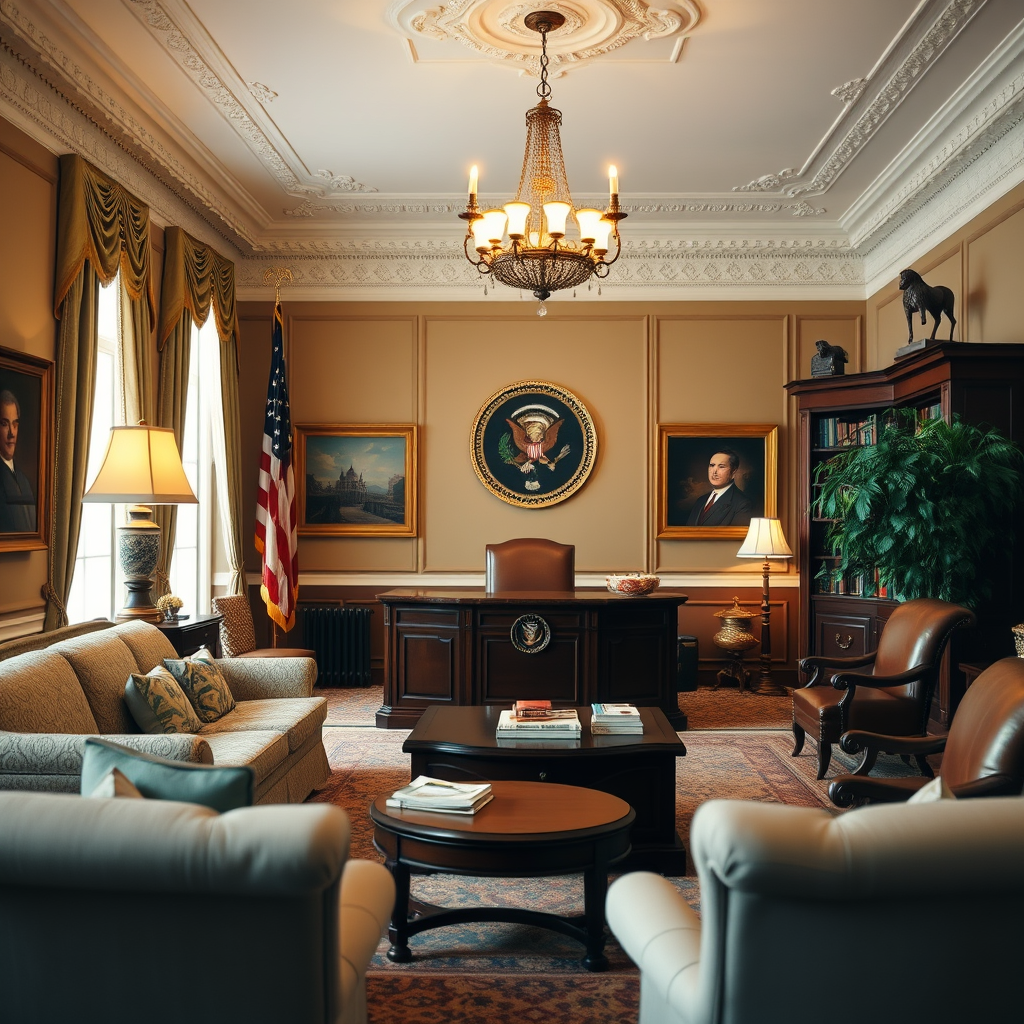
The position of Speaker of the House was established by the U.S. Constitution in 1789, aimed at providing leadership and order within the legislative body. The first Speaker, Frederick Muhlenberg, was elected on April 1, 1789, and set a precedent for those who would follow. Initially, the role was primarily focused on maintaining decorum during debates and facilitating communication among members. However, as the House grew in size and complexity, the Speaker’s responsibilities expanded significantly.
Throughout history, Speakers have played critical roles in shaping legislation and guiding their parties. They are not only leaders within the House but also serve as key representatives of the legislative branch in interactions with the executive branch and the public. Over time, the Speakership has evolved from a relatively modest position to one of considerable influence, requiring a balance of parliamentary skills, strategic acumen, and political savvy.
Notable Speakers Throughout History
Several Speakers have left a lasting impact on American politics, shaping both the legislative agenda and the dynamics of party politics.
– Newt Gingrich (1995-1999): A pivotal figure during the Republican Revolution, Gingrich’s tenure was marked by the implementation of the “Contract with America,” a platform that significantly reshaped the Republican Party and its legislative priorities. His leadership style and aggressive approach to governance energized the party base and led to substantial changes in the legislative process.
– Nancy Pelosi (2007-2011, 2019-2023): Pelosi made history as the first female Speaker of the House, initially serving from 2007 to 2011 and returning to the role in 2019. Her leadership has been characterized by a focus on healthcare reform, economic recovery initiatives, and a strong stance against the Trump administration. Pelosi’s ability to navigate complex political landscapes and maintain party unity has been a hallmark of her tenure.
– Sam Rayburn (1940-1961): The longest-serving Speaker in history, Rayburn held the position for over 17 years. His tenure was marked by an unwavering commitment to bipartisanship and legislative effectiveness, helping to pass landmark legislation, including the Social Security Act and the G.I. Bill.
These individuals exemplify the diverse backgrounds and leadership styles that have defined the Speakership, each contributing uniquely to the evolution of American governance.
The Role and Responsibilities of the Speaker
The Speaker of the House presides over sessions and ensures order during debates, making the role one of significant authority and responsibility. Key responsibilities include:
– Presiding Over House Sessions: The Speaker maintains order during discussions, ensuring that debates adhere to legislative procedures and rules.
– Setting the Legislative Agenda: The Speaker plays a crucial role in determining which bills come to the floor for debate and vote, thereby influencing the legislative priorities of the House.
– Party Leadership: As the leader of the majority party, the Speaker is responsible for rallying party members around key initiatives and negotiating with opposition members to achieve legislative goals.
– Representation: The Speaker serves as a key representative of the House in interactions with the President and the Senate, playing a vital role in shaping national policy.
– Crisis Management: The Speaker often acts as a mediator during times of political strife, working to maintain party unity and address conflicts that may arise within the House or between party factions.
These responsibilities underscore the Speaker’s central role in navigating the complexities of American legislative processes and ensuring effective governance.
Speakers of the House: Tenure and Impact
| # | Speaker | Years Served | Major Legislation | Influence Rating |
|---|---|---|---|---|
| 1 | Newt Gingrich | 1995-1999 | Welfare Reform | ★★★★☆ |
| 2 | Nancy Pelosi | 2007-2011, 2019-2023 | Affordable Care Act | ★★★★★ |
| 3 | Sam Rayburn | 1940-1961 | Social Security Act | ★★★★★ |
| 4 | John Boehner | 2011-2015 | Budget Control Act | ★★★☆☆ |
| 5 | Paul Ryan | 2015-2019 | Tax Cuts and Jobs Act | ★★★★☆ |
| 6 | Tip O’Neill | 1977-1987 | Tax Reform Act | ★★★★☆ |
| 7 | Dennis Hastert | 1999-2007 | Medicare Modernization Act | ★★★☆☆ |
Changes in the Speakership Over Time
The Speakership has undergone significant changes reflecting broader shifts in political dynamics, party control, and public expectations. Early Speakers operated in a House that was less partisan, focusing on legislative procedure and decorum. However, as the political landscape became more polarized, the role evolved into that of a partisan leader, often requiring the Speaker to navigate complex intra-party dynamics and external pressures.
In recent decades, the Speakership has also attracted increased media attention and public scrutiny. With the rise of social media and 24-hour news cycles, Speakers are now expected to not only govern but also communicate effectively with the public. This evolution has placed additional emphasis on their ability to articulate party messaging and respond to real-time political challenges.
Furthermore, the rise of grassroots movements and activist groups has changed how Speakers engage with constituents, adding layers to their responsibilities in representing the electorate. These changes highlight the adaptability required of modern Speakers in a rapidly changing political environment.
The Election Process for Speaker
The Speaker is elected by the majority party in the House following each election, and this process is a critical aspect of the legislative cycle. Typically occurring on the first day of a new Congress, this election follows the swearing-in of members.
The process is governed by party rules, with candidates often selected during party caucuses. The majority party usually rallies behind a single candidate, although divisions can arise, leading to contested elections. In instances where the majority party fails to unite, the election can be contentious, reflecting broader party divisions.
Once elected, the Speaker serves a two-year term, coinciding with the House’s electoral cycle. However, their influence can extend beyond this period, particularly if they successfully guide significant legislation or effectively manage party dynamics.
Recent Trends in the Speakership
Recent trends in the Speakership reveal the profound impact of partisan divisions on the role. The increasing polarization of American politics has led to challenges regarding party unity and legislative effectiveness. Speakers find themselves navigating a landscape where ideological factions within their parties can complicate consensus-building.
In addition, recent Speakers have faced significant challenges related to legislative gridlock, particularly in the context of divided government, where the presidency and Congress are controlled by different parties. This environment has often resulted in a struggle to advance legislative priorities, highlighting the need for Speakers to be adept negotiators and consensus-builders.
Moreover, the influence of social media and public opinion has transformed how Speakers approach their roles. The need to maintain public support while managing intra-party dissent has become a delicate balancing act, impacting both their leadership style and legislative strategy.
Fun Facts About the Speakers of the House
The history of the Speakership is rich with interesting anecdotes and facts:
– The longest-serving Speaker was Sam Rayburn, who held the position for over 17 years, demonstrating a commitment to legislative governance that influenced generations.
– The Speaker’s gavel, a symbol of authority in the House, has historical significance, with many being crafted from unique materials and presented to notable Speakers during their terms.
– There have been two Speakers who have served non-consecutive terms: Nancy Pelosi and Newt Gingrich, showcasing the dynamic nature of party leadership.
– The role has seen over 30 women serve as Representatives in the House, highlighting the increasing representation of women in U.S. politics.
The United States has seen a diverse range of individuals in the role of Speaker of the House, each contributing uniquely to the legislative process. Understanding the history, responsibilities, and evolution of this crucial position offers insight into American governance. The Speakership is not just a title; it embodies the complexities of leadership, representation, and the continuous struggle for legislative effectiveness in a democracy. For more information on specific Speakers and their legacies, explore additional resources or visit the House of Representatives’ official website.
Frequently Asked Questions
How many speakers of the House of Representatives have there been in U.S. history?
As of October 2023, there have been 56 individuals who have served as Speaker of the House of Representatives since its establishment in 1789. The position has evolved significantly over the years, reflecting changes in the political landscape and governance of the United States.
Who was the first Speaker of the House, and how long did they serve?
The first Speaker of the House was Frederick Muhlenberg, who served from April 1789 to March 1791. His leadership laid the groundwork for the role and responsibilities of the Speaker, which have since become integral to the legislative process.
What are the responsibilities of the Speaker of the House?
The Speaker of the House is responsible for presiding over House sessions, guiding legislative priorities, and representing the House in official capacities. Additionally, the Speaker plays a crucial role in party leadership, managing debates, and ensuring orderly conduct during sessions.
Why is the Speaker of the House considered a powerful position in U.S. politics?
The Speaker of the House is regarded as one of the most powerful positions in U.S. politics due to their ability to influence legislation, control the agenda, and represent the majority party’s interests. This authority allows the Speaker to shape national policy and has a significant impact on the legislative process.
Which Speaker of the House served the longest term, and what were the years of their service?
The Speaker who served the longest term was Sam Rayburn, who held the position for over 17 years across three non-consecutive terms from 1940 to 1961. His extensive tenure allowed him to greatly influence key legislation and establish a lasting legacy in American politics.
References
- Speaker of the United States House of Representatives
https://en.wikipedia.org/wiki/Speaker_of_the_United_States_House_of_Representatives - https://www.congress.gov/biography/search?q=%7B%22memberType%22%3A%22Speaker%22%7D
https://www.congress.gov/biography/search?q=%7B%22memberType%22%3A%22Speaker%22%7D - https://www.history.com/topics/us-government/speaker-of-the-house
https://www.history.com/topics/us-government/speaker-of-the-house - The Constitution: Amendments 11-27 | National Archives
https://www.archives.gov/founding-docs/amendments-11-27 - Google Scholar Google Scholar
https://scholar.google.com/scholar?q=speaker+of+the+house+history - Google Scholar Google Scholar
https://scholar.google.com/scholar?q=United+States+House+of+Representatives+speakers - https://www.bbc.com/news/world-us-canada-42118176
https://www.bbc.com/news/world-us-canada-42118176 - Page Not Found | GovInfo
https://www.govinfo.gov/content/pkg/GOVPUB-HEARTH-9d36b0fe7e9c3c8e3e7c4c9e3a557f42/pdf/GOVPUB-HEARTH-9d36b0fe7e9c3c8e3e7c4c9e3a557f42.pdf - https://www.britannica.com/topic/Speaker-of-the-House-of-Representatives
https://www.britannica.com/topic/Speaker-of-the-House-of-Representatives - Google Scholar Google Scholar
https://scholar.google.com/scholar?q=how+many+speakers+of+the+house+have+there+been
