

Choosing the best 7.1.2 home theater system requires careful consideration of your space, sound preferences, and budget. This configuration, which includes seven speakers, one subwoofer, and two overhead speakers, is designed to deliver an immersive audio experience, making it essential to focus on system compatibility, speaker quality, and additional features that enhance viewing enjoyment. This guide will navigate you through crucial considerations to help you select the ideal setup for your home theater.
Understanding the 7.1.2 Configuration
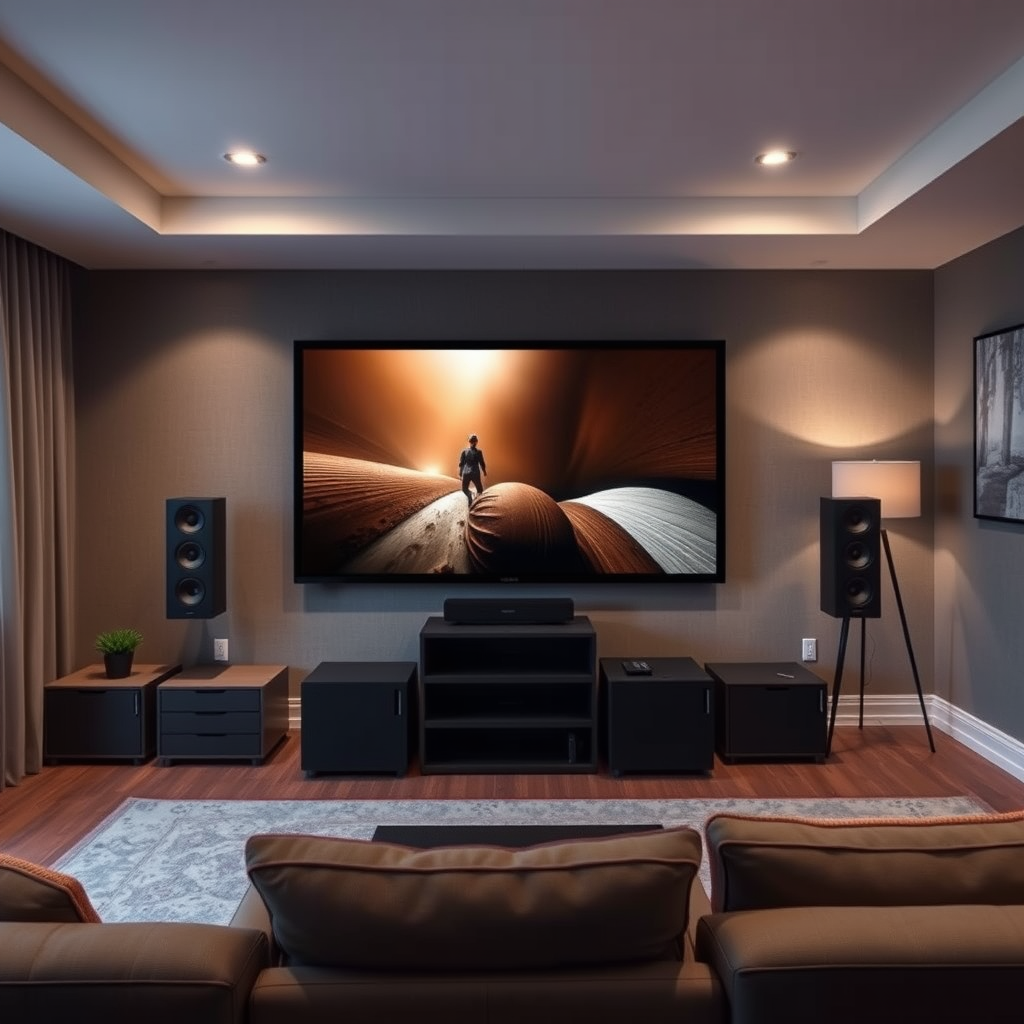
The term “7.1.2” refers to a specific arrangement of speakers designed for surround sound systems. In this configuration, the “7” denotes seven standard channels, which typically consist of three front speakers (left, center, and right), two surround speakers (left and right), and two rear surround speakers (left and right). The “1” signifies a single subwoofer responsible for delivering deep bass tones, while the “2” indicates the presence of two overhead speakers, often used for height effects in formats like Dolby Atmos.
This configuration significantly enhances surround sound immersion as it allows for more precise audio placement within the listening environment. The addition of overhead speakers creates a three-dimensional sound experience, making you feel as though you are part of the action, whether you’re watching a movie or playing a video game. In a 7.1.2 setup, the sound is not only surrounding you but also envelops you, providing a depth and realism that enhances overall enjoyment.
Assessing Your Space
Before investing in a 7.1.2 home theater system, it’s vital to assess your room’s size and layout. Start by measuring the dimensions of your space, including ceiling height, as this will help determine the appropriate size of speakers and the system’s overall compatibility. A larger room may require more powerful speakers or additional subwoofers to fill the space adequately, while smaller rooms can benefit from more compact, efficient systems.
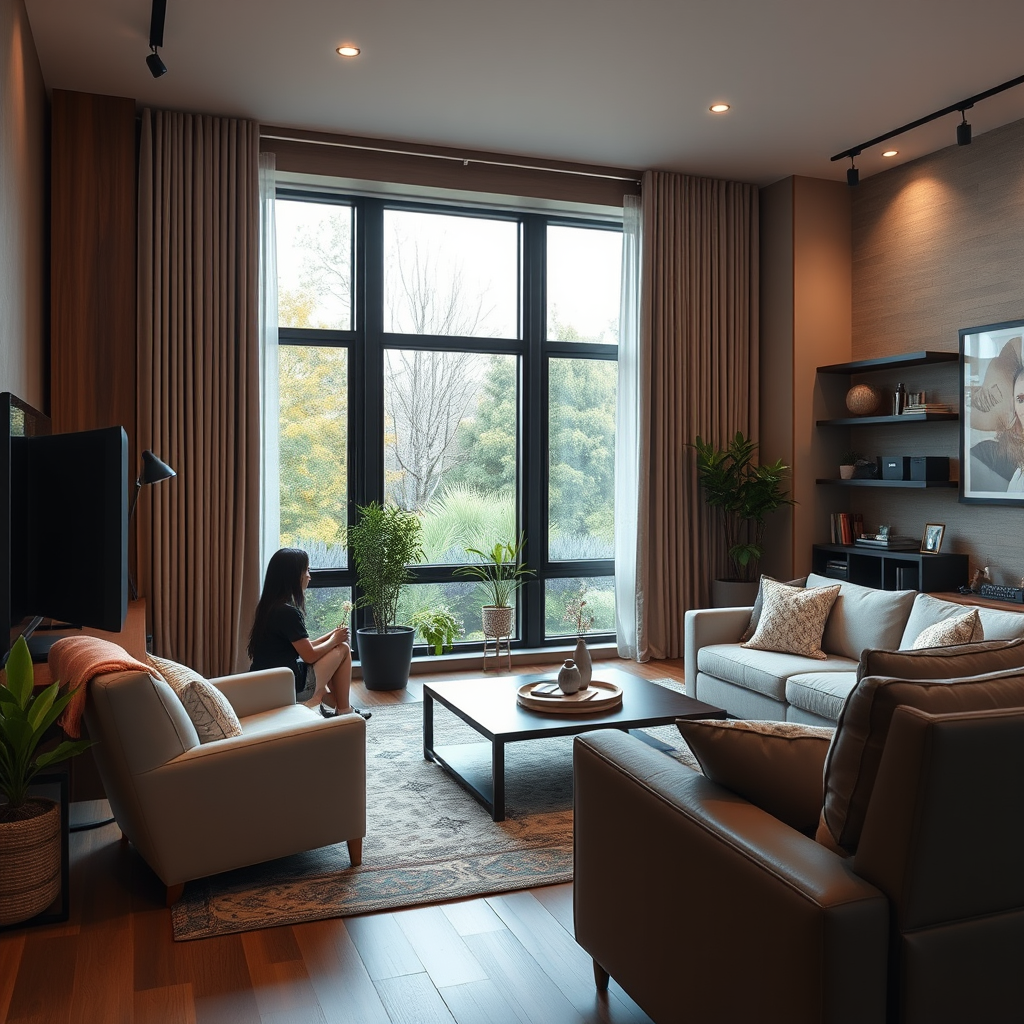
Consider the arrangement of furniture and other obstacles that might affect sound quality. Ideally, the speakers should be positioned to form a surround sound bubble around the main listening area. Acoustic treatments, such as rugs or wall panels, can also enhance sound performance by reducing echo and improving clarity. Proper speaker placement is essential; for example, front speakers should be at ear level, and overhead speakers should be mounted to maximize their effect.
Speaker Types and Quality
Selecting the right type of speakers is crucial to achieving the best audio quality in your home theater. There are three primary types of speakers to consider: floor-standing, bookshelf, and in-ceiling speakers.
– Floor-standing speakers are large and typically deliver robust sound with deep bass, making them ideal for larger rooms where they can fill the space effectively.
– Bookshelf speakers are more compact and versatile, suitable for smaller spaces or as surround sound additions to larger systems. They offer excellent sound quality but may require a subwoofer for optimal bass response.
– In-ceiling speakers are designed for a clean, unobtrusive look and are perfect for height effects in a 7.1.2 setup. They can be more challenging to install but provide a seamless audio experience.
When evaluating speaker quality, pay attention to sensitivity ratings and frequency response. Higher sensitivity ratings indicate greater efficiency, meaning the speaker can produce louder sounds with less power. A wide frequency response range is essential for capturing the full spectrum of audio, ensuring clarity in dialogue and richness in soundtracks. For example, a speaker with a frequency response of 20Hz to 20kHz can reproduce the full range of human hearing, providing a more immersive experience.
Receiver Features and Compatibility
The heart of your 7.1.2 home theater system is the receiver, which connects all your components and processes audio signals. When selecting a receiver, look for key features that enhance functionality and compatibility.
– HDMI support is crucial for modern systems, as it allows for high-definition video and audio transmission between devices. Aim for a receiver with multiple HDMI inputs to accommodate various devices such as Blu-ray players, gaming consoles, and streaming devices.
– Audio formats are equally important. Ensure the receiver supports advanced surround sound formats like Dolby Atmos and DTS:X, which utilize the overhead speakers in your 7.1.2 configuration for an enhanced audio experience.
Additionally, verify compatibility with your existing devices. Check for features like Bluetooth and Wi-Fi connectivity, enabling easy streaming from smartphones or tablets. Many modern receivers also offer integration with smart home systems, allowing for voice control and automation.
Budgeting for Your Home Theater System
Establishing a realistic budget is a critical step in selecting your 7.1.2 home theater system. Factor in not only the cost of the equipment but also potential installation expenses. High-quality systems can range significantly in price, so it’s advisable to set a budget that allows for both quality and longevity.
Here’s a rough breakdown of potential costs:
| Component | Estimated Cost |
|---|---|
| Receiver | $500 – $1,500 |
| Speakers (7) | $1,000 – $3,000 |
| Subwoofer | $300 – $1,000 |
| Cabling and Accessories | $100 – $500 |
| Installation (if needed) | $200 – $1,000 |
These estimates can help you gauge what you can afford. Remember, investing in a quality system can provide years of enjoyment, so prioritize essential components that meet your sound preferences.
Additional Features to Consider
When choosing a 7.1.2 home theater system, consider additional features that can greatly enhance your experience. Wireless connectivity is one such feature, allowing for easier placement of speakers without the hassle of running cables across your room. Many systems now come equipped with Bluetooth or Wi-Fi capabilities, enabling seamless streaming from various devices.
Room calibration technology is another valuable feature. Systems that include automatic room calibration can analyze your room’s acoustics and adjust speaker settings to optimize sound quality. This technology ensures that your system performs at its best, regardless of room shape or furniture placement.
Furthermore, a user-friendly interface and remote control options can significantly improve your overall experience. Look for systems with intuitive menus and easy access to streaming services, as well as the ability to customize sound settings.
Installation and Set-Up Tips
Once you’ve selected your 7.1.2 home theater system, the next step is installation. You have the option of DIY installation or hiring a professional, depending on your comfort level with technology and your budget.
For DIY enthusiasts, many systems come with detailed instructions and online resources to guide you through the process. Start by placing your speakers according to the recommended configurations, ensuring that they are positioned correctly for optimal sound. Use a sound level meter or calibration microphone, if available, to check and adjust sound levels for each speaker.
For those opting for professional installation, ensure that the installer is experienced with home theater systems and can provide advice on speaker placement and room acoustics. Calibrate the system after installation to achieve the best sound experience, allowing for adjustments based on your specific room and listening preferences.
In summary, choosing the best 7.1.2 home theater system involves a thoughtful approach to configuration, understanding your space, evaluating speaker quality, and managing your budget. By focusing on these critical considerations, you can make an informed decision that elevates your home entertainment experience. Take the next step by researching available systems that align with your criteria and enjoy the immersive audio journey that awaits you.
Frequently Asked Questions
What should I consider when choosing a 7.1.2 home theater system?
When selecting a 7.1.2 home theater system, consider factors like room size, speaker quality, and compatibility with existing devices. Ensure the system supports Dolby Atmos for immersive sound, and check for features like wireless connectivity and room calibration technology for optimal audio performance.
How does a 7.1.2 setup differ from a standard 5.1 system?
A 7.1.2 home theater system includes two additional overhead speakers, which enhances the surround sound experience by providing a more immersive audio environment. This setup allows for better sound positioning, especially for movies that utilize advanced audio formats like Dolby Atmos, creating a more realistic and engaging experience.
Why is Dolby Atmos important for a 7.1.2 home theater system?
Dolby Atmos is crucial for a 7.1.2 home theater system as it allows sound to be perceived as coming from all directions, including above. This technology enhances the viewing experience by placing the viewer in the middle of the action, making it ideal for cinematic experiences and gaming, where spatial awareness is key.
Which brands are known for producing the best 7.1.2 home theater systems?
Some of the best brands for 7.1.2 home theater systems include Denon, Yamaha, and Onkyo, known for their quality audio engineering and reliable performance. Additionally, brands like Sonos and Klipsch offer innovative designs and features that cater to both audiophiles and casual listeners, making them great options to consider.
How can I optimize my room for a 7.1.2 home theater system?
To optimize your room for a 7.1.2 home theater system, arrange the speakers strategically, ensuring that they are at ear level and appropriately spaced for the best sound distribution. Consider adding acoustic treatments like sound-absorbing panels or rugs to reduce echo and improve overall sound quality, creating an immersive audio experience.
References
- Home cinema
https://en.wikipedia.org/wiki/Home_theater - https://www.sciencedirect.com/topics/engineering/home-theater
https://www.sciencedirect.com/topics/engineering/home-theater - https://www.bbc.com/news/technology-56917382
https://www.bbc.com/news/technology-56917382 - https://www.theguardian.com/technology/2021/mar/01/how-to-create-the-best-home-cinema-system
https://www.theguardian.com/technology/2021/mar/01/how-to-create-the-best-home-cinema-system - https://www.nytimes.com/2020/10/15/technology/personaltech/home-theater-systems.html
https://www.nytimes.com/2020/10/15/technology/personaltech/home-theater-systems.html - https://pubmed.ncbi.nlm.nih.gov/29988184/
https://pubmed.ncbi.nlm.nih.gov/29988184/ - https://www.nature.com/articles/s41586-020-2641-0
https://www.nature.com/articles/s41586-020-2641-0 - Google Scholar Google Scholar
https://scholar.google.com/scholar?q=How+to+Choose+the+Best+7.1.2+Home+Theater+System - Google Scholar Google Scholar
https://scholar.google.com/scholar?q=home+theater+system+setup+guide - Google Scholar Google Scholar
https://scholar.google.com/scholar?q=acoustics+in+home+theater+design
