


To eject water from speakers, start by turning the speaker upside down and gently shaking it to allow gravity to help the water escape. Additionally, utilizing low-frequency sounds can create vibrations that assist in water removal. In this article, we’ll explore various methods to effectively remove water from your speakers and prevent potential damage, ensuring your audio experience remains uninterrupted.
Understanding Why Water Gets into Speakers
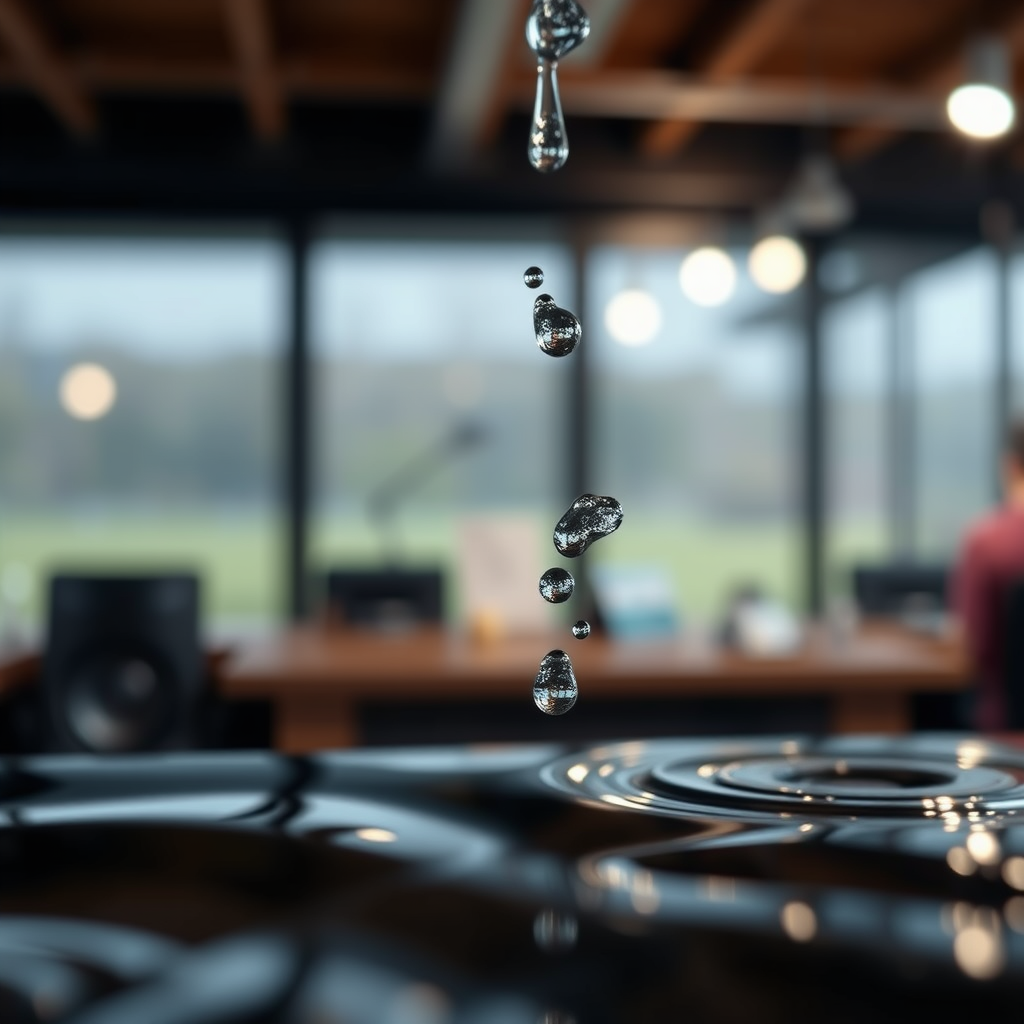
Water intrusion into speakers can occur for several reasons, including accidental spills, exposure to rain, or humidity in the environment. When speakers are not designed to be water-resistant, even small amounts of moisture can lead to significant problems. Common causes of water damage include:
– Spills: Drinks or other liquids accidentally poured onto speakers.
– Rain: Outdoor use during inclement weather without proper protection.
– Humidity: High humidity levels can seep into speaker components over time.
Moisture can severely affect sound quality by causing distortion, muffled sounds, or even complete failure to produce sound. Furthermore, water can lead to corrosion of internal components, which can be costly to repair or replace. Understanding these risks is essential for any speaker owner, as it highlights the importance of taking preventive measures and knowing how to address water intrusion promptly.
Quick DIY Methods to Remove Water
If you find yourself in a situation where water has entered your speakers, there are several quick DIY methods you can employ to mitigate damage:
– Turning the Speaker Upside Down: The simplest method is to turn the speaker upside down, allowing gravity to help drain any accumulated water. Gently shaking the speaker can also assist in this process, but be careful not to apply too much force, as it could damage internal components.
– Using a Vacuum Cleaner: Another effective method is to use a vacuum cleaner equipped with a hose attachment. Set the vacuum to a low suction setting and gently place the hose near the speaker’s openings. The suction can help draw out moisture without risking further damage.
These methods are often sufficient for minor water issues, but if the water intrusion is extensive, additional steps may be necessary.
Using Sound to Eject Water
Employing sound waves to remove water from speakers is a unique yet effective technique. Here’s how you can use sound to your advantage:
– Playing Low-Frequency Sounds: Low-frequency sounds, particularly in the range of 20 Hz to 200 Hz, can create vibrations that facilitate water ejection. You can find tracks or sound generators online that specifically produce these frequencies.
– Recommended Frequency Ranges: Frequencies around 60 Hz to 80 Hz are particularly effective for this purpose. Playing a loud bass track at these frequencies can help shake the water loose from the internal components of the speaker.
This approach is particularly useful for speakers that may not be easily accessible or for those who prefer a less hands-on method of water removal.
Common Methods to Eject Water from Speakers
| # | Method | Effectiveness | Ease of Use | Risk of Damage |
|---|---|---|---|---|
| 1 | Turning Upside Down | Moderate | Easy | Low |
| 2 | Vacuum Cleaner | High | Moderate | Low |
| 3 | Low-Frequency Sounds | High | Easy | Low |
| 4 | Desiccant Packs | Moderate | Easy | Low |
| 5 | Air Drying | High | Moderate | Low |
| 6 | Using a Fan | Moderate | Easy | Low |
| 7 | Professional Drying | High | Difficult | Moderate |
Preventing Water Damage to Speakers
Preventing water damage is far preferable to dealing with the consequences of water intrusion. Here are some practical tips to protect your speakers, especially during outdoor use:
– Use Waterproof Speaker Covers: Invest in high-quality waterproof covers to protect your speakers when not in use. These covers can shield your devices from rain, spills, and dust.
– Select Outdoor Speakers: If you frequently use speakers outdoors, consider purchasing speakers specifically designed for outdoor use. These models are often built with weather-resistant materials that can withstand moisture.
– Avoid Placement Near Water Sources: When setting up your audio equipment, keep speakers away from pools, hot tubs, or areas where spills are likely.
Following these preventive measures can significantly reduce the risk of water damage, prolonging the lifespan of your audio equipment.
When to Seek Professional Help
While many instances of water intrusion can be remedied with DIY methods, there are times when professional help is necessary. Look for these signs that your speakers may have suffered severe water damage:
– Persistent Sound Distortion: If sound quality remains poor even after attempting to dry the speakers, it may indicate internal component damage.
– Unusual Smells: A burning or musty odor may signal that water has caused corrosion or short-circuited electronic components.
– Visible Signs of Moisture: If you notice moisture inside the speaker or condensation on the outer casing, it’s time to consult a professional.
A technician can assess the situation, disassemble the speaker if necessary, and perform repairs that can restore functionality and prevent further damage.
Additional Tips for Speaker Care
Maintaining your speakers requires regular attention and care. Here are some tips to keep your speakers dry and functioning optimally:
– Store in a Dry Environment: Always store speakers in a cool, dry place. Avoid basements or attics where humidity levels may be high.
– Regularly Inspect for Moisture: Periodically check speakers for signs of water damage or moisture buildup. Early detection can prevent major issues.
– Use Desiccant Packs: Place desiccant packs in your speaker storage area to absorb excess moisture, providing an additional layer of protection against humidity.
By incorporating these practices into your routine, you can ensure that your speakers remain in excellent condition and are less susceptible to water damage.
In conclusion, knowing how to effectively eject water from speakers and prevent damage is crucial for any audio enthusiast. By employing simple DIY methods, utilizing sound waves, and taking proactive measures to protect your equipment, you can maintain the integrity and performance of your speakers for years to come. Remember, timely action can make all the difference when it comes to water intrusion, so stay vigilant and protect your audio investment.
Frequently Asked Questions
How can I safely remove water from my Bluetooth speakers?
To safely remove water from Bluetooth speakers, first, turn off the device and disconnect it from any power source. Use a soft cloth to gently wipe the exterior and remove excess moisture. Next, place the speaker in a dry, warm area, preferably with airflow, and let it sit for 24-48 hours to ensure all internal components dry completely.
What are the best methods to eject water from waterproof speakers?
The best methods to eject water from waterproof speakers include using a vacuum cleaner with a hose attachment to gently suck out trapped water, or shaking the speaker side to side to encourage drainage. Additionally, some users recommend using silica gel packets around the speaker to absorb moisture effectively.
Why is it important to dry out speakers after exposure to water?
It is crucial to dry out speakers after exposure to water to prevent long-term damage such as corrosion of internal components and speaker failure. Water can interfere with the electronic circuitry and lead to malfunction, so prompt and effective drying methods can extend the lifespan of your audio device.
Which household items can help in drying out wet speakers?
Household items like rice, silica gel packets, or even uncooked oats can be effective in drying out wet speakers. Placing the speaker in a container filled with one of these materials can help absorb moisture. Just ensure the speaker is turned off and not plugged in during this process to avoid any electrical hazards.
How can I prevent water damage to my speakers in the future?
To prevent water damage to your speakers in the future, consider using waterproof cases or covers when using them near water. Additionally, avoiding outdoor use during rain and keeping them on elevated surfaces can help minimize the risk of accidental exposure to moisture. Regular maintenance and keeping speakers in dry environments are also recommended.
References
- Loudspeaker
https://en.wikipedia.org/wiki/Loudspeaker - https://www.sciencedirect.com/topics/engineering/loudspeaker
https://www.sciencedirect.com/topics/engineering/loudspeaker - https://www.bbc.com/future/article/20190325-how-to-get-water-out-of-your-phone
https://www.bbc.com/future/article/20190325-how-to-get-water-out-of-your-phone - https://www.reuters.com/article/us-tech-smartphones-water-idUSKBN1L21OS
https://www.reuters.com/article/us-tech-smartphones-water-idUSKBN1L21OS - Health and Nutrition Facts for You | Patients & Families | UW Health
https://www.uwhealth.org/healthfacts/healthtopic/experiencing-water-in-your-ear - Page Not Found – Site Help – Mayo Clinic
https://www.mayoclinic.org/diseases-conditions/earwax-blockage/symptoms-causes/syc-20344425 - Google Scholar Google Scholar
https://scholar.google.com/scholar?q=ejecting+water+from+speakers - Google Scholar Google Scholar
https://scholar.google.com/scholar?q=how+to+remove+water+from+loudspeakers - Google Scholar Google Scholar
https://scholar.google.com/scholar?q=water+damage+to+audio+equipment - Google Scholar Google Scholar
https://scholar.google.com/scholar?q=how+to+eject+water+from+speakers
