


Removing water from speakers requires swift action and specific techniques to prevent permanent damage. In this guide, you will learn practical steps to dry out your speakers effectively, ensuring they continue to perform at their best. Speakers are sensitive electronic devices that can suffer significant harm from water exposure, so understanding how to address this situation promptly is crucial for maintaining their functionality.
Understanding Water Damage in Speakers
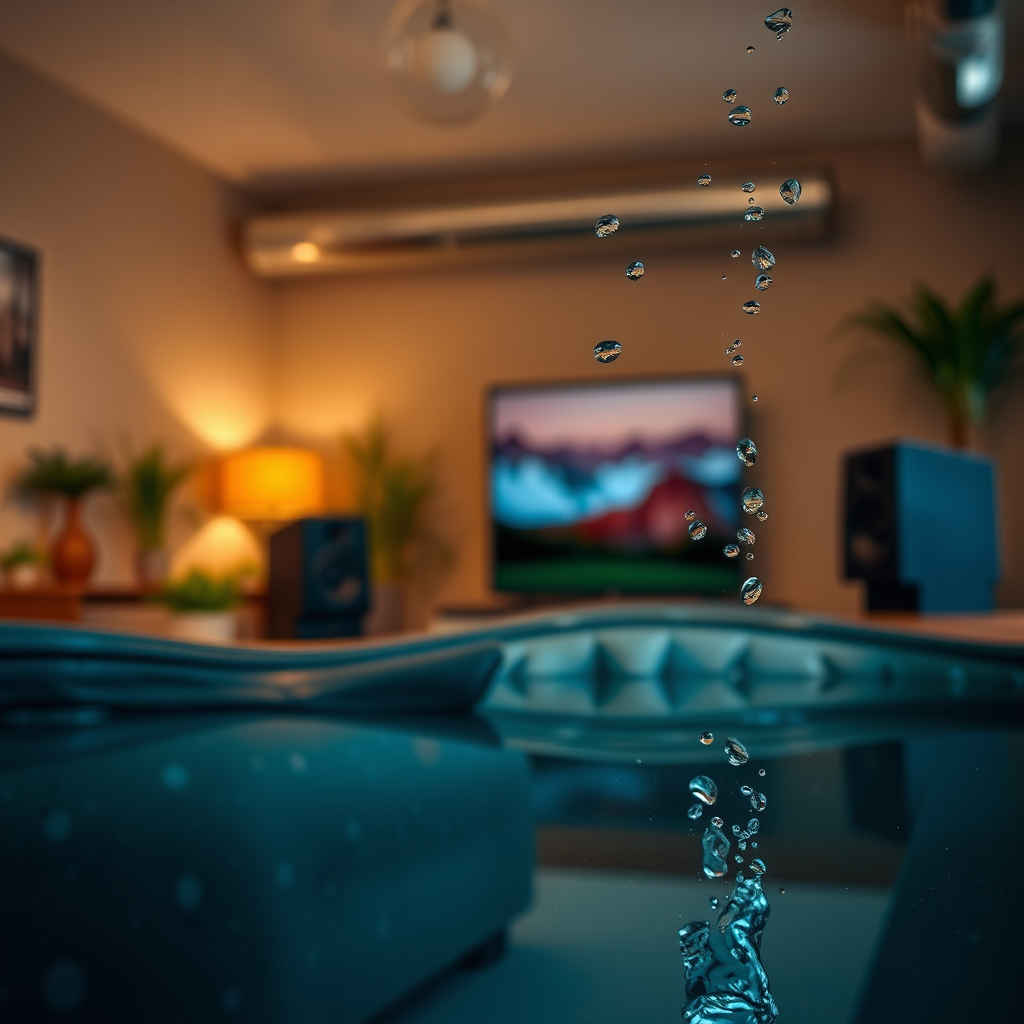
Water can significantly affect both sound quality and the internal components of speakers. When liquid seeps into a speaker, it can damage the drivers, circuitry, and other essential components, leading to distortion, muffled audio, or complete failure. Additionally, water exposure can promote rust and corrosion, which can irreparably harm the speaker’s internal parts.
Acting quickly is essential to prevent these issues. If water is not removed promptly, it can lead to long-term damage that may not be reversible, potentially costing you the investment you made in your audio equipment. Understanding the risks associated with water damage helps emphasize the need for immediate action and appropriate drying techniques.
Immediate Actions to Take
The first step in dealing with water exposure in speakers is to disconnect them from any power source immediately. This prevents the risk of electrical short circuits, which can occur when water comes into contact with live wires.
Next, turn the speaker upside down to let excess water drain out. This position allows gravity to assist in removing as much liquid as possible from the internal components. If the speaker is portable, this step is straightforward; however, for larger or mounted speakers, you may need to carefully tilt them to facilitate drainage.
DIY Drying Techniques
Once you’ve taken immediate action, the next steps involve drying out the speaker effectively:
– Wipe Down the Exterior: Use a soft, lint-free cloth to gently wipe the exterior of the speaker, absorbing any visible moisture. Be careful not to push water deeper into the speaker.
– Create a Drying Environment: Place the speaker in a warm, dry area. Avoid exposing it to direct sunlight or high heat sources, as this can warp materials and further damage the speaker. Ideally, a room temperature setting with good airflow helps facilitate natural drying.
– Leave It to Dry: Allow the speaker to sit in this environment for at least 24 hours. Depending on the extent of water exposure, you may need to allow the speaker to dry for several days.
Using Rice or Silica Gel
Another effective technique for absorbing moisture is using uncooked rice or silica gel packets. These materials are known for their moisture-absorbing properties and can be very effective in drying out electronic devices:
– Submerge in Drying Agent: Place the speaker in a container filled with uncooked rice or silica gel packets. Ensure that the speaker is fully surrounded by the drying agent to maximize moisture absorption.
– Duration: Leave the speaker in the rice or silica gel for at least 24-48 hours. This extended period allows the drying agent to absorb any remaining moisture effectively.
Checking Speaker Functionality
After the drying period, it’s time to check if the speaker is functioning properly. Here are the steps to follow:
– Reconnect the Speaker: Reconnect the speaker to its power source and turn it on. Listen for any unusual sounds, such as crackling or distortion, which could indicate lingering water damage.
– Test the Sound Quality: Play a variety of audio tracks at different volumes to assess the overall sound quality. If you notice any persistent issues, such as muffled sounds or lack of bass, it may indicate that water has damaged internal components.
– Seek Professional Help: If problems persist despite your drying efforts, consider consulting a professional repair service. They can provide a thorough inspection and potentially restore the speaker to working condition.
Preventative Measures for the Future
Taking measures to prevent water damage in the future is essential for maintaining the longevity and performance of your speakers:
– Use Waterproof Covers: If you frequently use your speakers outdoors, invest in waterproof covers or enclosures. These can protect your equipment from rain and splashes, significantly reducing the risk of water exposure.
– Monitor Humidity Levels: Avoid placing your speakers in high-humidity areas such as bathrooms or near pools. Use dehumidifiers in such spaces to help maintain a dry environment.
– Educate Yourself: Familiarize yourself with the specific water resistance ratings of your speakers. Some models are designed to withstand moisture better than others, so understanding your equipment will help you make informed decisions regarding its usage.
Common Speaker Models and Their Water Resistance Ratings
| # | Speaker Model | Water Resistance Rating | Best For |
|---|---|---|---|
| 1 | JBL Charge 5 | IP67 | Outdoor Use |
| 2 | Bose SoundLink Flex | IP67 | Travel |
| 3 | Sony SRS-XB33 | IP67 | Parties |
| 4 | Ultimate Ears BOOM 3 | IP67 | Adventure |
| 5 | Anker Soundcore Motion+ | IPX7 | Home Use |
| 6 | Bose SoundLink Revolve+ | IPX4 | Indoor/Outdoor |
| 7 | Zolo Mojo | IPX5 | General Use |
The key to successfully removing water from speakers is to act quickly and use the right techniques. By following these steps, you can minimize damage and restore your speakers to their original condition. It’s equally important to implement preventative measures to avoid future incidents. If you’ve found this guide helpful, consider sharing it with others who might need it!
Frequently Asked Questions
How can I remove water from my speakers effectively?
To effectively remove water from your speakers, first turn them off and unplug them to avoid any electrical damage. Then, gently shake the speakers to dislodge excess water, followed by placing them in a dry, well-ventilated area. Using silica gel packets or a fan can help absorb moisture, and you may also consider using a vacuum cleaner on a low setting to draw out water.
What should I do immediately after my speakers get wet?
Immediately after your speakers get wet, turn them off and disconnect them from any power source. This helps prevent short-circuiting. Next, remove any detachable components like batteries or cables and gently shake the speakers to get rid of excess water before following drying methods.
Why is it important to dry my speakers quickly after exposure to water?
It is crucial to dry your speakers quickly after exposure to water to prevent long-term damage such as corrosion or mold growth. Water can compromise the internal components, leading to poor sound quality or complete failure. The sooner you address the moisture, the better chance you have of salvaging your speakers.
What are the best methods to dry out water-damaged speakers?
The best methods to dry out water-damaged speakers include placing them in a warm, dry environment, using silica gel packets, or employing a fan to circulate air around them. You can also try using a hairdryer on the cool setting from a distance to avoid overheating. Patience is key; allow ample time for complete drying before attempting to power them on.
Which household items can help absorb moisture from my speakers?
Common household items that can help absorb moisture from your speakers include rice, silica gel packets, and baking soda. Place the affected speakers in a container filled with these items or surround them with silica gel to draw out moisture. Ensure the speakers are kept in a warm, dry location to enhance the drying process.
References
- Loudspeaker
https://en.wikipedia.org/wiki/Loudspeaker - https://www.sciencedirect.com/science/article/pii/S2214785321000170
https://www.sciencedirect.com/science/article/pii/S2214785321000170 - https://www.bbc.com/future/article/20201020-what-to-do-if-your-phone-falls-in-water
https://www.bbc.com/future/article/20201020-what-to-do-if-your-phone-falls-in-water - https://www.nytimes.com/2021/08/23/technology/fix-water-damaged-phone.html
https://www.nytimes.com/2021/08/23/technology/fix-water-damaged-phone.html - https://www.mayoclinic.org/healthy-lifestyle/consumer-health/in-depth/what-to-do-if-your-phone-falls-in-water/art-20455120
https://www.mayoclinic.org/healthy-lifestyle/consumer-health/in-depth/what-to-do-if-your-phone-falls-in-water/art-20455120 - https://www.reuters.com/article/us-phones-water-idUSKCN1VF2QZ
https://www.reuters.com/article/us-phones-water-idUSKCN1VF2QZ - Google Scholar Google Scholar
https://scholar.google.com/scholar?q=how+to+get+water+out+of+speakers - Google Scholar Google Scholar
https://scholar.google.com/scholar?q=water+damage+and+loudspeakers - https://pubmed.ncbi.nlm.nih.gov/32865812/
https://pubmed.ncbi.nlm.nih.gov/32865812/ - how to get water out of speakers – Search results
https://en.wikipedia.org/wiki/Special:Search?search=how+to+get+water+out+of+speakers
