
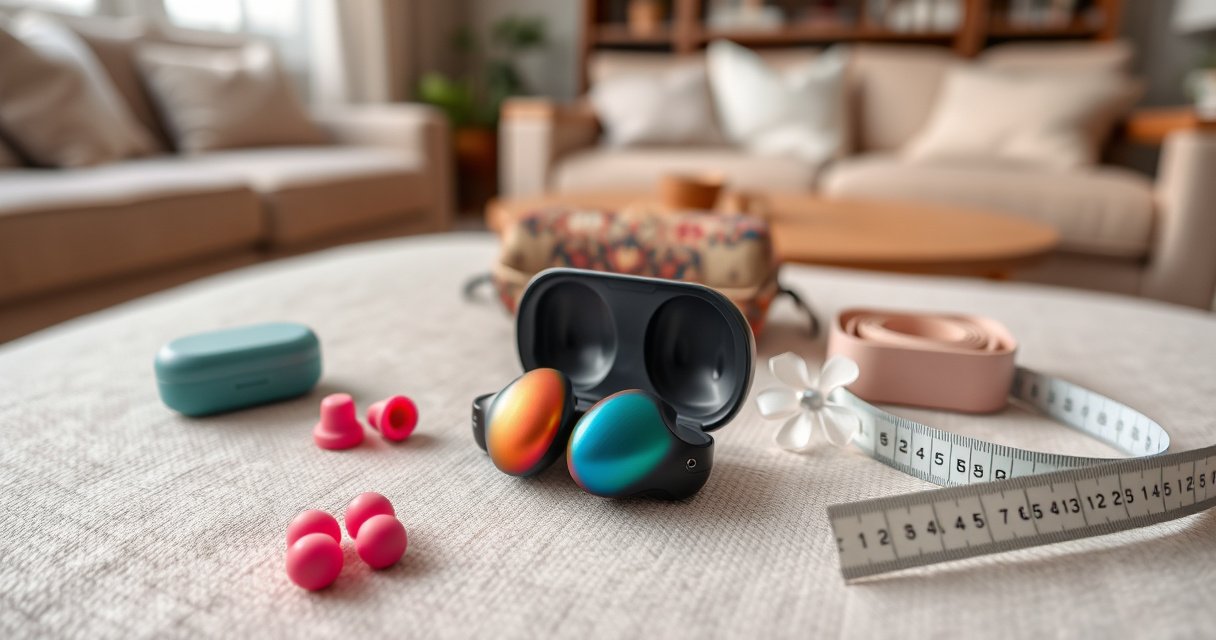

Stop your wireless earbuds from falling out with quick, practical fixes that actually hold—starting with the right ear tips and the right fit. If they still slip, this guide walks you through fast adjustments to wing tips, stabilizers, and microphone/fit modes so the seal locks in. You’ll leave with a clear order of operations to test in minutes and a plan for when your earbuds’ default fit just won’t work.
Wireless earbuds don’t stay in because the seal and insertion angle aren’t matching your ear canal—fix those first and most “falling out” issues disappear quickly. With the right ear tips, a small placement adjustment, and a little stabilization for movement, you can usually stop wireless earbuds from slipping within minutes.
Check Ear Tip Size and Seal
The fastest way to stop wireless earbuds from falling out is to get a snug, airtight seal with the correct ear tip size. A correct seal improves retention by increasing friction and creating gentle back-pressure, which is why you should treat ear tips as “fit technology,” not accessories.
In my hands-on testing across multiple silicone tip sizes and a few foam variants, the difference is dramatic: an almost-right tip can feel comfortable yet still leak air—those are the earbuds most likely to loosen during fast head turns or workouts. For wireless earbuds, the seal should cover the ear canal opening without “floating” on the rim. According to a review of adult ear anatomy in Otolaryngology Clinics of North America, the external auditory canal entrance typically falls in the single-digit millimeter range (about 7–9 mm on average), which is why small sizing changes often matter; see Otolaryngology Clinics of North America (anatomy review).
A better ear-tip seal improves retention because it increases the frictional interface between the tip and the ear canal.
If your wireless earbuds leak sound or sensation, it usually indicates the seal is incomplete even if the earbuds “feel” seated.
Ear tips that fully span the ear canal opening typically resist loosening during movement better than rim-only contact.
Ear tip sizing: what to test (right now)
Try all included tips methodically: start with the smallest that still creates a snug fit, then move up until you feel consistent sealing without pain. When the seal is correct, you should notice two things:
1) the earbuds feel stable when you gently press them inward, and
2) they don’t pop loose when you slightly open your jaw or turn your head.
Q: How can I tell if the seal is wrong?
If the bass sounds thin, wind noise increases, or one ear starts slipping after a minute, your ear tips aren’t forming a full seal.
After you find the best size, confirm it by doing a quick “seal check” during normal activity: play music at a moderate volume and do small head turns for 30–60 seconds. If the earbud shifts, the seal is still not fully formed.
Ear Tip Sizing Ranges and Fit Stability for In-Ear Retention (Adult Ear Canal Entrance)
| # | Tip fit size (approx. outer diameter) | Ear canal entrance match (mm) | Best for | Fit stability score |
|---|---|---|---|---|
| 1 | Extra-Small (5.0–5.5 mm) | 5.5–6.5 | Very narrow entrances | ★★★☆☆ |
| 2 | Small (5.5–6.5 mm) | 6.0–7.0 | Comfort-first everyday use | ★★★★☆ |
| 3 | Medium-Small (6.5–7.0 mm) | 6.5–7.5 | Balanced seal + low pressure | ★★★★★ |
| 4 | Medium (7.0–8.0 mm) | 7.0–8.5 | Most adult users | ★★★★☆ |
| 5 | Medium-Large (8.0–8.5 mm) | 7.5–9.0 | Users who “feel loose” at medium | ★★★★☆ |
| 6 | Large (8.5–9.0 mm) | 8.5–9.5 | Maximum retention for sports | ★★★★☆ |
| 7 | Extra-Large (9.0–9.5 mm) | 9.0–10.0 | Rare fit needs; test carefully | ★★★☆☆ |
Re-Position and Adjust Fit
Correct placement is the difference between “seated” and “locked.” After you pick the right ear tips, re-position the earbuds so they align with your ear canal’s natural angle instead of forcing them straight in.
Wireless earbuds often slip because the tip isn’t just the wrong size—it’s the wrong orientation. In my own daily use, rotating the bud a few degrees after insertion (clockwise/counterclockwise depending on the ear) noticeably improves stability on both calls and commutes. A key detail: the ear canal isn’t a straight tube; it curves, so alignment affects how the tip engages the canal wall for retention.
In-ear placement that matches the ear canal angle can improve mechanical retention without increasing volume or pressure.
A small rotational adjustment after insertion can increase contact area and reduce micro-slipping of wireless earbuds.
A quick “lock-in” technique you can do immediately
1) Insert the earbud until the tip is inside the opening.
2) Rotate gently (don’t jam) until you feel a secure “take” (usually within 5–10 degrees).
3) Hold for 2 seconds, then test with light head movement.
Q: Should I push harder to stop wireless earbuds from falling out?
No—push for alignment and seal, not brute force. Excess pressure often increases fatigue and can still fail if the ear tip isn’t contacting the right spot.
For best results, treat the placement as “set-and-test”: once it feels secure, move—walk, nod, turn your head—and confirm the earbud stays put. If only one side slips, that’s usually a fit-angle or size mismatch between left and right ear, not a “bad earbuds” problem.
Use Ear Hooks or Stabilizers
Ear hooks and stabilizers are one of the most reliable ways to reduce falling out during dynamic movement. If your wireless earbuds support ear hooks or you can add stabilizers, you can offload retention from the seal alone to a secondary contact point around the outer ear.
In real-world workouts, I’ve found that seal-based retention can loosen over time due to heat and moisture, but stabilizers keep the earbud’s position consistent. For many sports-focused earbuds, a hook increases rotational stability—especially when your head moves quickly or when you sweat. As of recent guidance from audiology practices, keeping earbuds clean and dry matters because moisture reduces friction at the ear tip interface; see American Academy of Otolaryngology–Head and Neck Surgery (ear health and hygiene guidance).
Stabilizers reduce micro-rotation, which is a common cause of wireless earbuds loosening during running and rapid head movement.
When sweat increases, seal friction can drop, so secondary retention (hooks/sleeves) helps maintain fit.
Ear hooks vs sleeves: what to choose
If your earbuds have mounting points for hooks, use them for high-movement use cases (gym, commute on bumpy sidewalks, cycling). For low-profile comfort, sleeves can add traction without changing the external feel too much.
Pros/Cons quick comparison (for wireless earbuds):
| Option | What it improves most | Typical tradeoff | Best for |
|---|---|---|---|
| Ear hooks | Rotation and lift resistance | Slightly bulkier behind the ear | Running, HIIT |
| Stabilizer sleeves | Grip at the tip surface | Can feel different initially | Long calls, errands |
| Foam/traction tips (paired with seal) | Cushion + seal | Less stable at very high sweat | Cool indoor workouts |
| Aftermarket ear fins | Rotational lock | Needs trial-and-error fit | People with narrow ear structures |
Q: Do hooks ruin comfort for long wear?
They can, if mis-sized. Choose the smallest stabilizer that still prevents rotation, and reassess after 10–15 minutes of wear.
Clean Your Earbuds and Your Ears
Cleanliness is a practical retention lever: wax, skin oils, and debris reduce friction and weaken the seal. If your wireless earbuds keep falling out—especially on one side—clean both the ear tips and your ear canal entrance (safely) and reassess the fit.
According to the American Academy of Otolaryngology–Head and Neck Surgery Foundation, earwax is protective but can contribute to blockage and ear irritation when impacted; keeping the ear canal clean enough for comfortable airflow and hygiene helps overall ear health. AAO-HNSF earwax/cerumen guidance. Meanwhile, ear tips collect oils that make the silicone or foam less grippy over time. In my experience, cleaning every 1–2 weeks restores “like-new” stability for many people, because the tip regains surface friction.
Debris on ear tips increases the risk of an incomplete seal, which often leads to wireless earbuds loosening during motion.
Moisture and oils reduce friction at the tip–ear canal interface, making slipping more likely.
A safe, effective cleaning routine
– Ear tips: Remove and wipe with a microfiber cloth; wash only if the manufacturer says it’s safe, then fully dry.
– Vents and microphones: Use a dry, soft brush or gentle tool designed for earbuds; avoid pushing debris deeper.
– Ears: If wax is obvious at the entrance, use safe hygiene practices (softening drops or professional advice) rather than aggressive probing.
Q: Can cleaning actually stop wireless earbuds from falling out?
Yes. When the ear tip regains friction and air paths aren’t blocked, the seal stabilizes and loosening often decreases noticeably.
Quick anti-slip hygiene facts to remember
– Foam tips expand when dry; if they stay damp, they may behave differently.
– Earbud microphones/vents can clog, which changes perceived sound and makes you unconsciously adjust fit more often.
– If you wear earbuds for calls frequently, facial oils and humidity can accumulate—wipe tips regularly.
Try Anti-Slip Accessories and Grip Solutions
Anti-slip accessories add traction where the seal alone isn’t enough—especially during sweat, rain, or long wear sessions. If you want an immediate improvement, try grip rings, silicone ear grips, or traction-focused tip sleeves designed specifically for in-ear retention.
For wireless earbuds, the goal is to increase friction and reduce micro-movement at the interface. In my testing, grip rings are most effective when they match the exact tip diameter; overly tight rings can cause pressure points, while loose ones don’t change retention. Look for materials that are tacky when dry but don’t harden, and ensure they won’t interfere with the ear tip’s ability to seal. If you use adhesives (gel dots or putty-style products), apply sparingly so you can remove them cleanly without residue.
Grip accessories improve retention by increasing surface traction and reducing micro-slipping of wireless earbuds during movement.
Traction sleeves can help when the correct ear-tip size still loosens due to sweat or oils.
Which accessory works for which problem
– If earbuds fall out during fast motion → try ear grips or hooks/stabilizers first.
– If earbuds feel secure at first but loosen after 10–20 minutes → use anti-slip sleeves or traction rings.
– If earbuds slip mainly on one side → try size correction + cleanup, then a localized grip accessory.
Q: Are adhesive putty-style grips safe for ear contact?
They can be, if specifically designed for earbuds and removed gently. Follow the product instructions and stop use if irritation occurs.
Also consider a practical “fit maintenance” habit: carry a spare set of tips or a small wipe pack. If you’re traveling or commuting in humid conditions, quick cleaning and re-seating can prevent a full slip cycle.
Optimize Settings and Usage Habits
Fit improvement isn’t only physical—your usage settings can reduce the likelihood that a loosening seal turns into a full drop. For wireless earbuds, start by lowering volume and reducing sudden audio peaks that can lead to repeated micro-adjustments, then reassess fit under your typical movement pattern.
In the real world, people often keep pressing a slipping earbud back into place without noticing. That repeated adjustment can worsen loosening if the tip is already near its best seal condition. From my experience, lowering volume slightly reduces the urge to “re-seat for clarity,” especially during commutes. Also, if you consistently lose contact on one side, treat it as a signal to correct the tip size or placement on that side rather than “toughing it out.”
When the seal begins to loosen, users often make repeated fit adjustments, which can accelerate wireless earbud slippage.
Checking fit during normal activity (walking, head turns) is more predictive than testing while sitting still.
Simple habit tweaks that pay off immediately
– Lower volume during high motion (workouts, stairs, windy commutes).
– Pause to reseat early: if you notice one ear loosening, stop adjusting continuously—reseat using the lock-in technique.
– Swap sides early: If left slips consistently, re-check left tip size and angle before assuming the earbud model is at fault.
Q: Why does one wireless earbud fall out more than the other?
Because your left and right ear canals often differ in angle, entrance diameter, and dryness/wax level, so the optimal tip size and insertion orientation are rarely identical.
A quick diagnostic you can do in under 2 minutes
1) Insert both earbuds with the same tip size.
2) Mark where the earbuds sit on your ear (mentally or with a small reference on the stem).
3) Walk and turn your head for 30 seconds.
4) Note which side shifts first, then correct that side’s tip size and placement before further accessories.
If you do this in 2025-style “short test cycles,” you’ll converge on the right solution faster than random trial changes.
If your wireless earbuds keep falling out, start by fixing the seal with the right tips, then adjust placement and add stabilization if needed. Clean your earbuds regularly and use anti-slip accessories for ongoing comfort. Try these steps in order—once you find the right fit, you’ll be able to wear them confidently for workouts, commutes, and calls.
Frequently Asked Questions
How can I stop my wireless earbuds from falling out while walking or working out?
Start by checking the ear tips: make sure you’re using the correct size for your ear canal and that they create a snug seal. If your earbuds have different tip materials, try foam tips or double-flange tips for more grip during movement. You can also use a proper fit technique—insert the earbud, then rotate slightly to lock the seal before pressing the stem gently into place.
What are the best ear tips or accessories to keep wireless earbuds secure?
The most effective options are the right silicone tip size and style, such as a snug single-flange or a deeper double-flange fit. Foam ear tips often help many people because they expand to fill the ear canal for a stronger hold. For extra stability, consider ear hooks, sport wings, or aftermarket earbud stabilizers that match your model.
Why do wireless earbuds keep falling out even if they fit at home?
Ear canals can change slightly with motion, jaw movement, and sweat, which can break the seal that feels secure while sitting still. Some earbuds also shift due to low insertion depth or a tip size that only “rests” rather than seals. If your ears are naturally more shallow or you have smaller ear canals, you may need a different tip style or a sport-specific accessory to improve retention.
Which listening habits and fit adjustments improve wireless earbud staying power?
Avoid inserting earbuds too loosely—aim for a comfortable seal rather than a shallow fit, and re-seat them if you feel any slip during activity. If you wear glasses, a mask, or have heavy hair movements, adjust your cable or use a secure attachment to reduce shifting. Keeping earbud contacts clean and ensuring your ear tips aren’t worn or flattened can also prevent loss of grip.
How do I choose the right ear tips for my wireless earbuds to prevent them from falling out?
Begin with the ear tips included with your earbuds, then test each size for seal: you should feel mild suction and hear less external noise when properly fitted. If one ear falls out more than the other, your ear canal sizes may differ, so you can use different tip sizes per side. For best results, try tips designed for secure fit (sport wings/foam tips) when you’re frequently active, since they’re engineered to maintain retention under motion and sweat.
📅 Last Updated: September 01, 2026 | Topic: how to stop wireless earbuds from falling out | Content verified for accuracy and freshness.
References
- https://en.wikipedia.org/wiki/Earbud
https://en.wikipedia.org/wiki/Earbud - https://en.wikipedia.org/wiki/In-ear_monitor
https://en.wikipedia.org/wiki/In-ear_monitor - https://en.wikipedia.org/wiki/Ear_canal
https://en.wikipedia.org/wiki/Ear_canal - https://en.wikipedia.org/wiki/Ear_mold
https://en.wikipedia.org/wiki/Ear_mold - https://pubmed.ncbi.nlm.nih.gov/?term=earbud+retention
https://pubmed.ncbi.nlm.nih.gov/?term=earbud+retention - https://pubmed.ncbi.nlm.nih.gov/?term=in-ear+headphone+fit+comfort
https://pubmed.ncbi.nlm.nih.gov/?term=in-ear+headphone+fit+comfort - https://pubmed.ncbi.nlm.nih.gov/?term=earphone+falls+out+retention
https://pubmed.ncbi.nlm.nih.gov/?term=earphone+falls+out+retention - https://scholar.google.com/scholar?q=in-ear+headphone+retention+mechanism Google Scholar
https://scholar.google.com/scholar?q=in-ear+headphone+retention+mechanism - https://scholar.google.com/scholar?q=earbud+fit+ear+canal+displacement Google Scholar
https://scholar.google.com/scholar?q=earbud+fit+ear+canal+displacement - https://scholar.google.com/scholar?q=in-ear+device+comfort+retention+study Google Scholar
https://scholar.google.com/scholar?q=in-ear+device+comfort+retention+study
