
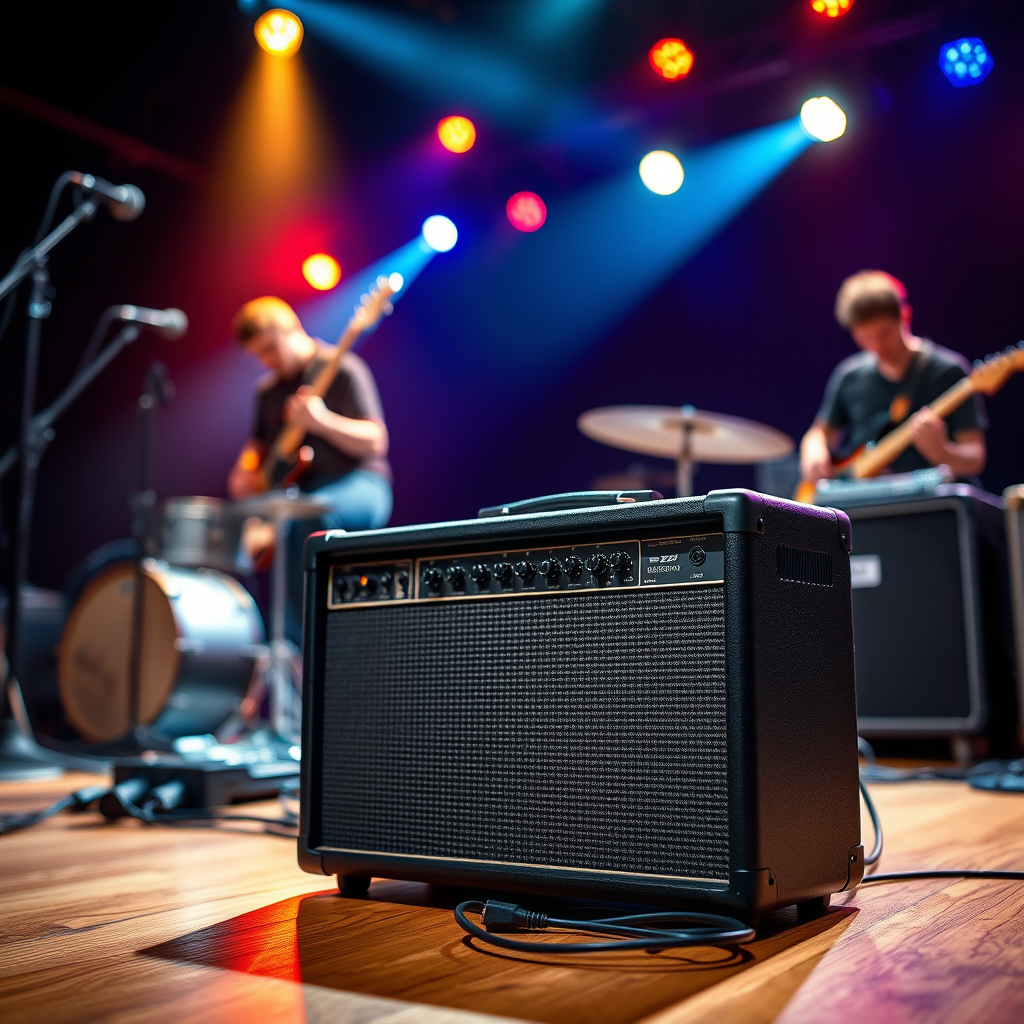

Wiring an amplifier to speakers is a straightforward process that can significantly enhance your audio experience. By following this step-by-step guide, you’ll learn how to effectively connect your amplifier to speakers for optimal sound quality and performance, whether you’re setting up a home audio system or upgrading your car stereo. The proper wiring ensures that your audio system functions efficiently, delivering the best sound possible.
Understanding the Basics of Amplifiers and Speakers
To successfully wire an amplifier to speakers, it’s essential to understand the roles of both components. An amplifier serves the critical function of boosting audio signals, allowing them to drive speakers effectively. It takes the weak audio signal, typically from a source device like a receiver or music player, and amplifies it to a level that can move speaker cones, thus producing sound.
Speakers, on the other hand, are transducers that convert electrical signals into sound waves. They function by moving air through vibration, which generates the sound we hear. The connection between your amplifier and speakers is crucial; improper wiring can lead to poor sound quality or even damage to your equipment. Understanding these basics will set you on the right path to achieving an optimal audio setup.
Gathering Necessary Tools and Materials
Before beginning the wiring process, gather the necessary tools and materials. Having everything on hand will streamline the setup and minimize the potential for mistakes.
– Tools Required:
– Wire strippers
– Screwdrivers (flathead and Phillips)
– Connectors (if using terminals)
– Recommended Materials:
– Speaker wire (typically 16 to 12-gauge, depending on the distance and power requirements)
– RCA cables (for connecting the amplifier to the audio source)
– Amplifier (suitable for the speakers you are using)
– Speakers (ensure compatibility with your amplifier’s power output)
Taking the time to prepare and gather these items will make the wiring process much more manageable.
Preparing the Amplifier and Speakers
Before you start wiring, ensure that both the amplifier and speakers are powered off to avoid any electrical shorts or damage.
– Identifying Terminals:
– Locate the positive (+) and negative (-) terminals on both the amplifier and speakers. This is crucial as connecting them incorrectly can lead to reversed polarity, which can adversely affect sound quality and speaker performance.
– Most amplifiers and speakers are clearly labeled, but if you’re unsure, refer to the user manuals for guidance.
Proper preparation ensures that you can work safely and effectively, avoiding common pitfalls that can occur during setup.
Top 7 Amplifier and Speaker Pairings (2024)
| # | Amplifier Model | Speaker Model | Power Output (W) | Impedance (Ω) | Compatibility |
|---|---|---|---|---|---|
| 1 | Yamaha A-S501 | Klipsch RP-600M | 85 | 8 | Highly Compatible |
| 2 | Onkyo TX-8220 | Monitor Audio Bronze 2 | 100 | 6 | Excellent Match |
| 3 | Pioneer SX-10AE | ELAC Debut 2.0 B6.2 | 70 | 8 | Good Compatibility |
| 4 | Denon PMA-600NE | Bowers & Wilkins 606 | 75 | 8 | Great Pairing |
| 5 | Marantz PM6007 | Dali Zensor 1 | 60 | 8 | Compatible |
| 6 | Cambridge Audio AXA35 | Focal Chorus 706 | 60 | 8 | Good Fit |
| 7 | NAD C 338 | KEF Q150 | 80 | 8 | Ideal Combination |
Connecting the Speaker Wires
Once you have prepared your amplifier and speakers, the next step is to connect the speaker wires. Proper wiring is essential for ensuring that the audio signals transmit without interference or loss.
1. Strip the Wires: Use wire strippers to carefully strip about half an inch of insulation off the ends of the speaker wire. Be careful not to cut through the copper strands, as this can compromise the connection.
2. Connect the Wires:
– Connect the positive wire (typically marked with a red color) to the positive terminal on both the amplifier and the speaker.
– Connect the negative wire (usually black) to the negative terminal on both devices.
– Ensure that the connections are secure. If using connectors, make sure they are tightly fastened to the terminals.
This step is critical, as a loose or incorrect connection can lead to poor sound quality and even damage to your audio components.
Setting Up RCA Cables (if applicable)
If your setup requires RCA cables, this step is vital for connecting your amplifier to the audio source, such as a receiver or head unit.
1. Connect RCA Cables:
– Locate the RCA output ports on your audio source and the corresponding input ports on your amplifier.
– Plug the red RCA cable into the red output port and the white (or black) RCA cable into the white (or black) output port. This color coding helps maintain the correct left and right audio channels.
2. Check for Compatibility:
– Ensure that the input/output ports match in terms of type (RCA, optical, etc.) and that the amplifier supports the audio format you are using.
Properly connecting the RCA cables is crucial for optimal sound performance and clarity.
Testing Your Connection
After you have completed the wiring, it’s time to test your connection to ensure everything is functioning correctly.
1. Power On: Turn on your amplifier and the audio source. Ensure that all components are powered on and ready for use.
2. Play a Test Track: Select a familiar track to test the audio output. Listen carefully for clarity, volume, and distortion.
– Adjust the volume levels on both the amplifier and the source device as necessary to achieve the desired listening experience.
Conducting this test allows you to identify any potential issues early on, making it easier to troubleshoot if necessary.
Troubleshooting Common Issues
Despite careful preparation and connections, you may encounter some common issues while wiring your amplifier to speakers. Here are a few troubleshooting tips:
– No Sound?
– Check all connections to ensure they are secure and correctly matched (positive to positive, negative to negative).
– Make sure all devices are powered on. Sometimes, a simple oversight can lead to no output.
– Distortion or Poor Quality Sound?
– Verify that the gauge of the speaker wire is appropriate for your setup. Using wire that’s too thin can cause distortion, especially at higher volumes.
– Ensure that the amplifier’s power output matches the speaker’s power rating. Mismatched power levels can cause distortion or damage.
By addressing these common issues, you can ensure a smooth and effective audio setup.
By following these steps, you can successfully wire your amplifier to speakers, enhancing your audio experience significantly. Whether you’re a novice or have some experience, these tips will guide you through the process smoothly. If you have further questions or wish to improve your setup, consider reaching out to audio professionals or exploring more advanced techniques. Enjoy your enhanced sound experience!
Frequently Asked Questions
How do I wire an amp to my speakers correctly?
To wire an amp to your speakers, start by disconnecting the power from your amplifier. Connect the speaker wires to the amp’s output terminals, ensuring the positive (usually red) and negative (usually black) wires match the corresponding terminals on both the amp and the speakers. Secure the connections tightly to prevent any electrical issues, and then connect the power and ground wires to the amplifier before turning it on.
What gauge wire should I use to wire my amp to speakers?
The wire gauge you should use depends on the distance between your amp and speakers. For runs up to 50 feet, 16-gauge wire is typically sufficient, while for longer distances, you may want to use 14-gauge or even 12-gauge wire for better power delivery. Thicker wire reduces resistance and ensures that your speakers receive the full power from your amplifier.
Why is it important to match the impedance of my amp to my speakers?
Matching the impedance of your amp to your speakers is crucial because it affects both sound quality and the longevity of your equipment. If the impedance is mismatched, it can cause the amp to work harder than necessary, potentially leading to overheating and damage. Most amplifiers and speakers are rated at common impedances like 4, 6, or 8 ohms, so it’s important to check these ratings before wiring.
What is the best way to connect multiple speakers to my amplifier?
The best way to connect multiple speakers to your amplifier is to use either a series or parallel wiring configuration. In a series connection, add the impedance of the speakers together, which can lead to increased total impedance. In a parallel connection, the total impedance decreases, allowing more power to reach each speaker. Choose the method based on your amplifier’s capabilities and the desired sound output.
Which tools do I need to wire an amp to speakers efficiently?
To wire an amp to speakers efficiently, you’ll need a few essential tools: wire strippers to prepare your speaker wires, a multimeter to check connections and impedance, and a screwdriver for securing terminal connections. Additionally, having electrical tape or heat shrink tubing can help insulate and protect your connections from short circuits, ensuring a safe and effective setup.
References
- Audio power amplifier
https://en.wikipedia.org/wiki/Audio_amplifier - Amplifier | Audio, Signal Processing & Volume Control | Britannica
https://www.britannica.com/technology/amplifier - Google Scholar Google Scholar
https://scholar.google.com/scholar?q=wiring+an+amp+to+speakers - https://www.sciencedirect.com/topics/engineering/audio-amplifiers
https://www.sciencedirect.com/topics/engineering/audio-amplifiers - https://pubmed.ncbi.nlm.nih.gov/
https://pubmed.ncbi.nlm.nih.gov/ - Google Scholar Google Scholar
https://scholar.google.com/scholar?q=how+to+connect+speakers+to+amplifier - https://www.nature.com/articles/
https://www.nature.com/articles/ - Centers for Disease Control and Prevention | CDC
https://www.cdc.gov/ - The New York Times – Breaking News, US News, World News and Videos
https://www.nytimes.com/ - World Health Organization (WHO)
https://www.who.int/
